What Is a The Shoulder of A Tire? Complete Guide & Best Options
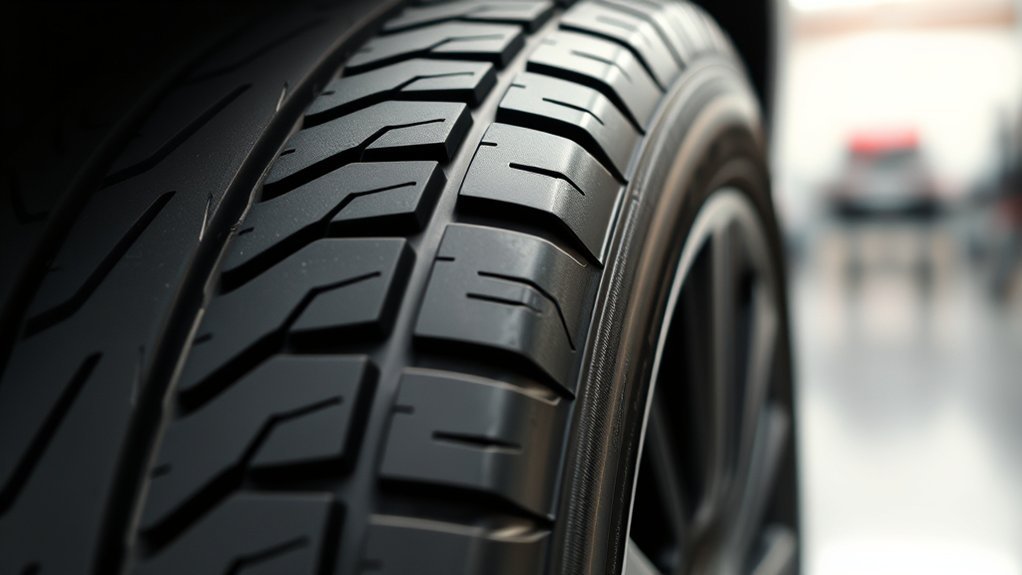
The tire shoulder is the outer junction zone where the tread meets the sidewall, and it helps your tire handle cornering force, load transfer, and braking stability. Shoulder wear often points to underinflation, overinflation, or misalignment, so you should inspect it regularly. The sidewall supports air retention, while the shoulder adds grip and structure. Open shoulders drain water better, and closed shoulders usually ride quieter and last longer, so the right choice depends on your driving needs.
Key Takeaways
- The tire shoulder is the area where the tread meets the sidewall, helping with cornering stability and load support.
- Shoulder wear often signals underinflation, overinflation, aggressive cornering, or alignment problems.
- Regular tire pressure checks, rotations, and alignments help prevent premature shoulder wear.
- Open shoulder tires drain water better and suit wet or light off-road conditions.
- Closed shoulder tires provide better cornering stability, lower noise, and longer tread life for highway driving.
What Is a Tire Shoulder?
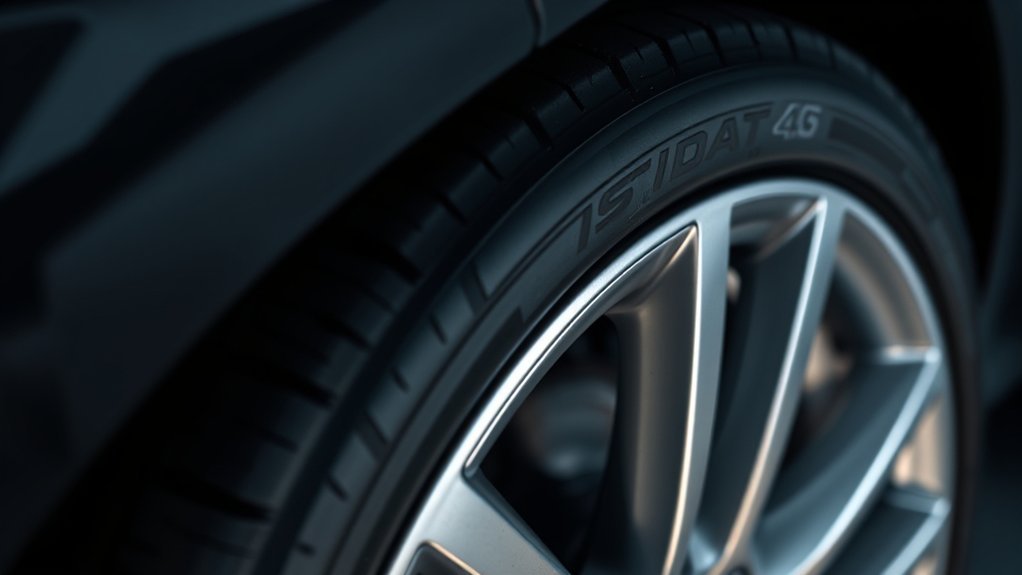
The tire shoulder is the changeover zone where the tread meets the sidewall, and it plays a key role in cornering stability and load distribution. You should see it as the outer edge of the tread blocks nearest the sidewall. This Tire Shoulder supports the casing, helps protect belt layers, and preserves structural integrity under cornering and braking loads. During tire inspection, check for uneven tread wear, cuts, bulges, or heat damage here, because shoulder wear often signals alignment problems, underinflation, overinflation, or aggressive driving. A healthy shoulder helps your tire work freely, carry weight evenly, and maintain grip. Open-shoulder designs use grooves to clear water better, while closed-shoulder designs usually improve stability and reduce noise. Under Sonsio guidelines, you can’t repair damage in this zone, so replacement is the practical response when damage compromises safety or performance. Ensuring the shoulder’s health also contributes to optimal tire performance during winter conditions, enhancing overall driving safety.
Tire Shoulder vs. Sidewall: What’s the Difference?
Although they sit next to each other, the tire shoulder and sidewall serve different jobs: the shoulder is the junction zone where the tread meets the sidewall and helps with cornering stability, load support, and traction, while the sidewall is the smooth vertical section that supports the tire’s structure, helps retain air, and protects internal components. In practice, you read the tire shoulder through the outer tread blocks, while the sidewall has no tread grooves and doesn’t add grip. If you notice shoulder wear, check for alignment issues because it can affect handling and tire integrity. Sidewall damage is more serious: it can weaken the casing, and you can’t repair it safely. Inspect both zones regularly so you keep control, protect your freedom to drive, and make informed replacement choices. Additionally, consider treadwear ratings as a key factor when evaluating tire performance.
- Tire shoulder: performance
- Sidewall: support
- Shoulder wear: warning sign
- Damage: non-repairable
What Causes Tire Shoulder Wear?
Tire shoulder wear usually starts when your tires are forced to work outside their ideal range, such as during aggressive cornering, which loads the outer tread edges and speeds up uneven deterioration. When you push hard through turns, the tire shoulder takes the brunt of the force, and the tread grooves can’t distribute that stress evenly. Underinflation makes the sidewalls flex too much, raising heat and friction, while overinflation shrinks the contact patch and concentrates load on the shoulders. Misalignment also drives shoulder wear by making one edge scrub the road instead of rolling cleanly. You’ll notice this pattern as uneven outer-edge loss long before the center tread is gone. Smart tire maintenance helps you stay free from premature replacement, because pressure checks and alignment inspections keep your tires working in their designed range. If you want maximum life and control, treat shoulder wear as a warning sign, not just a cosmetic issue. Additionally, prioritizing tires with strong treadwear warranties can enhance long-term performance and mitigate wear issues.
How Do You Keep Tire Shoulders in Good Shape?
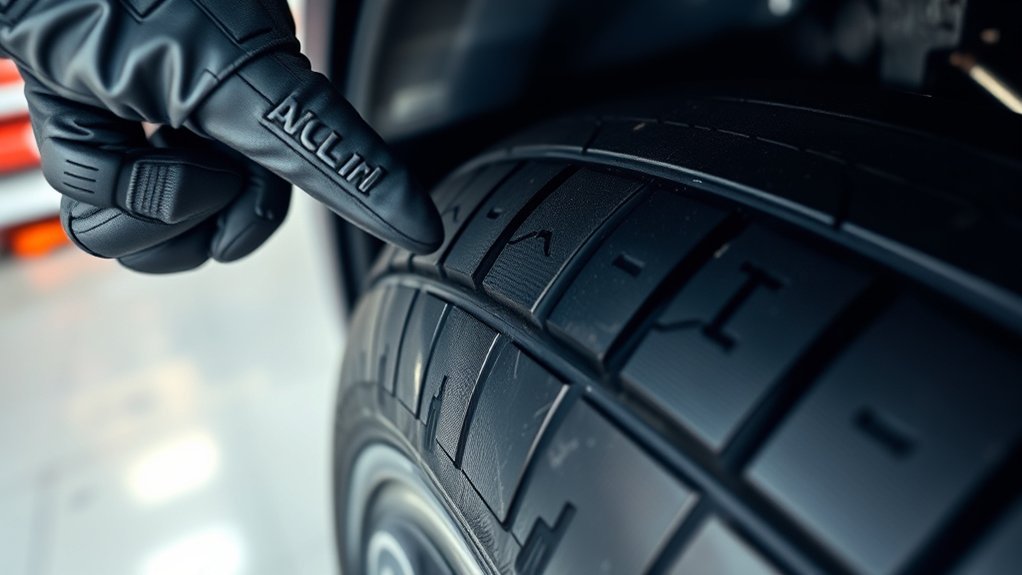
To keep tire shoulders in good shape, you need to control the conditions that make them wear unevenly in the first place. Check tire pressure often and set it to the manufacturer’s spec; underinflation and overinflation both drive uneven shoulder wear. Inspect tire shoulders monthly for cracking, feathering, or excess wear, so you can act before damage spreads. Keep your driving habits smooth, especially in corners, because hard turning loads the shoulders and shortens service life.
- Watch tread and shoulder wear for symmetry.
- Rotate and service tires every 5,000 to 6,000 miles.
- Address alignment problems when patterns look irregular.
- Replace damaged tires before they compromise vehicle protection.
Additionally, consider the UTQG rating of your tires to help gauge tread life and performance expectations.
Good tire maintenance keeps tires in good condition, improves handling, and helps you preserve freedom of movement without preventable failures.
Should You Choose Open or Closed Shoulder Tires?
When you’re choosing between open and closed shoulder tires, match the tread design to how and where you drive. An open shoulder uses wider grooves at the shoulder to move water away, so your tire tread resists hydroplaning better in rain, mud, or loose terrain. That makes it a strong choice for adverse driving conditions and light off-road use. A closed shoulder packs the blocks tightly, which gives you firmer cornering stability, less road noise, and usually longer tread life on dry pavement. If most of your miles are highway miles, the closed shoulder lets you drive with more control and less wear. If you face changing weather, all-season tires can give you a balanced compromise, blending open shoulder drainage with closed shoulder stability. Additionally, tire selection based on fit can significantly enhance your driving safety and performance. Choose based on your real routes, not assumptions, so your tires support safe, independent movement.
Frequently Asked Questions
Where Is the Shoulder on a Tire?
You’ll find the shoulder on the outer edge of the tread, right where the tread design meets the sidewall. That zone carries cornering load, so tire wear there can signal alignment or pressure problems. Watch for shoulder damage, since it can hurt performance impact and safety. Use maintenance tips like checking inflation and rotation. If damage reaches that area, you’ll need shoulder replacement, not a repair, for reliable driving.
Can a Tire Shoulder Be Repaired?
No, you can’t reliably repair a tire shoulder. The tire shoulder function supports cornering and load transfer, so damage there usually means replacement. Tire shoulder design includes critical structural layers, and repair limitations explained by Sonsio show only crown punctures qualify. You should inspect tread wear patterns and shoulder damage causes, because uneven wear often signals alignment issues or aggressive driving that can compromise impact on handling and safety.
What Part of the Tire Is Considered the Shoulder?
You might think the shoulder is minor, but it’s essential. The tire shoulder is the outer tread edge where your tread design meets the sidewall, forming the shift zone on both sides. You’ll see it carry cornering loads, affect traction, and reveal tire wear from performance factors, alignment issues, and road conditions. Use maintenance tips like inflation checks and rotations to protect it and keep your ride free and stable.
Why Is the Shoulder of a Tire Not Repairable?
Because you’d damage a structural zone, you can’t safely repair the tire shoulder. It carries cornering loads, so shoulder cuts or bulges usually signal hidden internal failure. Fixing it would mean rebuilding belts and casing, which isn’t practical. That creates tire wear, changes tread design performance, and raises safety concerns. Your best replacement options are a new tire and alignment. Follow maintenance tips to prevent recurrence.
Conclusion
In the end, the tire shoulder is one of the first places you should inspect when you want to protect grip, handling, and tread life. Studies show that uneven shoulder wear can shorten tire life by up to 30%, which means a small alignment or inflation issue can become costly fast. If you keep your pressures correct, rotate regularly, and choose the right shoulder design, you’ll get safer performance and longer-lasting tires.

Related Articles
What Is a Tire Gauge? Types, Accuracy & How to Use One
M tire gauges reveal more than PSI—discover the types, accuracy quirks, and simple steps that can save your tires and fuel.
Read More
What Is Car Tire Made Of? Complete Guide & Everything You Need to Know
Natural rubber, steel, and hidden layers make car tires complex—discover what each part does and why it matters.
Read More
What Does P Mean on a Tire? Load, Speed & Rating Guide
Motorists often miss what the “P” on a tire really means—discover the load, speed, and rating details that could change your choice.
Read More