
What Is a Separated Tire? Complete Guide & Best Options
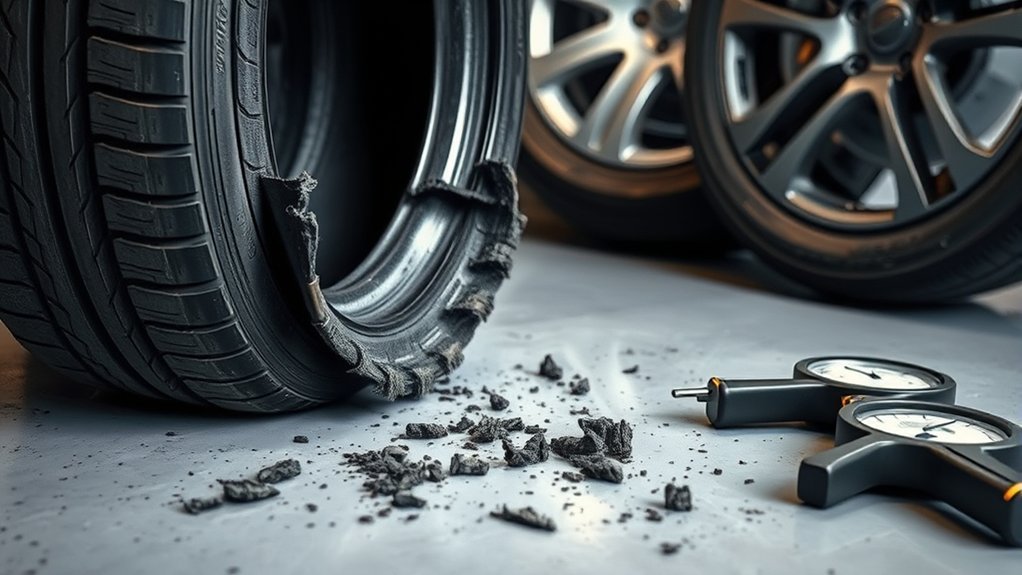
A separated tire means part of the tread or belt package is pulling away from the tire casing. This is a serious structural failure, not normal wear. You may feel vibration, hear rhythmic thumping, see a bulge, notice wavy tread, or spot exposed cords. If you suspect tire tread separation, keep the vehicle steady, slow down only after it is stable, pull off the road when safe, and replace the tire before driving again.
Quick Answer
A separated tire is unsafe to drive on because the tread or internal belts are coming apart from the tire body. Warning signs include vibration, thumping, bulges, wavy tread, steering pull, exposed cords, and sudden uneven wear. Treat it as an emergency: pull over safely and replace the tire.
Key Takeaways
- A separated tire has tread, belt, or casing layers coming apart, which can quickly lead to a blowout or loss of control.
- Common warning signs include vibration, rhythmic thumping, bulges, wavy tread, exposed cords, cracks, uneven wear, and pulling to one side.
- Low pressure, overloading, heat, impact damage, aging, poor repairs, uneven wear, and manufacturing defects can all contribute to tread separation.
- Do not keep driving on a suspected separated tire. Pull over safely and arrange replacement or towing.
- Prevent separation by checking cold tire pressure monthly, inspecting tread and sidewalls, rotating when recommended, checking recalls, and replacing damaged or aged tires.
At a Glance
| Time Required | 5–10 minutes for a basic tire inspection; replacement should be done before the vehicle is driven again. |
| Difficulty | Easy inspection, but replacement and internal diagnosis should be handled by a qualified tire professional. |
| Tools Needed | Tire pressure gauge, flashlight, tread depth gauge or penny, gloves, and your vehicle owner’s manual or tire placard. |
| Cost | Inspection may be low-cost or free at some tire shops. Replacement cost depends on tire size, load rating, brand, mounting, balancing, valve service, and towing if needed. |
Warning: Do not continue driving on a tire with a bulge, lifted tread, exposed cords, severe vibration, or rhythmic thumping. Tire separation can worsen suddenly and may cause a blowout or loss of vehicle control.
What Is Tire Tread Separation?
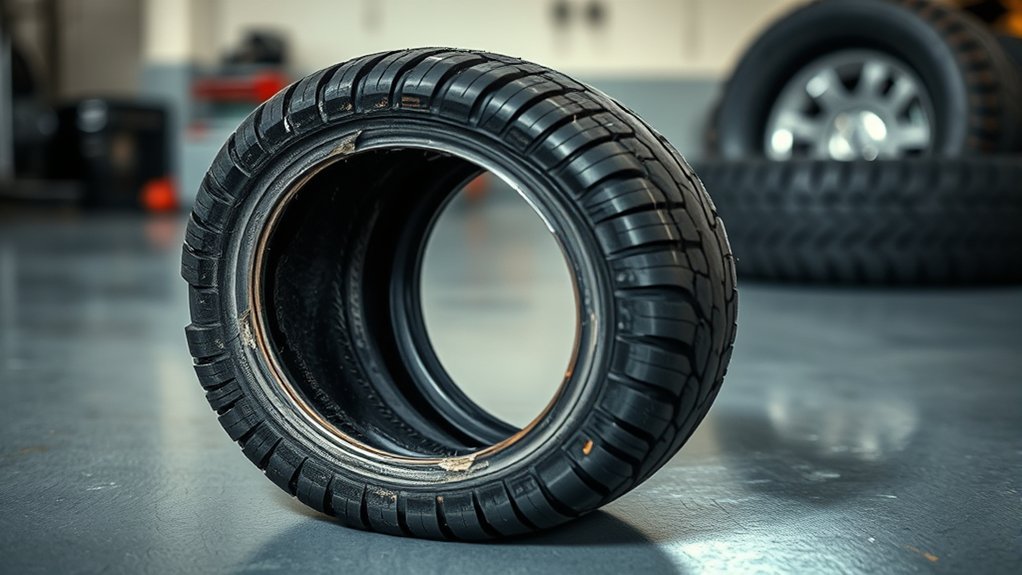
Tire tread separation happens when the outer tread, belt layers, or internal casing bond starts to fail. Instead of acting like one solid tire structure, the layers begin to pull apart. That separation can make the tire roll unevenly, overheat, vibrate, and eventually fail.
This problem is different from normal tread wear. A worn tire loses rubber gradually. A separated tire is damaged inside or between layers, even if parts of the tread still look deep. The danger is that the separated area can grow while the tire is spinning, especially at highway speed or under heavy load.
The National Highway Traffic Safety Administration warns that poor tire maintenance, including underinflation and lack of rotation, can lead to flat tires, blowouts, or the tread coming off. The right tire size, load rating, pressure, and condition matter more than buying a specific category of tire. If you are replacing tires for a RAV4 or similar vehicle, compare fit, load rating, and condition carefully before choosing high-performance all-season tires.
NHTSA reported 511 deaths in tire-related crashes in 2024. A separated tire should be treated as a safety problem, not a comfort issue.
[Products Worth Considering]

EVOULTES heavy duty tire inflator with an integrated gauge delivers accurate pressure readings from 10–120 PSI, helping you inflate, deflate, and check tires in one tool. The 16.5-inch extended dual-head air chuck with swivel base reaches hard-to-access dual wheel valves on trucks and RVs. A brass trigger core and side-mounted air release valve make operation smooth, with standard 1/4" NPT threading and quick-connect compatibility for easy setup.

The JACO FlowPro Tire Inflator measures, inflates, and airs down tires up to 100 PSI with battery-free operation and ±2% accuracy after calibration. It features a glowing pressure dial for night visibility, a heavy-duty steel build with a hybrid hose, and a precision push-to-inflate thumb trigger. The patented Lightning Air Chuck locks on for a secure seal, and the kit includes quick-connect hardware for easy inline use with your air compressor.

This roadside assistance kit helps drivers and passengers in urgent situations after an accident or breakdown, providing practical support while waiting for help. It includes a lightweight, compact tire inflator for fast inflation of standard vehicle tires, plus reinforced jumper cable protection for safer handling. Ideal for winter weather, road trips, camping, and travel, with everything stowed neatly in a trunk bag.
Signs Your Tire Tread Is Separating
The most common signs of a separated tire are vibration, thumping, pulling, bulges, wavy tread, cracks, exposed cords, and uneven wear. These symptoms can appear slowly or suddenly. If they get worse with speed, stop driving as soon as you can do so safely.
Regular tire rotations, correct inflation, and routine checks help with maximizing tire longevity, but they cannot make a damaged tire safe again.
Vibrations and Thumping
A steady vibration through the steering wheel, seat, or floorboard can be an early warning sign. It may feel like an out-of-balance wheel, but if the vibration is paired with a rhythmic thump, the tread may be lifting or deforming as the tire rotates.
Watch for these driving symptoms:
- Steering wheel shaking that gets stronger with speed
- Floorboard pulses that repeat with wheel rotation
- Rhythmic thumping from one corner of the vehicle
- Wobbling, drifting, or unstable cornering
- New vibration after hitting a pothole, curb, or road debris
If vibration is severe, do not drive to “test it.” Pull over safely and inspect the tire from a protected location away from traffic.
Bulges and Wavy Lines
A sidewall bulge is a major warning sign. It usually means internal cords or layers have been damaged and air pressure is pushing against a weakened area. Wavy tread lines, raised spots, dips, or an uneven tread surface can also point to internal separation.
Check each tire in good light. Look across the tread from the front and side, not just straight down. A separated tire may look slightly out of round, have a lump in one area, or show a raised tread edge. Any bulge or tread distortion means the tire should be replaced, not driven on.
Uneven Wear and Pulling
Uneven wear can come from alignment, inflation, suspension, or rotation problems. It can also appear when internal tire damage changes how the tread contacts the road. If the vehicle suddenly pulls left or right, or one tire has bald spots that do not match the others, inspect it immediately.
Look for:
- Bald patches on one shoulder or one section of tread
- Rapid wear on a single tire
- One-sided wear that appears suddenly
- Cracks, cuts, exposed cords, or belt material
- A tire that no longer looks round when slowly rolled
Note: A tire pressure monitoring system can warn you when pressure is significantly low, but it is not a substitute for checking tire pressure and condition yourself every month.
How to Inspect a Tire for Separation
You can do a basic visual check before calling a tire shop, but only if the vehicle is parked safely away from traffic. Do not crawl near a traffic lane or under a vehicle on an unstable shoulder.
- Park safely: Stop on level ground, set the parking brake, turn on hazard lights, and keep passengers away from traffic.
- Check the tread surface: Look for raised sections, missing rubber, wavy grooves, exposed belts, deep cracks, or areas that look higher than the rest of the tread.
- Check the sidewalls: Look for bubbles, bulges, cuts, cracking, or deformation on both the inner and outer sidewalls if you can see them safely.
- Check tire pressure when cold: Compare pressure to the vehicle tire placard or owner’s manual, not the maximum pressure molded on the tire sidewall.
- Measure tread depth: Replace tires worn to 2/32 inch. Replace earlier if wear is uneven, damage is visible, or wet-road traction is poor.
- Check tire age: Find the DOT Tire Identification Number on the sidewall. The last four digits show the week and year the tire was made.
- Check recalls: Use the tire brand, model, size, and DOT code to search for open tire recalls through NHTSA recalls.
Pro Tip: Photograph the tire, DOT code, tread damage, and sidewall damage before replacement. Photos can help a tire shop, warranty department, or manufacturer evaluate the failure.
What Causes Tread Separation?
Tread separation usually happens when heat, stress, damage, age, or poor bonding weakens the layers inside the tire. Sometimes the cause is maintenance-related. Sometimes it is impact damage or a defect. Often, several factors work together.
Proper pressure, rotation, balance, and alignment help reduce uneven wear and heat buildup. Regular tire rotations can help tires wear more evenly when your vehicle manufacturer recommends them.
Manufacturer Defects
A manufacturing defect can weaken the bond between the tread, steel belts, and casing before the tire is ever installed. Problems can include contamination during production, poor curing, belt placement issues, or bonding defects. A defective tire may look normal at first, then develop vibration, bulging, tread lift, or sudden failure later.
If you suspect a defect, save the tire if possible, record the DOT code, and check for recalls. You can also report tire safety problems to NHTSA. Do not assume the other three tires are fine if they are the same model and production range; inspect them too.
Improper Tire Inflation
Underinflation is one of the most important risk factors because it makes the sidewall flex more than intended. That extra flex creates heat, and heat can weaken tire materials over time. Overloading a tire has a similar effect because it forces the tire to carry more stress than it was designed to handle.
Overinflation is also a problem. It can reduce the contact patch, make the tire more vulnerable to impact damage, and increase center tread wear. Always use the pressure listed on the vehicle’s tire placard or owner’s manual. NHTSA recommends checking all tires, including the spare, at least once a month when the tires are cold.
Wear and Damage
Even with correct pressure, a tire can separate after structural damage. Pothole hits, curb strikes, road debris, punctures, improper repairs, old age, and long heat exposure can all weaken the casing or belts. NHTSA also notes that sustained high temperature can cause tire deterioration that may lead to blowouts and tread separation under the federal tire temperature grading system.
Risk factors include:
- Driving on a tire that has been flat or severely underinflated
- Deep cuts, cracks, punctures, or exposed cords
- Bulges on the tread or sidewall
- Irregular wear from poor alignment or imbalance
- Repeated overloading or towing beyond tire load limits
- Tires that are aged, sun-damaged, or poorly stored
NHTSA says some vehicle and tire manufacturers recommend replacing tires that are six to 10 years old, regardless of treadwear. Follow the tire maker’s and vehicle maker’s guidance for your specific tire.
Why Tire Tread Separation Is Dangerous
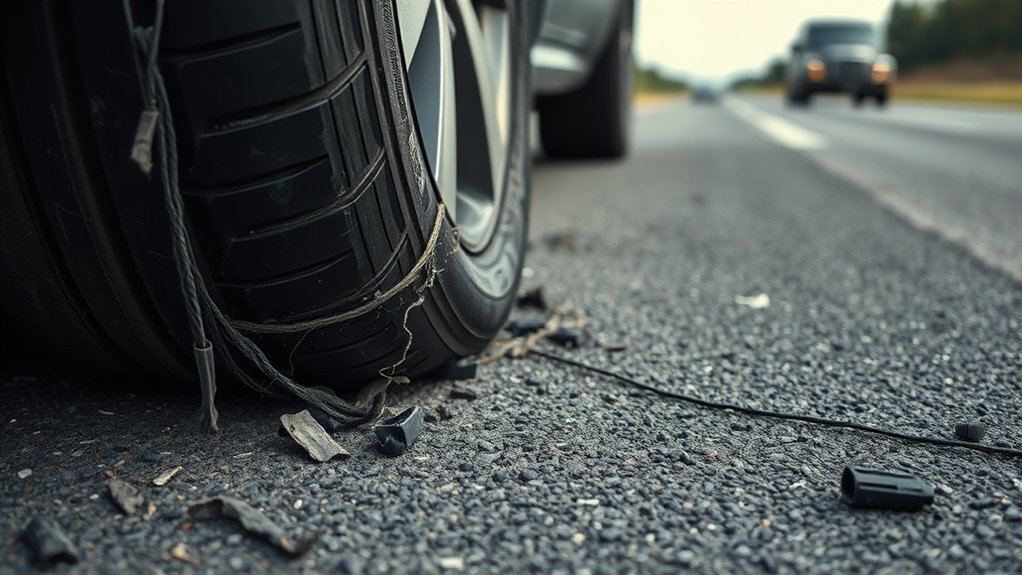
Tire tread separation is dangerous because the tire may no longer roll evenly or hold its shape under load. As the separated area grows, the vehicle can vibrate, pull, lose traction, or suffer a blowout. At highway speed, that can make steering and braking harder.
Regular inflation checks are one of the simplest ways to reduce risk, but they do not fix a tire that is already separating.
| Warning Sign | What It May Mean | Risk |
|---|---|---|
| Vibration | Uneven rolling or internal damage | Poor control |
| Thumping | Lifted tread hitting the road unevenly | Rapid failure |
| Bulge | Weakened sidewall or internal layer damage | Sudden rupture |
| Exposed cords | Tread worn or torn through structural layers | Unsafe tire |
| Low pressure | Extra flexing and heat buildup | Separation growth |
What to Do If Your Tire Separates?
If you feel heavy vibration, hear a loud thump, or suspect the tire is coming apart while driving, focus first on keeping the vehicle stable. Avoid sudden braking or sharp steering unless needed to avoid an immediate crash.
- Hold the steering wheel firmly with both hands. Keep the vehicle pointed where you want it to go.
- Do not slam on the brakes. A sudden brake input can make the vehicle harder to control during a tire failure.
- Gradually ease off the accelerator. Let the vehicle slow while you keep it stable.
- Correct steering gently. Expect pulling, vibration, or body movement if the tire failure is severe.
- Move off the road only when safe. Signal, pull onto a wide shoulder or safe area, and stop away from traffic.
- Turn on hazard lights. Keep passengers away from moving traffic.
- Inspect only from a safe position. Look for lifted tread, shredded rubber, bulges, exposed belts, or a tire that has lost shape.
- Call for help. Use a spare only if it is safe, properly inflated, and suitable for your vehicle. If damage is severe, arrange towing.
After one separated tire, inspect the remaining tires too. Matching tires from the same age, production range, or maintenance history may have similar wear or damage. If you need a replacement set for mixed weather driving, choose correctly sized all-season tires that meet your vehicle’s load and speed requirements.
[Products Worth Considering]

This portable cordless tire inflator delivers up to 160 PSI with fast 17 L/min airflow to help you quickly top up tires and get back on the road. It features dual power mode, running on a 21V rechargeable battery or a 12V DC adapter for convenient roadside use. An automatic shut-off with digital pressure gauge helps prevent overinflation, and a built-in LED light improves visibility in low-light conditions.

This AUTOWN flat tire repair kit is designed for quick, reliable puncture repairs using a plug kit and spiral probe tool to simplify installation. Built for durability and safe handling, it offers strong adhesion and flexibility to help maintain tire air tightness. With a portable storage case and a multi-vehicle approach, it’s suitable for cars, motorcycles, ATVs, tractors, lawn mowers, RVs, jeeps, and trucks.
Can a Separated Tire Be Repaired?
No. A separated tire should be replaced. A simple puncture in the repairable tread area may sometimes be professionally repaired, but tread separation is structural damage. A plug, patch, sealant, or temporary air refill cannot restore the tire’s internal bond or strength.
Replace the tire immediately if you see any of these signs:
- Tread lifting from the casing
- Steel belts or fabric cords showing
- Sidewall bulge or bubble
- Large cracks or cuts
- Out-of-round shape
- Severe vibration after impact damage
- Damage from being driven flat or very underinflated
How to Prevent Tire Tread Separation
You cannot prevent every defect or road hazard, but you can reduce the risk of tire tread separation with consistent maintenance. NHTSA identifies tire pressure, tread condition, balancing, alignment, rotation, tire size, TPMS awareness, and tire aging as key tire safety issues.
- Check pressure monthly: Measure all tires, including the spare, when cold. Use the vehicle placard or owner’s manual pressure.
- Inspect tread and sidewalls: Look for cracks, cuts, bulges, punctures, exposed cords, uneven wear, and wavy tread.
- Measure tread depth: Replace tires at 2/32 inch. Replace sooner if damage or poor wet traction appears.
- Rotate when recommended: Follow your owner’s manual. NHTSA notes that some vehicles should rotate every 5,000 to 8,000 miles if the manufacturer recommends it.
- Balance and align: Balance helps prevent shake. Alignment helps reduce pulling and uneven wear.
- Avoid overloading: Stay within the load limits listed on your tire placard and tire sidewall.
- Drive smoothly: Hard braking, sharp cornering, high speed, and pothole impacts increase stress and heat.
- Replace aging tires: Check DOT date codes and follow the tire and vehicle maker’s age guidance.
- Check recalls: Search the tire brand, size, and DOT code if you see unusual failure or hear about a recall.
Choosing durable, properly rated tires helps, but maintenance still matters. If you are shopping for replacements, compare load rating, size, temperature grade, treadwear needs, and driving conditions before buying premium all-season tires.
Frequently Asked Questions
Can I drive on a separated tire?
No. You should not drive on a separated tire. The tire has structural damage and may fail suddenly. Pull over safely, avoid highway driving, and arrange replacement or towing.
How do you tell if your tire is separated?
Common signs include steering-wheel vibration, floorboard shaking, rhythmic thumping, a sidewall bulge, wavy tread, exposed cords, cracks, sudden uneven wear, or the vehicle pulling to one side. If any of these signs appear, stop driving and have the tire inspected.
How much does it cost to fix a separated tire?
A separated tire usually cannot be fixed. You will normally pay for replacement, mounting, balancing, and any valve or TPMS service needed. The total depends on tire size, brand, load rating, vehicle type, and whether towing is required.
Can you fix a separated tire?
No. Tread separation is structural failure. A patch or plug may repair some simple punctures, but it cannot restore a tire whose tread, belts, or casing layers are separating. Replace the tire.
What does a separated tire sound like?
It often sounds like a rhythmic thump, slap, or knocking noise that speeds up as the vehicle speeds up. You may also feel vibration or wobbling at the same time.
Can tire separation happen even if the tread looks good?
Yes. A tire can have remaining tread depth and still be unsafe if internal belts, sidewall cords, or bonding layers are damaged. Age, heat, impact damage, poor repairs, defects, and underinflation can all weaken the tire internally.
Conclusion
A separated tire is a serious safety problem. Do not ignore vibration, thumping, bulges, exposed cords, wavy tread, or sudden pulling. These signs can point to internal tire failure that may turn into a blowout. Pull over safely, inspect from a protected location, and replace the tire before driving again. To lower your risk, check cold tire pressure monthly, inspect tread and sidewalls, rotate and balance when recommended, avoid overloading, check recalls, and replace damaged or aged tires on time.
Sources
- NHTSA TireWise: Tire Safety Ratings and Awareness — supports tire pressure, tread depth, tire aging, tire rotation, blowout response, TPMS limits, and tire-related crash safety guidance.
- NHTSA Recalls — supports checking tire recalls by brand, model, size, and DOT tire identification information.
- 49 CFR § 571.138: Tire Pressure Monitoring Systems — supports TPMS regulatory context for light vehicles.
- 49 CFR § 575.104: Uniform Tire Quality Grading Standards — supports federal treadwear, traction, and temperature grading context.

Related Articles

How to Drive on Black Ice: Winter Safety Tips
Protect yourself on black ice with smart winter driving tips that could keep your car steady when the road turns dangerously invisible.
Read More
How to Pass Your Driving Test the First Time
Uncover simple driving test strategies that boost your chances of passing first time, and discover the one mistake most learners overlook.
Read More
How Long Can You Drive a Car Continuously?
Pushing your limits, discover how long you can really drive continuously before fatigue, vehicle stress, and safety risks change the answer.
Read More