
What Causes Tire Separation? Warning Signs & What to Do
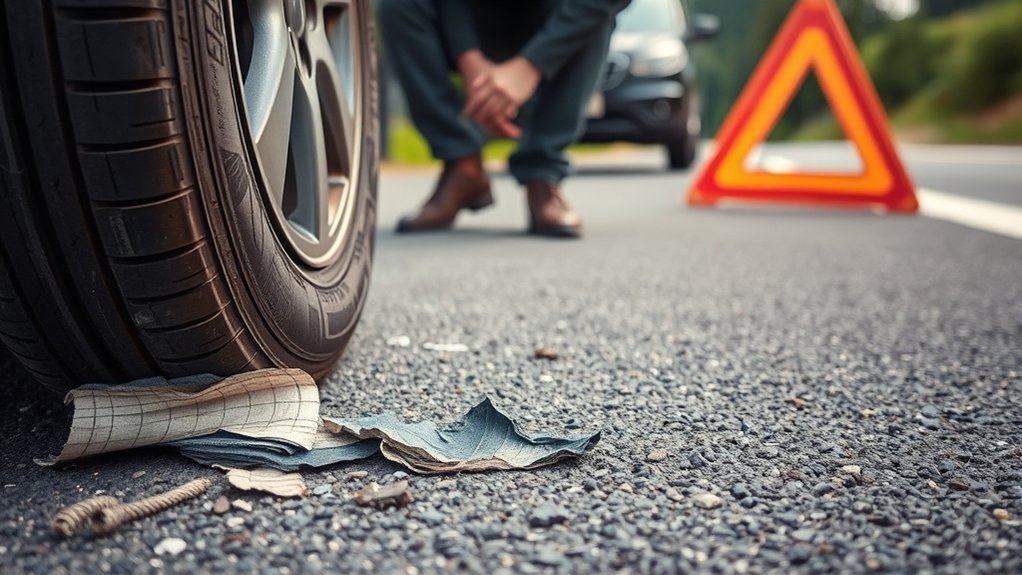
Tire separation happens when the tread, belt, or internal tire layers start pulling apart from the casing. It can begin quietly with vibration, thumping, bulges, uneven wear, or slow air loss, then turn into a sudden loss of control if you keep driving. The safest response is to stay calm, slow down smoothly, pull off the road when it is safe, and have the tire replaced or professionally inspected before driving again.
Quick Answer
Tire separation is usually caused by heat, underinflation, overloading, impact damage, poor repairs, tire age, worn tread, or a manufacturing defect. Warning signs include vibration, thumping, bulges, uneven tread, exposed cords, or air loss. If it happens while driving, do not slam the brakes. Keep control, slow gradually, pull over safely, and call for help.
Key Takeaways
- Tire separation means the tread, belt, or internal layers are no longer bonded the way they should be.
- Common causes include underinflation, heat buildup, overloading, pothole impact, old tires, worn tread, poor repair work, and manufacturing defects.
- Warning signs include vibration, rhythmic thumping, steering pull, bulges, cuts, uneven wear, exposed cords, or sudden pressure loss.
- A separated tire is not safe to keep driving on and usually needs replacement, not a simple plug or patch.
- Monthly pressure checks, tread checks, rotation, alignment, load control, and recall checks lower your risk.
At a Glance
| Time Required | 5 to 10 minutes for a safe roadside visual check after stopping; same-day service for professional inspection or replacement in many cases. |
| Difficulty | Safety-critical. You can inspect visible damage, but a tire shop should confirm whether the tire, wheel, suspension, or bodywork was damaged. |
| Tools Needed | Hazard lights, phone, camera, flashlight, gloves, tire pressure gauge, and roadside assistance contact. Do not work near traffic if the shoulder is unsafe. |
| Cost | Varies by tire size, vehicle, labor, warranty, and damage. A separated tire normally needs replacement rather than repair. |
What Is Tire Separation?
Tire separation is a structural tire failure. It happens when the tread, steel belt, or internal rubber layers lose adhesion and begin pulling away from the tire casing. You may hear people call it tread separation, belt separation, detreading, or a blowout, but these terms are not always identical.
Tread separation usually means the outer tread starts lifting or peeling away. Belt separation means the internal belt package is coming apart. A blowout is a rapid loss of air pressure that can make the vehicle hard to control. Separation can cause a blowout, but a tire can also separate before it loses all air.
NHTSA reported 511 traffic fatalities in tire-related crashes in 2024, which is why vibration, bulges, air loss, and tread damage should never be ignored.
What Causes Tire Separation?
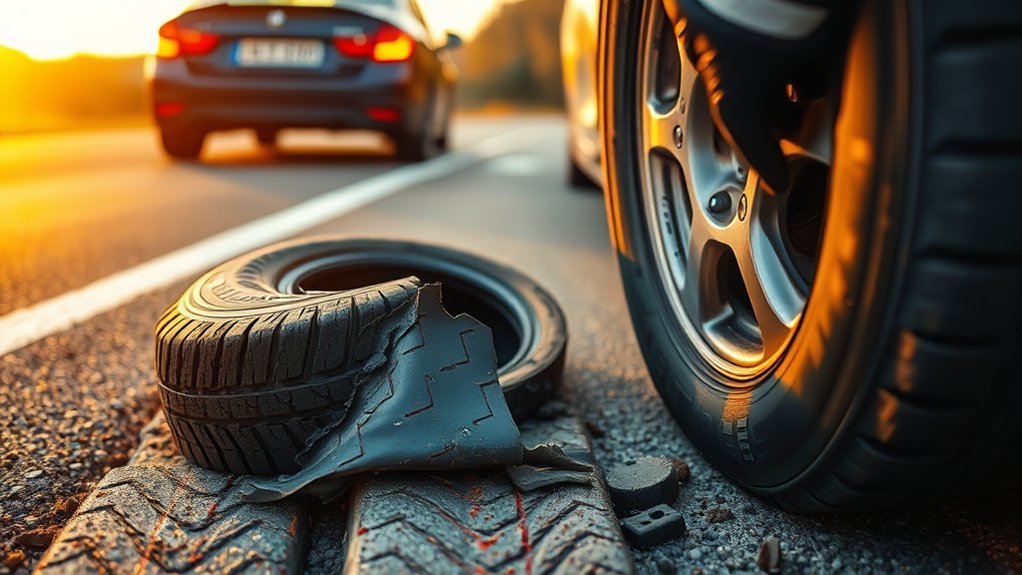
Tire separation can start from several problems, and more than one may be present at the same time. A manufacturing defect, such as contamination, poor curing, or weak bonding, can reduce strength from the start. Still, many separations are linked to service conditions after the tire is installed, including low pressure, overloading, road impacts, heat, old age, worn tread, or poor repairs.
Underinflation is one of the biggest preventable causes. When tire pressure is too low, the sidewall flexes more, the tire runs hotter, and the bond between the tread, belts, and casing is stressed. Sustained heat can deteriorate a tire and lead to blowouts or tread separation, according to NHTSA TireWise tire safety guidance.
Road damage can also start separation. A hard pothole hit, curb strike, or sharp object can bruise the internal structure even when the outside looks acceptable. If you later feel vibration, hear thumping, or see a bubble, treat the tire as unsafe until it is inspected.
Choosing properly sized, load-rated tires also matters. If your tires are not suited to the vehicle, climate, or load, they may run hotter and wear faster. Understanding the importance of choosing the right tires can help reduce problems linked to poor fit, weak traction, or premature wear.
What Are the Warning Signs of Tire Separation?
The warning signs of tire separation are usually felt, heard, or seen before the tire fails completely. Pay attention to any new vibration, thumping, steering pull, wobble, bulge, uneven wear, exposed cord, cracking, or pressure loss. If the problem gets worse as speed increases, stop driving as soon as it is safe.
Regular inspections are important because tire tread wear can hide deeper problems until the tire is under load at speed.
Strange Vibrations at Speed
Strange vibration at highway speed can be an early sign that the tire is no longer round or that the tread is beginning to distort. You may feel pulsing through the steering wheel, seat, floor, or brake pedal. If the vibration grows with speed, do not assume it is only a balance issue.
Pull over when safe and inspect the tire from a safe position away from traffic. Look for bulges, raised tread, wavy tread blocks, sidewall bubbles, cuts, exposed cords, or one section that looks taller than the rest. If anything looks abnormal, install the spare only if you can do it safely, or call roadside assistance.
Loud Thumping or Noise
A rhythmic thump can mean a high spot, separated tread section, or damaged belt is hitting the pavement or wheel well with each rotation. The sound may start softly, then become louder as the tire heats up or speed increases.
- Listen for a sudden thump after a previously smooth ride.
- Watch for vibration that matches the thumping pattern.
- Check for bulges, loose tread, missing tread chunks, or exposed steel belts.
- Stop driving if the tire shape looks distorted.
If the sound is strong enough to feel through the steering or seat, the tire may be close to failure. Do not drive farther than necessary to reach a safe stopping place.
Warning: Do not keep driving on a tire that is thumping, bulging, shedding tread, or losing air. The tire can fail suddenly and damage the wheel, fender, brake lines, suspension, or nearby body panels.
Can Underinflation Cause Tire Separation?
Yes, underinflation can cause tire separation by increasing flexing and heat inside the tire. The lower the pressure falls below the vehicle maker’s specification, the harder the sidewall and belt package must work. That extra movement creates heat, weakens internal bonds, and raises the chance of tread or belt separation.
Use the cold tire pressure listed on the driver-side door placard or in the owner’s manual, not the maximum pressure molded on the tire sidewall. NHTSA recommends checking all tires, including the spare, at least once a month when the tires are cold, meaning the vehicle has not been driven for at least three hours.
A tire pressure monitoring system helps, but it is not a replacement for manual checks. NHTSA notes that underinflated tires can be visually hard to detect and that TPMS is not a substitute for regular tire maintenance. If your TPMS light comes on, check pressure as soon as possible and inspect for punctures, valve leaks, or tire damage.
Maintaining proper pressure also supports tire longevity and performance, especially on long trips, hot days, and loaded vehicles.
Pro Tip: Check pressure before the first drive of the day. If you must add air to a warm tire because it is low, recheck it later when the tire is cold and adjust it to the placard pressure.
How Do Flat Repairs Lead to Tire Separation?
A poor flat repair can lead to tire separation when it seals the air leak but leaves internal damage untreated. This can happen after driving on a flat, using an improper plug-only repair, repairing a puncture outside the repairable tread area, or failing to remove the tire from the wheel for internal inspection.
A safe repair depends on the tire’s condition, puncture location, puncture size, and whether the tire was driven while low or flat. Sidewall damage, shoulder damage, exposed cords, run-flat damage, bubbles, and tread separation are replacement issues. A separated tire is not a safe candidate for a simple patch or plug.
- Check for vibration, air loss, or bulges after any repair.
- Ask whether the tire was removed from the wheel and inspected inside.
- Replace tires with sidewall damage, repeated punctures, exposed cords, or signs of separation.
- Keep the receipt and warranty details if the tire fails soon after service.
Poor repair work can be especially risky on tires with deeper voids or aggressive tread designs, because damage may be harder to see from the outside.
Note: If a tire was driven while flat or severely underinflated, internal sidewall damage may not be visible from the outside. Have the tire removed from the wheel before deciding whether it can be repaired.
Why Do Worn Tires and Rough Driving Fail?
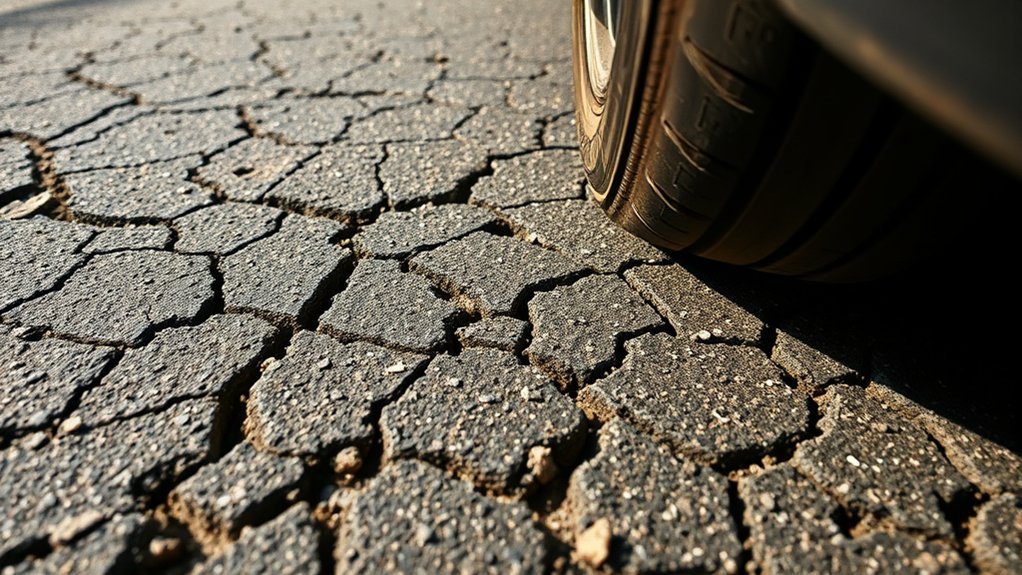
Worn tires fail more easily because they have less tread depth, less heat margin, and less ability to move water away from the contact patch. Rough driving adds stress through hard braking, sharp cornering, rapid acceleration, pothole impact, and heavy loads. When wear, heat, and impact damage combine, separation risk rises.
Durable all-season tires can help with everyday performance, but no tire is safe if it is underinflated, overloaded, damaged, or worn past its service limit.
Tire Wear Limits
Tread depth matters more than mileage alone. NHTSA says tires are not safe and should be replaced when the tread is worn down to 2/32 of an inch. You can also use built-in treadwear indicators. When the tread is level with those raised bars, it is time to replace the tire.
- Replace tires with exposed cords, bubbles, cuts, cracking, or tread lifting.
- Check tread depth monthly when you check pressure.
- Look for uneven wear, which may point to alignment, rotation, suspension, or inflation problems.
- Do not rely only on mileage because tire life varies by compound, load, heat, road surface, and driving style.
Rough Driving Damage
Aggressive braking, hard cornering, and fast launches overload the tread and belt package. Repeated abuse can raise tire temperature and increase flexing, especially if the tire is already low on pressure or worn unevenly.
| Behavior | Effect | Possible Result |
|---|---|---|
| Hard braking | Heat spike and flat spotting | Faster wear and vibration |
| Sharp turns | High side load | Shoulder wear and belt stress |
| Fast launches | Tread flex and heat | Premature tread fatigue |
| Pothole hits | Internal bruising | Bulges, belt damage, or air loss |
Smoother inputs, proper inflation, and regular rotation help the tire carry load evenly and reduce separation risk.
Separation Risk Factors
Tire separation risk climbs when several weak points stack together. A tire that is old, underinflated, overloaded, repaired poorly, and driven hard has much less safety margin than a properly inflated tire with even tread and no damage.
- Heat: Long highway drives, hot pavement, low pressure, and heavy loads raise operating temperature.
- Age: Rubber changes over time, even if tread remains.
- Low pressure: Extra flexing weakens the tire structure.
- Overloading: Too much weight strains the casing and sidewall.
- Impact damage: Potholes, curbs, and debris can bruise internal belts.
- Poor repair: A bad repair can seal air while hiding internal damage.
- Manufacturing defect: Weak bonding or contamination can make a tire fail earlier than expected.
How Does Tire Age Affect Separation Risk?
Tire age matters because rubber and internal materials change over time. Heat, sunlight, storage conditions, low use, and poor maintenance can all speed aging. NHTSA says some vehicle and tire manufacturers recommend replacing tires that are six to 10 years old, regardless of treadwear.
You can check tire age by reading the DOT Tire Identification Number on the sidewall. The last four digits show the week and year of manufacture. For example, 2523 means the tire was made in the 25th week of 2023. Check both sides of the tire because the full code may appear on only one side.
Older tires deserve extra attention on vehicles that sit for long periods, including trailers, collector cars, RVs, and low-mileage vehicles. Even if the tread looks deep, replace tires that show cracks, sidewall checking, bulges, repeated pressure loss, or vibration.
What Should You Do After Tire Separation?
If the tire separates while you are moving, your first job is to keep the vehicle stable. Do not slam the brakes, jerk the wheel, or make a sudden lane change. Hold the steering wheel with both hands, ease off the accelerator, correct gently, and move toward the shoulder only when you can do so safely. NHTSA gives similar guidance for blowouts: keep the vehicle balanced, gradually release the accelerator, stabilize the vehicle, and pull off the road when safe.
- Stay calm and hold the wheel firmly. Expect vibration, noise, or pulling.
- Ease off the accelerator. Let the vehicle slow gradually.
- Avoid hard braking. Brake gently only after the vehicle is stable and slower.
- Turn on hazards. Signal your move to the shoulder or a safe exit.
- Stop in the safest available place. Choose a wide shoulder, parking lot, or exit ramp if possible.
- Inspect from a safe position. Do not stand close to traffic.
- Photograph the damage. Capture the tread, sidewall, DOT code, wheel, fender, and road location.
- Call roadside assistance or a tire professional. Do not continue on a separated tire.
If the separation caused a crash, report the incident to local authorities and exchange information with other drivers. Preserve the tire if a warranty, insurance claim, or defect complaint may be involved.
If you suspect a defect, check for tire recalls through the NHTSA recall lookup tool. NHTSA also allows drivers to file a safety complaint when a vehicle, tire, car seat, or equipment problem could be a safety defect. Complaints can help NHTSA identify patterns that may lead to investigations or recalls.
Season and road conditions matter too. Using appropriate winter tires in cold, snow, or ice can improve traction, but they still need proper inflation, age checks, and tread inspection.
How Can You Prevent Tire Separation?
You cannot prevent every defect or road hazard, but you can reduce the most common separation risks with consistent maintenance.
- Check pressure monthly: Use a gauge when tires are cold and follow the door-jamb placard.
- Inspect tread monthly: Replace tires at 2/32 inch, at the wear bars, or sooner if traction is poor.
- Rotate on schedule: Follow the owner’s manual or tire maker’s guidance.
- Fix alignment issues: Pulling, crooked steering, or uneven wear needs attention.
- Avoid overloading: Stay within the vehicle’s load rating and tire load rating.
- Slow down for potholes: Impact damage can start internal belt problems.
- Use proper repairs only: Do not rely on a quick plug if the tire needs internal inspection.
- Check tire age: Read the DOT date code and follow vehicle or tire maker replacement guidance.
- Watch TPMS alerts: Treat the light as urgent, but still do manual checks.
- Check recalls: Search tires through NHTSA if you suspect a defect or receive a recall notice.
Frequently Asked Questions
Can I drive on a separated tire?
No. You should not keep driving on a separated tire. It can lose air, shed tread, damage the vehicle, or cause loss of control. Slow down smoothly, pull over when safe, turn on your hazards, and call roadside assistance or install the spare only if you can do it safely away from traffic.
How much does it cost to fix a separated tire?
A separated tire usually cannot be safely fixed. It normally needs replacement. Your total cost depends on tire size, speed rating, load rating, installation, balancing, TPMS service, taxes, and warranty coverage. Also ask the shop to inspect the rim, suspension, brake lines, and bodywork if the tread came apart while driving.
What does a tire separation feel like?
It may feel like a vibration, hopping, wobble, steering shudder, pulling, or repeated thump that gets worse with speed. A front tire problem is often felt more through the steering wheel. A rear tire problem may feel more like shaking through the seat or body.
What are the symptoms of a separated tire?
Common symptoms include vibration, rhythmic thumping, steering pull, uneven tread, a bulge, a wavy tread surface, exposed cords, missing tread, sudden air loss, or a TPMS warning. If you notice these signs, reduce speed, stop safely, and have the tire inspected before driving farther.
Can a separated tire be patched?
No, not safely. A patch may seal a puncture in a repairable tread area, but separation is structural damage. Once tread, belts, or sidewall layers begin to separate, the tire should be replaced.
Can underinflation cause tread separation?
Yes. Underinflation makes the sidewall flex more and raises tire temperature. That heat and flexing can weaken the bond between the tread, belts, and casing. Check tire pressure monthly when tires are cold and use the pressure listed on the vehicle placard.
Conclusion
Tire separation is a serious warning that the tire’s internal structure is failing. Heat, low pressure, overloading, road impact, poor repairs, aging, worn tread, and manufacturing defects can all contribute. If you feel vibration, hear thumping, see a bulge, or notice missing tread, stop driving as soon as it is safe. Keep your tires inflated to the vehicle placard pressure, inspect tread and sidewalls monthly, replace damaged or aged tires, and use NHTSA recall and complaint tools when you suspect a defect.
Sources
- NHTSA TireWise Tire Safety Ratings and Awareness — tire pressure, tread depth, tire aging, TPMS, heat, blowouts, and maintenance guidance.
- NHTSA Recalls — tire recall lookup, complaint process, defect investigations, and recall remedies.
- NHTSA Report a Safety Problem — how drivers can report possible vehicle, tire, car seat, or equipment safety defects.
- NHTSA Tire Blowout Guidance — safe vehicle-control steps during sudden tire failure.

Related Articles

How to Pass Your Driving Test the First Time
Uncover simple driving test strategies that boost your chances of passing first time, and discover the one mistake most learners overlook.
Read More
How Long Can You Drive a Car Continuously?
Pushing your limits, discover how long you can really drive continuously before fatigue, vehicle stress, and safety risks change the answer.
Read More
Tire Tread Depth: How It Affects Grip and Safety
Tire tread depth shapes grip, braking, and wet-road safety, but the real warning signs and replacement timing may surprise you.
Read More