
Tubeless Sealant Guide: How It Works & 2–5 oz Tips
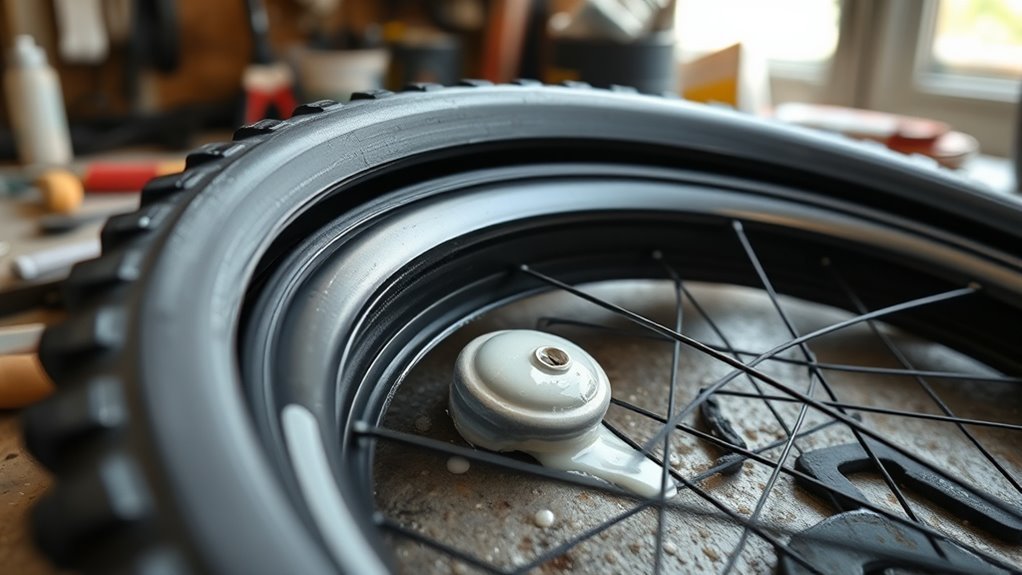
What Is Tubeless Sealant and Why It Matters
A tiny puncture can drain a tubeless tire before you even spot the hole. Tubeless sealant helps stop that leak from inside the tire, often while you keep riding. This guide explains what sealant does, how it plugs punctures, how to add it, and how to keep enough fresh sealant in your tire.
Quick Answer
Tubeless sealant is a liquid latex-based fluid that sits inside your tire and seals small leaks. When air escapes through a puncture, the sealant flows to the hole, carries sealing particles into the gap, and forms a flexible plug. You add it through the valve core, with an injector, or by opening part of the tire bead.
Key Takeaways
- Use tubeless sealant inside tubeless tires to help seal small punctures and bead leaks.
- Add sealant through the valve core, with an injector, or by pouring it into an unseated tire bead.
- Use about 2 ounces for many road tires and about 4 to 5 ounces for many gravel or mountain tires.
- Check sealant every 2 to 3 months because it can dry, clump, or lose sealing power.
- Choose larger-particle race sealants for bigger cuts, but expect more frequent maintenance.
Why Tubeless Sealant Matters
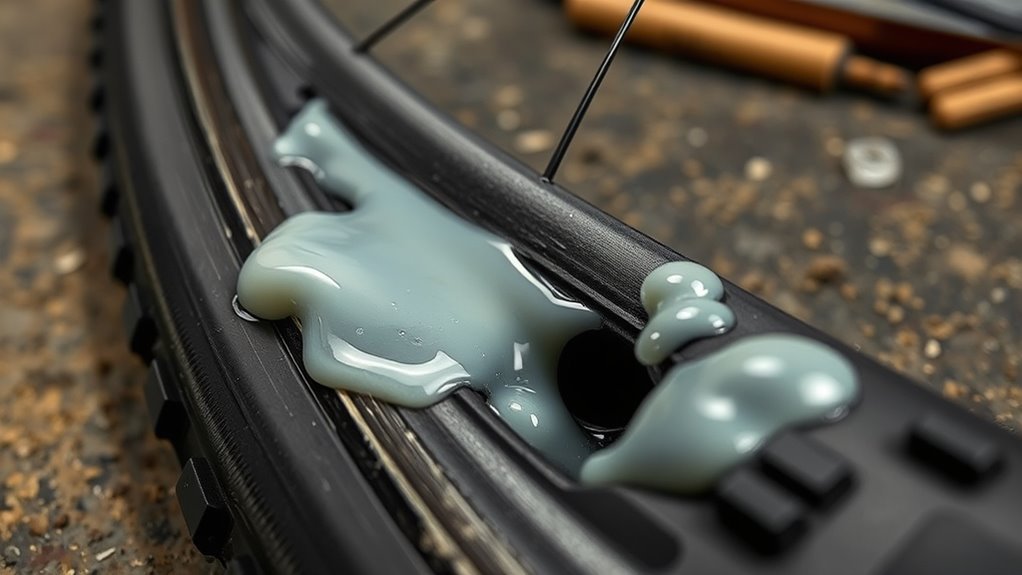
Think of tubeless sealant as an active internal patch. It’s a liquid compound, usually based on natural or synthetic latex, that flows into punctures and small bead gaps.
When the sealant meets escaping air, it starts to dry or coagulate. Suspended particles help build a flexible plug that slows or stops leaks and helps the tire hold pressure.
Sealant also helps fill tiny gaps at the tire bead and rim interface. That makes it a key part of most reliable tubeless setups, not just a flat repair aid.
How to Add and Spread Tubeless Sealant
Start with the method that fits your setup and tools. You can add sealant through the valve core, pour it through a partly unseated bead, or use a syringe-style injector.
Gather a valve core remover, a rag, and your measured sealant dose. Shake the bottle first so the particles mix back into the liquid.
- Remove the valve core if you plan to inject sealant through the valve.
- Attach the injector or squeeze bottle and push the measured amount into the tire.
- Pour sealant into the tire instead if your formula has large particles that may clog an injector.
- Reseat the bead carefully if you opened the tire to pour in sealant.
- Inflate the tire to seat the bead and build pressure.
- Rotate and rock the wheel so the liquid coats the inside of the tire and bead area.
Many road tires use about 2 ounces of sealant. Many gravel and mountain tires use about 4 to 5 ounces, but you should follow the tire and sealant maker’s guidance.
Pro tip: After inflation, hold the wheel flat on each side for a short time to help seal bead leaks.
[Products Worth Considering]

This 4-in-1 tire valve core removal tool helps you deflate, unblock, and remove or install valve cores quickly for easier tire repair. The multifunction design also supports re-taping damaged threads and reaming inside the valve stem for smoother service. Included as a 2-pack, it’s compact for convenient carry and works for cars, bicycles, and motorcycles.

This multi-function tire valve stem removal tool set makes it fast to remove, install, bleed, and clean valve cores for easier tire maintenance. It includes valve core removers, a 4-way spool tool, replacement valve caps, and spare cores to handle replacements and repairs with confidence. Universal compatibility suits cars, trucks, motorcycles, bicycles, and more for roadside convenience.

This 4-pack kit converts Presta bike valves to standard Schrader valves so you can inflate with any regular pump or air compressor. The solid brass adapters include an O-ring for a tight, leak-proof seal and provide a simple screw-on setup. Compatible with road bikes, mountain bikes, e-bikes, and e-scooters, it’s designed for convenient, everyday carry readiness.
How Sealant Plugs a Puncture
When a puncture opens, air pressure pushes sealant toward the leak. The liquid carries latex, rubber, or other sealing particles into the hole.
As air hits the sealant, the carrier starts to cure, dry, or coagulate. The particles interlock at the opening and form a flexible plug that helps stop air loss.
Wheel rotation also helps move sealant across the tire casing and toward the bead. Small pinholes often seal with fine latex blends, while larger cuts may need sealant with bigger particles.
Old sealant can’t flow or cure as well. If the tire keeps losing air, check whether the sealant has dried, separated, or formed clumps.
How Much Tubeless Sealant to Use
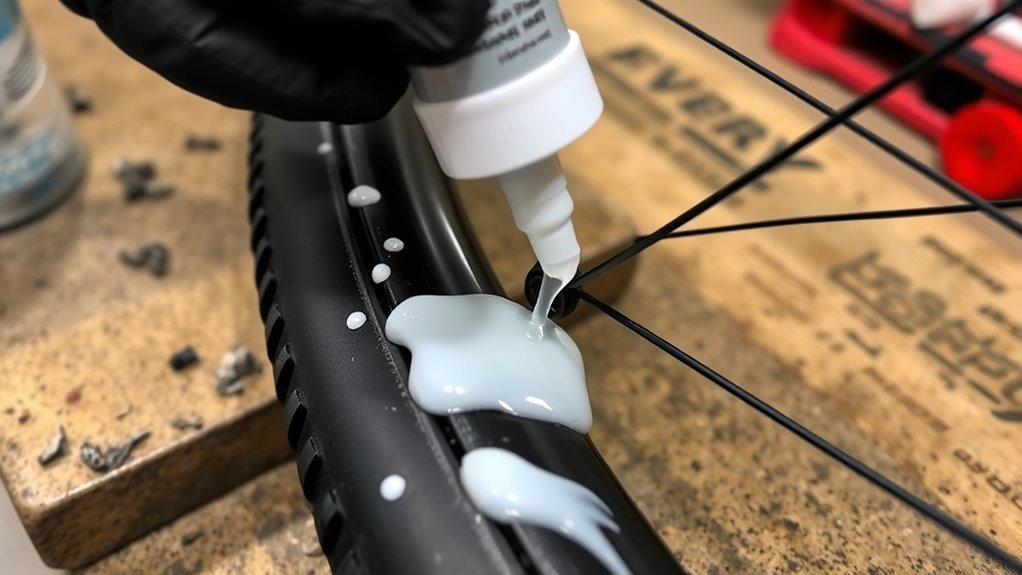
For a reliable tubeless setup, use enough sealant to coat the tire casing and seal small leaks. Many road tires need about 2 ounces, while many gravel and mountain tires need about 4 to 5 ounces of sealant.
New tires may absorb more sealant during the first setup. If the casing looks dry after setup, add a small top-up and spread it again.
Use tire size, riding conditions, and sealant type as your guide. Larger tires and porous casings usually need more fluid than narrow road tires.
When to Check and Top Up Tubeless Sealant
Check your sealant every 2 to 3 months. Hot weather, dry air, porous tire casings, and frequent punctures can shorten its life.
When topping off, add about 2 ounces for many gravel tires up to 2.5 inches. Tires from 2.5 to 2.8 inches may need about 3 to 4 ounces, and larger casings may need more.
If you hear no liquid when you shake the wheel, remove the valve core or open the bead to inspect the tire. Replace dried residue if it has built up inside the casing.
Warning: Don’t ride on a tire that keeps losing air after topping up because the puncture or bead may need repair.
How to Choose the Right Tubeless Sealant
Choose a formula that matches your riding style, tire size, and maintenance habits. General-purpose sealants balance sealing speed, flexibility, and service life.
Race sealants often use larger particles that can seal bigger punctures faster. They may also dry faster or clog injectors, so you may need to pour them through the bead.
| Situation | Recommendation |
|---|---|
| Racing | Choose a fast-curing sealant with larger particles |
| Gravel or mountain riding | Use about 4 to 5 ounces and a durable formula |
| Road riding | Use about 2 ounces and a low-weight formula |
| Low maintenance | Choose a longer-life sealant and check it on schedule |
| Quick puncture sealing | Use a sealant with stronger or larger sealing particles |
[Products Worth Considering]

This LUMITECO 33-inch air release extension hose set is designed to make tire inflating easier with a quick-lock air chuck and an air bleed button for fast deflation. The pack includes adapters for Presta (French/American) plus ball pump needle and additional nozzles for inflating bikes, tires, and everyday inflatables like sports balls and air beds.
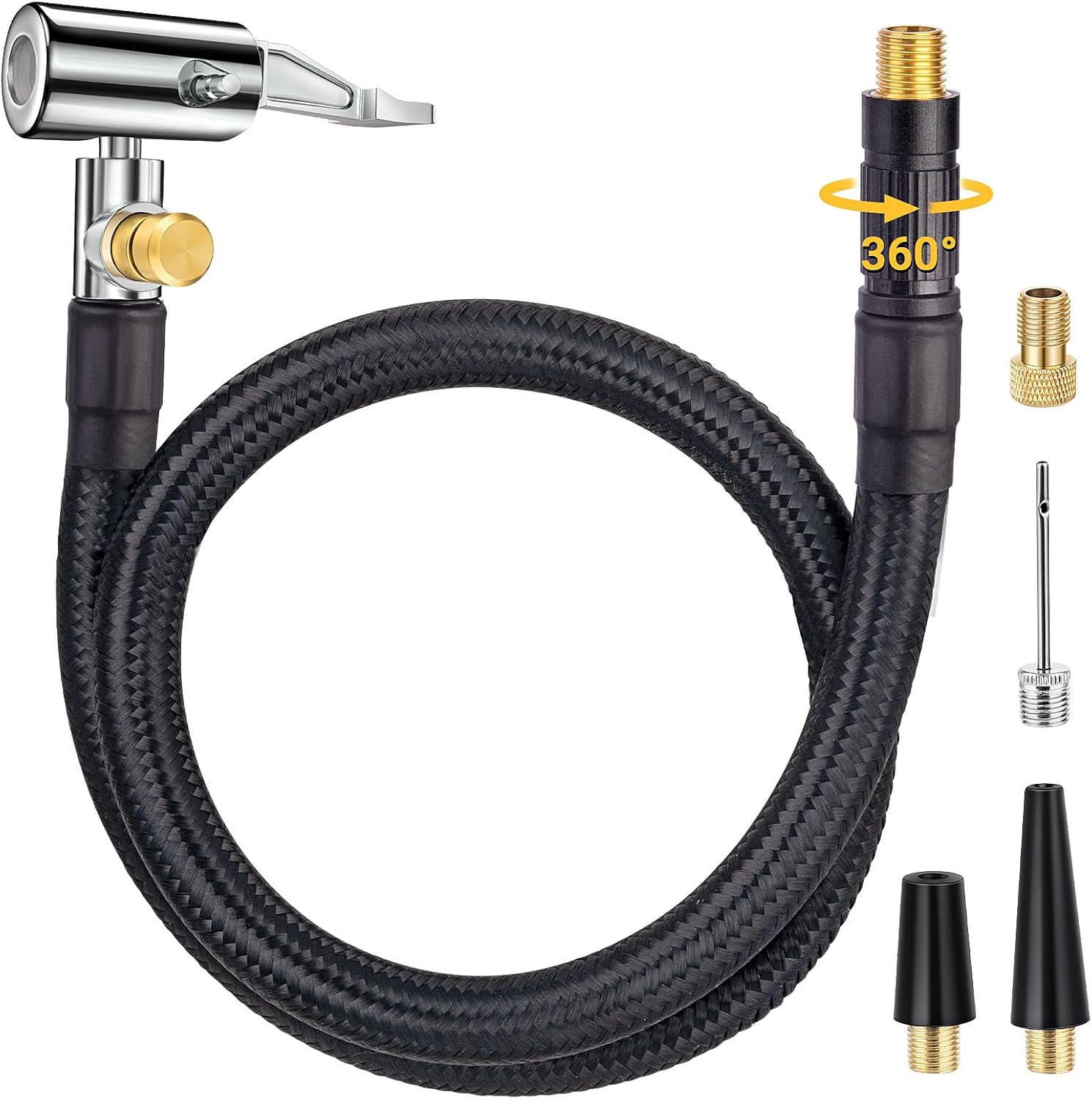
This LUMITECO tire inflator hose adapter kit features a 360-degree rotating end for easy positioning from any angle. It includes a self-locking air chuck with quick release to inflate or deflate with minimal hassle, plus universal adapters for Schrader/Presta and ball needle use. The strengthened nylon-wrapped rubber hose helps provide durable, secure connections for everyday inflation and emergencies.
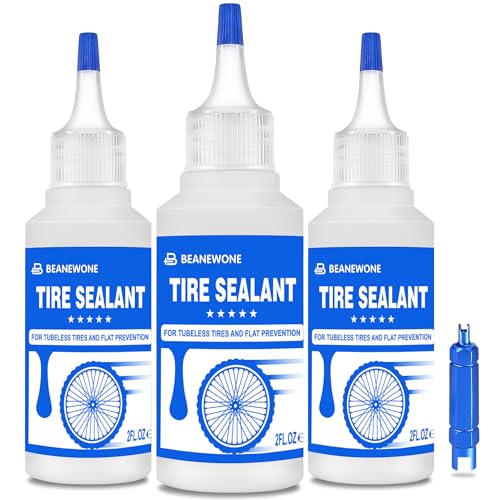
Outdoor Cycling Set - Includes 3x60ml long-lasting tubeless tire sealant and a stainless steel valve core removal tool. Compact design perfect for camping trips and outdoor cycling adventures
Common Tubeless Sealant Problems and Fixes
If your tire won’t seal, start with the simplest checks. Low sealant volume, dried sealant, a loose valve core, or an unseated bead often cause slow leaks.
- Slow bead leak: Inflate the tire, rotate the wheel, and lay each side flat to coat the bead.
- Clogged valve: Remove the valve core and clean away dried sealant.
- Sealant dries too fast: Check levels more often in hot or dry conditions.
- Cut won’t seal: Use a tire plug or boot if the hole exceeds what sealant can handle.
Sealant handles many small punctures, but it can’t fix every tire cut. Carry a plug kit or spare tube for larger damage on longer rides.
[Products Worth Considering]

【Car Emergency Kit】-- CKAuto Universal Tire Repair Kit includes T-handle Insertion Tool x 1, Insertion Tool Replacement x 1, T-handle Probe Spiral x 1, Probe Spiral Replacement x 1, 4" Repair Plugs x 20, Valve Stem Caps x 4, 4-Way Valve Stem Tool x 1, Jar of Lubricant x 1, "L" Hex Key x 1, Valve Cores x 4, Knife x 1, Bag x 1. Meet all your needs on tire repairing work totally.
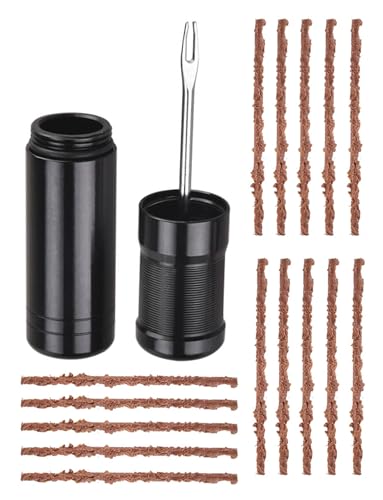
Universal Compatibility & Quick Repair: Works for MTB, road, hybrid, e-bike, cyclocross, gravel bikes & ATV; quickly repairs punctures/flats too big for tubeless sealant alternatives, getting you back to riding fast.

EASY TO REPAIR:Our bike tire repair kit can be quickly installed to repair holes. Simply flatten the puncture, insert a bacon strip, pump in air or CO2, and you're back on the road in minutes
Frequently Asked Questions
How Often Do You Need to Top Up Tubeless Sealant?
You should check and top up tubeless sealant every 2 to 3 months. Check more often in hot weather, with new tires, or after several punctures.
Can You Use a Tubeless Tire Without Sealant?
You can mount some tubeless tires without sealant, but you lose the main puncture-sealing benefit. Most riders use sealant because it helps stop small leaks and bead seepage.
What Happens If You Use Too Much Tubeless Sealant?
Extra sealant usually adds weight and can leave more dried residue inside the tire. A slight overfill may help with porous casings, but large excess amounts can make maintenance messier.
Why Does Tubeless Sealant Dry Out?
Sealant dries as air passes through the tire casing and as the liquid carrier evaporates. Heat, dry climates, porous tires, and frequent riding can speed up that process.
Keep Your Tubeless Sealant Ready
Tubeless sealant works best when you keep enough fresh liquid inside the tire. It coats the casing, fills small bead gaps, and forms plugs at many small punctures.
Check your tires on a regular schedule, top up when the liquid runs low, and clean out dried buildup when needed. Pick a sealant that fits your tire size, climate, and riding style so your tubeless setup stays ready for the next ride.

Related Articles
What Does THE P Stand For on a Tire? Full Meaning Explained
I’ll explain what the “P” on a tire really means and why it could change how you choose your next set.
Read More
How to Use a Tubeless Tire Repair Kit: Complete Field Guide
Learn how to fix tubeless tire punctures fast with the right kit, because one small mistake can leave you stranded on the trail.
Read More
How to Tell a Tire’s Diameter: Easy Guide to Reading Tire Size
Want to decode tire sidewall numbers and find the right diameter, but wonder what those hidden digits really mean?
Read More