
How Long Can You Drive on a Broken Tire Belt? Expert Safety Guide
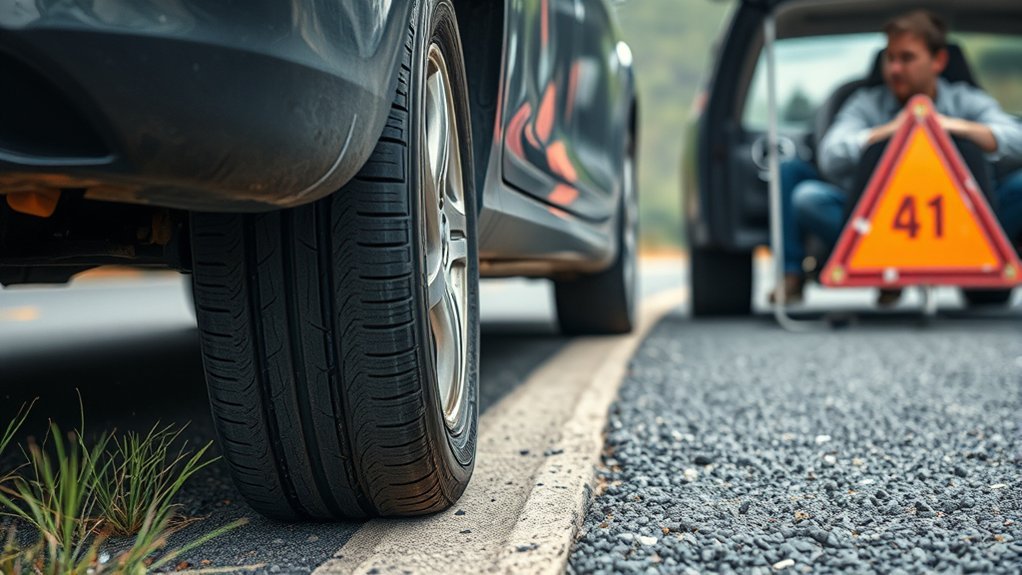
You should not drive normally on a broken tire belt or a tire that may have belt separation. The safest move is to slow down, get out of active traffic, and have the tire inspected or replaced before you continue. A broken belt can cause vibration, tread distortion, bulging, air loss, or a sudden blowout.
Quick Answer
No, you should not keep driving on a broken tire belt. If you feel strong vibration, hear thumping, see a bulge, or notice distorted tread, slow down carefully, pull over when safe, and use a spare tire or call roadside assistance. There is no safe mileage for a tire with suspected belt damage.
Key Takeaways
- A broken tire belt is a serious structural tire problem, not a normal puncture.
- Warning signs include steering-wheel vibration, rhythmic thumping, sidewall bulges, wavy tread, exposed cords, or uneven wear.
- Do not try to “nurse” the tire home. Use a spare, call roadside assistance, or have the vehicle towed.
- Most belt separation problems require tire replacement, not repair.
- Monthly pressure, tread, damage, load, alignment, and age checks can lower the risk of tire failure.
Warning: If the vehicle starts shaking, pulling, or thumping while you drive, do not brake hard or make a sharp steering move. Hold the wheel firmly, ease off the accelerator, slow down gradually, and pull off the road where it is safe.
At a Glance
| Urgency | Stop driving as soon as it is safe. Do not continue a trip on the damaged tire. |
| Difficulty | Easy visual check, but diagnosis and replacement should be handled by a tire professional. |
| Tools Needed | Flashlight, tire pressure gauge, spare tire kit if safe to use, and roadside assistance if needed. |
| Likely Cost | Usually the cost of a replacement tire, mounting, balancing, and possibly towing if the tire is unsafe to drive on. |
How Dangerous Is a Broken Tire Belt?
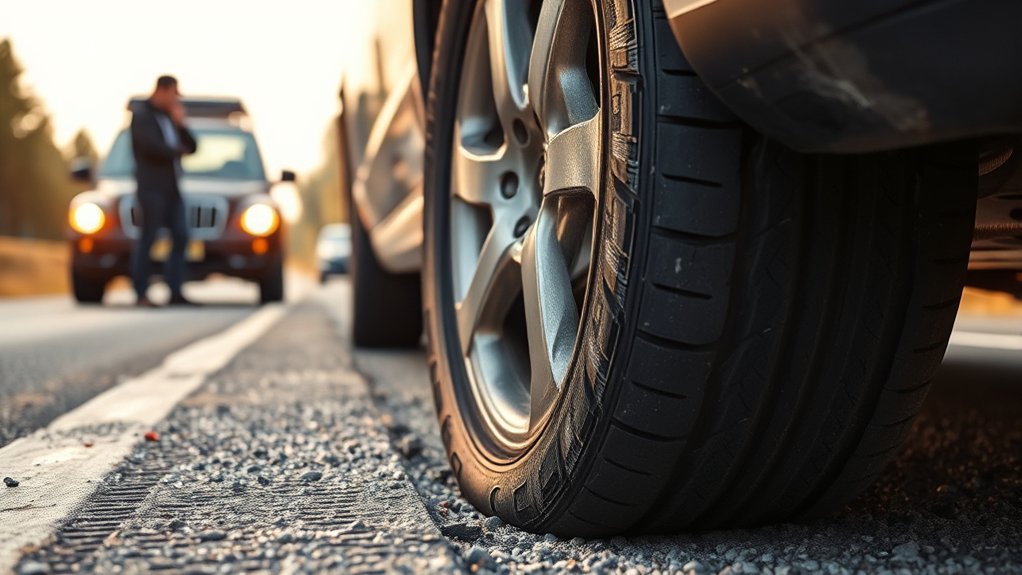
A broken tire belt is dangerous because the tire’s internal structure is no longer working as designed. Modern radial tires use internal belts to help stabilize the tread. When those belts separate, shift, or break, the tire may no longer stay round under load.
That can cause the tire to shake, pull, heat up, lose air, or separate further. At speed, the risk becomes more serious because a failing tire can make the vehicle harder to control. The safest assumption is simple: if you suspect belt damage, treat the tire as unsafe until a qualified tire technician checks it.
NHTSA reports that 511 people died in tire-related crashes in 2024, which is why tire damage, vibration, bulges, and pressure problems should be handled right away.
[Products Worth Considering]

EVOULTES heavy duty tire inflator with an integrated gauge delivers accurate pressure readings from 10–120 PSI, helping you inflate, deflate, and check tires in one tool. The 16.5-inch extended dual-head air chuck with swivel base reaches hard-to-access dual wheel valves on trucks and RVs. A brass trigger core and side-mounted air release valve make operation smooth, with standard 1/4" NPT threading and quick-connect compatibility for easy setup.

This VEVOR tire bead breaker uses a slide-hammer impact and wedge tip to separate tire beads from rims quickly and efficiently without damaging hub surfaces. The long handle and sturdy steel construction help reduce user strain while providing reliable, portable tire changing for cars, trucks, and more. Ideal for home mechanics and repair shops handling multiple vehicle tire sizes.
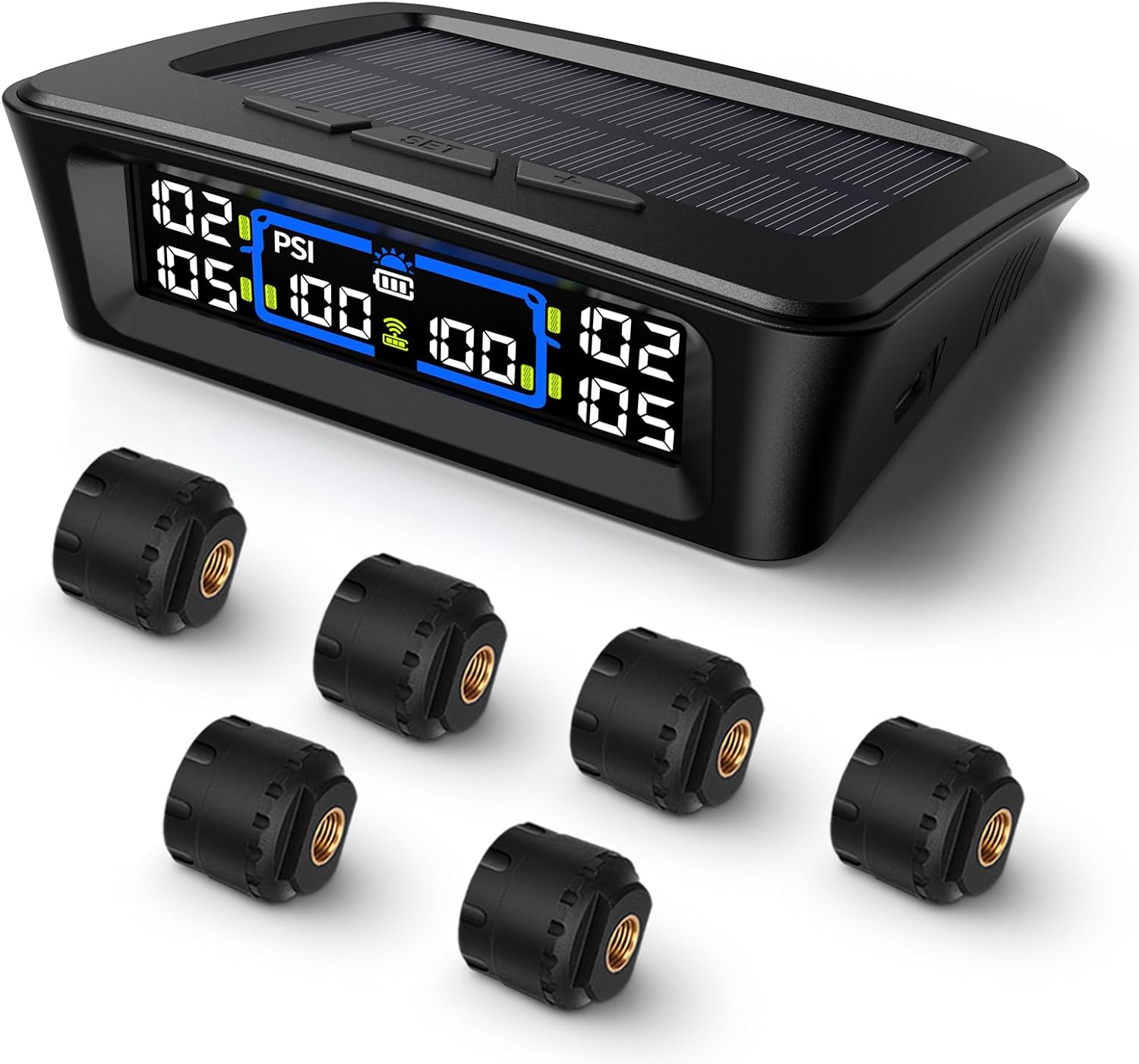
The Tymate TM12 RV TPMS delivers real-time tire pressure and temperature monitoring with a stable 433Hz display for safer long-distance driving. It supports simultaneous monitoring across vehicle and trailer zones, includes six alarm modes for pressure, temperature, leakage, battery, and signal loss, and features easy DIY installation with auto calibration. Power is supplied via USB-C charging or solar recharging, with a wide 0–144 PSI range and up to 50 ft signal coverage for RVs and towable trailers.
What a Broken Tire Belt Means
A broken tire belt usually means the tire has internal separation or structural damage. This is different from a nail hole in the tread. A simple puncture may sometimes be repairable if it is small, centered in the tread, and inspected from inside the tire. Belt damage is different because the tire’s reinforcing layers may be damaged or separating.
You may not always see the damaged belt from the outside. Sometimes the first clue is a vibration that remains after balancing, a thumping sound that changes with speed, or a tread area that looks higher, lower, or wavy compared with the rest of the tire.
Signs of a Broken Tire Belt
If you suspect belt damage, look and listen for these warning signs:
- Steering-wheel vibration: A broken belt can make the tire roll unevenly, especially at higher speeds.
- Rhythmic thumping: A separated tread area may hit the road unevenly with each rotation.
- Vehicle pulling: The car may drift or pull to one side even when tire pressure seems normal.
- Bulging sidewall: A bulge can signal internal structural damage and should be treated as urgent.
- Wavy or distorted tread: The tread may look raised, dipped, or out of round.
- Uneven or sudden wear: One patch or band may wear faster than the rest of the tire.
- Visible cords, cracks, or cuts: Exposed internal material means the tire should not be trusted.
- Repeated pressure loss: A damaged tire may fail to hold pressure even if no nail is visible.
Note: Tire pressure alone does not prove a tire is safe. A tire with belt separation can still hold air for a while, yet remain unsafe to drive on.
Why Tire Belts Break
Tire belts usually fail because repeated stress, heat, impact, aging, poor maintenance, or a defect weakens the tire’s internal bond. Common causes include:
- Pothole or curb impact: A hard hit can damage the tire’s internal layers even if the outside looks normal at first.
- Underinflation: Low pressure makes the tire flex more, which can increase heat and stress inside the tire.
- Overloading: Carrying more weight than the tire or vehicle is rated for can strain the tire structure.
- Heat and high-speed driving: Heat can speed up tire breakdown, especially when pressure or load is wrong.
- Poor alignment or balance: Irregular wear and vibration can worsen stress on the tire.
- Aging: Rubber and internal tire materials change over time, even when tread looks acceptable.
- Manufacturing or recall issues: Some tires may be subject to defects or safety recalls.
Proper tire maintenance can lower the risk of belt failure. NHTSA’s TireWise tire safety guidance recommends regular pressure, tread, damage, rotation, balance, and alignment checks.
What to Do After a Broken Tire Belt
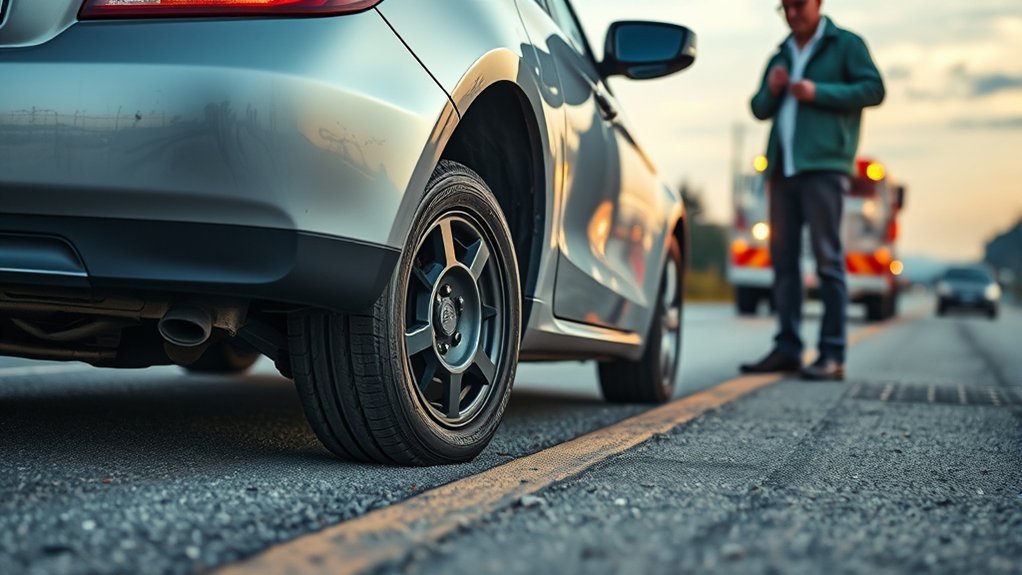
Once you suspect a broken tire belt, your goal is to stop using that tire without creating a bigger roadside risk.
- Stay calm and keep the vehicle steady. Hold the steering wheel with both hands.
- Ease off the accelerator. Avoid hard braking unless you must stop to avoid a crash.
- Move out of traffic when safe. Pull onto a shoulder, parking lot, or side street if possible.
- Turn on hazard lights. Make yourself visible to other drivers.
- Inspect from a safe location. Do not stand close to traffic to check a tire.
- Look for bulges, tread distortion, exposed cords, cracks, or uneven wear.
- Use a spare only if it is safe and properly inflated. Follow your owner’s manual for speed and distance limits.
- Call roadside assistance or a tow truck if you are not sure. A tow is safer than driving on a tire that may separate.
Pro Tip: Take a few photos of the tread, sidewall, DOT tire identification number, and the damaged area before the tire is replaced. This can help with warranty, recall, or service questions.
Can a Broken Tire Belt Be Repaired?
Usually, no. A broken belt or belt separation is structural tire damage. It is not the same as a clean puncture in the repairable tread area. If the belt has shifted, separated, or broken, the tire can no longer be trusted to carry the vehicle safely.
A tire shop may inspect the tire from the outside and inside, but visible bulging, exposed cords, separated tread, or continued vibration usually means the tire needs replacement. Do not rely on sealant, plugs, or air pressure to solve a broken belt problem.
When You Need a New Tire
You need a new tire right away if you see or feel any sign that the tire’s structure has failed. Replace the tire instead of driving on it if you notice:
- Sidewall bulging or a bubble
- Exposed cords or steel belts
- Tread separation or a raised tread section
- Deep cracks, cuts, or impact damage
- Vibration or thumping that remains after pressure is corrected
- Air loss that keeps returning
- Tread worn to 2/32 inch or level with the treadwear indicators
Age matters too. NHTSA notes that some vehicle and tire manufacturers recommend replacing tires that are six to 10 years old, regardless of treadwear. Check the DOT tire identification number on the sidewall to find the tire’s manufacture week and year.
[Products Worth Considering]

This car emergency kit keeps essential roadside tools organized in a durable, portable bag so you can respond quickly during common driving emergencies. It includes battery jumper cables, a bright LED headlight, first aid supplies, a tire pressure gauge, and safety essentials like gloves and an emergency poncho. Designed for trunk or storage use, it helps you be prepared for dead batteries, minor malfunctions, and unexpected roadside issues.

This roadside assistance kit helps drivers and passengers in urgent situations after an accident or breakdown, providing practical support while waiting for help. It includes a lightweight, compact tire inflator for fast inflation of standard vehicle tires, plus reinforced jumper cable protection for safer handling. Ideal for winter weather, road trips, camping, and travel, with everything stowed neatly in a trunk bag.
How to Check the Tire Safely
Only inspect the tire when the vehicle is parked in a safe place away from traffic. Use a flashlight and walk around the tire slowly. Do not crawl under the vehicle on the roadside.
- Check the sidewall for bubbles, cuts, cracks, or scuffed impact marks.
- Look across the tread from several angles to spot waves, raised areas, or dips.
- Run your hand lightly over the tread only if there are no exposed cords or sharp debris.
- Compare the suspicious tire with the tire on the opposite side of the same axle.
- Check pressure when the tire is cold if it is safe to do so.
- Look up the DOT tire identification number if you want to check age or recalls.
If the tire looks distorted, makes noise, or causes vibration, stop the inspection and arrange service. A professional can remove the tire from the wheel and inspect it more thoroughly.
Check Recalls and Report Safety Problems
If the tire failed suddenly, showed unusual separation, or seems defective, check whether it is covered by a safety recall. NHTSA lets drivers search for tire recalls and safety issues by tire, vehicle, equipment, or NHTSA ID.
You can also file a tire safety complaint with NHTSA if you believe the tire failure may be due to a defect. Complaints can help investigators identify patterns that may lead to a recall.
How to Prevent Tire Belt Separation
You cannot prevent every tire failure, but routine checks can reduce risk. Build these habits into your maintenance routine:
- Check tire pressure monthly. Use the pressure listed on the driver’s door placard or owner’s manual, not the maximum pressure molded on the tire.
- Check pressure when tires are cold. A cold tire has usually been parked for at least three hours.
- Inspect tread and sidewalls monthly. Look for cuts, cracks, bulges, exposed cords, and uneven wear.
- Replace tires at 2/32 inch tread depth. Do it sooner if traction is poor or damage is visible.
- Rotate tires as recommended. NHTSA says some vehicles may use 5,000 to 8,000 miles if the manufacturer recommends that interval.
- Fix alignment or balance problems. Shaking, pulling, or uneven wear can point to a tire or suspension issue.
- Avoid overloads. Match tire size and load rating to the vehicle’s requirements.
- Slow down for potholes and road debris. A hard impact can damage the inside of a tire before symptoms appear.
- Check tire age. Find the DOT tire identification number and follow your vehicle and tire manufacturer’s replacement guidance.
- Compare tire ratings when buying replacements. NHTSA’s Consumer Guide to Uniform Tire Quality Grading explains treadwear, traction, and temperature grades.
Frequently Asked Questions
Is it safe to drive on a tire that has a broken belt?
No. A tire with a broken belt or suspected belt separation should be treated as unsafe. Drive only far enough to move out of active traffic if you are already on the road, then use a spare, call roadside assistance, or have the vehicle towed.
What causes tire belts to break?
Common causes include pothole hits, curb impacts, underinflation, overloading, heat, aging, poor alignment, poor balance, and manufacturing defects. Sometimes more than one factor is involved, such as an older tire that is also underinflated and driven at highway speed.
How long will a tire last with a broken belt?
There is no safe or reliable mileage. A tire with belt damage can get worse quickly and may fail without warning. Do not plan to drive home, to work, or to a distant shop on that tire. Stop safely and arrange replacement or towing.
Can a pothole break a tire belt?
Yes. A hard pothole hit can damage the tire’s internal structure, bend a wheel, or knock the vehicle out of alignment. If vibration, pulling, bulging, or pressure loss starts after an impact, have the tire and wheel inspected before you keep driving.
Can a tire shop see a broken belt?
Often, yes. A technician may spot bulges, tread distortion, exposed cords, uneven runout, or internal damage after removing the tire from the wheel. Some belt problems are hard to see from the outside, so symptoms like vibration and thumping matter.
Should I replace one tire or all four?
It depends on your vehicle, drivetrain, tread depth, and tire condition. Some all-wheel-drive vehicles need closely matched tires. Ask the tire shop to compare tread depth and check your owner’s manual before replacing only one tire.
Conclusion
A broken tire belt is not a minor problem. If you feel vibration, hear thumping, see a bulge, or notice wavy tread, stop driving as soon as you can do so safely. The tire may still hold air, but that does not mean it is safe.
Your safest move is to use a good spare, call roadside assistance, or tow the vehicle to a tire shop. Replace the tire if belt damage, tread separation, exposed cords, or sidewall bulging is confirmed. After the repair, check the other tires for age, pressure, tread depth, and impact damage so the same problem does not catch you by surprise again.
Sources
- NHTSA TireWise — tire maintenance, tread depth, tire aging, blowout response, TPMS, and 2024 tire-related fatality data.
- NHTSA Recalls — tire recall and safety issue lookup.
- NHTSA Report a Safety Problem — how tire safety complaints can support defect investigations.
- NHTSA Consumer Guide to Uniform Tire Quality Grading — treadwear, traction, and temperature rating guidance.

Related Articles

How to Drive on Black Ice: Winter Safety Tips
Protect yourself on black ice with smart winter driving tips that could keep your car steady when the road turns dangerously invisible.
Read More
How to Pass Your Driving Test the First Time
Uncover simple driving test strategies that boost your chances of passing first time, and discover the one mistake most learners overlook.
Read More
How Long Can You Drive a Car Continuously?
Pushing your limits, discover how long you can really drive continuously before fatigue, vehicle stress, and safety risks change the answer.
Read More