
Why Put a Plastic Bottle on Your Tire? The Viral Trick Explained
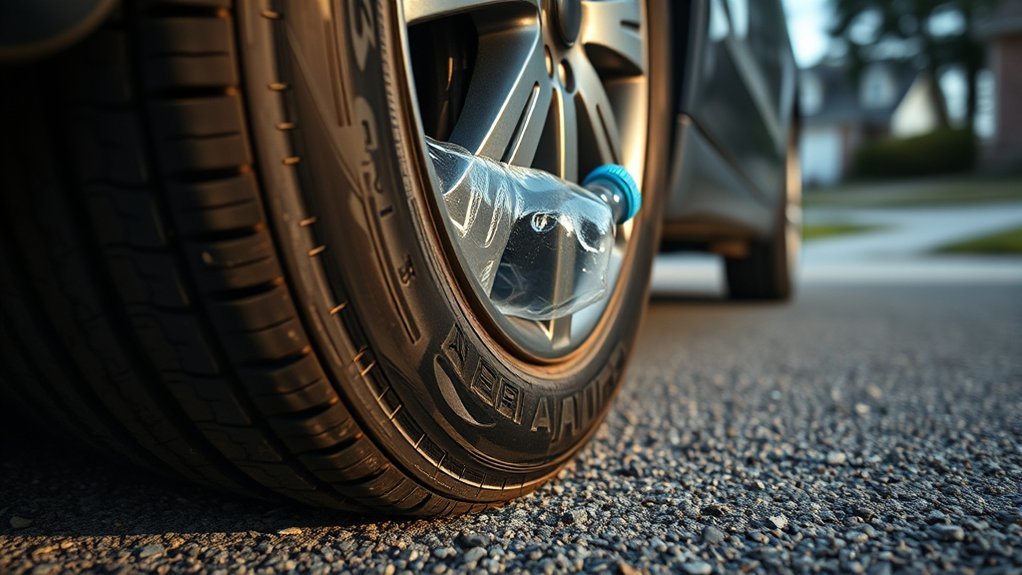
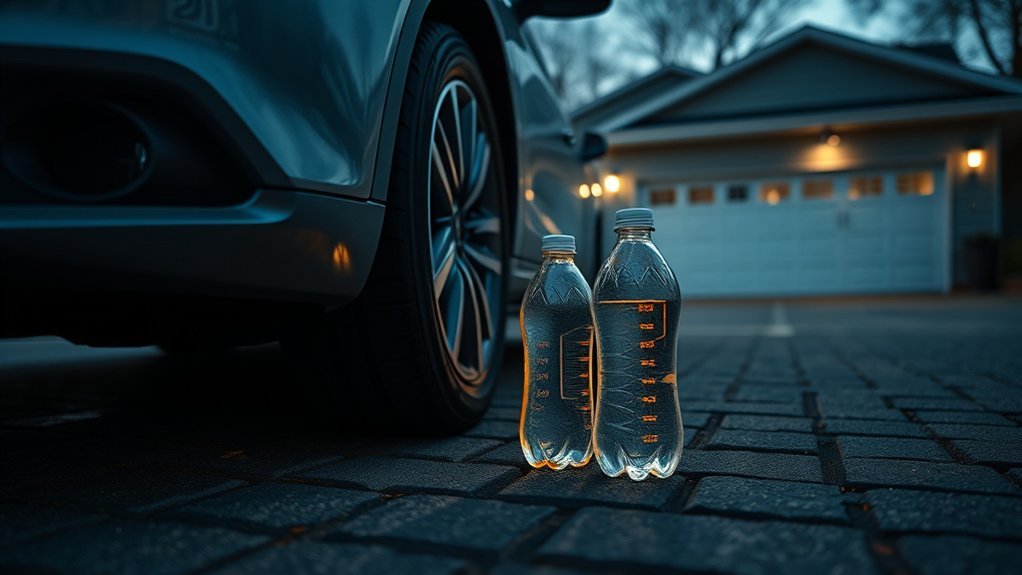
Finding a plastic bottle on your tire can feel odd, especially if you have seen viral warnings about car theft. The truth is simpler: a bottle is not a real security device, and it does not prove your car was targeted. It may be debris, a prank, a low-tech marker, or something suspicious. The safest move is to stay aware, check the area first, and inspect your vehicle only when it is safe.
Quick Answer
You should not put a plastic bottle on your tire for real security. The viral claim is not backed by solid evidence. If you find one, treat it as an odd object, check your surroundings from inside the vehicle first, then inspect the tire, wheel well, doors, and locks only when it is safe.
Key Takeaways
- A plastic bottle on a tire is not a proven anti-theft device or tire-safety tool.
- The viral theft warning may make you more alert, but it does not prove someone marked your car.
- If you notice a bottle, scan the area before you get out, especially in a dark or empty parking lot.
- Do not attach bottles or loose objects near moving wheels because they can become hazards.
- Real protection comes from locking the car, removing valuables, parking wisely, checking tires, and using proven anti-theft devices.
Warning: If you find a bottle on your tire in an isolated place, do not rush outside and kneel near the wheel. Keep the doors locked, check mirrors and surroundings, and move to a busy, well-lit area if anything feels unsafe.
What the Plastic Bottle-on-Tire Claim Says
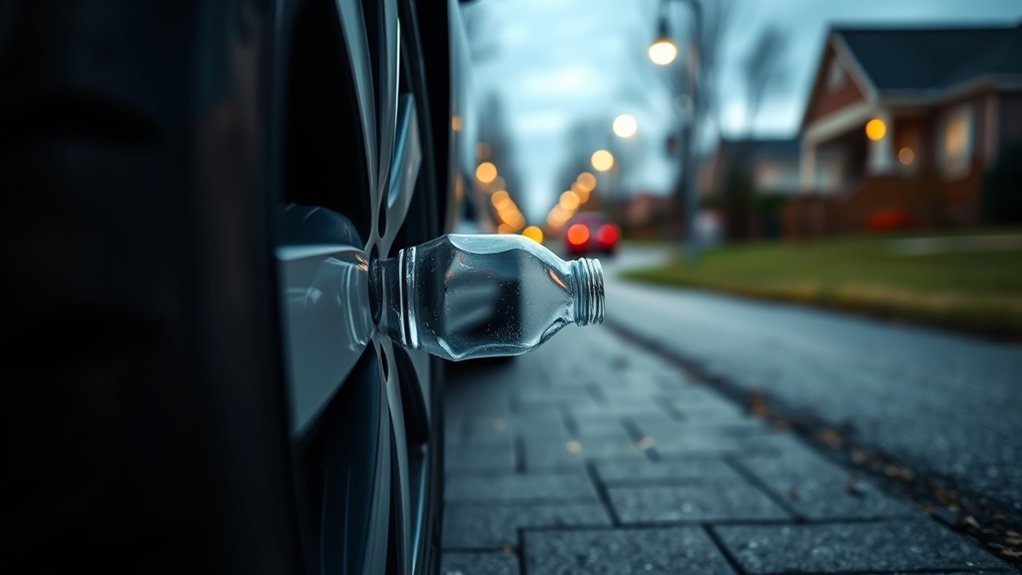
The plastic bottle-on-tire claim says that a bottle placed on or near a car tire can warn you about theft, mark your vehicle, or distract you when you drive away. Some posts also present it as a cheap DIY security trick. Those claims are not supported by reliable vehicle-safety guidance.
A plastic bottle cannot lock your car, stop a thief, check your tire pressure, diagnose a puncture, or replace proper tire maintenance. It may make noise if you drive over it, but that noise alone does not tell you why the bottle was there.
The better way to understand the claim is this: a bottle is an object worth noticing, not a warning system you can trust. Stay alert, but do not let a viral rumor make you panic.
Does a Plastic Bottle on a Tire Actually Do Anything?
No, not in a reliable way. A plastic bottle on a passenger-car tire does not provide real security, tire monitoring, or theft prevention. It might make a crunching sound, roll away, or sit unnoticed. None of those outcomes tells you whether your car has been tampered with.
If you are concerned about tire safety, check the tire directly. Look for low inflation, sidewall cuts, nails, bulges, uneven tread wear, valve-stem damage, or warning lights. The National Highway Traffic Safety Administration says tire pressure should be checked monthly when tires are cold, and the correct pressure is found on the driver-side door label or in the owner’s manual. A bottle cannot replace a pressure gauge, a tread check, or a real inspection.
For best results, use a tire gauge and follow the vehicle maker’s pressure label. Maintaining proper tire pressure is one of the simplest ways to support safe handling, tire life, and fuel economy.
At a Glance
| Time Required | 2 to 5 minutes for a basic safety check |
| Difficulty | Easy, but only inspect when the area feels safe |
| Tools Needed | Phone, flashlight, tire pressure gauge, and your vehicle owner’s manual if needed |
| Cost | Usually $0, unless you need a tire repair, new tire, or security device |
Why People Think the Bottle Means Theft
People connect a bottle on a tire with theft because the story is easy to imagine. The viral version says a thief places a bottle near the wheel, waits for the driver to hear a crunch, then approaches when the driver gets out to check. That sounds possible, so people share it quickly.
The problem is that a possible story is not the same as proof. A bottle could be wind-blown trash, a prank, a marker, or something placed there by someone nearby. You should stay aware, but you should not assume every bottle means a planned theft.
| Signal | Better reaction |
|---|---|
| Plastic bottle near tire | Pause, scan the area, and inspect only when safe |
| Viral warning post | Check whether the claim has real evidence |
| No visible damage | Remove the object safely and continue normal checks |
| Suspicious person nearby | Stay locked inside and move to a safer location |
Community posts and real-world feedback can help you notice patterns, but they should not replace evidence, safe judgment, or basic vehicle checks.
Why Trailers Sometimes Use Bottle Markers
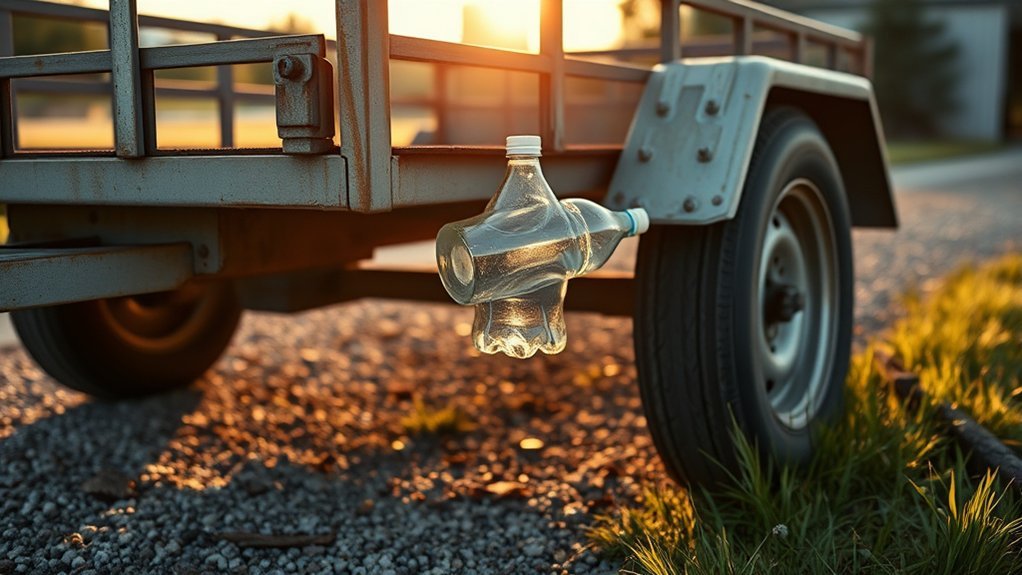
In some informal trailer or yard settings, people may place a bottle near a parked wheel as a simple visual marker. For example, it might help someone notice whether a parked trailer moved, whether a wheel position changed, or whether a tire area needs a closer look before towing.
That does not make the bottle a dependable safety device. It should not be tied near a moving wheel, used instead of wheel chocks, or treated as a tire-pressure monitor. Loose objects can shift, break, or become road debris. If you tow a trailer, rely on proper chocks, a walkaround inspection, correct tire pressure, safe loading, and strong treadwear warranties when choosing tires.
Note: A bottle near a parked trailer tire is only an informal marker. It is not a replacement for a chock, tire gauge, TPMS, brake check, or trailer inspection.
Is the Bottle Trick Safe?
The bottle trick is not a safety measure. It can make you more alert, but it can also create confusion if you rely on it. The risk is not the bottle itself in most cases. The risk is how you react to it.
[Products Worth Considering]

Keep your tires properly inflated with this analog VONDIOR tire pressure gauge, designed for fast, easy readings without batteries. The swiveling, two-axis hose and large glow dial help you measure at any tire angle with instant visibility. Built with a protective rubber shield, it supports durable, low-maintenance use for cars and trucks.
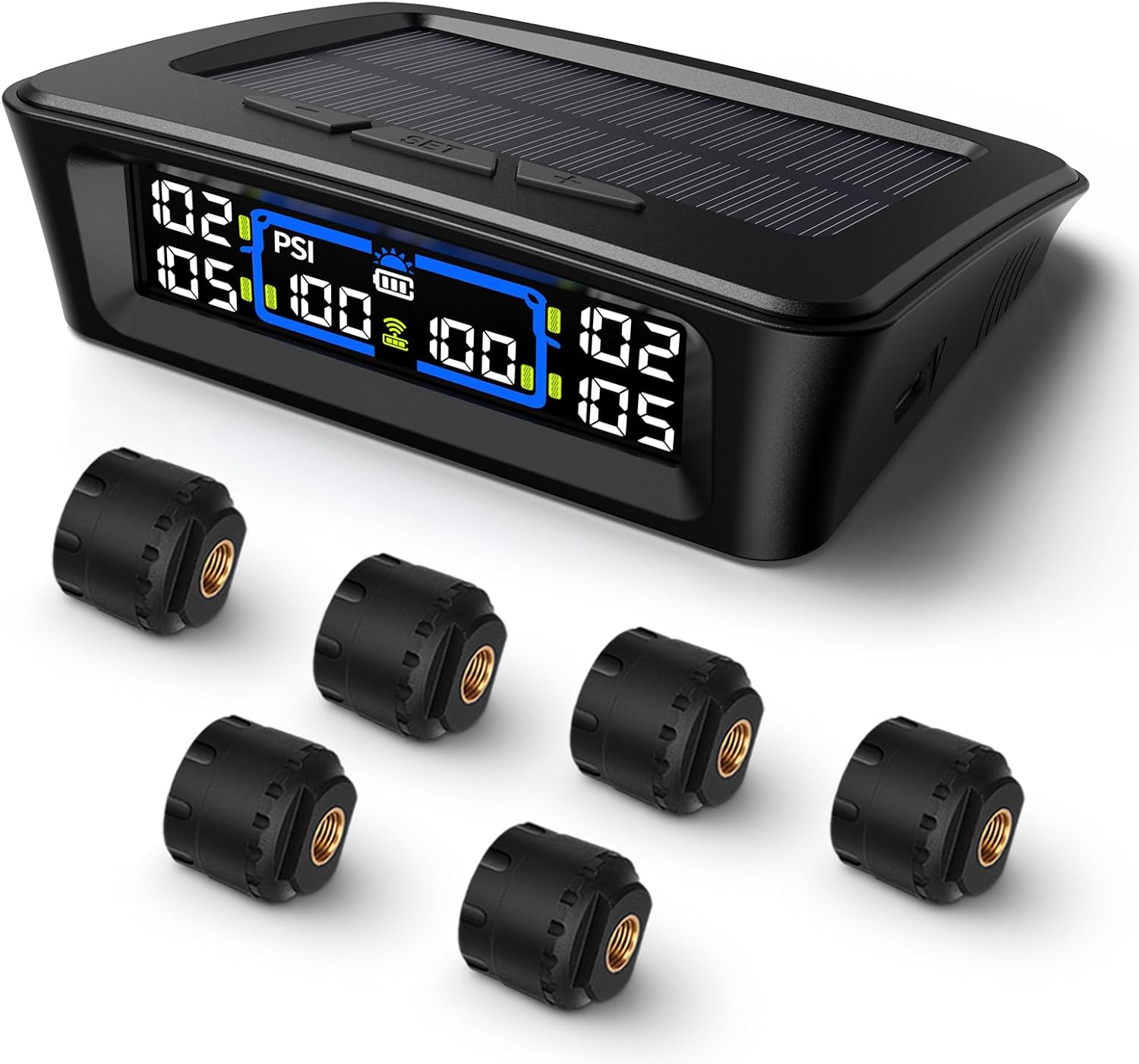
The Tymate TM12 RV TPMS delivers real-time tire pressure and temperature monitoring with a stable 433Hz display for safer long-distance driving. It supports simultaneous monitoring across vehicle and trailer zones, includes six alarm modes for pressure, temperature, leakage, battery, and signal loss, and features easy DIY installation with auto calibration. Power is supplied via USB-C charging or solar recharging, with a wide 0–144 PSI range and up to 50 ft signal coverage for RVs and towable trailers.

The SAFELIFE dial tire tread depth gauge measures tread depth in 1/32 inch increments with clear, easy-to-read 2-inch dial face. Color zones using a traffic light system help you quickly judge whether tread is low, marginal, or ample for safer driving. Built with a durable zinc cast body and a metal detect probe for precise, comfortable use across cars, motorcycles, trucks, and buses.
Safety Risks
If you hear a crunch and stop suddenly in a dark lot, on the shoulder, or in traffic, you may put yourself in a worse situation. The safer choice is to stay calm, keep control of the vehicle, and choose a safe place before getting out.
| Risk | Why it matters | Safer response |
|---|---|---|
| Distraction | You may focus on the bottle instead of your surroundings | Scan first, then inspect |
| False alarm | Panic can lead to rushed decisions | Stay calm and check facts |
| Roadside hazard | Stopping in traffic can be more dangerous than the object | Pull over only where safe |
| Loose object | A bottle can become debris or interfere with a wheel area | Remove it before driving if you can do so safely |
Good tire maintenance is far more useful than any bottle trick. Check the tire itself, not the rumor around it.
Misleading Claims
The most misleading part of the bottle story is that it turns a simple object into a secret code. A bottle does not reliably mean theft, tire damage, or a hidden warning. It also does not prove your car is safe.
The best middle ground is simple: take it seriously enough to check, but not so seriously that you panic. If there is no visible damage, no suspicious person nearby, and no sign of tampering, remove the bottle and continue with a normal vehicle check.
What to Do If You Find a Bottle on Your Tire
If you find a bottle on your tire, act in the right order. Your surroundings matter first. The tire inspection comes second.
| Step | Action | Purpose |
|---|---|---|
| 1 | Stay inside and check mirrors, nearby people, and nearby vehicles | Avoid stepping into a risky situation |
| 2 | Move to a busy, well-lit area if anything feels wrong | Create distance before inspecting |
| 3 | Remove the bottle only when it is safe | Clear the object before driving |
| 4 | Inspect the tire, valve stem, wheel well, door handles, and locks | Look for damage or tampering |
| 5 | Report suspicious behavior or visible damage | Document the issue and get help if needed |
Also check whether the tire still has safe traction in wet and dry conditions. A bottle is not the main tire concern. Low pressure, worn tread, cuts, bulges, and embedded objects matter much more.
Pro Tip: Keep a small flashlight and tire pressure gauge in your car. They help you inspect a tire quickly without guessing from sound, social media warnings, or dashboard lights alone.
[Products Worth Considering]
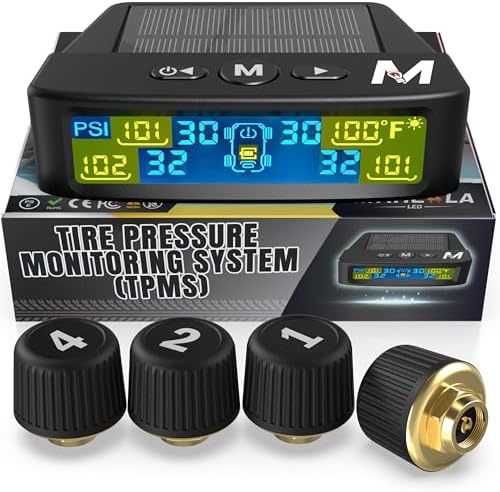
Marcala’s TPMS set of four sensors helps you monitor tire pressure and temperature in real time while driving, with updates every second. The bright color LCD uses auto-dimming for easy viewing, powered by dual solar and USB charging, and offers six alarm modes. Built for trailers, RVs, campers, trucks, and towing setups, the sensors support monitoring 1-4 wheels up to 98 PSI with IP67 waterproof protection.

Monitor tire tread wear with a smart, color-coded depth gauge that shows clear condition ranges at a glance. The bar is range marked for fast, easy readings, helping you maintain safer traction and performance. Each gauge is portable with a pocket clip, and the set includes 20 units for daily use and sharing.

ETENWOLF’s calibrated digital tire pressure gauges deliver accurate readings across a wide pressure range, from below 12 PSI to above 140 PSI. The built-in thermal compensation helps maintain performance in extreme cold and hot conditions, while the LED light improves visibility for quick checks. Includes replaceable AAA batteries for long-lasting use and convenience for everyday tire monitoring.
Other Tire Myths That Keep Spreading
The plastic bottle story is not the only tire myth that spreads online. Another common claim is that nitrogen-filled tires eliminate the need for regular pressure checks. Nitrogen may reduce pressure loss in some cases, but it does not remove the need to check tire pressure.
A second myth is that all-season tires are enough for every winter condition. All-season tires can handle many conditions, but winter tires are more effective in deep snow. If you drive in harsh winter weather, dedicated winter tires can provide superior traction compared with a basic all-season tire.
A third myth is that TPMS means you never need a tire gauge. TPMS is helpful, but the NHTSA TireWise guidance says TPMS is not a substitute for regular tire maintenance. You should still check pressure and tread regularly.
A viral tire tip should pass one basic test: does it come from evidence, a vehicle maker, a tire maker, or a safety authority? If not, treat it as a prompt to inspect, not as proof.
Safer Ways to Protect Your Car
Once you move past the plastic-bottle myth, focus on steps that actually reduce risk. The National Highway Traffic Safety Administration’s vehicle theft prevention guidance recommends taking your key, closing and locking all doors and windows, parking in well-lit areas when possible, and never leaving visible valuables in the vehicle.
- Lock the vehicle every time. Close windows, lock doors, and take the key or fob with you.
- Remove visible valuables. Bags, phones, laptops, and wallets can attract theft even if the whole car is not stolen.
- Park with visibility in mind. Choose well-lit, busy areas when possible.
- Use visible deterrents. Steering-wheel locks, alarms, window etching, and theft-deterrent decals can make your car less appealing.
- Consider immobilizing or recovery devices. Immobilizers and recovery systems can make theft harder or help locate a stolen car.
- Check tires regularly. Proper tire pressure, tread depth, and sidewall condition protect you better than any viral trick.
These habits are simple, but they beat folklore. A plastic bottle gives you uncertainty. Locks, lighting, tire checks, and proven anti-theft devices give you control.
[Products Worth Considering]

Measure tyre tread depth precisely with a digital gauge that reads in both MM and inches, helping you monitor safe driving conditions. The large LCD screen is easy to operate, and the compact tool fits for cars, trucks, and motorcycles. It provides high accuracy with a 0-25.4mm range and includes a 1-year warranty for added peace of mind.

Accurately measure tire tread depth with a calibrated gauge marked from 0 to 1 inch in 1/32 inch increments. The color-coded bar helps you quickly identify tread condition ranges, supporting safe driving for trucks, motorcycles, automobiles, and passenger vehicles.

ETENWOLF’s calibrated tire pressure gauge delivers accurate readings for cars, trucks, motorcycles, bikes, SUVs, RVs, and ATVs across a 0–75 PSI range. The large glow dial improves visibility in low light, while the 360° swivel chuck makes it easy to check valve pressure from any angle. It’s designed to stay accurate even in extreme hot or cold weather.
Frequently Asked Questions
Why put a plastic bottle on your car when parked?
There is usually no good reason to put a plastic bottle on a parked passenger-car tire. Some people may do it as a prank, a reminder, or an informal marker, but it is not a proven safety or anti-theft method. Use real security habits instead: lock the doors, take the key, remove valuables, and park in a visible area.
Why do truck drivers put plastic bottles on their wheels?
Some drivers or trailer owners may use a plastic bottle as an informal visual marker near a parked wheel, but it should not be treated as a formal truck-safety practice. It should never replace tire inspections, wheel chocks, TPMS, brake checks, or proper maintenance. Do not attach loose bottles near moving wheels.
Why put an empty water bottle on your car tire?
You usually should not. An empty water bottle does not improve tire pressure, prevent theft, or protect the car. If you find one on your tire and you did not put it there, check your surroundings first, remove it when safe, and inspect the tire and nearby body panels for damage.
What does a bottle of water on your tire mean?
It does not have one guaranteed meaning. It could be trash, a prank, a marker, or a suspicious object. Treat it as something to notice, not as proof of theft. Stay inside if you feel unsafe, scan the area, then inspect the vehicle in a safe place.
Can a plastic bottle damage a tire?
A light empty bottle usually will not damage a tire by itself, but it can distract you, become road debris, or hide a real issue nearby. The bigger concern is not the bottle. It is whether the tire has a nail, cut, low pressure, sidewall bulge, or other damage.
Should I call the police if I find a bottle on my tire?
Not always. If there is no damage, no suspicious person, and no sign of tampering, you can usually remove the bottle and continue after checking the tire. Call local authorities or security if you see someone watching you, find damage, feel threatened, or believe the object was placed there to distract you.
Conclusion
A plastic bottle on your tire is not a proven theft warning, tire monitor, or safety tool. Do not ignore it, but do not panic either. Check your surroundings first, remove the bottle only when safe, inspect the vehicle, and rely on proven habits: lock the car, remove valuables, park wisely, use real anti-theft devices, and keep your tires properly maintained.
Sources
- NHTSA Vehicle Theft Prevention — supports vehicle-theft prevention steps, anti-theft devices, and what to do after theft.
- NHTSA TireWise Tire Safety — supports tire pressure, tread, TPMS, winter tire, and tire-maintenance guidance.
- NHTSA Recalls — supports checking tire and vehicle recall issues.
- Traffic Safety Marketing: Vehicle Theft Prevention — supports public-facing theft-prevention education.

Related Articles
Slashed Tire or Blowout? How to Tell the Difference
A slashed tire or blowout? Spot the clues fast, but one subtle sign could change everything.
Read More
How to Break a Car Window in an Emergency Safely
After an emergency, a few simple moves can break a car window safely—but one crucial choice could change everything.
Read More
How to Buy Car Insurance: Coverage Guide for Beginners
Choose the right car insurance coverage and compare smarter to avoid costly gaps—discover the key details beginners often miss.
Read More