
What Tire Brands Are Made in America? Full Guide to USA Tires
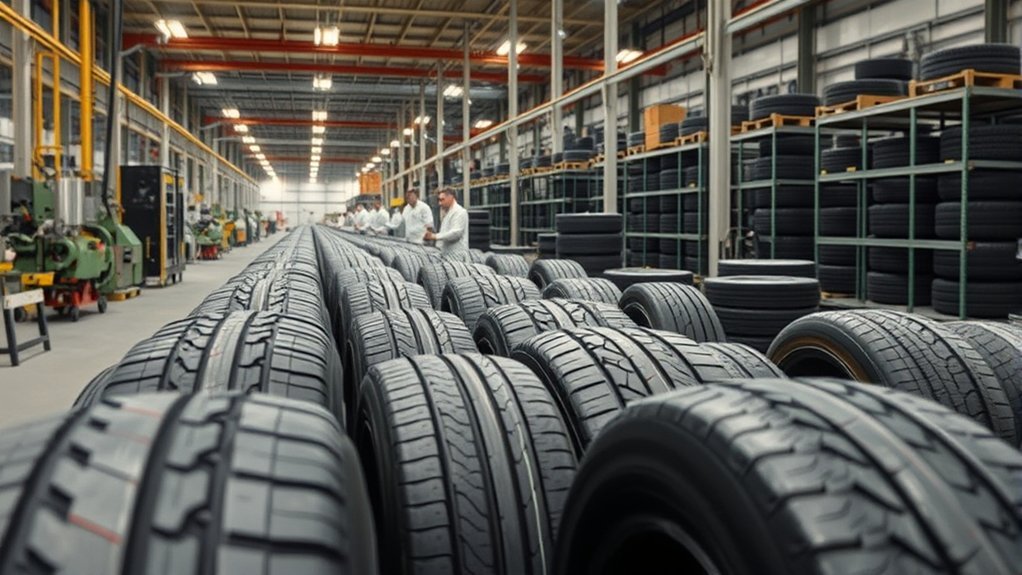
If you want tires made in America, do not rely on the brand name alone. Start with U.S.-headquartered Goodyear and its Cooper brand, then compare select U.S.-built models from Michelin, Bridgestone/Firestone, Continental, Yokohama, Toyo, Hankook, Pirelli, and other global brands. The safest way to confirm origin is to read the tire identification number on the sidewall and verify the plant, model, and size before you buy.
Quick Answer
Goodyear is the main U.S.-headquartered tire parent, and Cooper is now a Goodyear-owned American-origin brand. Select tires from Michelin, Bridgestone/Firestone, Continental, Yokohama, Toyo, Hankook, and Pirelli are also made in U.S. plants. Always verify the exact tire by its DOT/TIN plant code and sidewall markings.
Key Takeaways
- Goodyear is U.S.-headquartered, and Cooper is a Goodyear-owned American-origin tire brand.
- Foreign-owned brands can still make some tires in the United States, so ownership and manufacturing location are separate facts.
- For current tires, the DOT tire identification number uses a plant code as the first group of the TIN; older tires may still show older two-symbol codes.
- A “Made in USA” claim should mean all or virtually all of the product is U.S.-made, but you should still verify the exact tire.
- Choose tires by size, load index, speed rating, vehicle type, climate, and road use first; origin should be a final verification step.
What Tires Are Made in America?
The most direct answer is that many tires are made in America, but not every tire from an American-sounding brand is U.S.-made. Goodyear is the strongest U.S.-headquartered name to check first, and Cooper remains an American-origin brand under Goodyear ownership. You can also find select U.S.-built tires from global brands such as Michelin, Bridgestone/Firestone, Continental, Yokohama, Toyo, Hankook, and Pirelli.
The key word is select. A brand can make one tire size in the United States and another size of the same product line in another country. Production can also move between plants over time. That is why a tire’s sidewall details matter more than a brand list.
If you are comparing Goodyear options for a Toyota RAV4 or similar SUV, you can use model-specific guides such as highly rated Goodyear tires as a starting point, but you should still verify the sidewall on the exact tire you plan to buy.
[Products Worth Considering]

The AstroAI portable tire inflator delivers fast, accurate inflation with a TrueGauge digital display that reads pressure extremely frequently for safer driving. It inflates common car tires quickly, includes auto shut-off, and features a premium metal build with an ergonomic handle and anti-slip base. A built-in ultra-bright 12 LED emergency light and multi-adapter compatibility make it convenient for cars, motorcycles, bikes, and inflatables (not for truck tires).

The AstroAI tire inflator delivers dual power for 12V DC car use and 120V AC home use, making it convenient for travel and everyday inflations. Choose high-pressure mode for car, bike, and motorcycle tires up to 150 PSI, or use large-volume mode for low-pressure inflatables like air mattresses. An LED light, digital pressure display, preset shutoff, and memory for your last setting simplify each session. Dual metal motors, OmniVent heat dissipation, and a 15-minute continuous work limit help it run reliably between cool-downs.

AstroAI’s tire pressure gauge with inflator helps you check and adjust car tire pressure accurately for safer, smoother driving. It offers 3-in-1 operation to inflate, deflate, or measure pressure, with an easy-to-read 2.5-inch glow dial and a heavy-duty air chuck for convenient use. Universal compatibility supports Schrader-valve tires and quick-connect 1/4" NPT air compressors for quick maintenance.
American-Owned vs. American-Made Tires
American-owned and American-made do not mean the same thing. A U.S.-headquartered company can make some tires overseas. A foreign-owned company can make some tires in the United States. A legacy American brand can also be owned by a foreign company.
| Brand / Group | Ownership Snapshot | U.S.-Made Buying Note |
| Goodyear | U.S.-headquartered company based in Akron, Ohio | Many U.S.-built options exist, but verify each size and model by TIN. |
| Cooper | American-origin brand owned by Goodyear | Do not assume every Cooper tire is U.S.-made; check the sidewall. |
| BFGoodrich / Uniroyal | American legacy brands under Michelin in North America | Some models may be U.S.-built; confirm the exact tire. For SUV comparisons, see BFGoodrich tire options. |
| Firestone | American legacy brand under Bridgestone | Treat it as foreign-owned but potentially U.S.-built, depending on the tire. |
| Michelin, Bridgestone, Continental, Yokohama, Toyo, Hankook, Pirelli | Foreign-owned global tire companies | Some tires are made in U.S. plants, but model and size verification is required. |
Warning: Do not buy a tire by origin alone. The tire must match your vehicle’s size, load index, speed rating, season, and driving conditions. Use your owner’s manual, door-jamb tire placard, or tire retailer fitment system before you compare origin.
How to Read a Tire DOT Code
The DOT tire identification number, often called the DOT code or TIN, is molded into the tire sidewall. Under current federal tire identification rules, the plant code is the first group of the TIN and consists of three symbols for current tires. Older tires and older production may still show the previous two-symbol plant-code format because the phase-out of the older format ended on April 13, 2025.
Locating the DOT Code
Look for the letters “DOT” on the tire sidewall. The full tire identification number may appear on one side of the tire, while a shorter version may appear on the other. If the tire is already mounted on the vehicle, you may need to check the inner sidewall or ask the installer to read the full code before installation.
Decoding the Plant Code
The plant code identifies the manufacturer or retreader facility assigned by NHTSA. It does not automatically tell you the country in plain English, and it does not prove that every part of the tire is U.S.-sourced. Use it as the starting point, then confirm the plant with the retailer, manufacturer, or a reliable plant-code reference.
- Find the full DOT/TIN on the sidewall.
- Record the first plant-code group after “DOT.”
- Check whether the tire also says “Made in USA” or shows another country of origin.
- Ask the seller to confirm the plant for that exact size and production batch.
- Keep the TIN after purchase so you can check recalls through NHTSA tire resources.
Pro Tip: If you are shopping online, ask the seller for the country of origin for your exact tire size before checkout. Tire photos may show a sample sidewall, not the actual tire you will receive.
What “Made in USA” Means on Tires
A tire marked “Made in USA” is stronger evidence than a brand name, but it still needs context. The FTC says an unqualified Made in USA claim should mean the product is “all or virtually all” made in the United States. For a tire buyer, that means you should avoid broad claims such as “this whole brand is American-made” unless the company can support that claim across the specific product line.
The safest wording is tire-specific: “This tire size and model was made in the United States,” not “all tires from this brand are made in America.”
Goodyear Tires: America’s Best-Known Tire Brand
Goodyear is the best-known U.S.-headquartered tire company and has deep roots in Akron, Ohio. Goodyear’s own history says F.A. “Frank” Seiberling and his brother C.W. “Charley” Seiberling began making rubber products in Akron in 1898, including carriage and bicycle tires. That makes Goodyear the first brand many shoppers check when they want American-made tire options.
Still, you should verify each Goodyear tire by sidewall, because global tire companies can build different sizes in different plants. A tire like the Goodyear Eagle Touring may fit many daily drivers, but the origin question must be answered from the exact tire you buy.
Key Goodyear Plant-Code Note
You may see older references to Goodyear plant codes such as Lawton, Akron, Danville, or other historic factory identifiers. Use those references carefully because current tires are moving to the three-symbol TIN plant-code system. If a retailer only provides an old two-symbol example, ask for the full current TIN from the tire being sold.
Cooper Tires and Other U.S.-Origin Brands
Cooper is still important for shoppers who want an American-origin tire brand, but it should be described accurately. Cooper is now part of Goodyear, so it is not a separate independent American-owned tire company. Its history and U.S. production footprint still make it worth checking, especially for passenger cars, SUVs, pickups, and light trucks.
The main buying rule is the same: do not assume every Cooper tire is U.S.-made. Check the DOT/TIN, sidewall country-of-origin marking, and seller confirmation for the exact model and size.
Which Foreign Brands Make Tires in the USA?
Several foreign-owned tire companies make some tires in the United States. Michelin, Bridgestone/Firestone, Continental, Yokohama, Toyo, Hankook, and Pirelli are common examples shoppers look for. This gives you more choices if your goal is to buy a tire built in a U.S. plant rather than a tire from a U.S.-headquartered company only.
Continental, for example, may be a foreign-owned brand, but shoppers comparing all-season or SUV tires may still find U.S.-built options in some sizes. If you are researching SUV tires, guides such as Continental tire options can help you narrow the model list before you verify country of origin.
[Products Worth Considering]

Replace worn pool cleaner tires with this all-purpose C10 tire set made to fit compatible Polaris automatic pool cleaners. The tires are designed for maximum traction while helping protect your pool finish, and they match Polaris OEM size and material. Each pack includes three new tires in sealed bags.

Autel MX TPMS sensors combine 315MHz and 433MHz in a single easy-to-install press-in design for faster tire service. They support wireless programming with strong signal performance, and the sensors are clone-able for streamlined replacement. Built for reliability and tested to SAE standards, each sensor includes a series number for quality control.

This 22-piece car wash and detailing kit includes a collapsible 20L bucket, lint-free wash mitt, microfiber sponge, super-absorbent drying towels, and specialized tools for wheels, tires, and windows. Soft, scratch-free accessories help protect paint and glass while tackling grime both inside and out. It’s a complete interior and exterior care set for cars, motorcycles, RVs, and home cleaning tasks like windows and mirrors.
Foreign Brands With U.S. Plants
Foreign-owned tire makers often build tires close to the markets they serve. That can support U.S. jobs and shorten distribution, but it does not make the company American-owned. For example, Toyo says many of its tires are built in the United States at its factory in Bartow County, Georgia. Michelin, Bridgestone/Firestone, Continental, Yokohama, Hankook, and Pirelli have also been tied to U.S. manufacturing, but the exact answer still depends on the tire.
How to Verify Origin
Use a three-part check: brand ownership, tire-specific manufacturing location, and vehicle fitment. Ownership tells you who controls the brand. Manufacturing location tells you where that tire was built. Fitment tells you whether the tire is safe and correct for your vehicle.
Where Michelin, Bridgestone, and Pirelli Build Tires
Michelin, Bridgestone/Firestone, and Pirelli are foreign-owned brands, yet some of their tires can be U.S.-built. Michelin is French-owned and also owns BFGoodrich and Uniroyal in North America. Bridgestone is Japanese-owned and owns Firestone. Pirelli is an Italian tire brand with global production. If your goal is U.S.-built rather than U.S.-owned, these brands should stay on your comparison list.
For example, a shopper comparing Michelin tires for a RAV4 should not stop at the model name. Check the sidewall on the exact size because manufacturing origin can vary by size and production run. You can also compare other brands, including Nokian tire options, but the same origin-verification rule applies.
Note: Tire plant footprints change. Plants can open, close, reduce production, or shift models. Recent U.S. plant changes in the industry show why a current sidewall check is more reliable than an old brand list.
How Yokohama, Continental, Toyo, and Hankook Make U.S. Tires
Yokohama, Continental, Toyo, and Hankook are foreign-owned brands that may offer U.S.-built tires in selected categories. These can include passenger, crossover, light truck, SUV, commercial, or performance tires, depending on the brand and the specific product line.
Toyo is one of the clearest examples to verify from a manufacturer source because Toyo states that many tires are built at its factory in Bartow County, Georgia. Hankook is another brand shoppers often check for U.S.-built passenger and light-truck options; if you are comparing SUV tires, a guide to Hankook tires can help you shortlist models before you confirm the exact tire’s origin.
Best U.S.-Made Tires by Vehicle Type
The best U.S.-made tire is the tire that fits your vehicle and driving needs first, then meets your origin preference. Do not choose a tire only because it was made in America. Start with fitment and performance, then verify origin.
- Passenger cars: Look for touring, all-season, or performance tires that match your size, speed rating, and ride goals.
- SUVs and crossovers: Prioritize load rating, wet traction, noise, comfort, and highway stability. If you drive a RAV4, compare fitment-focused lists such as tires for the 2023 Toyota RAV4.
- Pickup trucks: Check load range, towing needs, all-terrain tread design, and puncture resistance.
- Performance cars: Compare dry grip, heat resistance, steering response, and speed rating.
- Commercial trucks: Confirm load capacity, casing durability, retread needs, and fleet availability.
If price is also important, compare affordable tire options and then ask the seller which sizes are U.S.-built.
Where to Buy American-Made Tires
You can buy American-made tires through local tire shops, dealership service departments, warehouse clubs, and online tire retailers. The best retailer is the one that can confirm origin for the exact tire, not just the brand.
- Choose the correct tire size from your vehicle placard or owner’s manual.
- Shortlist brands and models that fit your driving needs.
- Ask whether your exact size is U.S.-built.
- Request the country of origin or full DOT/TIN before installation when possible.
- After purchase, record the TIN for recall checks and warranty records.
If you are still comparing choices, lists such as best-selling RAV4 tires can help you narrow options, but the origin check should happen before checkout or installation.
Frequently Asked Questions
What brand of tires are still made in the USA?
Goodyear and Cooper are the main U.S.-origin names to check first, with Cooper now owned by Goodyear. You can also find select U.S.-made tires from Michelin, Bridgestone/Firestone, Continental, Yokohama, Toyo, Hankook, and Pirelli. The exact answer depends on the tire model, size, and production batch.
What tires are 100% made in America?
Be careful with “100% made in America” claims. A proper unqualified Made in USA claim should mean all or virtually all of the product is made in the United States. Because tires can include complex materials and global supply chains, verify the exact tire with the manufacturer or retailer instead of assuming a whole brand is 100% American-made.
Is Cooper Tire American made?
Cooper is an American-origin brand and is now owned by Goodyear. Some Cooper tires may be made in the United States, but you should not assume every Cooper tire is U.S.-made. Check the DOT/TIN, sidewall country-of-origin marking, and seller confirmation for your exact tire.
Are Michelin tires made in the USA?
Some Michelin tires are made in the United States, but Michelin is a French-owned company. Michelin also owns BFGoodrich and Uniroyal in North America. To confirm whether a specific Michelin tire is U.S.-made, check the DOT/TIN and country-of-origin marking on that tire.
Does the DOT code prove a tire was made in America?
The DOT/TIN plant code helps identify the manufacturing or retreading plant, but you still need to match that code to a reliable plant reference and check the tire’s country-of-origin marking. For current tires, the plant code is the first group of the TIN and uses three symbols.
Are Firestone tires American-made?
Firestone is an American legacy brand, but it is owned by Bridgestone, a Japanese company. Some Firestone tires may be U.S.-built, while others may not be. Check the exact tire’s DOT/TIN and sidewall marking before you buy.
Conclusion
If you want tires made in America, separate the brand’s ownership from the tire’s actual manufacturing location. Goodyear is the main U.S.-headquartered tire parent, and Cooper is an American-origin brand under Goodyear. Many foreign-owned brands also make select tires in U.S. plants. The final answer is always tire-specific: check the DOT/TIN, look for the country-of-origin marking, confirm with the seller, and choose the tire that safely fits your vehicle.
Sources
- NHTSA TireWise — tire labels, ratings, recalls, safety, fitment, and maintenance guidance.
- 49 CFR Part 574 — federal tire identification number and plant-code requirements.
- Federal Trade Commission Made in USA guidance — “all or virtually all” standard for unqualified U.S.-origin claims.
- Goodyear Corporate History — Goodyear’s 1898 Akron origin and Frank Seiberling history.
- Toyo Tires About Us — Toyo’s statement about many tires being built at its Bartow County, Georgia factory.
- Associated Press: Bridgestone Tennessee plant closure — example of why tire plant footprints must be verified with current information.
[Products Worth Considering]

The AUTOWN tire repair kit is designed to quickly fix punctures and plug flats with professional-quality steel components. It includes a T-handle and spiral probe tool for easy tire access, plus a compact storage case for convenient carry. Suitable for many vehicles including cars, motorcycles, ATVs, RVs, trailers, and trucks, it helps restore airtight performance for reliable roadside repairs.

AUTOWN’s 68-piece tire repair kit helps you fix punctures and plug flats quickly and effectively. It includes a T-handle and spiral probe tool for easy insertion, while the steel patch and plug materials are designed for strong adhesion and long-lasting airtight performance. The compact case makes it convenient for roadside repairs across a wide range of vehicles.

This compact capsule-style tire repair kit helps you quickly fix punctures and plug flats with minimal effort. The rugged stainless steel shell protects the contents for reliable roadside use, while the simple plug assembly makes repairs fast and tool-free. Suitable for motorcycles, cars, ATVs, UTVs, and even mountain bikes.

Related Articles
What Is a Demo Tire? Should You Buy One?
Usually near-new, a demo tire can save money—or hide surprises, so would you know what to inspect before buying one?
Read More
Tire Warranties: What to Look For Before You Buy
Fierce tire warranties can save money or cost more than expected—discover the hidden exclusions, mileage promises, and claim rules before you buy.
Read More
Why Are Tires So Expensive? Cost Breakdown
Premium tires cost far more than rubber alone, and this breakdown reveals the hidden materials, engineering, and brand factors driving prices.
Read More