
Best Time of Year to Buy Tires for a RAV4: Seasonal Tips
Buying tires for your RAV4 is not just about catching a sale. The best time depends on your climate, the tire type you need, your exact tire size, and whether winter rules apply where you drive. Shop before the first rush of cold weather so you can compare brands, keep the correct fit, and avoid paying more for whatever is left in stock.
Quick Answer
For most RAV4 owners, the best time to buy tires is late September through early October, before winter demand tightens selection. Buy winter tires earlier—ideally several weeks before your first snow or legal requirement date. If you drive in a mild climate, spring and fall rebate periods can both be smart buying windows.
Key Takeaways
- Shop before peak season: late September is a strong target for all-season, all-weather, and winter tire planning.
- Choose the tire type by weather, not price alone: all-season for mild winters, all-weather for mixed conditions, and winter tires for regular snow, ice, or mountain driving.
- Check your RAV4’s driver-door placard before ordering; tire size, load index, and speed rating can vary by year and trim.
- Inspect tread, pressure, tire age, and the spare before fall storms. Do not wait until the tire-pressure light comes on.
- Do not mix summer, all-season, all-weather, and winter tires on your RAV4; Toyota warns this can create unsafe handling.
At a Glance
| Best Buying Window | Late September to early October for most RAV4 tire purchases |
| Best Time for Winter Tires | Several weeks before first snow, freezing weather, or legal winter-tire dates |
| Tools Needed | Tread-depth gauge, tire-pressure gauge, flashlight, and your driver-door tire placard |
| Typical Cost Range | Varies by size and brand; budget for tires, installation, balancing, valve stems or TPMS service, and alignment if needed |
Best Months and Exact Weeks to Buy Tires for a RAV4
If you want strong selection and a better chance of rebates, start shopping in September. For many RAV4 owners, the sweet spot is the last two weeks of September into early October. That is early enough to compare options, order the right size, and schedule installation before winter buyers crowd the appointment calendar.
Do not treat one exact week as a guarantee. Tire rebates and pricing change by brand, retailer, inventory level, and region. The safer strategy is to monitor prices in early September, then buy when the right tire, size, load rating, and installation date line up. Waiting until the first snow usually means fewer choices and more pressure to buy fast.
Pro Tip: If your RAV4 uses a less common trim size, shop earlier than everyone else. A small rebate is not worth losing the tire that fits your driving, climate, and budget.
| When to Shop | Best For | Why It Works |
|---|---|---|
| Early September | Planning and comparing | Good selection before winter demand builds |
| Late September | Most RAV4 owners | Strong timing for fall promotions, winter preparation, and installation slots |
| Early October | Last practical fall window | Still early enough in many regions, but popular winter sizes may start thinning out |
| Mid-October onward | Emergency replacement only | Higher risk of stockouts, rushed installs, and fewer brand choices |
[Products Worth Considering]

Keep RV, trailer, or truck dual-axle tires protected with waterproof, UV-resistant covers that help guard against sunlight, snow, rust, and dirt. The dual tire covers are easy to install with a rope/bungee fastener for a stable fit that won’t easily slip. Designed for 27–30 inch diameter wheels, they help maintain tire condition through harsh weather.
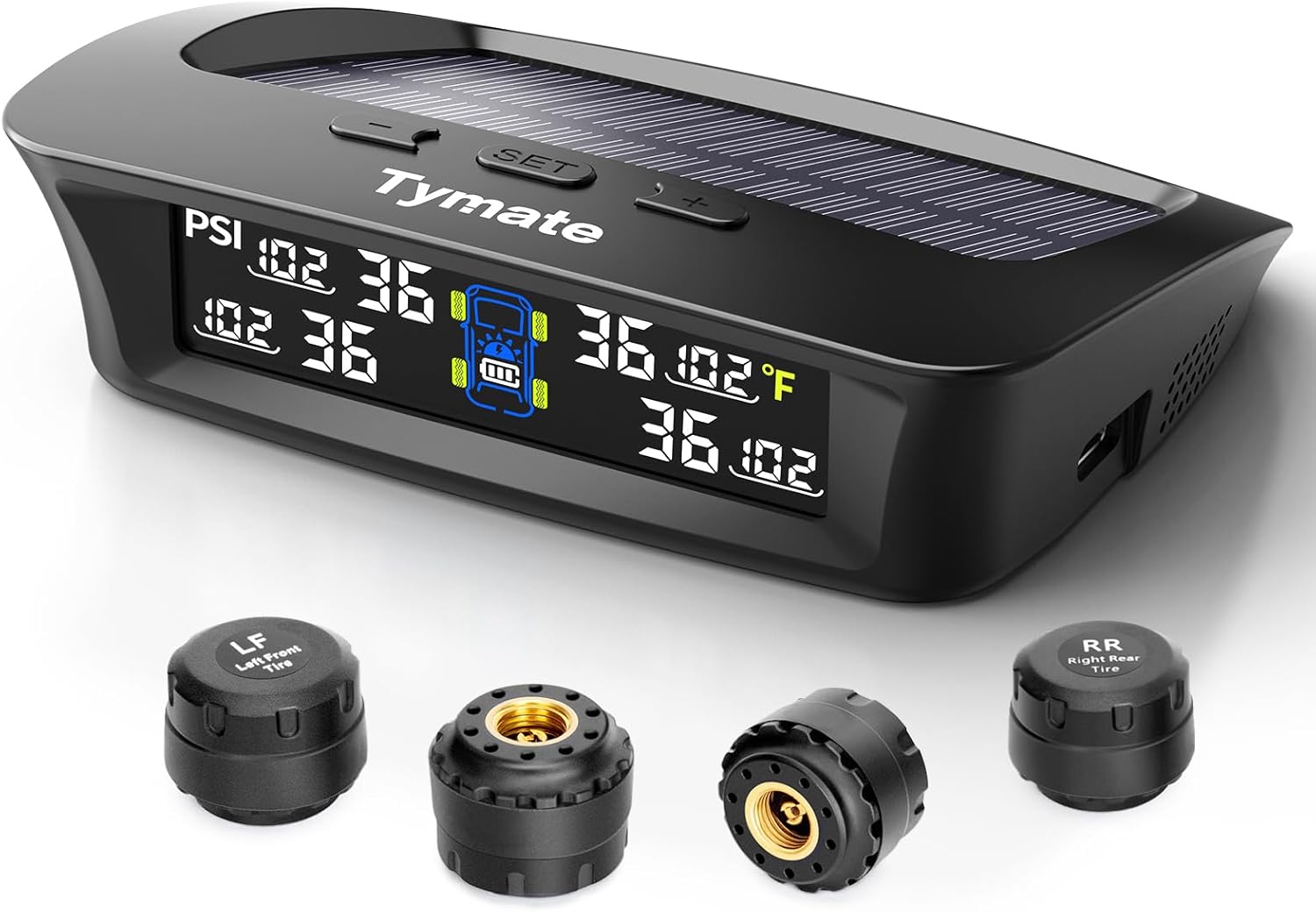
The Tymate TM3 RV TPMS delivers real-time tire pressure monitoring from 0 to 144 PSI with accurate readings and dependable wireless communication. It includes four external sensors with pre-pairing, six alarm modes for rapid leak, pressure extremes, temperature, and signal loss, plus an easy-reference setup for alert thresholds. Solar and USB-C charging help keep the display powered, while the color LCD and adaptive backlight improve visibility for safer driving and towing.

EVOULTES heavy duty tire inflator with an integrated gauge delivers accurate pressure readings from 10–120 PSI, helping you inflate, deflate, and check tires in one tool. The 16.5-inch extended dual-head air chuck with swivel base reaches hard-to-access dual wheel valves on trucks and RVs. A brass trigger core and side-mounted air release valve make operation smooth, with standard 1/4" NPT threading and quick-connect compatibility for easy setup.
Choose the Right Tires for Your RAV4: All-Season, All-Weather, or Winter
Your RAV4 tire choice should match the roads you actually drive. A city commuter in a mild climate does not need the same tire as a driver crossing snowy passes or icy rural roads. Start with your climate, then narrow by tire size, load index, speed rating, warranty, noise, wet braking, and snow rating.
- All-season tires: Best for mild climates with rain, dry roads, and only occasional light snow. They are convenient for year-round use but are not the strongest choice for regular ice or deep snow.
- All-weather tires: A good middle ground if you face rain, cold snaps, slush, and occasional snow but do not want a separate winter set. Look for the three-peak mountain snowflake symbol if snow traction matters.
- Winter tires: Best for frequent snow, ice, freezing temperatures, and mountain driving. Transport Canada advises looking for the peaked mountain and snowflake symbol because it identifies tires that meet specific snow-traction requirements.
Warning: Do not mix summer, all-season, all-weather, and winter tires on your RAV4. Toyota’s owner information warns against mixing different tire types, makes, tread patterns, or noticeably different treadwear because it can affect handling and drivetrain behavior.
If you drive an AWD RAV4, matching matters even more. Keep all four tires as close as possible in brand, model, size, construction, tread depth, and wear. Different rolling diameters can create uneven traction and stress on AWD components. If one tire is damaged, ask the installer whether one, two, or all four tires should be replaced based on tread depth and Toyota guidance.
Check Size, Load Rating, Speed Rating, and AWD Fit Before You Buy
Before you chase a rebate, confirm the tire that actually fits your RAV4. The correct tire size is printed on the driver-side door placard and in the owner information. Late-model RAV4 trims commonly use sizes such as 225/65R17, 225/60R18, or 235/55R19, but the right answer depends on your year, trim, wheel package, and market.
When comparing tires, check these details:
- Size: Match the placard unless a qualified tire professional confirms a safe alternate size.
- Load index: Do not choose a tire with a lower load rating than specified for your vehicle.
- Speed rating: Match or exceed the required rating unless your winter-tire rules and installer guidance allow a lower seasonal rating with proper warnings.
- UTQG and warranty: Treadwear warranties are useful, but wet braking, snow traction, and real-world reviews matter more than the longest mileage claim.
- TPMS compatibility: If you buy separate winter wheels, make sure the tire-pressure monitoring sensors are compatible and properly registered.
Note: The tire PSI printed on a tire sidewall is not your RAV4’s recommended pressure. Use the cold tire pressure on the vehicle placard. NHTSA TireWise also recommends checking all tires, including the spare.
When to Inspect and Replace Tires This Fall: Tread, Pressure, Spare
Start your fall tire check before the weather turns. Inspect tread depth, tire pressure, sidewall condition, tire age, and the spare. A tread-depth gauge is better than guessing with a coin, and it helps you compare all four tires for uneven wear.
Use these checkpoints before swap season:
- Tread depth: Replace tires when treadwear indicators show or when depth reaches unsafe levels. For snow tires, Toyota owner information notes that snow-tire effectiveness is lost when tread depth wears to 4 mm.
- Pressure: Check pressure when tires are cold, meaning the vehicle has been parked long enough for an accurate reading. Cold weather can lower PSI, so check monthly and before long trips.
- Spare tire: Confirm the spare is inflated, not cracked, and usable. Some RAV4 models or trims may have a compact spare, while others may vary by market or configuration.
- Tire age: Read the DOT Tire Identification Number. The final four digits show the week and year of manufacture under federal tire-identification rules.
- Uneven wear: Cupping, feathering, shoulder wear, or one tire wearing faster than the others can point to alignment, suspension, pressure, or rotation problems.
Your RAV4 tires are the only contact points between the vehicle and the road. A cheap delay can become an expensive safety problem once rain, snow, or freezing temperatures arrive.
Rotate your tires on schedule. Toyota’s maintenance guide states that scheduled maintenance is recommended every 5,000 miles or six months, whichever comes first. Tire rotation, pressure checks, and visual inspections are easiest to manage when you tie them to that same schedule.
Time Purchases to Catch Sales, Rebates, and Avoid Stockouts
After you check tread, pressure, age, and your spare, time your purchase to capture fall deals without forcing a rushed decision. Manufacturer rebates often have strict dates, and retailer promotions can depend on local inventory. Read the fine print before you buy.
Use this simple buying process:
- Write down your exact tire size from the driver-door placard.
- Decide your tire type based on climate: all-season, all-weather, or winter.
- Compare at least three real options in the correct size, load rating, and speed rating.
- Check total installed price, not just the tire price. Include mounting, balancing, tire disposal, valve stems, TPMS service, taxes, and alignment if recommended.
- Book installation early, especially if you need winter tires before a legal date or first snow.
- Save receipts and warranty paperwork in case you need a treadwear claim, road-hazard claim, or warranty transfer record later.
Pro Tip: If you run a dedicated winter set, consider buying separate wheels. The upfront cost is higher, but seasonal swaps can be faster and may reduce repeated mounting stress on your tires.
[Products Worth Considering]

This portable cordless tire inflator delivers up to 160 PSI with fast 17 L/min airflow to help you quickly top up tires and get back on the road. It features dual power mode, running on a 21V rechargeable battery or a 12V DC adapter for convenient roadside use. An automatic shut-off with digital pressure gauge helps prevent overinflation, and a built-in LED light improves visibility in low-light conditions.

The JACO FlowPro Tire Inflator measures, inflates, and airs down tires up to 100 PSI with battery-free operation and ±2% accuracy after calibration. It features a glowing pressure dial for night visibility, a heavy-duty steel build with a hybrid hose, and a precision push-to-inflate thumb trigger. The patented Lightning Air Chuck locks on for a secure seal, and the kit includes quick-connect hardware for easy inline use with your air compressor.
Legal Rules and Cross-Border Tips That Change What You Should Buy
Winter tire rules are not the same everywhere. The original mistake many drivers make is assuming one date applies across Canada or every northern region. It does not. Check the official rule for where your RAV4 is registered and where you plan to travel.
- Québec: The province requires winter tires from December 1 through March 15 for most covered vehicles.
- British Columbia: Winter tires or chains are required on many designated routes from October 1 to April 30, with some routes ending March 31.
- Cross-border travel: If you drive into Canada, mountain regions, ski areas, or signed chain-control routes, confirm requirements before you leave.
- Studded tires: Stud rules can be date-limited and location-specific, so verify them before buying a studded winter set.
In mild climates, all-season tires may be legal and practical. In snow, ice, and extended cold, choose tires that match the conditions and carry the correct winter marking where required. Planning early keeps you lawful and avoids the panic-buying rush right before enforcement dates.
Frequently Asked Questions
How do I recycle or dispose of old RAV4 tires responsibly?
Take old RAV4 tires to a tire retailer, municipal tire collection site, or certified recycling center. Many installers include a tire disposal fee in the invoice. Ask for a receipt if your area tracks tire recycling or if you want proof that the tires did not go to illegal dumping.
Can tire warranties be transferred to a new RAV4 owner?
Sometimes, but it depends on the tire manufacturer and the warranty type. Some replacement tire warranties apply only to the original purchaser, while others may require proof of purchase, installation records, rotation records, and a transfer form. Give the next owner the tire receipt and maintenance records.
Do aftermarket rims affect tire fitment and warranty?
Yes. Aftermarket wheels can change offset, width, brake clearance, hub fit, TPMS compatibility, tire load capacity, and rubbing risk. Use wheels that match the RAV4’s required specifications and keep the invoice. Damage caused by incorrect wheels or installation may not be covered by a vehicle or tire warranty.
How often should I rotate my RAV4 tires for even wear?
A good rule for most RAV4 owners is to rotate tires at Toyota’s scheduled maintenance interval: every 5,000 miles or six months, whichever comes first. Rotate sooner if you notice uneven wear, frequent rough-road driving, or heavy loads.
Are run-flat tires compatible with a RAV4?
Run-flat tires may be available in some RAV4-compatible sizes, but they are not automatically the best choice. They can ride firmer, cost more, and have repair limitations. Only use run-flats if the size, load index, speed rating, TPMS setup, and installer guidance are correct for your RAV4.
Can I buy only two winter tires for my RAV4?
No, not as a normal setup. Use a matched set of four winter tires. Installing only two winter tires can create uneven grip between the front and rear axles, which can make braking and cornering less predictable. This is especially important on AWD RAV4 models.
Should I buy RAV4 tires online or from a local shop?
Either can work. Online shopping can make comparison easier, while a local shop may help with fitment, installation, rotations, road-hazard service, and warranty paperwork. Compare the total installed cost, not just the tire price.
Conclusion
You’ll get better value and safer results if you plan ahead. For most RAV4 drivers, shop in September and aim to buy before the late-fall rush. Choose all-season tires for mild climates, all-weather tires for mixed conditions, and a matched set of four winter tires for regular snow, ice, or legal winter-tire routes. Check your exact tire size, pressure, tread depth, spare, and tire age before you order. The right tire bought early beats a rushed tire bought during the first storm.
Sources
- Toyota Owners: 2025 RAV4 Tires — tire inspection, treadwear indicators, snow-tire tread guidance, and Toyota warnings about mixing tire types.
- Toyota Warranty & Maintenance Guide — scheduled maintenance interval of 5,000 miles or six months.
- NHTSA TireWise — tire pressure, spare tire checks, tire maintenance, tire aging, and tire safety basics.
- Transport Canada: Using Winter Tires — winter tire symbol, cold-weather traction, and winter tire guidance.
- Gouvernement du Québec: Requirements for Winter Tires — Québec winter tire dates and requirements.
- Province of British Columbia: Winter Tire and Chain Routes — designated route dates and winter tire or chain requirements.

Related Articles

Toyota RAV4 TPMS Reset: Easy Steps That Work
Unlock the secrets to resetting your Toyota RAV4's TPMS effortlessly—discover the essential steps to ensure your tires are always safe.
Read More
Toyota RAV4 Tire Rotation: DIY Steps & Pattern
Take control of your Toyota RAV4's tire maintenance with our simple DIY rotation guide—discover the best steps for optimal performance and longevity!
Read More
Mix Tire Brands on a Toyota RAV4? Expert Guide
Keeping your RAV4 safe? Learn when mixing tire brands risks traction, ABS/TCS and AWD damage — and what exact matches you must insist on.
Read More