
How Tires Affect Handling in a Toyota RAV4

Your RAV4’s tires are the only parts touching the road, so they have a direct effect on steering feel, braking distance, cornering stability, fuel economy, and how well systems such as ABS, traction control, stability control, and AWD can do their job. Tread depth, tread pattern, tire pressure, tire condition, and alignment all work together. If one of them is off, the RAV4 may feel vague, pull to one side, hydroplane sooner, vibrate, or stop longer than it should.
Quick Answer
Tires affect a RAV4’s handling a lot. Proper tread depth improves wet grip and braking, correct cold PSI keeps the contact patch stable, and even wear helps the SUV track straight. Most recent RAV4 models use roughly 33–36 PSI depending on tire size and drivetrain, but the correct number is always on the driver-side door label.
Key Takeaways
- Low tread depth reduces wet traction, increases hydroplaning risk, and can lengthen stopping distance.
- Check RAV4 tire pressure cold, using the driver-side Tire and Loading Information label or the owner’s manual as the source of truth.
- Inside-edge wear, feathering, cupping, or vibration usually points to alignment, balance, pressure, or suspension issues.
- Rotate tires regularly, inspect tread monthly, and replace tires at 2/32 inch or earlier if wet-weather grip, damage, age, or vibration becomes a concern.
At a Glance
| Time Required | 10–20 minutes for a pressure and tread check; 30–60 minutes for rotation or alignment inspection at a shop |
| Difficulty | Easy for inspection; moderate for DIY rotation |
| Tools Needed | Tire pressure gauge, tread-depth gauge or penny, flashlight, chalk or tape, optional infrared temperature gun, torque wrench for wheel service |
| Cost | Usually $0–$25 for inspection tools; shop alignment, balancing, or replacement costs vary by tire and location |
How Tire Tread and Grip Affect RAV4 Steering and Braking
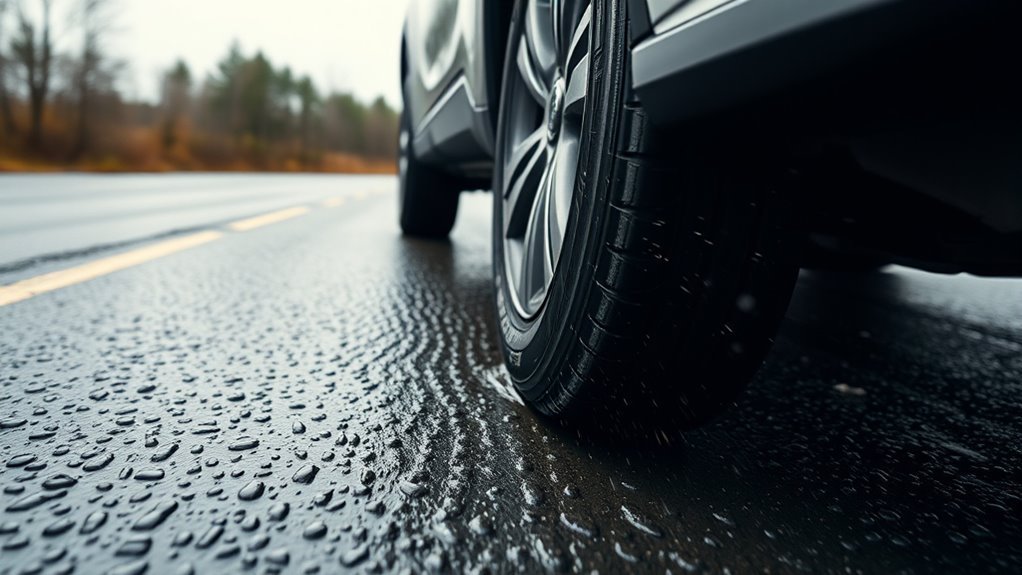
When you drive a RAV4, tire tread depth, rubber compound, tread pattern, and tire size shape how quickly the SUV responds to steering input and how confidently it stops. A tire with healthy tread can press through water and maintain more contact with the road. A worn tire has less room to move water away, so it can hydroplane sooner and lose steering authority in rain.
In the United States, tires are commonly considered legally worn out at 2/32 inch of tread depth. The U.S. Tire Manufacturers Association and Bridgestone both use 2/32 inch as the replacement threshold, but wet-weather performance can decline before that point. For rain-heavy driving, long commutes, or mountain roads, plan replacement before the tire reaches the legal minimum.
Tread is not just a wear item. It is the channel system that helps your RAV4 keep steering, braking, and cornering grip when the road is wet.
Tread pattern matters too. Wide circumferential grooves and angled lateral grooves help move water away from the contact patch. Directional and asymmetric tread designs can improve wet handling or cornering response when they are matched to the vehicle and installed correctly. However, no tread design can overcome bald tires, wrong pressure, or a worn suspension.
Rubber compound also changes the feel. Softer performance-oriented compounds can offer sharper turn-in and stronger braking grip, but they often wear faster. Harder touring compounds may last longer and ride quieter, but they may not bite as strongly in aggressive braking or cornering. For a RAV4, choose tires that match how you drive: daily commuting, snow, rain, highway trips, gravel roads, or light trail use.
[Products Worth Considering]

The JACO FlowPro Tire Inflator measures, inflates, and airs down tires up to 100 PSI with battery-free operation and ±2% accuracy after calibration. It features a glowing pressure dial for night visibility, a heavy-duty steel build with a hybrid hose, and a precision push-to-inflate thumb trigger. The patented Lightning Air Chuck locks on for a secure seal, and the kit includes quick-connect hardware for easy inline use with your air compressor.

EVOULTES heavy duty tire inflator with an integrated gauge delivers accurate pressure readings from 10–120 PSI, helping you inflate, deflate, and check tires in one tool. The 16.5-inch extended dual-head air chuck with swivel base reaches hard-to-access dual wheel valves on trucks and RVs. A brass trigger core and side-mounted air release valve make operation smooth, with standard 1/4" NPT threading and quick-connect compatibility for easy setup.

This cordless portable tire inflator delivers fast, safe inflation with an automatic shutoff when the target pressure is reached, helping prevent overinflation. The built-in LED lighting and real-time digital display make it easier to check pressure and handle roadside tire changes at night. It includes multiple nozzles for use on cars, motorcycles, bicycles, and inflatables like balls and swimming rings.
How Tire Pressure Affects RAV4 Stability and Recommended Cold PSI
Tire pressure changes the shape of the contact patch and the stiffness of the sidewall. That affects straight-line tracking, steering response, braking, tire temperature, tire wear, and ride comfort. Toyota directs owners to use the Tire and Loading Information label and the owner’s manual for the specified cold tire inflation pressure.
Many recent RAV4 models list cold tire pressure in the low-to-mid 30 PSI range, commonly around 33–36 PSI depending on tire size, drivetrain, market, and trim. Do not treat 35 PSI as universal. Your exact RAV4 may require a different number, especially if it has 17-inch, 18-inch, or 19-inch wheels, AWD, Hybrid, Prime, Adventure, TRD Off-Road, or replacement tires with different specifications.
Note: The PSI printed on the tire sidewall is usually the tire’s maximum pressure, not Toyota’s recommended operating pressure for your RAV4. Use the driver-side door placard or owner’s manual instead.
| Pressure Condition | What You May Feel | Likely Tire Effect |
|---|---|---|
| Too low | Slower steering, soft sidewalls, more squirm, worse fuel economy | Heat buildup, shoulder wear, higher risk of damage |
| Too high | Harsh ride, less compliance over bumps, reduced grip on rough pavement | Center wear and greater impact vulnerability |
| Uneven side-to-side | Pulling, uneven braking feel, nervous highway tracking | Irregular wear and inconsistent contact patch |
| Correct cold PSI | Predictable steering, stable braking, better ride balance | More even wear and lower heat stress |
- Check pressure when tires are cold, meaning the RAV4 has been parked for at least three hours or driven only a short distance at low speed.
- Use a quality gauge instead of relying only on the TPMS display.
- Set all four tires to the placard pressure, then check the spare if your RAV4 has one.
- Recheck monthly, before long trips, and when the weather changes sharply.
Temperature matters. The USTMA notes that inflation pressure can change about one to two PSI for every 10°F change in temperature. A cold morning can trigger a TPMS warning even if the tires looked fine the day before.
Uneven Wear: Telling Camber, Toe, Balance, or Suspension Problems
Uneven tire wear is one of the clearest signs that something has changed in your RAV4’s setup. It may be pressure, alignment, balance, suspension wear, wheel damage, or driving conditions. Read the pattern before replacing the tire, because a new tire can wear the same way if the root cause is still there.
| Wear Pattern | Common Cause | What to Do |
|---|---|---|
| Inside-edge wear | Negative camber, toe error, worn suspension part, or heavy load use | Inspect suspension and perform alignment |
| Outside-edge wear | Under-inflation, aggressive cornering, or alignment issue | Set cold PSI, inspect alignment, rotate if safe |
| Center wear | Over-inflation or heavy highway use | Correct PSI and monitor tread depth |
| Feathered tread blocks | Toe-in or toe-out error | Schedule alignment soon |
| Cupping or scalloping | Worn shocks/struts, imbalance, loose suspension, or wheel/tire damage | Inspect suspension, balance tires, check wheel runout |
| Vibration with uneven wear | Out-of-balance tire, separated belt, bent wheel, or damaged tire | Stop high-speed driving and have the tire inspected |
If you spot pronounced inside-edge wear, do not assume it is only a tire-pressure problem. Inside wear often points to an alignment or suspension geometry issue. If both front tires show feathering, toe is a strong suspect. If the tread has high and low spots around the tire, check balance, struts, shocks, bushings, ball joints, and wheel damage.
Warning: Do not keep driving at highway speed on a tire with exposed cords, bulges, deep cracks, sidewall cuts, sudden vibration, or rapid air loss. Replace it or have it inspected before continuing.
How to Test Tire Contact and Temperature With Chalk, Tape, and a Temp Gun
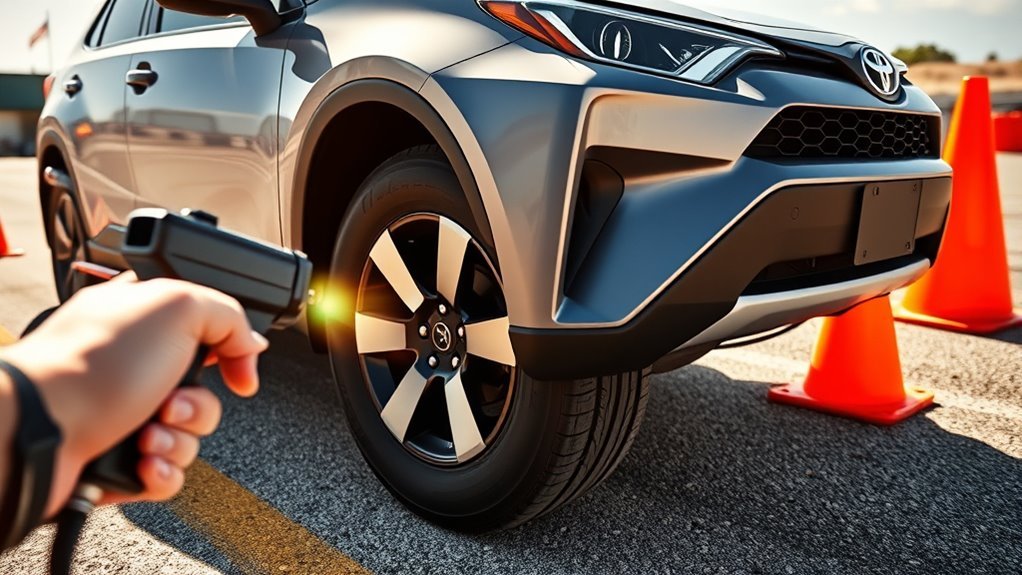
A simple chalk or temperature test can show whether the tread is contacting the road evenly. This is not a substitute for a professional alignment rack, but it can help you spot pressure, camber, toe, and load problems early.
- Set all four tires to the correct cold PSI from the door placard.
- Apply a thin chalk or tape line across each tire’s tread: inner edge, center, and outer edge.
- Drive a short, controlled route at normal speed with a consistent load. Avoid hard braking or aggressive cornering during the test.
- Stop safely and inspect the chalk. Even removal across the tread suggests more even contact. Heavy removal on one edge suggests camber, toe, pressure, or load imbalance.
- Use an infrared temperature gun immediately after stopping. Measure inner, center, and outer tread temperatures on each tire.
- Log the readings. A consistently hotter inner or outer edge can point to alignment or loading issues. A hotter center can suggest over-inflation. Hot shoulders can suggest under-inflation or hard cornering.
Pro Tip: For the most useful temperature readings, measure the same three tread zones on each tire within one to two minutes of stopping. Waiting too long lets the tread cool and hides the pattern.
If the chalk and temperature results do not match what you feel while driving, trust safety first. A tire can look acceptable but still have internal belt damage, balance problems, or a wheel issue. Have a shop inspect it if the RAV4 shakes, pulls, wanders, or makes new tire noise.
How Tires Affect RAV4 AWD, ABS, Traction Control, and Stability Control
Your RAV4’s electronic safety systems depend on tire grip. ABS can pulse the brakes, traction control can reduce wheelspin, and stability control can help correct a slide, but none of those systems can create grip if the tires are bald, mismatched, under-inflated, or sliding on standing water.
On AWD, Hybrid, and Prime models, tire matching is especially important. Keep all four tires the same size, load rating, speed rating, and similar tread depth unless Toyota or a qualified tire professional says otherwise. A mismatched tire can change rolling diameter and may cause the AWD system to work harder than intended.
The NHTSA TireWise guide recommends using the owner’s manual or the Tire and Loading Information label to choose the correct tire size and inflation pressure. That matters because a tire that is the wrong size or load rating can change handling, braking, speedometer accuracy, and stability-system behavior.
Fixes: When to Rotate, Align, Replace, or Upgrade RAV4 Tires
Once you understand the tire pattern, choose the right fix. Do not replace tires without correcting pressure, balance, alignment, or suspension issues that caused the old ones to wear unevenly.
| Trigger | Action |
|---|---|
| Even but normal wear | Rotate at Toyota’s inspection interval or about every 5,000–8,000 miles if no specific interval is listed |
| Vehicle pulls, steering wheel is off-center, or tread is feathered | Perform wheel alignment and inspect suspension parts |
| Vibration at speed or cupping | Balance tires, inspect wheels, and check shocks/struts |
| Tread is 2/32 inch, damaged, cracked, bulged, or cords are visible | Replace tires immediately |
| Poor rain, snow, gravel, or trail traction | Upgrade to tires that match the driving condition: all-weather, winter, highway all-season, or all-terrain |
| One tire is damaged on an AWD model | Ask a tire professional whether shaving, matching tread depth, or replacing all four is required |
Toyota’s RAV4 manual instructs owners to rotate tires in the recommended order and initialize the tire pressure warning system after rotation when equipped. If you remove wheels during a DIY rotation or tire service, Toyota lists a wheel nut torque of 76 ft-lbf for the 2024 RAV4 after replacing a tire.
Warning: If you rotate tires yourself, use the correct jack points, support the vehicle with jack stands, start lug nuts by hand, tighten in a star pattern, and use a torque wrench for final tightening. Never work under a vehicle supported only by a jack.
[Products Worth Considering]

This portable cordless tire inflator delivers up to 160 PSI with fast 17 L/min airflow to help you quickly top up tires and get back on the road. It features dual power mode, running on a 21V rechargeable battery or a 12V DC adapter for convenient roadside use. An automatic shut-off with digital pressure gauge helps prevent overinflation, and a built-in LED light improves visibility in low-light conditions.
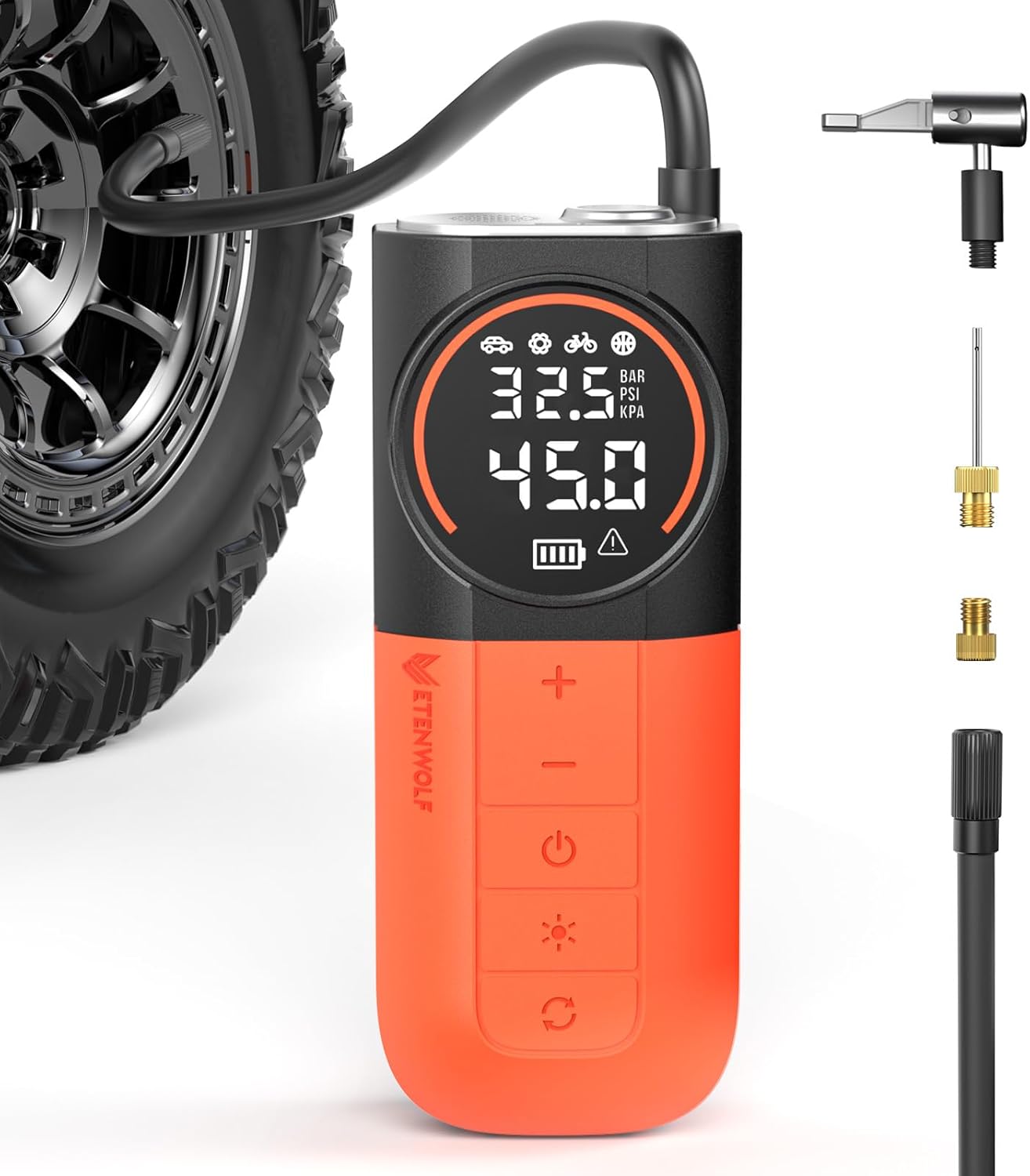
The ETENWOLF S1 cordless tire inflator delivers ultra-fast inflation with up to 160 PSI and a 20 L/min airflow for quicker tire top-offs. Its 5200mAh battery and cooling system support inflating many tires and sports balls on a single charge, while the digital pressure gauge and multi-unit display help you reach the right pressure accurately. With preset modes, pressure memory, an auto-stop feature, and an LED flashlight, it’s built for easy roadside and everyday use.
How to Choose the Right RAV4 Tires for Your Driving
The best RAV4 tire is not always the most aggressive or expensive tire. It is the tire that fits your climate, road surface, load, driving style, and wheel size.
- Highway all-season tires: Best for quiet commuting, fuel economy, long tread life, and normal paved-road use.
- All-weather tires: A good option for drivers who see rain and light winter conditions but do not want to swap seasonal tires.
- Winter tires: Best for regular snow, ice, and freezing temperatures. They improve cold-weather grip more than AWD alone.
- All-terrain tires: Useful for gravel roads, job sites, camping, and light trails, but they may add road noise, weight, and rolling resistance.
- Performance touring tires: Better for sharper road feel and wet braking, but they may wear faster depending on compound and driving style.
Before buying, match the tire size, load index, and speed rating listed on the RAV4’s placard or owner’s manual. Also check the tire’s UTQG treadwear, traction, and temperature ratings. NHTSA explains that the Uniform Tire Quality Grading system compares treadwear, wet traction, and temperature resistance for passenger tires sold in the U.S.
Monthly RAV4 Tire Inspection Checklist
Use this quick monthly checklist to catch tire problems before they turn into poor handling or a roadside failure.
- Check cold PSI on all four tires and the spare if equipped.
- Measure tread depth across the inner, center, and outer grooves.
- Look for sidewall cracks, cuts, bubbles, nails, screws, and exposed cords.
- Run your hand lightly over the tread to feel for feathering, cupping, or high-low spots.
- Check whether the RAV4 pulls, wanders, vibrates, or makes new humming noises.
- Confirm all four tires are the same size and similar tread depth, especially on AWD models.
- Check the tire date code and have older tires inspected even if tread remains.
- After rotation, reset or initialize the TPMS if your model requires it.
TPMS is helpful, but it is not a replacement for a gauge. The USTMA notes that TPMS warnings may not appear until pressure loss is significant, so monthly manual checks are still necessary.
Frequently Asked Questions
How much do tires affect RAV4 handling?
Tires affect RAV4 handling more than almost any other wear item. Tread depth, pressure, compound, sidewall stiffness, and wear pattern all change steering response, braking grip, cornering stability, road noise, and wet-road confidence.
What PSI should RAV4 tires be?
Use the cold PSI listed on your RAV4’s driver-side Tire and Loading Information label or in the owner’s manual. Many recent RAV4 models fall around 33–36 PSI depending on tire size and drivetrain, but the placard is the correct source for your exact vehicle.
Can bad tires make a RAV4 pull to one side?
Yes. A RAV4 can pull because of uneven tire pressure, uneven tread wear, a separated tire belt, mismatched tires, brake drag, or wheel alignment problems. Start by checking cold PSI and visible tire condition, then have alignment and suspension inspected if the pull remains.
When should RAV4 tires be replaced?
Replace RAV4 tires when tread reaches 2/32 inch, when wear bars are flush with the tread, or sooner if there is sidewall damage, exposed cords, bulges, repeated air loss, severe cracking, vibration, or poor wet traction. For heavy rain or winter driving, replacing before 2/32 inch is safer.
Do I need an alignment after replacing RAV4 tires?
You do not always need an alignment after replacing tires, but it is smart if the old tires had uneven wear, the RAV4 pulls, the steering wheel is off-center, you hit a pothole or curb, or suspension parts were repaired. Alignment protects the new tires from wearing out early.
Conclusion
Tires steer your RAV4’s behavior before the suspension, brakes, AWD, or stability control can do their work. Healthy tread keeps water moving away from the contact patch, correct cold PSI keeps the tire stable, and even wear helps the SUV track, brake, and corner predictably. Check pressure monthly, measure tread across the full width, rotate on schedule, and respond quickly to cupping, feathering, pulling, vibration, or sidewall damage. Treat the tires as a safety system, not just a maintenance item, and your RAV4 will feel sharper, safer, and more controlled in everyday driving.
Sources
- Toyota Owners — RAV4 Hybrid tire inflation pressure — supports using the Tire and Loading Information label and owner’s manual for the correct cold PSI.
- Toyota Owners — RAV4 tire rotation — supports Toyota’s rotation guidance and TPMS initialization note after tire rotation.
- Toyota Owners — 2024 RAV4 flat tire procedure — supports the 76 ft-lbf wheel nut torque specification after tire replacement.
- NHTSA TireWise — supports tire safety, proper tire size, inflation guidance, and UTQG tire rating explanations.
- U.S. Tire Manufacturers Association — Tire Care Essentials — supports monthly cold-pressure checks, temperature-related PSI changes, tread-depth guidance, rotation intervals, and TPMS limitations.
- Bridgestone Americas — Tire Replacement Guidance — supports the 2/32 inch tread threshold, wear-bar guidance, tire age inspection, and replacement considerations.

Related Articles

Toyota RAV4 TPMS Reset: Easy Steps That Work
Unlock the secrets to resetting your Toyota RAV4's TPMS effortlessly—discover the essential steps to ensure your tires are always safe.
Read More
Toyota RAV4 Tire Rotation: DIY Steps & Pattern
Take control of your Toyota RAV4's tire maintenance with our simple DIY rotation guide—discover the best steps for optimal performance and longevity!
Read More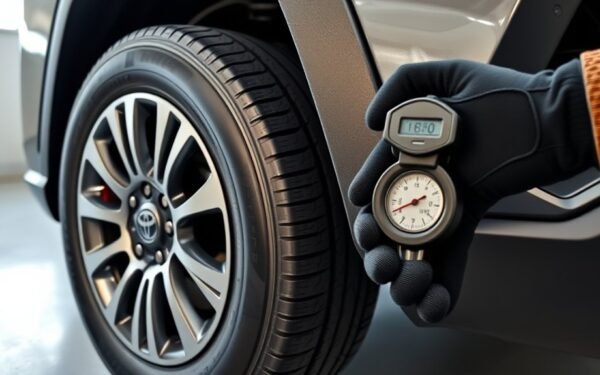
Mix Tire Brands on a Toyota RAV4? Expert Guide
Keeping your RAV4 safe? Learn when mixing tire brands risks traction, ABS/TCS and AWD damage — and what exact matches you must insist on.
Read More