
What Does a Bald Tire Look Like? Signs & When to Replace
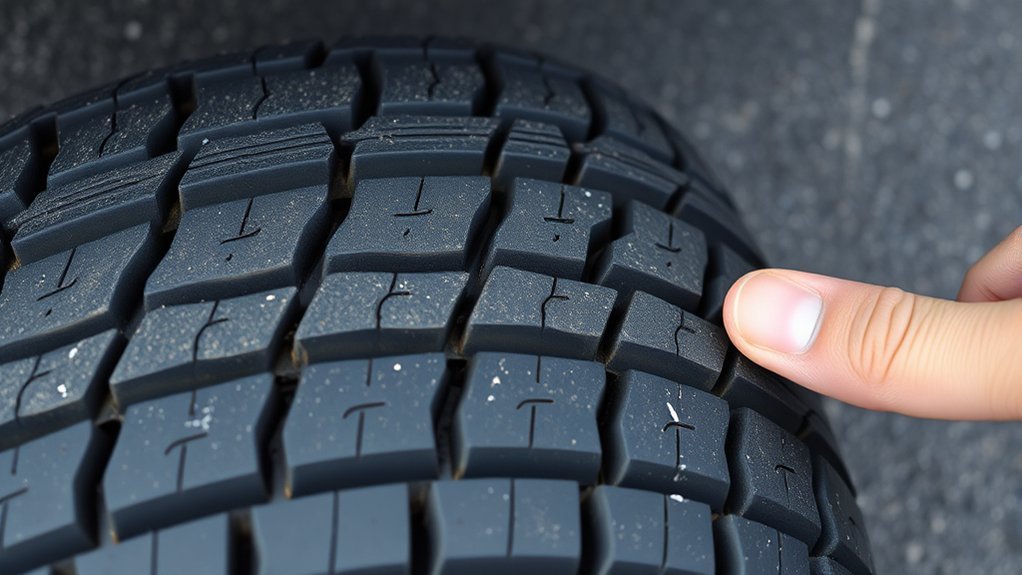
A bald tire looks smooth or nearly smooth because the tread grooves have worn down so far that they can no longer channel water or grip the road well. The clearest signs are shallow tread, wear bars sitting flush with the tread surface, slick-looking patches, uneven edge wear, cracks, bulges, cuts, or exposed cords. If the tread is at 2/32 inch or less, replace the tire; for safer wet-road traction, start planning replacement around 4/32 inch.
Quick Answer
A bald tire looks flat, slick, or smooth across the tread, with grooves that are very shallow or almost gone. If the built-in wear bars are level with the tread, or a penny test shows all of Lincoln’s head, the tire is worn to about 2/32 inch and should be replaced.
Key Takeaways
- A bald tire usually looks smooth, shiny, or patchy, with little tread groove depth left.
- Wear bars that sit flush with the tread mean the tire has reached the common 2/32-inch replacement point.
- Use a tread depth gauge for the most accurate check; use the penny test as a quick backup.
- Replace tires sooner, around 4/32 inch, if you drive often in rain because wet-road braking and handling drop as tread wears.
- Cracks, bulges, exposed cords, vibration, or pulling can mean the tire is unsafe even if some tread remains.
At a Glance
| Time Required | 3–5 minutes for all four tires |
| Difficulty | Easy |
| Tools Needed | Tread depth gauge, penny, flashlight, and tire pressure gauge |
| Cost | $0 with a penny; usually under $15 for a basic tread depth gauge |
What Does a Bald Tire Look Like?
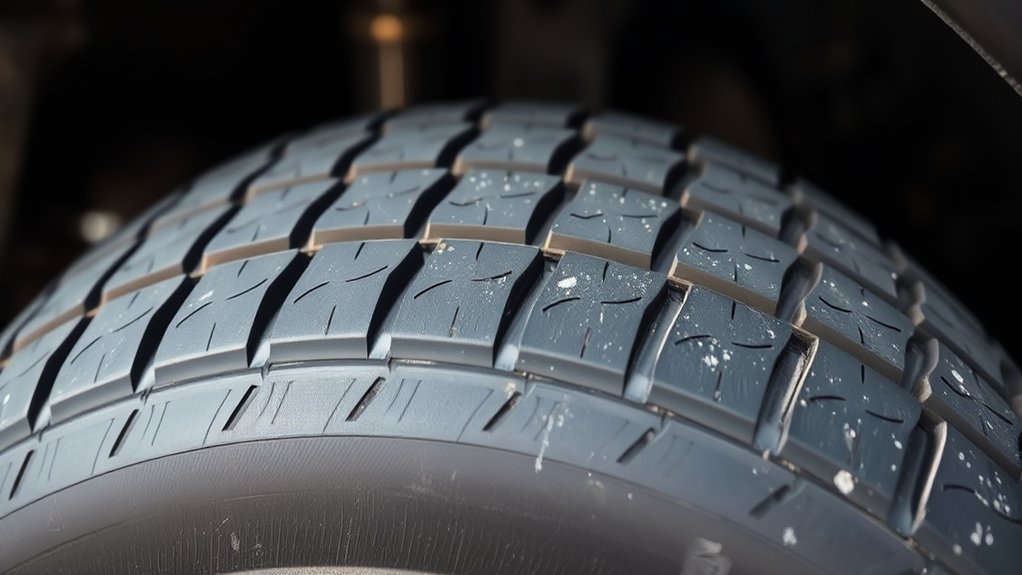
A bald tire looks worn down across the tread face. Instead of deep grooves and defined tread blocks, the surface may look smooth, flat, shiny, or patchy. In severe cases, the grooves nearly disappear and the tire looks more like a slick racing tire than a road tire.
The most important visual clue is the treadwear indicator, also called a wear bar. These are small raised bars molded across the tread grooves. According to the U.S. Tire Manufacturers Association, when the tops of the wear bars are flush with the tread, the tire needs replacement.
You may also notice:
- Bald spots in one area of the tread
- Shoulder wear on one or both outer edges
- Center wear down the middle of the tire
- Cupping or scalloping, which looks like uneven dips around the tread
- Cracks, cuts, bulges, blisters, or exposed cords
- Vibration, humming, thumping, or pulling while driving
Warning: Do not keep driving on a tire with exposed cords, a sidewall bulge, deep cracks, or a visible blister. These are signs of structural damage and can lead to sudden tire failure.
[Products Worth Considering]

This VEVOR tire bead breaker uses a slide-hammer impact and wedge tip to separate tire beads from rims quickly and efficiently without damaging hub surfaces. The long handle and sturdy steel construction help reduce user strain while providing reliable, portable tire changing for cars, trucks, and more. Ideal for home mechanics and repair shops handling multiple vehicle tire sizes.

This compact capsule-style tire repair kit helps you quickly fix punctures and plug flats with minimal effort. The rugged stainless steel shell protects the contents for reliable roadside use, while the simple plug assembly makes repairs fast and tool-free. Suitable for motorcycles, cars, ATVs, UTVs, and even mountain bikes.

This tire repair kit provides fast emergency puncture repair without removing the tire from the rim, helping you get back on the road quickly. Its screw plug system is designed for punctures in both tread and sidewall and includes a complete patch plug tool set with essential accessories. A portable storage bag makes it easy to carry for cars, trucks, SUVs, motorcycles, and heavy-duty applications.
How to Check Tread Depth
You can check tire tread depth three ways: with a tread depth gauge, with a penny, or by looking at the tire’s wear bars. A gauge is the most accurate method, but the penny test is useful when you need a quick driveway check.
Use a Tread Depth Gauge
A tread depth gauge measures tread in 32nds of an inch. Place the probe into a main tread groove, press the shoulders of the gauge flat against the tread, and read the measurement. Check at least three places on each tire: the inside edge, center, and outside edge.
If any area reads 2/32 inch or less, replace the tire. If the tire is near 4/32 inch and you drive in wet conditions, begin shopping for replacements because wet braking and hydroplaning resistance decline as tread gets shallower.
Penny Test Basics
The penny test is a quick way to estimate whether your tire is near the 2/32-inch limit. Place a penny into a main tread groove with Lincoln’s head facing down. If the tread covers part of Lincoln’s head, the tire is still above about 2/32 inch. If you can see all of Lincoln’s head, the tire is worn out and should be replaced.
Bridgestone recommends checking all four tires and paying special attention to the areas that look most worn, because one section of a tire can fail the test even when another section looks acceptable.
Know Wear Bars
Wear bars are built into many tires to show when tread has worn down to the replacement point. Look inside the grooves for small raised rubber bridges. If the surrounding tread is level with those bars, the tire is effectively bald.
Pro Tip: Use the penny test for the 2/32-inch minimum, but use a gauge for real decisions. A gauge can show whether one edge is wearing faster, which helps catch alignment, inflation, or suspension problems early.
How to Check Tires With a Penny
To check tire tread with a penny, follow these steps:
- Park on a level surface and set the parking brake.
- Turn the steering wheel so you can see the front tire tread clearly.
- Place a penny into a main tread groove with Lincoln’s head upside down.
- Look at the top of Lincoln’s head.
- If the tread covers part of his head, that spot is above about 2/32 inch.
- If you can see his entire head, the tire is at or below the common replacement threshold.
- Repeat the test on the inside edge, center, and outside edge of every tire.
Do not test only one groove. A tire can be bald on the inside edge because of misalignment while still looking acceptable on the outside edge.
Note: Tread depth laws and inspection standards vary by location and vehicle type. Treat 2/32 inch as the common minimum replacement point, not as a guarantee that the tire is safe in rain, snow, or emergency braking.
Signs Your Tires Are Wearing Unevenly
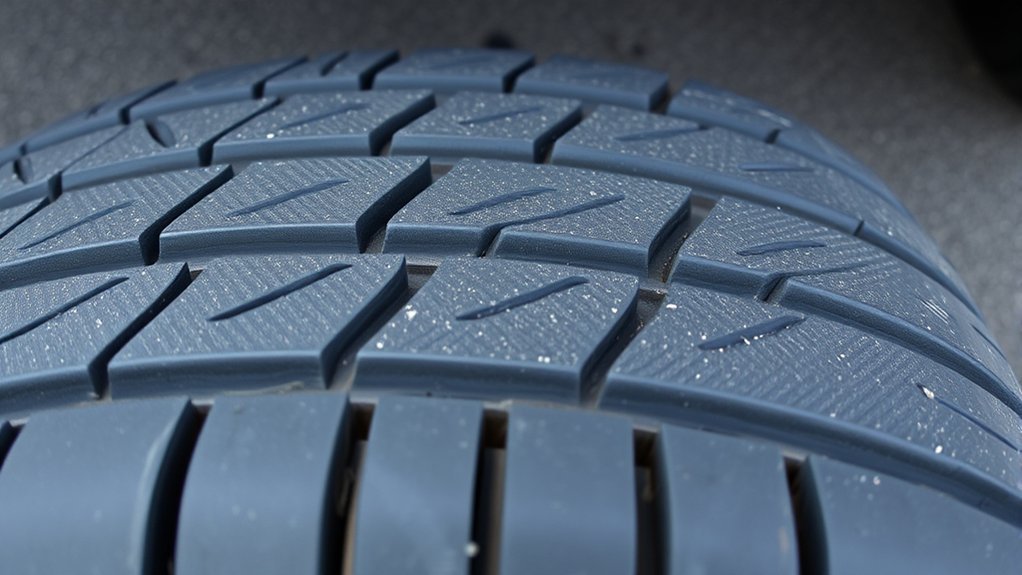
Uneven tire wear means the tread is not wearing at the same rate across the tire. It can point to incorrect tire pressure, poor alignment, worn suspension parts, unbalanced wheels, or aggressive driving habits.
Uneven Tread Patterns
Look across the full width of the tire. Wear on both outer edges often suggests underinflation. Wear down the center often suggests overinflation. Wear on only one edge often suggests misalignment. Patchy dips or scalloped areas may point to worn suspension parts or wheel balance issues.
Vibration and Pulling
Vibration through the steering wheel, a thumping sound, or a vehicle that pulls left or right can signal uneven tire wear, internal tire damage, wheel imbalance, or alignment trouble. If the vibration is new or getting worse, have the tire inspected before driving long distances.
Alignment and Inflation Issues
Misalignment can scrub tread off one side of a tire quickly. Inflation problems can wear the center or edges faster than normal. The National Highway Traffic Safety Administration recommends using the vehicle manufacturer’s cold tire pressure listed on the driver-side door label or owner’s manual, not the maximum pressure printed on the tire sidewall.
Common Causes of Bald Tires
Bald tires usually come from a mix of normal mileage and preventable maintenance problems. The most common causes include:
- Underinflation: Too little air increases heat, flexing, and shoulder wear.
- Overinflation: Too much air can wear the center of the tread faster.
- Skipped rotations: Tires in one position can wear faster than the others.
- Poor alignment: One edge may go bald while the rest of the tire still has tread.
- Worn suspension parts: Bad shocks, struts, or bushings can cause cupping and patchy wear.
- Overloading: Carrying more weight than the vehicle or tire is rated for increases heat and stress.
- Aggressive driving: Hard braking, fast cornering, and quick acceleration can wear tread faster.
- Old rubber: Tires can age out even before the tread is fully worn.
Why Bald Tires Are Dangerous
Bald tires are dangerous because tread is what helps the tire grip the road, move water away from the contact patch, and stop the vehicle under control. When tread is worn down, the tire is more likely to slide, hydroplane, puncture, overheat, or fail.
NHTSA reported 511 traffic fatalities in tire-related crashes in 2024, which is a reminder that tire condition is not a minor maintenance issue. Bald tires are especially risky in rain because shallow tread cannot clear water as effectively.
AAA testing found that new all-season tires stopped nearly 90 feet shorter on wet roads than tires worn to 4/32 inch when braking from 60 mph.
Because of that wet-road performance drop, AAA encourages replacing tires at 4/32 inch or less when wet-weather safety matters.
How Bald Tires Hurt Braking and Grip
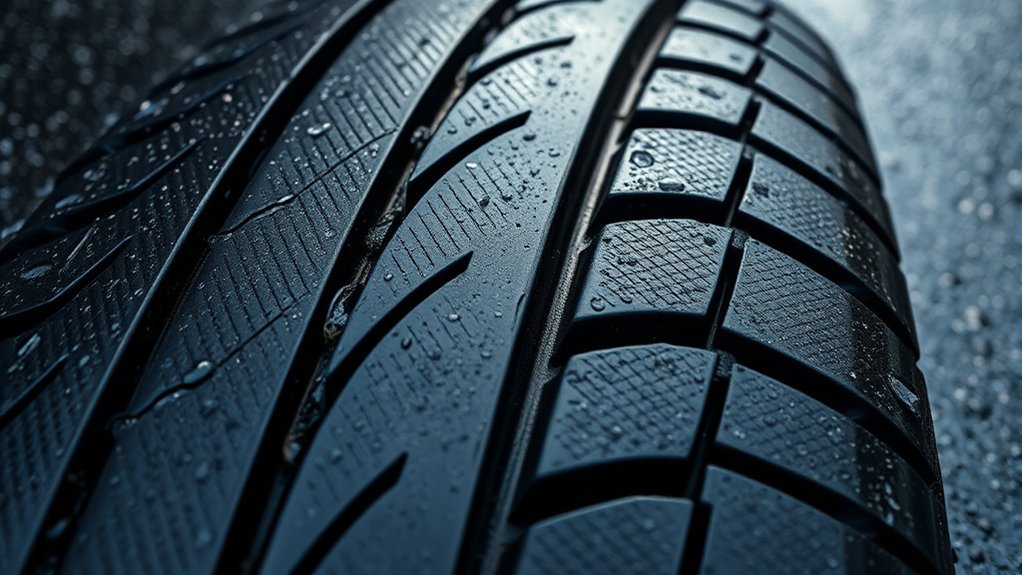
As tread wears down, the tire has less rubber pattern available to bite into the road and less groove depth to push water away. That affects braking, steering, acceleration, and cornering.
On dry roads, a worn tire may still feel normal during gentle driving, but it can lose grip sooner during sudden braking or an emergency lane change. On wet roads, the risk is higher because water can lift the tire away from the pavement, causing hydroplaning.
If you feel the vehicle slide, spin, or activate stability control more often in rain, check tread depth immediately. The tire may still be legal in some areas but no longer safe for your driving conditions.
[Products Worth Considering]
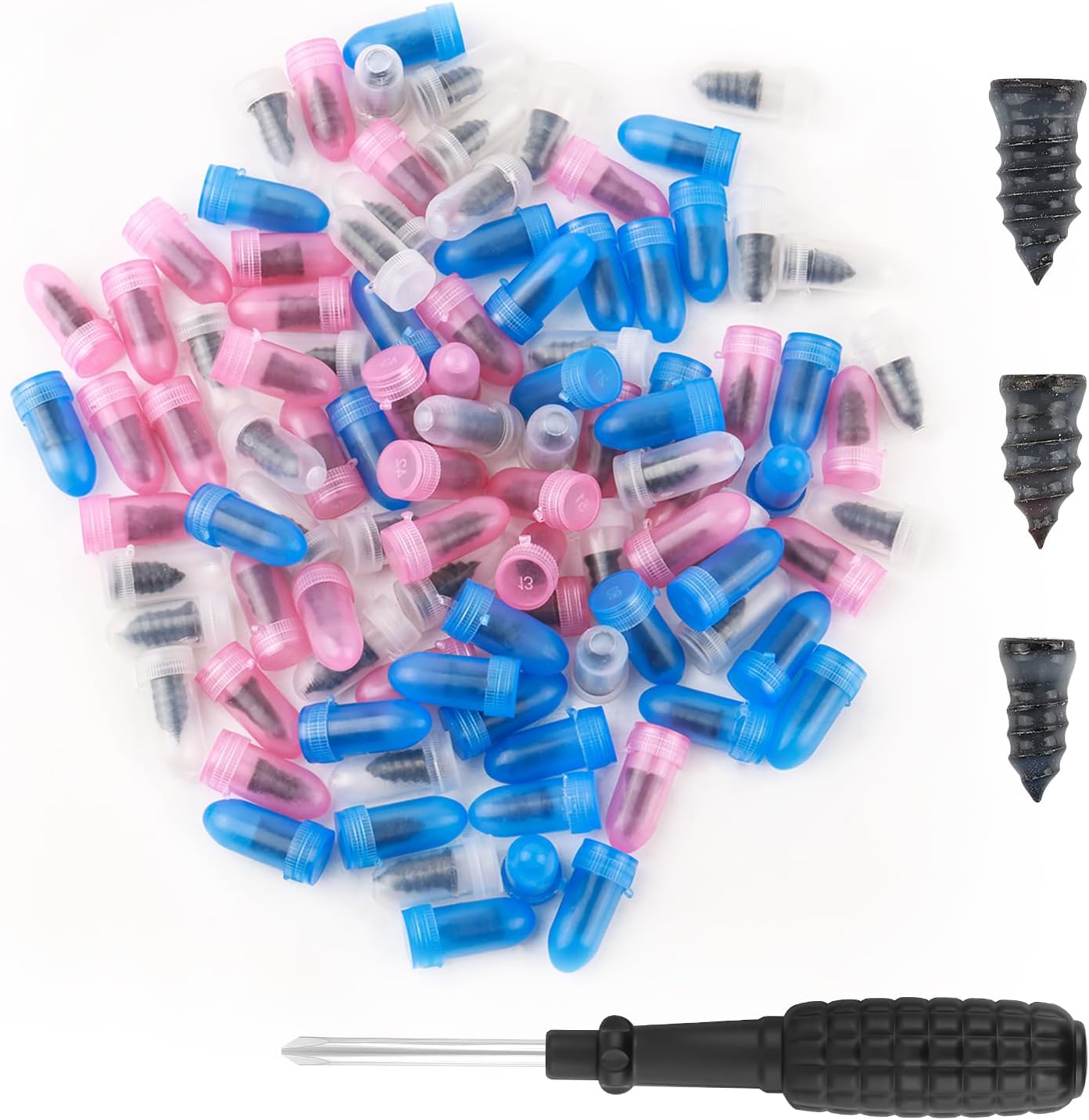
This 100-piece tire repair screw plug kit provides a fast, self-service solution for punctures on the road. Choose the correct plug size, insert it into the break, and screw it in to help seal the puncture and temporarily restore tire pressure. Thickened threads and rubber-wrapped plugs improve bite and sealing while remaining compact and easy to carry.
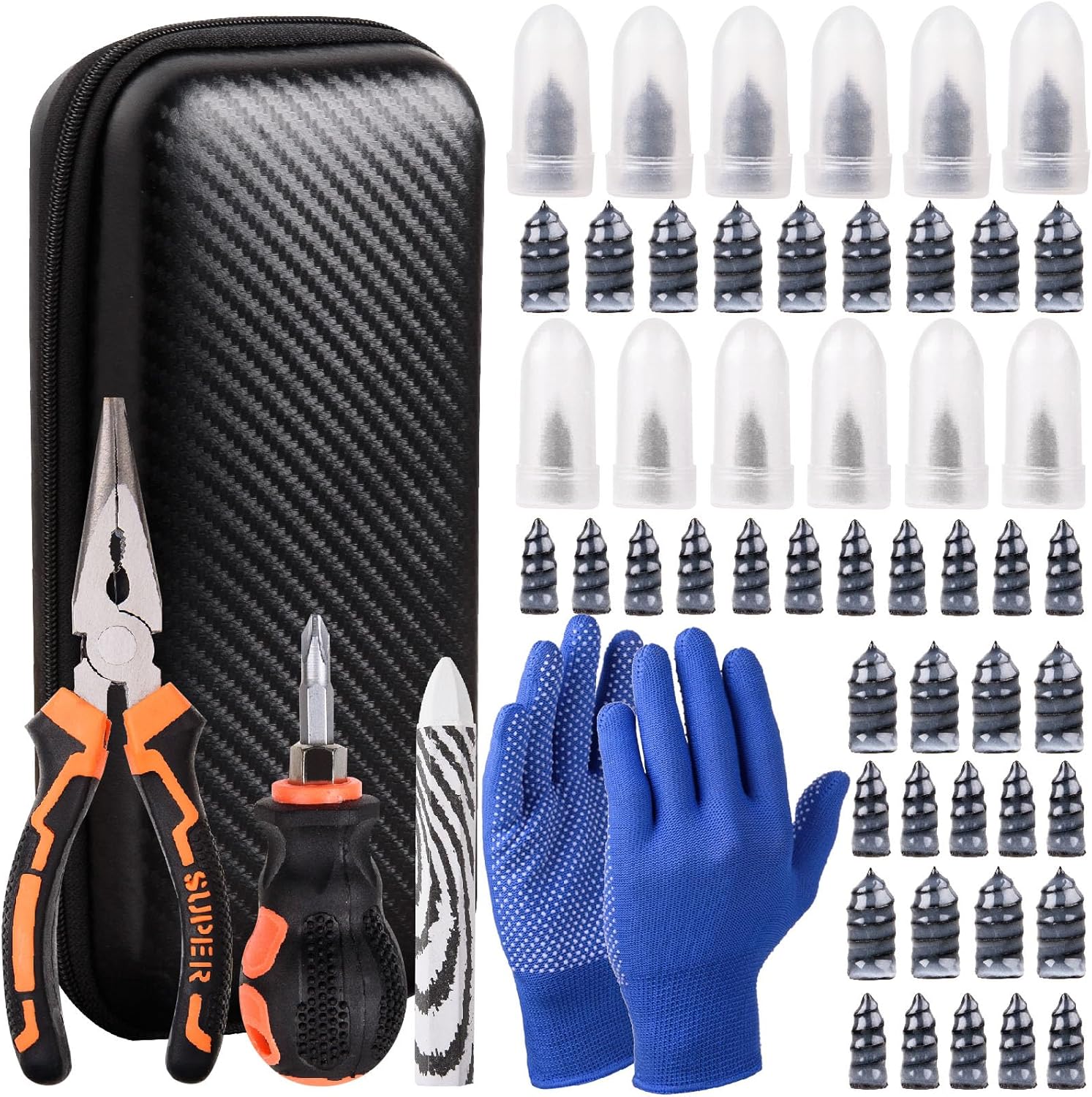
This tire sidewall puncture repair kit fixes flats fast without removing the tire, helping you get back on the road in minutes. It includes self-tapping repair nails, essential tools, gloves, and a portable storage bag for convenient roadside use. Designed for tubeless tires, it helps create a tight, leak-resistant seal for cars, motorcycles, trucks, SUVs, and ATVs.
When to Replace Bald Tires
Replace a tire immediately if the tread depth is 2/32 inch or less, if wear bars are flush with the tread, or if the penny test shows all of Lincoln’s head. Replace sooner if you drive often in rain, snow, or mountain conditions.
You should also replace or professionally inspect a tire right away if you see:
- Steel cords or fabric showing through the tread
- A sidewall bulge, blister, or bubble
- Deep cracks in the sidewall or tread
- A cut that exposes internal material
- Repeated pressure loss
- Severe vibration after hitting a pothole or curb
Tire age matters too. Michelin recommends a professional inspection at least once a year after five years of use and replacement after ten years from the date of manufacture, even if tread remains. Bridgestone gives similar ten-year replacement guidance, including spare tires.
How to Check Tire Age
Look for the DOT code on the tire sidewall. The last four digits show the week and year the tire was made. For example, a code ending in 3520 means the tire was manufactured in the 35th week of 2020. If the full DOT code is not visible, check the other side of the tire.
What to Do if You Have a Bald Tire
If you discover a bald tire, the safest move is to replace it before driving again. If you must drive a short distance to a tire shop, reduce speed, avoid highways when possible, avoid wet roads, leave extra braking distance, and do not carry heavy loads.
Do not rely on a bald tire for a road trip, bad weather, towing, or high-speed driving. If the tire has cords showing, a bulge, or rapid air loss, use a properly inflated spare or call roadside assistance instead of driving on it.
How to Prevent Bald Tires
You can prevent bald tires by keeping pressure correct, rotating tires on schedule, checking alignment, and inspecting tread before the tire becomes unsafe.
Check Tire Pressure
Check tire pressure at least once a month and before long trips. Measure when the tires are cold, meaning the vehicle has been parked for at least three hours. Use the pressure listed on the driver-side door placard or owner’s manual.
Do not use the number printed on the tire sidewall as your normal inflation target. That number is the tire’s maximum pressure, not the vehicle’s recommended pressure.
Rotate Tires Regularly
Rotating your tires helps them wear evenly. Follow your owner’s manual first. If no interval is listed, the U.S. Tire Manufacturers Association recommends rotation every 5,000 to 8,000 miles. Check pressure after rotation and look for uneven wear while each tire is easy to inspect.
Keep Alignment and Balance in Check
Schedule an alignment check if the vehicle pulls, the steering wheel sits off-center, or one edge of a tire is wearing faster than the other. Have wheels balanced if you feel vibration at certain speeds. These small fixes can prevent one tire from going bald long before the others.
Tire Maintenance Tips for Longer Tread Life
Good tire maintenance gives you safer handling, better fuel economy, and longer tread life. Use this routine:
- Monthly: Check cold tire pressure, including the spare.
- Every fuel stop or wash: Look for nails, cracks, bulges, and uneven tread.
- Every 5,000–8,000 miles: Rotate tires unless your owner’s manual gives a different interval.
- After a pothole or curb hit: Inspect the tire and wheel for bulges, cuts, vibration, or pressure loss.
- Before rainy or winter seasons: Measure tread depth with a gauge.
- After five years of use: Have tires inspected annually by a tire professional.
- At ten years from manufacture: Replace tires, including spares, unless the vehicle or tire maker requires earlier replacement.
Frequently Asked Questions
How long can you drive on a bald tire?
You should not keep driving on a bald tire. Once tread reaches 2/32 inch or less, grip, wet braking, and puncture resistance are reduced. If you discover the tire is bald, drive only as far as needed to reach a tire shop safely, and avoid rain, highways, heavy loads, and sudden braking.
Will tires pop if they are bald?
Bald tires do not automatically pop, but they are more vulnerable to punctures, heat buildup, and structural failure. The risk is much higher if the tire is underinflated, overloaded, cracked, bulging, or worn down to exposed cords.
How long does it take for tires to go bald?
There is no single timeline. Tire life depends on tire design, road surface, climate, vehicle weight, alignment, pressure, rotation habits, and driving style. Some tires wear out early because of poor maintenance, while others last much longer. Measure tread depth instead of relying on age or mileage alone.
What is considered a balding tire?
A balding tire is a tire with tread getting close to the replacement point. If it is near 4/32 inch, wet traction is already reduced. If it reaches 2/32 inch, the tire is commonly considered worn out and should be replaced.
Can I replace only one bald tire?
Sometimes, but it depends on the vehicle, drivetrain, tire size, tread depth on the other tires, and manufacturer guidance. All-wheel-drive vehicles are often more sensitive to tread-depth differences. Ask a tire professional before replacing only one tire.
Can a tire be unsafe even if it is not bald?
Yes. A tire can be unsafe because of age, sidewall damage, cracks, bulges, punctures, impact damage, repeated pressure loss, or internal separation. Tread depth is important, but it is not the only safety factor.
Conclusion
A bald tire is easy to spot once you know what to look for: shallow grooves, smooth tread, flush wear bars, bald patches, cracks, bulges, or cords showing through. Check tread depth with a gauge, use the penny test for a quick warning, and replace tires at 2/32 inch or sooner when wet-road grip matters. Keep tires inflated, rotated, aligned, and inspected so they wear evenly and stay safe longer.
Sources
- U.S. Tire Manufacturers Association — Tire Care Essentials — supports 2/32-inch tread depth, wear bars, penny test, pressure checks, and rotation interval.
- National Highway Traffic Safety Administration — TireWise — supports tire safety, pressure guidance, tire-related crash context, and blowout safety.
- AAA — New Tires on Wet Roads Have Shorter, Safer Stopping Distance — supports wet-road stopping distance and 4/32-inch replacement guidance.
- Bridgestone — Tire Replacement Guidance — supports penny test steps, wear bars, visual inspection, and ten-year tire age guidance.
- Michelin — When to Replace Tires — supports tire age, DOT date code, annual inspection after five years, and replacement after ten years.
- eCFR 49 CFR § 570.62 — Tires — supports tread-depth inspection standards and legal-threshold nuance.

Related Articles

How to Pass Your Driving Test the First Time
Uncover simple driving test strategies that boost your chances of passing first time, and discover the one mistake most learners overlook.
Read More
How Long Can You Drive a Car Continuously?
Pushing your limits, discover how long you can really drive continuously before fatigue, vehicle stress, and safety risks change the answer.
Read More
Tire Tread Depth: How It Affects Grip and Safety
Tire tread depth shapes grip, braking, and wet-road safety, but the real warning signs and replacement timing may surprise you.
Read More