
Tire Ice Traction Explained: Staying Safe in Your RAV4
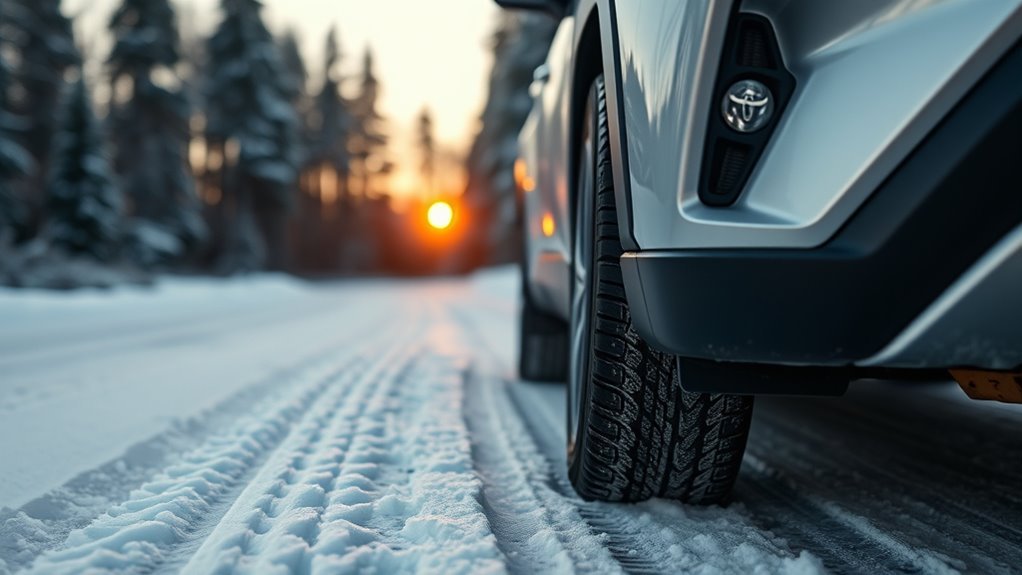
Icy roads demand more than all-wheel drive. To keep a Toyota RAV4 controllable, start with the right tires, set the pressure from the driver-door placard or owner’s manual, slow down early, and use AWD, traction control, Snow Mode, or Trail Mode only as backup systems. Tires create the grip; the vehicle systems can only manage the grip that is available.
Quick Answer
For icy roads, a RAV4 needs four matching winter or severe-snow-rated tires, correct cold tire pressure, enough tread depth, and smooth driving inputs. AWD can help you start moving, but it does not shorten stopping distance. If chains are required, follow your exact Toyota owner’s manual and local chain-control rules.
Key Takeaways
- Choose four matching winter tires or all-weather tires with the 3PMSF symbol if you regularly drive on snow or ice.
- Set pressure when the tires are cold, using the RAV4’s door placard or owner’s manual—not the number molded into the tire sidewall.
- Replace tires before winter grip is gone; for icy conditions, do not wait until the legal minimum tread depth.
- Use chains or cables only where legal, only where Toyota allows them for your tire size, and only as directed in the owner’s manual.
- AWD, ABS, traction control, Snow Mode, and Trail Mode help manage wheelspin, but they cannot overcome ice or make the RAV4 stop like it would on dry pavement.
At a Glance
| Time Required | 10–20 minutes for a pre-drive tire and safety check; longer if installing chains or swapping tires. |
| Difficulty | Easy for pressure, tread, and kit checks; moderate for chain installation. |
| Tools Needed | Tire pressure gauge, tread depth gauge or coin check, flashlight, gloves, approved chains or cables if required, and the RAV4 owner’s manual. |
| Cost | Pressure and tread checks cost little or nothing; winter tires, professional mounting, or chains vary by tire size and location. |
Quick Checklist: Stay Safe on Icy Roads
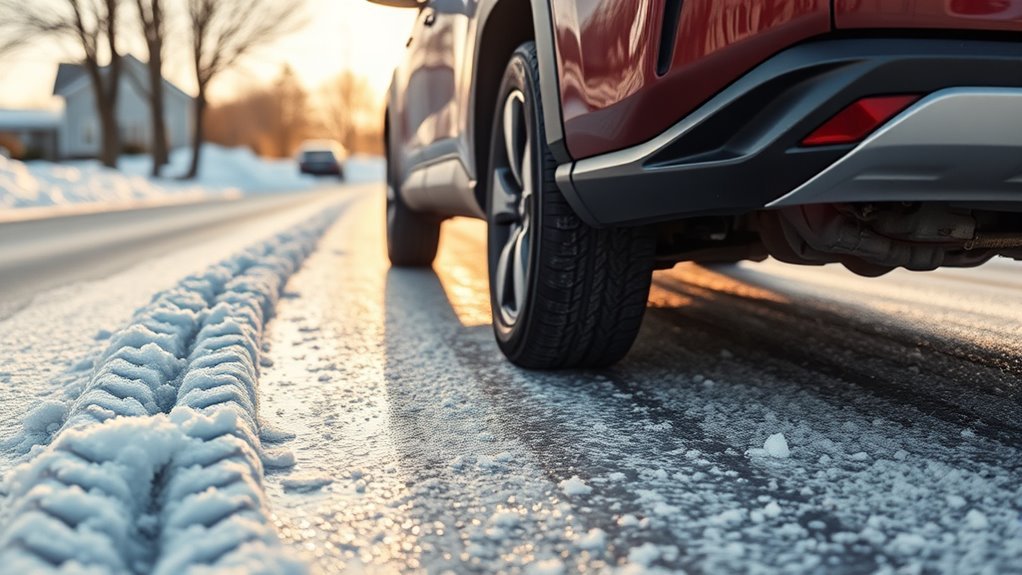
Before you drive a RAV4 on ice, run a short tire and safety check. Start with the tire type: if your area gets regular snow, freezing rain, packed ice, or mountain pass travel, use four matching winter tires or all-weather tires carrying the Three-Peak Mountain Snowflake (3PMSF) severe-snow symbol. The 3PMSF mark is a useful winter baseline, but it is not a promise that every tire will stop equally well on glare ice.
- Check cold tire pressure against the Toyota door placard or owner’s manual.
- Inspect tread depth at several points across each tire.
- Look for cracks, bulges, punctures, cuts, uneven wear, or exposed cords.
- Confirm all four tires are the same size, type, load rating, and general wear level.
- Pack a winter kit: scraper, gloves, blanket, flashlight, phone charger, traction aid, shovel, water, snacks, and basic first-aid supplies.
- Check weather, road closures, and chain-control signs before leaving.
Warning: If freezing rain, black ice, or road closures are reported, the safest choice may be to delay the trip. AWD can help a RAV4 move, but it cannot create braking grip on ice.
[Products Worth Considering]
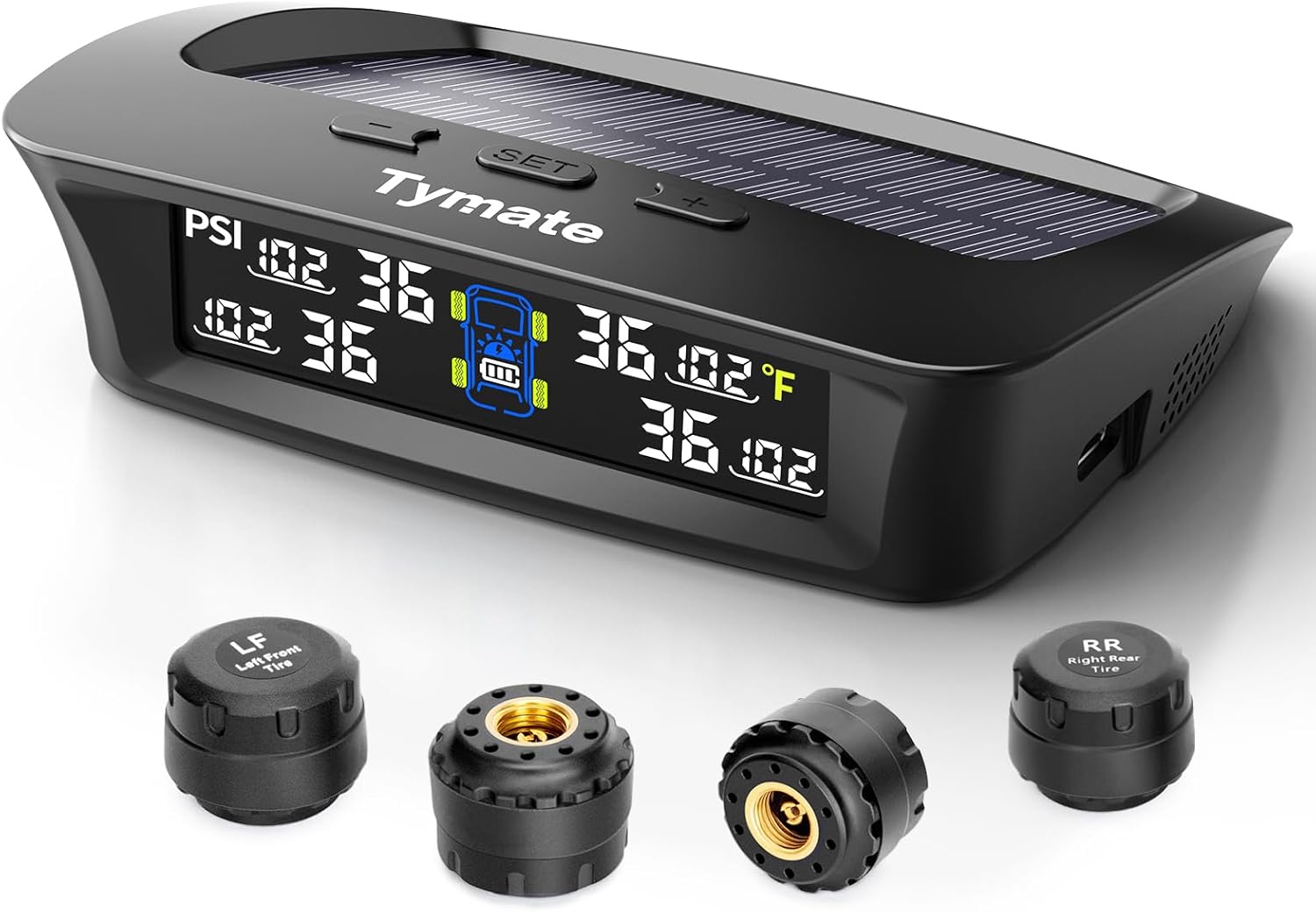
The Tymate TM3 RV TPMS delivers real-time tire pressure monitoring from 0 to 144 PSI with accurate readings and dependable wireless communication. It includes four external sensors with pre-pairing, six alarm modes for rapid leak, pressure extremes, temperature, and signal loss, plus an easy-reference setup for alert thresholds. Solar and USB-C charging help keep the display powered, while the color LCD and adaptive backlight improve visibility for safer driving and towing.

EVOULTES heavy duty tire inflator with an integrated gauge delivers accurate pressure readings from 10–120 PSI, helping you inflate, deflate, and check tires in one tool. The 16.5-inch extended dual-head air chuck with swivel base reaches hard-to-access dual wheel valves on trucks and RVs. A brass trigger core and side-mounted air release valve make operation smooth, with standard 1/4" NPT threading and quick-connect compatibility for easy setup.

The JACO FlowPro Tire Inflator measures, inflates, and airs down tires up to 100 PSI with battery-free operation and ±2% accuracy after calibration. It features a glowing pressure dial for night visibility, a heavy-duty steel build with a hybrid hose, and a precision push-to-inflate thumb trigger. The patented Lightning Air Chuck locks on for a secure seal, and the kit includes quick-connect hardware for easy inline use with your air compressor.
Why Ice Reduces Tire Grip and How Your RAV4 Reacts
Ice reduces friction between the tire and the road. That means the RAV4 needs more distance to stop, more space to turn, and gentler throttle inputs to avoid wheelspin. A thin film of water on top of ice can make the surface even slicker, especially near freezing temperatures.
AWD helps most when you are accelerating from a stop or climbing a slippery grade. It does not make the tires grip harder while braking. ABS can help prevent wheel lock, stability control can help reduce skids, and traction control can limit wheelspin, but all of these systems are limited by the tire’s contact with the road. The National Highway Traffic Safety Administration recommends slowing down and increasing following distance because slick roads make vehicles harder to control or stop.
- Acceleration: AWD and traction control may reduce wheelspin, but aggressive throttle can still break traction.
- Braking: Stopping distance depends mainly on tire grip, speed, road surface, and driver input.
- Steering: Ice reduces lateral grip, so sudden steering can cause understeer or a slide.
- Cold rubber: Many all-season compounds harden in low temperatures, reducing flexibility and bite.
- Pressure changes: Cold weather lowers tire pressure, which can hurt handling and tire wear.
NHTSA reported 320 fatal crashes and an estimated 22,293 injury crashes in 2023 when snow or sleet conditions were present. Treat winter tire prep as a safety step, not just a convenience.
Choosing Tires for Ice: Winter vs. All-Weather vs. All-Season
The best tire depends on how often you face ice, snow, and freezing temperatures. For repeated icy-road driving, dedicated winter tires are the strongest choice. All-weather tires with 3PMSF can be a practical year-round compromise in milder winter areas. Regular all-season tires may be acceptable for cold dry roads and light winter use, but they are the weakest option for ice and packed snow.
| Tire Type | Best Use | Ice-Road Notes |
| Dedicated winter tires | Regular snow, ice, mountain passes, and long winter seasons. | Best overall choice for icy RAV4 driving. Look for 3PMSF and choose a tire designed for ice, not only deep snow. |
| All-weather tires | Drivers who need one tire set year-round but still face occasional winter roads. | Choose 3PMSF models. Better than standard all-season tires in winter, but usually not as strong as dedicated winter tires on ice. |
| All-season tires | Mild climates with little ice or snow. | Weakest option for ice. If winter storms are common, upgrade before relying on AWD. |
Note: Use four matching winter tires, not just two. Mixing winter tires with all-season tires can unbalance grip between the front and rear axles and make the RAV4 harder to control.
Fix Traction Now: Pressure, Tread, Chains, and Driving Techniques
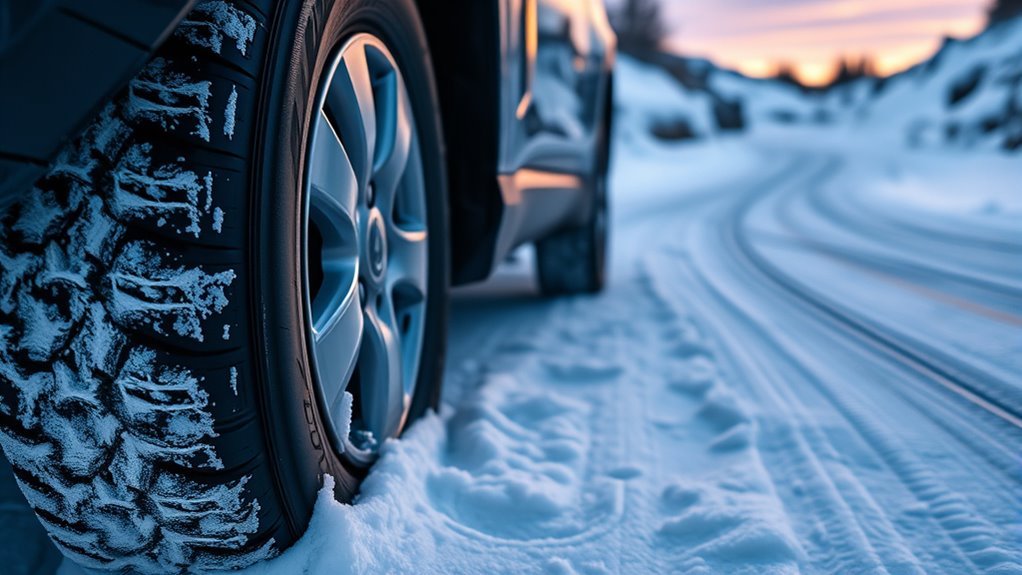
Start with tire pressure. The safest number is the cold tire pressure printed on your RAV4’s driver-door placard or listed in the owner’s manual. Many RAV4 trims are near the low-30-psi range, but do not treat 30–33 psi or 2.1–2.3 bar as universal. Tire size, model year, trim, load, and market can change the recommended setting.
The NHTSA TireWise guidance says tire pressure should be checked when tires are cold, meaning the vehicle has not been driven for at least three hours. TPMS is helpful, but it is not a substitute for a gauge because it may warn only after a tire is significantly underinflated.
- Pressure: Check all four tires and the spare if equipped. Adjust to Toyota’s cold-pressure specification.
- Tread: Use a tread gauge and check several grooves. For winter driving, replace before tread is too shallow to clear slush and bite into snow.
- Wear pattern: Feathering, cupping, inside-edge wear, or one tire wearing faster may point to alignment, suspension, or rotation problems.
- Sidewalls: Do not drive on tires with bulges, cracks, deep cuts, exposed cords, or repeated pressure loss.
- Rotation: Follow the Toyota maintenance schedule or tire manufacturer guidance; NHTSA notes that, when recommended, many vehicles use 5,000–8,000-mile rotation intervals.
Pro Tip: Check pressure before sunrise or before the first drive of the day. A warm tire can read higher and hide underinflation.
Using Chains or Cables on a RAV4
Chains and cables can improve grip on packed snow or ice, but they are not universal for every RAV4 wheel and tire package. Always check your exact owner’s manual first. Toyota’s 2024 RAV4 winter-driving guidance says to fit the vehicle with four snow tires or purchase tire chains for the front tires, and it also notes that chains cannot be mounted on vehicles with 235/55R19 tires. Other model years and tire sizes may differ, so do not guess.
- Use only the chain or cable type approved for your exact tire size.
- Install chains on the wheels specified by Toyota for your model year.
- Practice installation at home before you need chains in snow or freezing rain.
- Stop in a safe, legal area before installing or removing chains.
- Drive slowly with chains and remove them when you return to clear pavement unless chain-control rules require otherwise.
- Check local laws because chain requirements can vary by road, storm, and region.
Warning: The wrong chains, wrong axle placement, or chains on a tire size Toyota excludes can damage the vehicle and reduce control. Follow the owner’s manual and chain manufacturer instructions exactly.
RAV4 AWD, Snow Mode, Trail Mode, and Traction Control
Not every RAV4 is configured the same way. Some model years include front-wheel-drive trims, some include mechanical AWD systems, and hybrid models may use electronic AWD. The controls also vary: some RAV4s have Snow Mode, some have Trail Mode, and some have Multi-terrain Select.
Use the mode that matches your vehicle and road surface, but keep expectations realistic. Toyota describes Snow Mode as a setting for slippery roads such as snow. Toyota describes Trail Mode as integrated control of AWD, braking, and drive-force systems, and warns that it does not expand the vehicle’s limits.
- Keep traction control on for normal icy-road driving. It helps reduce wheelspin.
- Use Snow Mode if your RAV4 has it and the road is snowy or slippery.
- Use Trail Mode only where your manual recommends it, such as rough or low-traction surfaces, not as a substitute for winter tires.
- Use ABS correctly: in a hard stop, press the brake firmly and steer where you need to go.
- Do not disable safety systems unless the owner’s manual specifically tells you to for a stuck-vehicle situation.
[Products Worth Considering]

This portable cordless tire inflator delivers fast, efficient inflation for cars, motorcycles, bikes, and sports balls with a digital pressure gauge. Use the one-click PSI preset with auto shut-off for accurate, hands-free topping to your target pressure up to 150 PSI. It’s compact and rechargeable with a built-in emergency LED light plus valve adapters and accessories for quick, ready-to-go use.

This portable cordless tire inflator delivers up to 160 PSI with fast 17 L/min airflow to help you quickly top up tires and get back on the road. It features dual power mode, running on a 21V rechargeable battery or a 12V DC adapter for convenient roadside use. An automatic shut-off with digital pressure gauge helps prevent overinflation, and a built-in LED light improves visibility in low-light conditions.
If Your RAV4 Starts to Slide or Gets Stuck
If the RAV4 starts to slide, stay calm and avoid sudden corrections. Look where you want the vehicle to go, ease off the accelerator, and steer gently. If ABS activates, you may feel pulsing in the brake pedal; keep steady pressure instead of pumping the brakes on ABS-equipped vehicles.
- If the front pushes wide: ease off the throttle, reduce steering angle slightly, and wait for the tires to regain grip.
- If the rear slides: look down the road, steer gently in the direction you want to travel, and avoid slamming the brakes.
- If you are stuck: clear snow from around the tires, straighten the wheels, use a traction aid, and apply light throttle.
- If rocking the vehicle: follow the owner’s manual and avoid spinning the tires at high speed.
- If conditions worsen: pull over only where safe and visible, turn on hazard lights, and call for assistance.
Tire Maintenance, Winter Safety Prep & Insurance Checklist
Good winter traction starts before the storm. Inspect the RAV4 at least monthly and before long trips. NHTSA recommends checking tire pressure, tread, sidewalls, and tire age, and it also advises drivers to prepare batteries, coolant, washer fluid, visibility items, and emergency supplies for winter travel.
- Use winter-rated washer fluid and keep the reservoir full.
- Clear all windows, mirrors, lights, sensors, and the roof before driving.
- Check wiper blades and replace weak blades before freezing rain season.
- Keep the fuel tank or battery charge comfortably above the minimum for delays.
- Have the battery and charging system checked before deep cold.
- Store a compact shovel, traction aid, blanket, gloves, water, snacks, flashlight, and phone charger.
- Review your insurance policy for roadside assistance, towing, collision, comprehensive coverage, and deductible terms. Coverage varies by policy and insurer.
Note: If you become stranded, stay with the vehicle when it is safer than walking. Keep the exhaust pipe clear of snow and run the engine only as needed for warmth to reduce carbon-monoxide risk.
Frequently Asked Questions
Should you drive with traction control on in ice?
Yes. Keep traction control on for normal icy-road driving. It helps reduce wheelspin when a tire starts to slip. Turn it off only if your owner’s manual recommends doing so for a specific stuck-vehicle situation, and turn it back on once you are moving again.
Is the Toyota RAV4 always in 4-wheel drive?
No. RAV4 drivetrains vary by model year and trim. Some are front-wheel drive, while AWD-equipped models can send torque to additional wheels when needed. Even with AWD, the RAV4 is not a substitute for winter tires, lower speed, and longer braking distance on ice.
What mode should I drive my RAV4 in the snow?
Use Snow Mode if your RAV4 has it and the road is slippery. Use Trail Mode only where your manual recommends it, such as rough or low-traction surfaces. These modes can help manage throttle, braking, and wheelspin, but they do not increase the tire’s physical grip on ice.
Do AWD RAV4 models need winter tires?
Yes, if you regularly drive on ice, snow, or freezing mountain roads. AWD can help the RAV4 accelerate, but tires provide the grip needed for braking and steering. Four matching winter tires are the best choice for frequent icy-road use.
Can I put chains on a Toyota RAV4?
Sometimes, but it depends on model year, tire size, chain type, and local law. Check your exact owner’s manual before buying or installing chains. Toyota’s 2024 RAV4 guidance says chains are for the front tires and warns that chains cannot be mounted on vehicles with 235/55R19 tires.
What tire pressure should I use for icy roads?
Use the cold tire pressure on the RAV4’s driver-door placard or in the owner’s manual. Do not lower pressure for ice unless Toyota specifically instructs it. Underinflation can hurt handling, increase heat buildup, and cause uneven tire wear.
Conclusion
Your RAV4 is safest on ice when the tires, pressure, tread, and driving technique all work together. Choose four matching winter-capable tires, check cold pressure from the Toyota placard, inspect tread and sidewalls, carry approved chains only if your tire size allows them, and drive with smooth inputs. AWD and drive modes are helpful tools, but the real safety margin comes from grip, space, patience, and preparation.
Sources
- NHTSA Winter Weather Driving Tips — winter-road risk, following distance, cold tire pressure, tire checks, emergency prep, and carbon-monoxide warning.
- NHTSA TireWise: Tire Safety Ratings and Awareness — cold tire pressure procedure, TPMS limits, tread inspection, rotation, alignment, and tire maintenance.
- Toyota 2024 RAV4 Winter Driving Tips — Toyota guidance on snow tires, chains, matching tires, and tire-size restrictions.
- Toyota 2025 RAV4 Hybrid Trail Mode — Trail Mode purpose and Toyota’s warning that it does not expand vehicle limits.
- Toyota 2024 RAV4 Snow Mode — official description of Snow Mode for slippery road surfaces.
- U.S. Tire Manufacturers Association TISB 37 — severe-snow tire definition and 3PMSF reference.

Related Articles

Toyota RAV4 TPMS Reset: Easy Steps That Work
Unlock the secrets to resetting your Toyota RAV4's TPMS effortlessly—discover the essential steps to ensure your tires are always safe.
Read More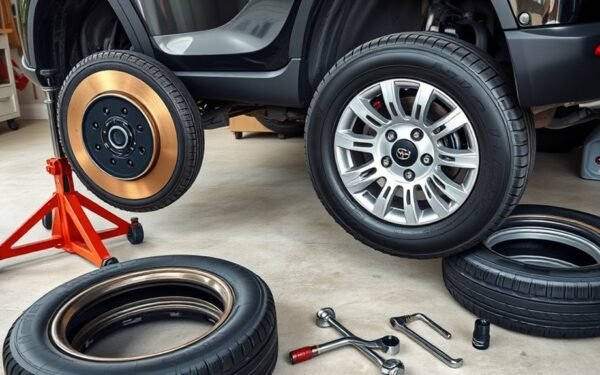
Toyota RAV4 Tire Rotation: DIY Steps & Pattern
Take control of your Toyota RAV4's tire maintenance with our simple DIY rotation guide—discover the best steps for optimal performance and longevity!
Read More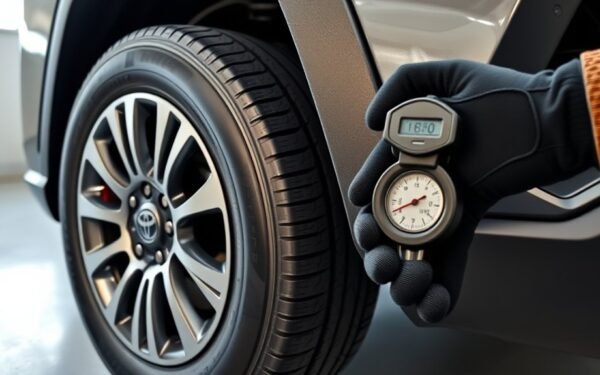
Mix Tire Brands on a Toyota RAV4? Expert Guide
Keeping your RAV4 safe? Learn when mixing tire brands risks traction, ABS/TCS and AWD damage — and what exact matches you must insist on.
Read More