
How to Dispose of a Tire for Free: Best Recycling Options
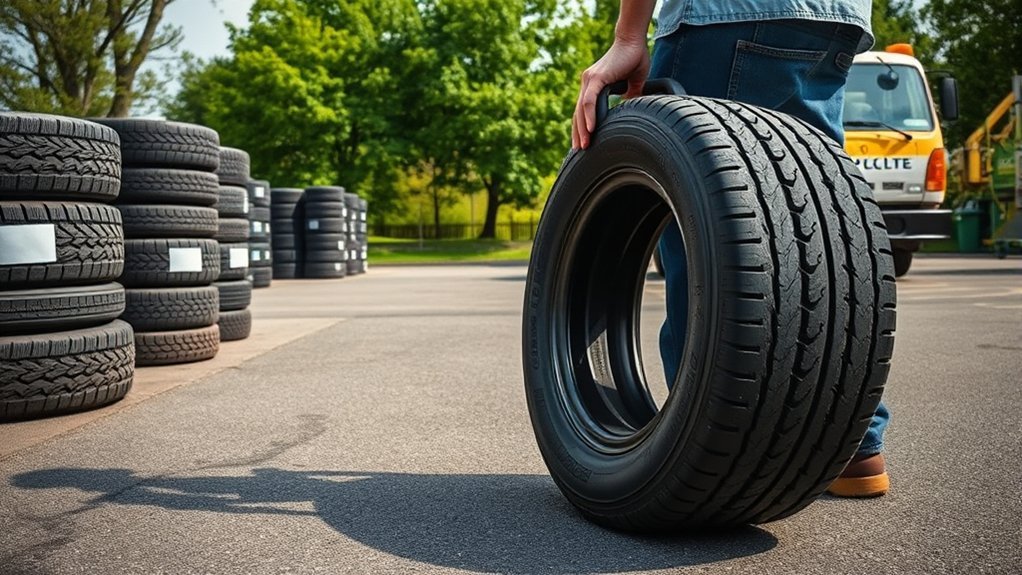
You can recycle or dispose of old tires for free in some areas, but the best option depends on your ZIP code, tire type, quantity, and local rules. Start with county tire amnesty events, municipal recycling programs, and tire retailers that accept old tires when you buy replacements. Always call first, because many sites have residency rules, tire limits, rim restrictions, or disposal fees.
Quick Answer
The easiest ways to recycle tires for free are local tire amnesty days, county clean-up events, municipal drop-off programs, and retailer take-back when you buy new tires. Free programs usually require proof of residency, limit the number of tires, and may reject tires with rims, mud, debris, or commercial loads.
Key Takeaways
- Check county tire amnesty days and city clean-up events first, because these are the most common free options for residents.
- Ask tire shops about take-back when buying new tires, but do not assume it is free; many retailers charge a disposal fee.
- Use a ZIP-code recycling search tool or your local solid waste website to find current drop-off rules near you.
- Remove rims, clean off mud and debris, and confirm quantity limits before loading tires.
- Never dump tires illegally. Tire piles can create fire hazards and collect standing water that attracts pests.
At a Glance
| Time Required | 10–20 minutes to verify rules; 30–90 minutes for drop-off, depending on distance and wait time |
| Difficulty | Easy, as long as you confirm the rules before going |
| Tools Needed | Gloves, vehicle space, proof of residency, and basic tools if rims must be removed |
| Cost | Often free at amnesty events; everyday drop-offs and retailers may charge per tire |
Where Can You Recycle Tires for Free?
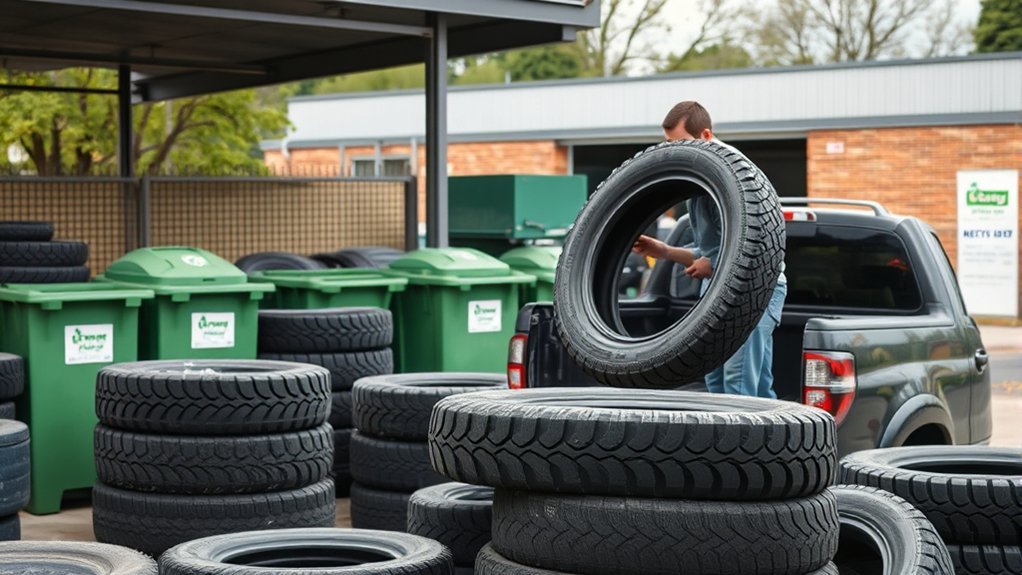
You can often recycle tires for free through local government tire amnesty days, county clean-up events, and special municipal collection programs. These programs are usually designed for residents, not businesses, and they often limit how many passenger tires you can bring.
Every program is different. Some accept only car and light truck tires. Some require the tire to be off the rim. Some require an appointment, driver’s license, utility bill, or other proof that you live in the service area. Before you load your vehicle, check the program page or call the recycling coordinator.
A good starting point is the Earth911 recycling search, which lets you search by material and ZIP code. You should also search your city, county, or solid waste district website for phrases such as “tire amnesty,” “waste tire event,” “scrap tire collection,” or “household tire recycling.”
Note: “Free tire recycling” is usually local and event-based. If no free event is open now, a nearby recycler, landfill, or tire shop may still accept tires for a small fee.
[Products Worth Considering]

The 22800 wheel stud installer makes replacing wheel studs quick and secure, saving time and effort during tire service. It uses a ratchet or impact wrench to pull new studs firmly into place, helping when existing studs are too long. Compatible with most automotive wheels and light-duty truck wheel studs, it’s designed for easy, tool-assisted installation.

Secure your vehicle during transport with this 4-pack of heavy-duty tire tie down straps designed for trailers and hauling. The ratchet system with flat hooks and D-rings helps you tension the straps quickly, while the wheel-friendly design protects tires. With high break strength and corrosion-resistant hardware, these straps provide reliable, confidence-inspiring tie-down security for cars, trucks, and UTVs.
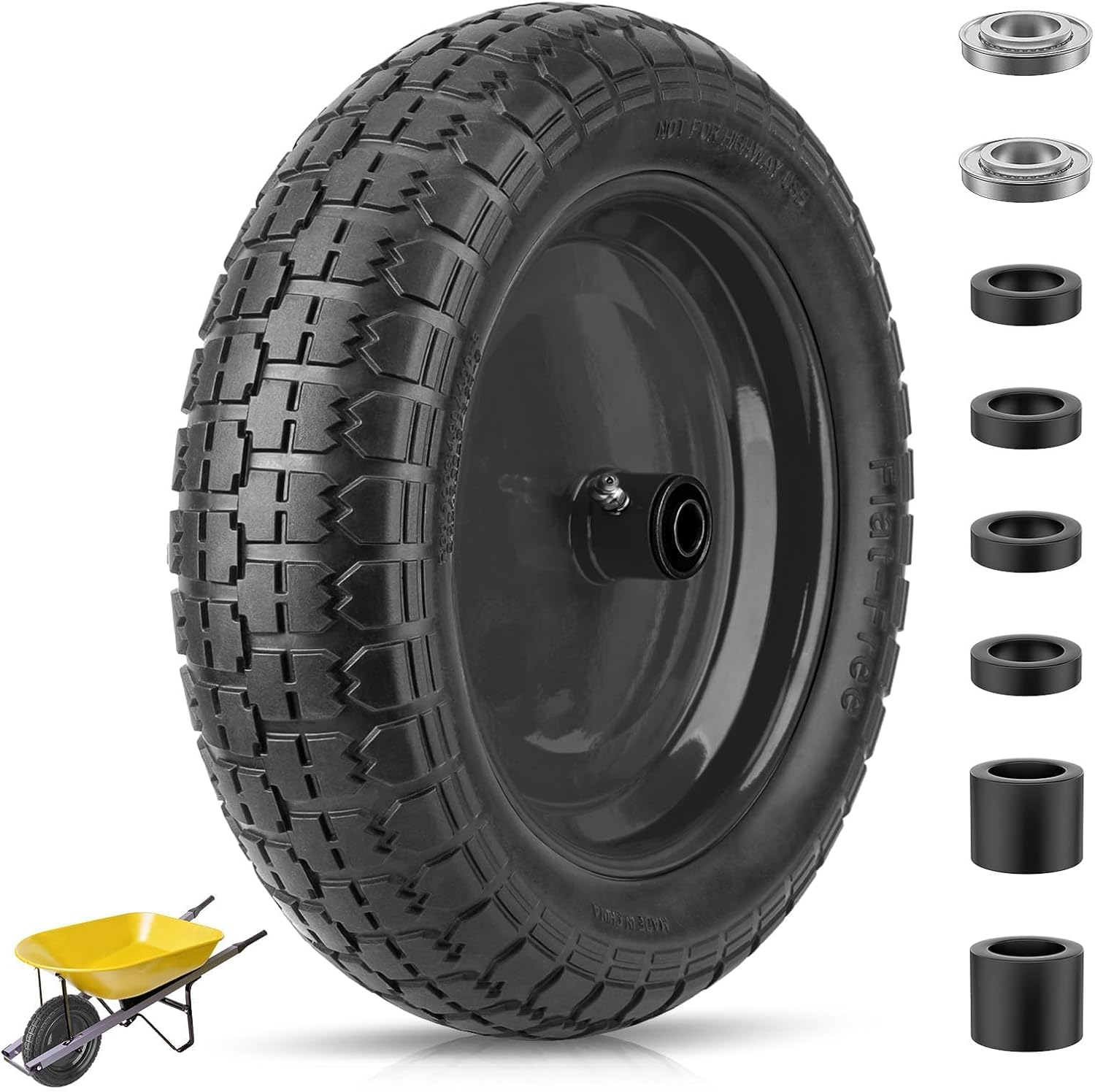
This flat-free TICONN wheelbarrow tire features durable polyurethane foam construction that never needs inflation, helping prevent punctures and reducing maintenance on rough outdoor terrain. With a 300 lb max load capacity and stable steel rim design, it supports safer transport for yard work and hauling tasks. An adapter kit with ball bearings and nylon spacers is included for easier fit and customization across common wheelbarrow and cart axle setups.
Check Tire Shops for Tire Take-Back Options
Tire shops are one of the easiest places to get rid of old tires when you are buying replacements. Many shops collect the old tires removed from your vehicle and send them to a licensed disposal or recycling service. However, this is not always free. Some retailers charge a tire disposal fee to cover handling, hauling, and recycling costs.
Before visiting a retailer, ask four questions:
- Do you accept old tires if I buy new tires from you?
- Is there a disposal or recycling fee per tire?
- Do you accept loose tires that were not removed during installation?
- Do rims, oversized tires, or damaged tires cost extra?
Retailer take-back is still a convenient option because the tires usually enter an established disposal stream. It is especially useful if you are replacing all four tires and do not want to transport the old ones yourself.
Find Free Tire Amnesty Days Near You
Tire amnesty days are scheduled events where residents can drop off old tires for free or at a reduced cost. These events are often run by counties, cities, solid waste districts, environmental departments, or local public works agencies.
| What to Check | Why It Matters | What to Bring or Do |
|---|---|---|
| Event date and hours | Events may happen only a few times per year. | Arrive early and confirm the event has not reached capacity. |
| Residency rules | Free disposal is often limited to local residents. | Bring a driver’s license, utility bill, or event registration if required. |
| Tire limit | Programs may limit the number of tires per household. | Do not bring more than the posted limit. |
| Rims and tire type | Rimmed, commercial, tractor, or oversized tires may be rejected. | Remove rims and confirm whether your tire size qualifies. |
Free events are worth waiting for if you have only a few passenger tires and no urgent deadline. If the event is months away, compare that with the cost of a local recycler or tire shop so the tires do not sit outside collecting water.
Use Municipal Drop-Off Programs and Recycling Centers
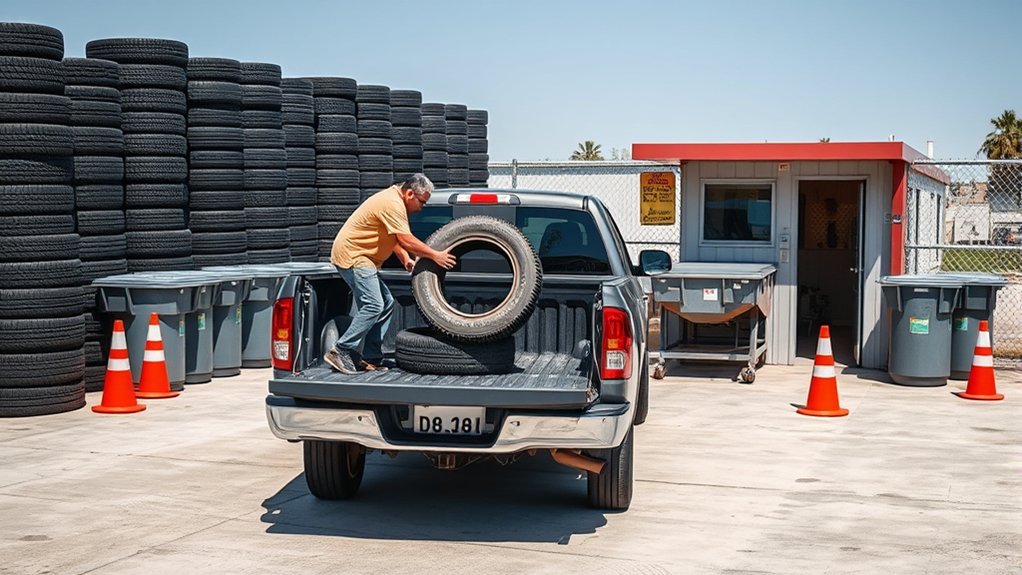
Municipal recycling centers and solid waste facilities may accept tires during posted hours, during special events, or by appointment. Some are free for residents. Others charge by tire, by weight, or by whether the tire still has a rim attached.
Call before you go and ask whether the site accepts:
- Passenger car tires
- Light truck tires
- Motorcycle tires
- Tires with rims
- Large truck, agricultural, construction, or specialty tires
- Wet, muddy, damaged, or burned tires
Landfills should be treated as a last-resort disposal option, not the first choice for recycling. Rules vary by state. For example, the Texas Commission on Environmental Quality says scrap tires may be disposed of in a permitted landfill only if they have been split, quartered, or shredded, and it advises the public to call the landfill first to confirm acceptance.
How to Find a Nearby Tire Recycling Location
Use this process before you load the tires. It can save a wasted trip and help you avoid surprise fees.
- Search your ZIP code. Use a recycling directory such as Earth911, then search your county or city website for “waste tire,” “scrap tire,” or “tire amnesty.”
- Check government programs first. County and municipal events are the most likely to be free for residents.
- Call the site directly. Ask about fees, hours, appointment requirements, tire limits, rims, and accepted tire types.
- Ask what proof is required. Free programs may require a local ID, utility bill, or event registration.
- Prepare the tires. Remove rims if required, clean off heavy mud, and keep tires dry if possible.
- Get a receipt if available. This is useful if you are disposing of tires for a property clean-up or rental property issue.
Pro Tip: When you call, ask, “What would make you reject my tires at the gate?” That one question usually reveals rim rules, contamination rules, quantity limits, and fee triggers.
Prepare Tires for Free Recycling
Preparation matters because many free programs are strict. A tire that is accepted at one site may be rejected at another if it has a rim, is packed with mud, or does not match the program’s tire-type list.
Before drop-off:
- Remove rims if required. Metal rims may need to go to scrap metal recycling separately.
- Clean off mud, rocks, glass, and heavy debris. Contaminated tires are harder to process.
- Drain standing water. Tires that collect rainwater can attract mosquitoes and pests.
- Separate tire types. Keep passenger tires apart from oversized, agricultural, or commercial tires.
- Count your tires. Stay within the event or facility limit.
- Secure the load. Tie down tires so they do not fall out during transport.
Warning: Do not dump tires on roadsides, vacant lots, alleys, waterways, or behind businesses. Illegal dumping can lead to fines, clean-up costs, and environmental damage.
What Tire Recyclers Accept and Reject
Most consumer-facing programs focus on standard passenger tires and light truck tires. Acceptance rules vary, so confirm them before you drive to the site.
[Products Worth Considering]
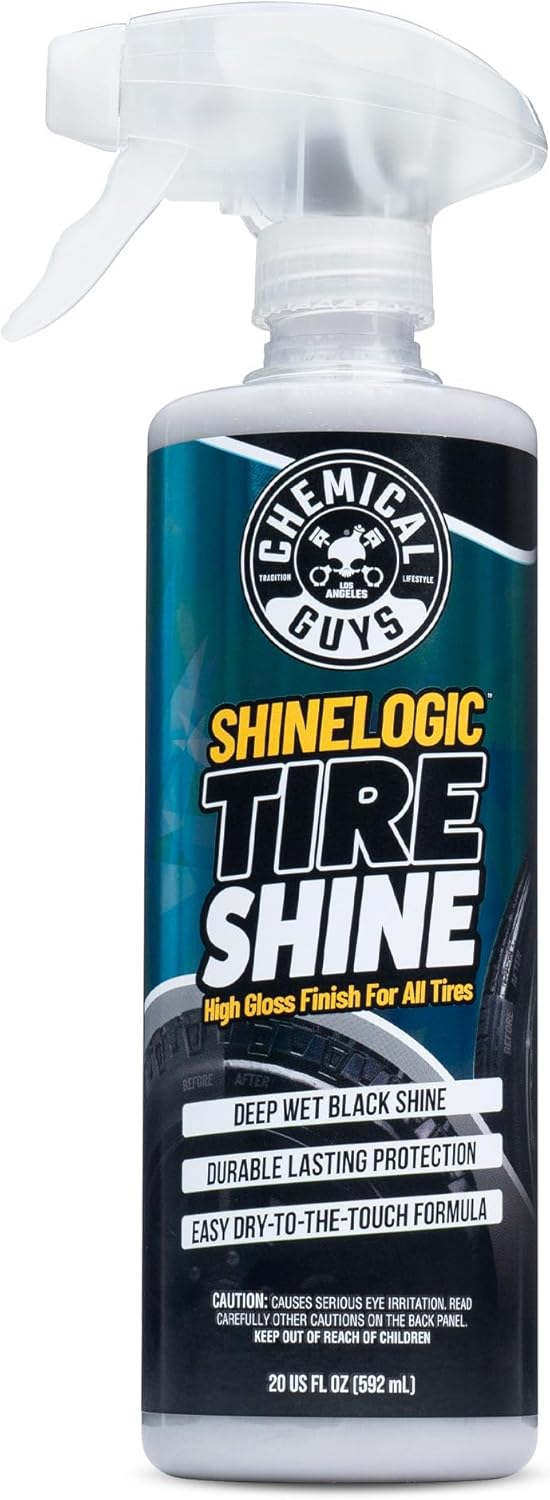
Chemical Guys ShineLogic Tire Shine delivers a deep wet black, high-shine finish for rubber tires with a sleek look. It’s designed for durable, one-step application with minimal drips, streaks, or runs, and it helps produce effortless, long-lasting shine. Choose aerosol or trigger spray for easy use on cars, trucks, motorcycles, RVs, and more.
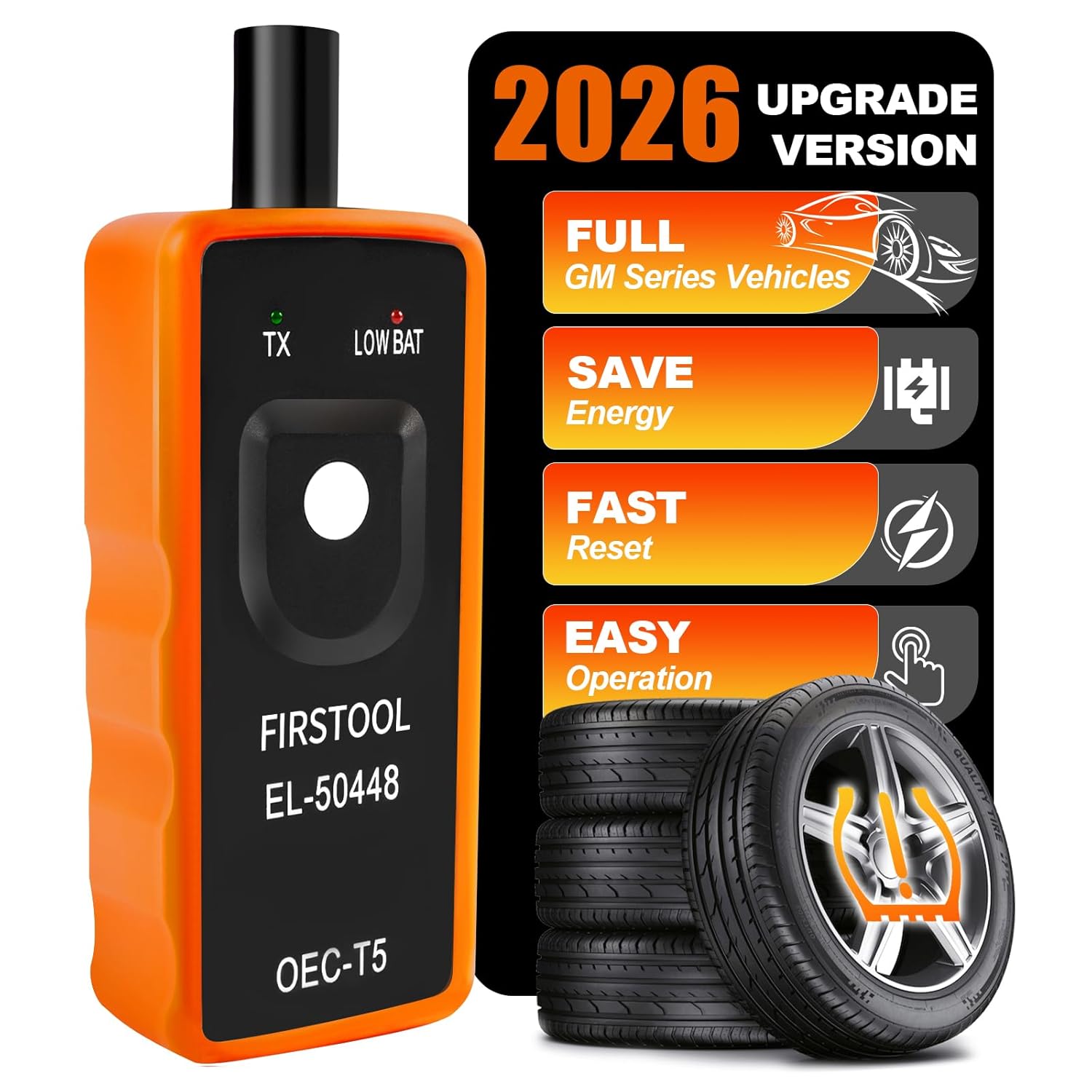
This TPMS relearn tool helps you quickly activate, match, and reset GM tire pressure sensors to keep the vehicle monitoring system working properly. It clears tire pressure alarms and dashboard warning lights after sensor replacement or tire rotation, and supports learning for common 315/433 MHz TPMS sensors. Designed for simple one-button operation, it can help you avoid unnecessary trips to repair shops.

Secure your load with this 4-pack reflective ratchet tie down strap set designed for towing and transporting cars, trucks, and UTVs. The reflective polyester webbing helps improve nighttime visibility, while the ratchet with chain anchors and D-rings provides dependable tensioning. Heavy-duty build offers a high break strength for added confidence, and the included storage bag makes it easy to organize and carry.
Accepted Tire Types
Many community programs accept:
- Passenger car tires
- Light truck tires
- SUV and pickup tires
- Motorcycle tires, if listed by the program
- Clean tires without rims, when required
Retailer programs may be narrower. A shop may accept only tires removed during a new-tire installation or may charge more for loose tires brought from home.
Common Rejection Reasons
A recycler, event, or drop-off center may reject tires for these reasons:
| Rejection Trigger | Why It Causes Problems |
|---|---|
| Rim still attached | Some sites do not remove rims or charge extra for handling. |
| Heavy mud, trash, oil, or chemical contamination | Contamination can interfere with processing and safety. |
| Oversized or specialty tire | Equipment may be designed only for passenger and light truck tires. |
| Commercial load | Free residential programs usually exclude business-generated tires. |
| Burned or illegally dumped tire | Damaged tires may require special handling. |
Prep Before Recycling
The safest approach is simple: call first, clean the tires, remove rims if required, and bring only the number and type of tires the program accepts. If you are unsure whether a tire qualifies, describe it to the facility before you load it.
What to Ask Before You Load the Tires
Use this quick call script:
- “Do you accept tires from residents at this location?”
- “Is it free, or is there a fee per tire?”
- “Do I need an appointment or proof of residency?”
- “How many tires can I bring?”
- “Do the tires need to be off the rim?”
- “Do you accept light truck, motorcycle, trailer, or oversized tires?”
- “Are wet, muddy, damaged, or filled tires accepted?”
- “Do you provide a receipt or proof of disposal?”
This is especially important if you are cleaning out a garage, rental property, farm, storage unit, or abandoned property where the tire history is unclear.
Reuse Old Tires Before You Recycle Them
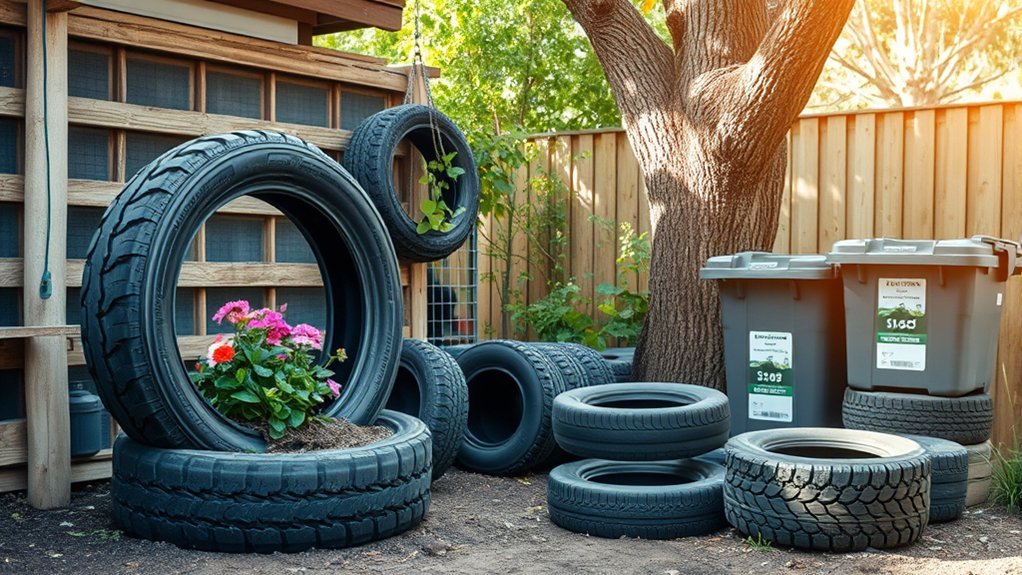
If a tire is still structurally sound, reuse may be possible before recycling. Old tires are sometimes used for outdoor planters, garden borders, obstacle courses, livestock bumpers, or playground-style projects. Only reuse tires in ways that are safe, stable, and appropriate for the setting.
Avoid reuse when the tire is burned, oil-soaked, chemically contaminated, badly shredded, or structurally unstable. Also avoid creating places where rainwater can sit. Standing water inside tires can attract mosquitoes, so drill drainage holes or keep reused tires covered and dry.
If the tire still has tread and appears roadworthy, do not assume it is safe to sell or reuse on a vehicle. Age, internal damage, puncture repairs, sidewall condition, and storage history all matter. Have a qualified tire professional inspect it before any road use.
What Happens After Tires Are Recycled?
Recycled tires can become several useful materials. According to the U.S. Tire Manufacturers Association, end-of-life tires may be used in ground rubber products, rubber-modified asphalt, tire-derived aggregate, industrial parts, and tire-derived fuel. USTMA reported that tire-derived fuel was the largest reclaim and recycle market for end-of-life tires in 2023, while ground rubber was another major market.
This is why proper disposal matters. When tires move through approved collection channels, they are more likely to be processed into managed end uses instead of becoming illegal dump piles.
EPA reported in 2026 that approximately 48 million abandoned scrap tires remained in at least 23 states and Tribal lands, highlighting why legal tire collection and recycling programs still matter.
Why Tire Recycling Matters for Communities
Tire recycling helps communities reduce illegal dumping, fire hazards, pest problems, and landfill pressure. The U.S. Environmental Protection Agency has warned that abandoned tire piles can create fire risks and breeding grounds for disease-carrying animals.
Current tire markets also show why recycling channels matter. USTMA reported that 79% of end-of-life tires were consumed by end-use markets in 2023, but it also emphasized that more work is needed to address stockpiles and expand circular tire markets.
For homeowners, the practical takeaway is simple: use official events, approved recyclers, retailer programs, or municipal guidance. Do not store old tires outside for long periods, and do not leave them where they can collect water, burn, or be dumped by someone else.
Frequently Asked Questions
How do I get rid of used tires for free?
Look for local tire amnesty days, county clean-up events, and municipal recycling programs. These are the most common free options for residents. You can also ask a tire shop whether it accepts old tires when you buy new ones, but confirm whether a disposal fee applies.
Can I make money recycling old tires?
Most homeowners will not make money recycling a few old tires. You are more likely to pay a small disposal fee unless your area has a free event. Money-making tire recycling usually involves commercial volumes, resale-quality used tires, or specialized collection contracts.
How much is a tire recycling fee?
Fees vary by location, retailer, tire size, and whether the tire has a rim attached. Some community events are free for residents, while everyday drop-off sites and retailers may charge per tire. Always call first so you know the exact cost before loading your vehicle.
What do I do with one old tire?
For one old tire, first ask the shop where you buy your replacement tire. If that is not an option, search your ZIP code on a recycling directory or contact your city or county solid waste office. One tire is usually easy to handle, but rims and contamination can still affect acceptance.
Can I put old tires in the trash?
Usually, no. Many trash haulers do not accept tires in regular curbside trash, and landfill rules vary by state and facility. Contact your local waste authority for approved options instead of placing tires at the curb without permission.
Do I need to remove the rim before recycling a tire?
Often, yes. Many free events and recyclers prefer or require tires without rims. Some sites accept rimmed tires but charge extra. Ask before you go, and recycle metal rims separately if the tire site will not take them.
Conclusion
Free tire recycling is possible, but it is usually tied to local rules. Your best options are tire amnesty days, municipal collection events, county recycling programs, and retailer take-back when buying new tires. The key is to verify the rules before you drive: ask about fees, limits, proof of residency, rims, and accepted tire types. With a quick call and basic preparation, you can dispose of old tires legally, avoid surprise costs, and keep them out of dump sites and tire piles.
Sources
- Earth911 Recycling Search — ZIP-code recycling search tool for finding local recycling options.
- U.S. Environmental Protection Agency — abandoned tire pile risks, public-health concerns, and 2026 scrap tire update.
- U.S. Tire Manufacturers Association 2023 ELT Report Page — end-of-life tire markets and recycling/reclaim uses.
- USTMA 2024 Tire Recycling Progress Release — 2023 end-use market utilization and stockpile context.
- Texas Commission on Environmental Quality — public tire disposal and landfill acceptance guidance.
- Discount Tire Tire Fees — retailer disposal fee explanation.
[Products Worth Considering]

Replace worn pool cleaner tires with this all-purpose C10 tire set made to fit compatible Polaris automatic pool cleaners. The tires are designed for maximum traction while helping protect your pool finish, and they match Polaris OEM size and material. Each pack includes three new tires in sealed bags.

This 13-inch flat-free wheelbarrow tire uses solid polyurethane foam construction with steel rims, so it will not puncture, rot, or go flat. The anti-skid tread improves stability and maneuverability across garden, lawn, and mixed terrain. It includes pre-installed 5/8-inch bearings plus extra 3/4-inch bearings and a versatile adapter kit to fit compatible wheel sizes and cart hubs.

Milton S-921 pencil tire pressure gauge helps you maintain optimal tire pressure for passenger cars with accurate readings in PSI and kPa. It features a built-in deflator valve for convenient pressure adjustments, plus a single chuck head and nylon indicator bar for easy use on the go. Built from durable plated brass and designed for reliable performance, it’s a practical road trip and cold-weather maintenance tool.

Related Articles

Tire Squeal When Turning: Causes, Fixes, and Prevention
Lingering tire squeal while turning can signal pressure, wear, alignment, or brake issues—discover the simple fixes before costly damage gets worse.
Read More
Does Flex Seal Fix a Flat Tire? What Actually Works
I tested whether Flex Seal can fix a flat tire—and the answer may surprise you if you want a repair that actually lasts.
Read More
How to Recycle Old Tires: Where to Take Them and Costs
Learn where to recycle old tires, what it costs, and which free options might save you money before you decide where to take them.
Read More