
What Is a Tire Blowout? Causes, Warning Signs & Safety
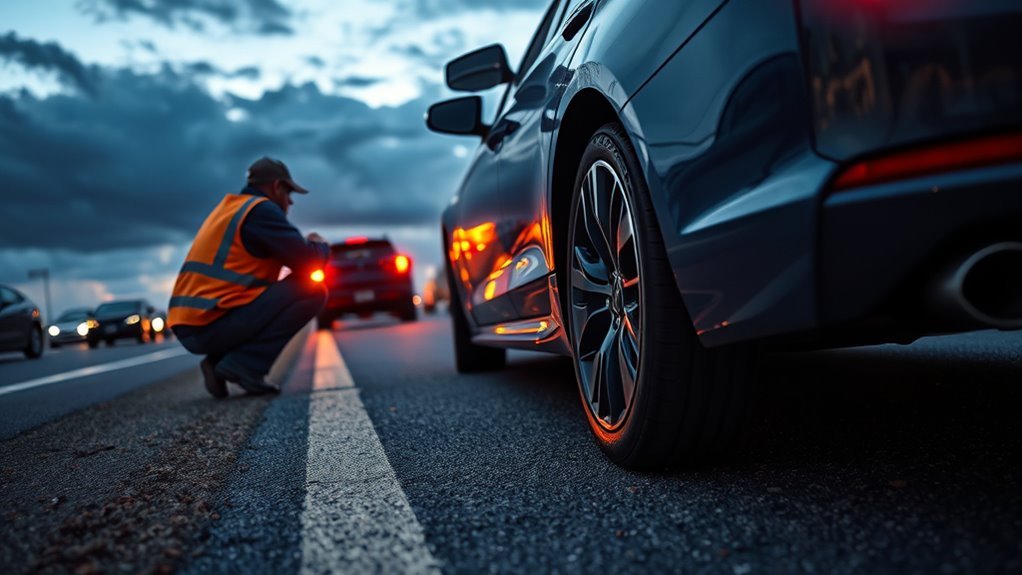
A tire blowout is a sudden, violent loss of tire air pressure that can make a vehicle pull hard, shake, or become difficult to control. Most blowouts are preventable. The biggest risks are low tire pressure, overloading, worn tread, sidewall damage, tire aging, road impacts, and heat buildup during long or fast driving.
Quick Answer
If a tire blows out, hold the steering wheel firmly, stay off the brakes, ease off the accelerator, keep the vehicle straight, and move to a safe shoulder only after the car slows down. Prevent blowouts by checking cold tire pressure monthly, inspecting tread and sidewalls, avoiding overload, and replacing damaged or aging tires.
Key Takeaways
- Do not slam the brakes during a blowout; sudden braking can make the vehicle harder to control.
- Low tire pressure is a major risk because it creates extra flexing, heat, rapid wear, and possible tire failure.
- Bulges, bubbles, deep cracks, exposed cords, and severe uneven wear mean the tire needs immediate professional attention or replacement.
- Check tire pressure when tires are cold and use the PSI listed on the driver-side door placard or in the owner’s manual, not the maximum PSI molded on the tire sidewall.
- Tread depth matters: tires at 2/32 inch are legally worn out in many places and should be replaced; wet-weather performance can decline before that point.
At a Glance
| Time Required | 5–10 minutes for a basic tire safety check |
| Difficulty | Easy for inspection; emergency handling requires calm, steady control |
| Tools Needed | Tire pressure gauge, tread depth gauge or penny, flashlight, gloves, and owner’s manual |
| Cost | Basic checks are low-cost; tire repair or replacement depends on damage, size, brand, and labor |
What Is a Tire Blowout and How It Happens
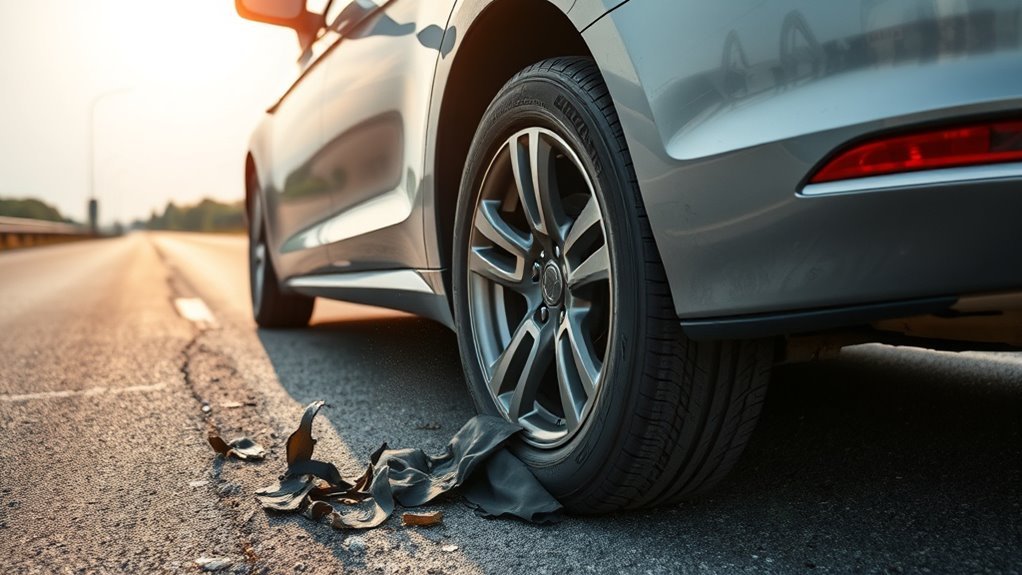
A tire blowout is a rapid loss of air pressure caused by a tire failure, puncture, impact, or structural weakness. Unlike a slow leak, a blowout happens fast and can make the vehicle pull toward the damaged tire, especially at highway speed.
The most common conditions that lead to blowouts are preventable. According to NHTSA TireWise, poor tire maintenance, including underinflation and failure to rotate tires, can lead to flats, blowouts, and tread separation. NHTSA also reports that 511 people died in tire-related crashes in 2024.
A tire can fail when its internal structure is weakened by heat, load, age, impact damage, or wear. Underinflation is especially dangerous because it makes the sidewall flex more than designed. That extra flex creates heat, and excessive heat can damage the tire’s internal belts and carcass.
Your tires are the only part of the vehicle touching the road. A few minutes of pressure, tread, and sidewall checks can prevent one of the most dangerous tire failures drivers face.
What to Do Immediately If a Tire Blows Out While Driving
If a tire blows out while you are driving, your first goal is not to stop instantly. Your first goal is to keep control. Sudden braking or sharp steering can make the vehicle swerve, spin, or roll, especially on highways, curves, or wet pavement.
1. Stay Calm and Hold the Wheel Firmly
Grip the steering wheel with both hands and keep the vehicle pointed straight ahead. Expect the car to pull toward the blown tire. Counter that pull with steady steering, not a sharp correction.
| Action | Purpose | Priority |
|---|---|---|
| Hold the wheel firmly | Keeps the vehicle tracking straight | High |
| Avoid hard braking | Reduces the risk of loss of control | High |
| Use smooth steering | Prevents sudden swerving | High |
| Signal and move over slowly | Gets you out of traffic safely | Medium |
2. Gradually Reduce Speed
Ease off the accelerator and let the vehicle slow naturally. Do not slam on the brakes. Once the vehicle is stable and slower, turn on your hazard lights and guide it toward a safe shoulder, parking lot, wide turnout, or exit ramp.
Warning: Never stop in a live traffic lane unless the vehicle cannot move. If the shoulder is narrow, traffic is heavy, or visibility is poor, stay inside with your seat belt on and call roadside assistance or emergency services.
3. After You Stop Safely
Once stopped, set the parking brake, keep hazard lights on, and assess the area before getting out. Only change the tire if you are on level ground, away from traffic, and have the correct spare, jack, lug wrench, and wheel-lock key. If conditions are unsafe, call for help.
Do not continue driving on a blown tire. Driving even a short distance can damage the wheel, suspension, brake components, and bodywork. It can also make the vehicle harder to control.
Four Visible Warning Signs You Should Never Ignore
Most blowouts do not come from nowhere. Tires often show warning signs before they fail. Check for these problems during your monthly inspection and before long trips.
1. Tread Worn Too Low
Low tread reduces grip, especially in rain, and increases the risk of hydroplaning and heat buildup. Use a tread depth gauge for the most accurate reading. For a quick check, use the penny test: place a penny into the tread groove with Lincoln’s head facing down. If you can see all of Lincoln’s head, the tire is at or below about 2/32 inch and should be replaced. The U.S. Tire Manufacturers Association also notes that tires should be replaced when tread wear bars are flush with the tread.
2. Sidewall Bubbles or Bulges
A sidewall bubble or bulge means the internal cords may be damaged. That weak area can rupture suddenly. Do not patch, plug, or keep driving on a tire with a bulge. Have it replaced as soon as possible.
3. Cracks, Cuts, or Exposed Cords
Cracks can signal aging, dry rot, ozone damage, or rubber breakdown. Cuts and exposed cords show the tire’s structure has been compromised. Any exposed belt, cord, or deep sidewall cut is a replacement-level safety concern.
4. Uneven Wear, Vibration, or Pulling
Feathering, cupping, one-sided wear, shaking, thumping, or steering pull may point to underinflation, overinflation, misalignment, suspension wear, tire imbalance, or internal tire damage. Do not ignore a new vibration that changes with speed.
Quick Checks to Prevent a Tire Blowout: Pressure, Tread, Sidewalls
Check tire pressure, tread depth, and sidewalls at least once a month and before long road trips. NHTSA recommends checking pressure when tires are cold, meaning the vehicle has not been driven for at least three hours.
Check Cold Tire Pressure
- Find the recommended PSI on the driver-side door placard or in the owner’s manual.
- Use a reliable tire pressure gauge before driving or after the vehicle has been parked for at least three hours.
- Check all four tires and the spare if your vehicle has one.
- Add or release air until each tire matches the vehicle manufacturer’s recommended cold PSI.
- Reinstall valve caps to help keep dirt and moisture out of the valve stem.
Pro Tip: The number on the tire sidewall is usually the tire’s maximum inflation pressure, not the correct pressure for your vehicle. Use the door placard or owner’s manual for everyday inflation.
Measure Tread Depth
A tread depth gauge gives the best reading. Check several grooves across each tire because uneven wear can hide in one shoulder or center section. If the tire is near 2/32 inch, replace it. For frequent wet-weather driving, consider replacement earlier because braking and hydroplaning resistance decline as tread gets shallow.
Inspect Sidewalls and the Tread Face
Look for nails, screws, glass, cuts, bubbles, cracks, missing chunks, and exposed cords. Run your hand carefully over the tread surface to feel for raised or uneven areas, but wear gloves and avoid sharp debris.
Confirm the Load Limit
Overloading increases tire heat and stress. Check the tire and loading information label for your vehicle’s capacity weight and avoid exceeding it. This is especially important before road trips, towing, moving heavy cargo, or driving with a full passenger load.
Main Causes of Tire Blowouts: Pressure, Wear, Structural Damage
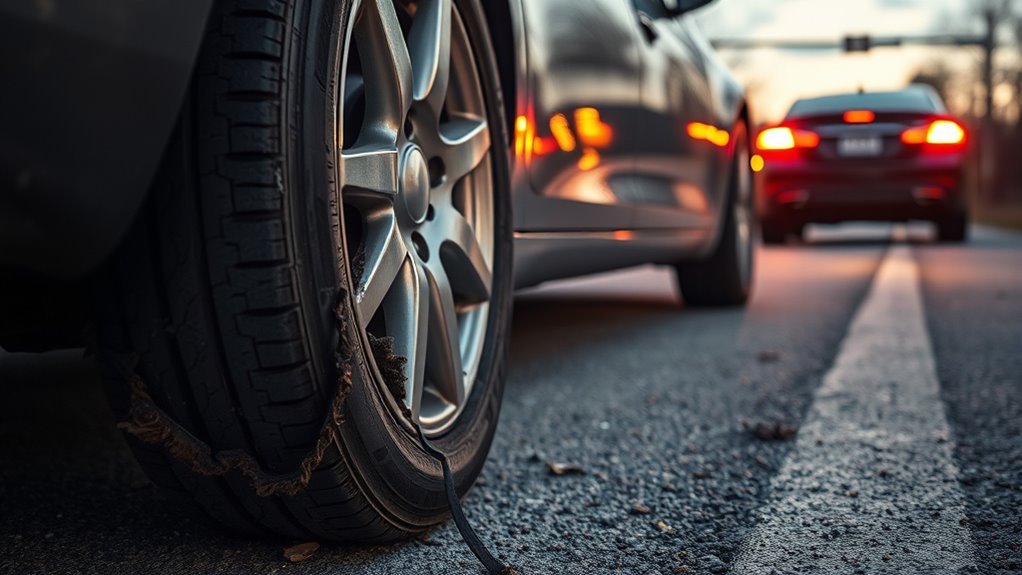
Blowouts usually happen when a tire is already weakened and then exposed to heat, speed, load, or impact. Here are the main causes to watch for.
Tire Pressure Problems
Underinflation is one of the most serious tire failure risks. A NHTSA tire pressure study explains that pressure below the recommended level can cause high heat generation, rapid tire wear, blowout, and loss of vehicle control.
Overinflation is also risky. Too much pressure can reduce the tire’s contact patch, make the ride harsher, increase center tread wear, and make the tire less able to absorb pothole and debris impacts.
Tread Wear Patterns
Wear patterns can reveal a tire or vehicle problem before a blowout happens:
- Both shoulders worn: often points to underinflation or aggressive cornering.
- Center worn: often points to overinflation.
- One edge worn: often points to alignment or suspension issues.
- Cupping or scalloping: may point to worn shocks, struts, balance issues, or suspension wear.
- Patchy wear: may point to internal damage, imbalance, or improper rotation.
Structural Sidewall Damage
Sidewall damage is dangerous because the sidewall carries load and flexes constantly. Bulges, blisters, cracks, and soft spots may mean internal cord separation or impact damage. A tire with a sidewall bulge should be removed from service and inspected by a tire professional.
Heat, Speed, Impacts, and Road Debris
Heat makes tire problems worse. Long highway drives, hot weather, underinflation, heavy loads, and high speed can raise tire temperature. Potholes, curbs, sharp debris, and construction materials can also cut or weaken the tire. Sometimes the damage happens days or weeks before the blowout.
Tire Aging and Recalls
Tires age even when they have plenty of tread. NHTSA says aging tires are more prone to failure and that some vehicle and tire manufacturers recommend replacing tires that are six to 10 years old, regardless of treadwear. Check the DOT Tire Identification Number on the sidewall; the last four digits show the week and year the tire was made.
Also check for recalls. Tire defects are less common than maintenance-related failures, but they do happen. Use NHTSA’s tire recall tools or ask a tire retailer to check your DOT tire information.
Note: A Tire Pressure Monitoring System is helpful, but it is not a replacement for monthly pressure checks. The U.S. Tire Manufacturers Association notes that many TPMS warnings activate when tires are already 25% underinflated.
Preventive Maintenance Checklist for Safer Tires
Use this checklist monthly and before every long trip. It takes only a few minutes and can help you catch the conditions that lead to blowouts.
| Check | Method | Frequency |
|---|---|---|
| Pressure | Use a gauge and match the vehicle placard PSI | Monthly and before long trips |
| Tread depth | Use a tread gauge, penny test, or wear bars | Monthly |
| Sidewall condition | Look for bulges, bubbles, cracks, cuts, and discoloration | Monthly |
| Tread face | Check for nails, screws, glass, exposed cords, and uneven wear | Monthly |
| Rotation | Follow the owner’s manual; if unspecified, USTMA recommends 5,000–8,000 miles | Every 5,000–8,000 miles if no vehicle-specific interval is given |
| Alignment and balance | Inspect if the vehicle pulls, shakes, or wears tires unevenly | As needed or per owner’s manual |
| Load | Compare passenger and cargo weight to the vehicle load label | Before heavy trips |
| Spare tire | Check pressure, age, and condition | Monthly or before travel |
When to Get a Professional Inspection or Replace Your Tires
Some tire issues are not safe to “watch for a while.” If a tire has structural damage or severe wear, replacement is the safer choice.
Replace the Tire Immediately If You See:
- Sidewall bulges, bubbles, or blisters
- Exposed cords or belts
- Deep sidewall cuts or cracks
- Tread separation or missing chunks of rubber
- Tread at or below 2/32 inch
- A tire that will not hold air
- Damage from driving while flat or nearly flat
Get a Professional Inspection If You Notice:
- New vibration, thumping, or humming
- Steering pull to one side
- Uneven wear across the tire
- Repeated pressure loss
- A recent hard pothole or curb impact
- Tires that are approaching the age limit recommended by your vehicle or tire manufacturer
What to Keep in Your Vehicle for a Tire Emergency
A blowout is stressful, but the right equipment makes it safer and easier to handle. Keep these items in your vehicle and check them before long drives:
- Properly inflated spare tire or manufacturer-approved mobility kit
- Jack and lug wrench that fit your vehicle
- Wheel-lock key, if your vehicle uses locking lug nuts
- Reflective triangles or road flares
- Flashlight or headlamp with fresh batteries
- Work gloves and a rain poncho
- Portable air compressor
- Tire pressure gauge
- Roadside assistance contact information
Common Tire Blowout Myths
Myth: New Tires Cannot Blow Out
Newer tires can still fail if they are underinflated, overloaded, defective, damaged by impact, or installed incorrectly. New tread does not cancel out poor maintenance or hidden damage.
Myth: The TPMS Light Is the Only Pressure Check You Need
TPMS is a warning system, not a maintenance plan. Check pressure with a gauge at least monthly, because a tire can be significantly underinflated before the warning light comes on.
Myth: A Sidewall Bubble Can Be Patched
A sidewall bubble usually means internal structural damage. It cannot be safely repaired with a plug or patch. Replace the tire.
Frequently Asked Questions
What is the main cause of tire blowouts?
The most common preventable cause is poor tire maintenance, especially underinflation. Low pressure increases sidewall flexing, heat buildup, rapid wear, and the risk of tire failure. Overloading, worn tread, impact damage, and aging also contribute.
What warns you of a tire blowout?
Warning signs include vibration, thumping, steering pull, visible cracks, bulges, bubbles, low tread, uneven wear, exposed cords, repeated air loss, or a tire that feels unusually hot after driving. Stop and inspect the tire if handling changes suddenly.
How much does it cost to fix a tire blowout?
Cost depends on the damage. A simple puncture repair may be inexpensive if the tire is otherwise safe and the puncture is in the repairable tread area. A true blowout usually requires tire replacement, and costs vary by tire size, vehicle type, brand, labor, and whether the wheel or suspension was damaged.
Can I drive on a tire with a sidewall bubble?
No. A sidewall bubble means the tire’s internal structure may be damaged. The tire can fail suddenly, especially at speed or under load. Use a spare if conditions are safe, or call roadside assistance.
Is a tire blowout the same as a flat tire?
No. A flat tire usually loses air slowly and may give you more time to react. A blowout is a sudden, rapid pressure loss that can cause loud noise, strong pulling, vibration, and immediate handling problems.
When should tires be replaced because of age?
Follow your vehicle and tire manufacturer’s guidance. NHTSA notes that some manufacturers recommend replacing tires that are six to 10 years old, even if tread remains. Check the DOT date code and have older tires inspected by a professional.
Conclusion
A tire blowout can happen suddenly, but most risk factors are visible or measurable before the failure occurs. Check pressure monthly, inspect tread and sidewalls, rotate tires on schedule, avoid overloading, and replace tires with bulges, exposed cords, severe cracking, or worn-out tread. If a blowout happens while driving, hold the wheel, ease off the gas, avoid hard braking, and move to safety only when the vehicle is stable.
Sources
- NHTSA TireWise — tire safety, maintenance, aging, tire-related crash fatalities, and recall information
- NHTSA Tire Safety Brochure — pressure, load limits, road hazards, and tire failure prevention
- NHTSA Tire Pressure Maintenance Statistical Investigation — underinflation, heat generation, rapid wear, blowout, and loss of control
- U.S. Tire Manufacturers Association Tire Care Essentials — tread depth, TPMS limitations, tire rotation, and alignment guidance
- AAA Tire Blowout Tips — safe driving response during a tire blowout

Related Articles
What Does THE P Stand For on a Tire? Full Meaning Explained
I’ll explain what the “P” on a tire really means and why it could change how you choose your next set.
Read More
How to Use a Tubeless Tire Repair Kit: Complete Field Guide
Learn how to fix tubeless tire punctures fast with the right kit, because one small mistake can leave you stranded on the trail.
Read More
How to Tell a Tire’s Diameter: Easy Guide to Reading Tire Size
Want to decode tire sidewall numbers and find the right diameter, but wonder what those hidden digits really mean?
Read More