
Where to Find the Date on a Tire: DOT Code Location Guide
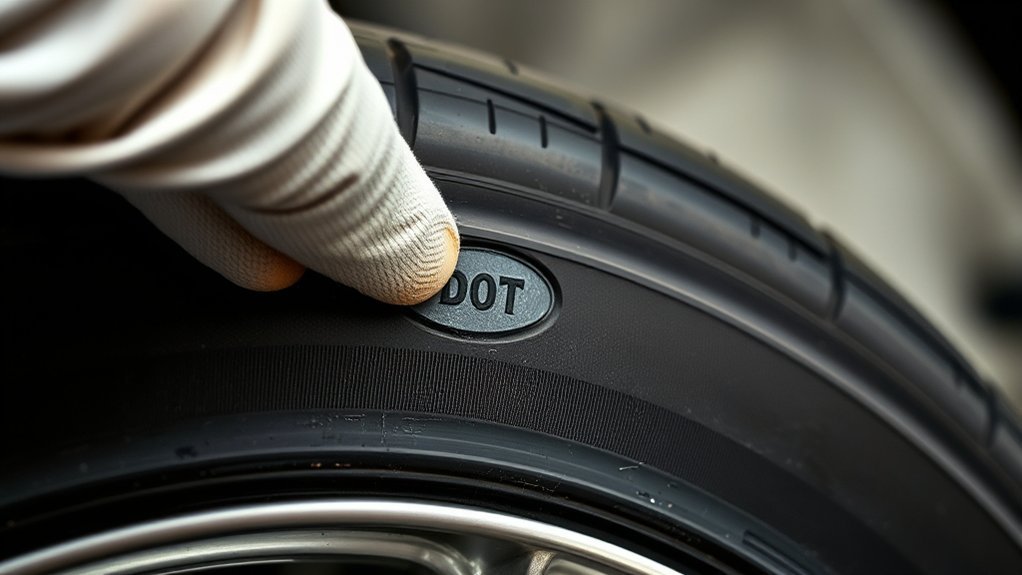
You can find a tire’s date by looking for the DOT Tire Identification Number (TIN) on the tire sidewall. The date is usually the final four digits of the full DOT code. Those digits tell you the week and year the tire was manufactured, which helps you judge tire age, check recalls, and decide when a tire needs a closer safety inspection.
Quick Answer
Look on the tire sidewall for the code that starts with DOT. On most modern tires, the final four digits are the date code. The first two digits show the manufacture week, and the last two show the year. For example, 2319 means the tire was made in the 23rd week of 2019.
Key Takeaways
- The tire date is part of the DOT Tire Identification Number on the sidewall.
- The full DOT code may appear on only one side of the tire, so check both sidewalls.
- The last four digits show the manufacture date: first two digits are the week, last two digits are the year.
- New tires now use a 13-symbol TIN format under current U.S. rules, while older tires may show older formats.
- Age matters even when tread looks good. Inspect tires regularly and follow your vehicle and tire manufacturer’s replacement guidance.
At a Glance
| Time Required | 2–5 minutes per tire |
| Difficulty | Easy |
| Tools Needed | Flashlight, phone camera, and a tire pressure gauge for the inspection |
| Cost | $0 for checking the code; replacement cost depends on tire size and type |
What Is a Tire DOT Code?
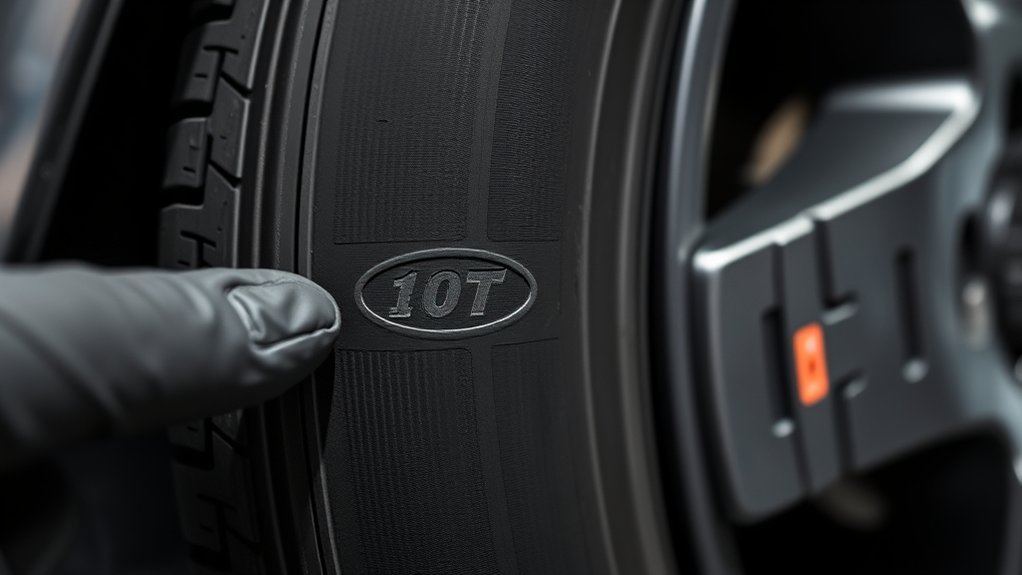
A Tire DOT Code, officially called the Tire Identification Number (TIN), is the sidewall marking used to identify a tire. It can show the plant code, manufacturer code, and date code, depending on the tire and the format used. The DOT symbol also indicates that the tire was certified to meet applicable Federal Motor Vehicle Safety Standards when required.
For current new tires in the United States, 49 CFR 574.5 requires a 13-symbol TIN. The final four numerical symbols are the date code. That date code identifies the week and year of manufacture.
Note: The DOT date is a manufacture date, not an automatic expiration date. Tire safety still depends on age, tread depth, inflation, storage, heat exposure, damage, loading, and maintenance.
Where to Find the DOT Code on a Tire
Start on the outer sidewall and look for the letters DOT. The TIN is usually molded into the sidewall near the bead area, close to the rim. If you only see a short or partial code, check the opposite sidewall. The full TIN, including the date code, may not appear on both sides of the tire.
DOT Code Sidewall Location
Look slowly around the sidewall for a raised string of letters and numbers that begins with DOT. A flashlight helps because the code is molded into black rubber and can be hard to see in low light. On mounted tires, the full code may face inward toward the vehicle, so you may need to turn the steering wheel, use a mirror, or ask a tire shop to check it safely.
Full vs. Partial Code
Many tires show a partial DOT code on one side and the full TIN on the other. The date code is the part you need for tire age, and it appears at the end of the full TIN. If the last four digits are missing from the side you can see, inspect the other sidewall before assuming the tire has no date code.
Pro Tip: Take a clear phone photo of the DOT code, then zoom in. This is easier than trying to read small molded characters while crouching beside the tire.
How to Read the Tire Date Code
Once you find the full DOT code, go to the final four digits. For tires made under the modern four-digit format, the first two digits show the production week and the last two digits show the production year.
| Date Code | How to Read It | Manufacture Date |
|---|---|---|
| 2319 | 23rd week of 2019 | Around early June 2019 |
| 0422 | 4th week of 2022 | Late January 2022 |
| 0109 | 1st full calendar week of 2009 | Early January 2009 |
Under the current federal rule, the first week is the first full calendar week of the year, and the week runs from Sunday through Saturday. That detail matters most for exact recordkeeping; for everyday tire age checks, the week-and-year reading is usually enough.
[Products Worth Considering]

This tire repair kit provides fast emergency puncture repair without removing the tire from the rim, helping you get back on the road quickly. Its screw plug system is designed for punctures in both tread and sidewall and includes a complete patch plug tool set with essential accessories. A portable storage bag makes it easy to carry for cars, trucks, SUVs, motorcycles, and heavy-duty applications.

This tire repair patch tool kit helps you quickly seal small punctures using upgraded mushroom plugs and a built-in roller system that presses for even penetration. The tungsten buffing wheel and HSS twist drill bits prepare the damaged surface for stronger adhesion, while the crown-angle friendly plugs are designed to keep water and debris out. Ideal for puncture repairs on many vehicle types, from cars and trucks to bikes and scooters.

This compact capsule-style tire repair kit helps you quickly fix punctures and plug flats with minimal effort. The rugged stainless steel shell protects the contents for reliable roadside use, while the simple plug assembly makes repairs fast and tool-free. Suitable for motorcycles, cars, ATVs, UTVs, and even mountain bikes.
How to Read Current 13-Symbol TINs
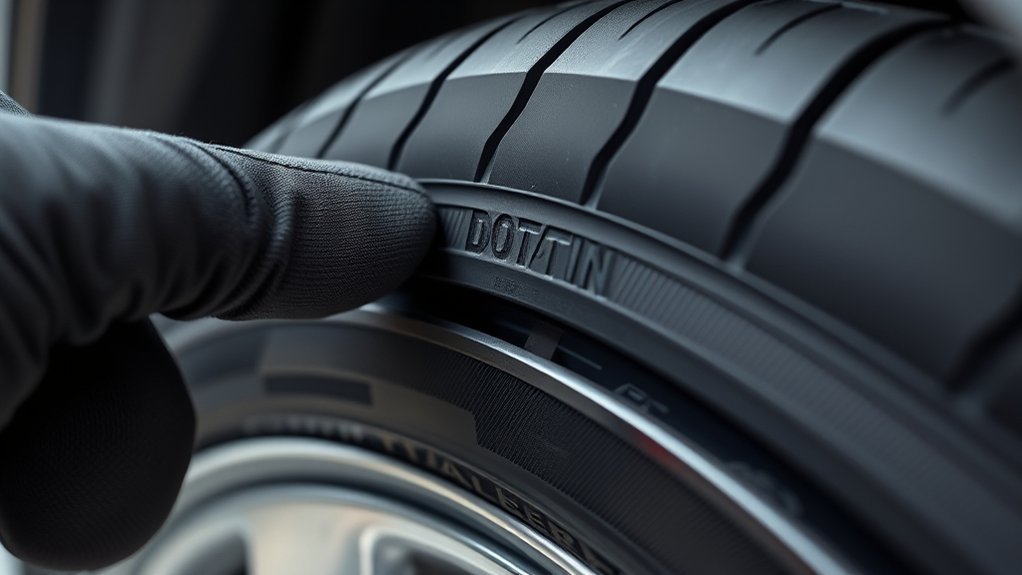
Current new tires use a 13-symbol TIN. You do not need to decode every symbol to find the tire date, but knowing the structure helps you avoid confusing the date code with the size or manufacturer code.
| TIN Part | What It Means | Why It Matters |
|---|---|---|
| First 3 symbols | Plant code | Identifies the manufacturer or retreader plant assigned by NHTSA. |
| Next 6 symbols | Manufacturer’s code | Can identify tire characteristics or brand-owner information maintained by the manufacturer. |
| Final 4 digits | Date code | Shows the week and year the tire was made. |
Plant Code Basics
The plant code is the first group in the TIN. Current rules use a three-symbol plant code for new tires. Some older tires may still show the older two-symbol plant-code format because they were made before the old format was fully phased out.
Manufacturer Code Basics
The manufacturer’s code appears between the plant code and the date code on current new tires. This code is not a public tire-size decoder for everyday shoppers. Tire manufacturers maintain the meaning of those symbols for identification, tracking, and safety records.
Date Code Location
The date code is always the part most drivers need for tire age. Look at the final four digits of the full DOT TIN. If the code ends in 2910, the tire was made in the 29th week of 2010.
What About Older or Retreaded Tire Codes?
Older tires can use older DOT formats, and retreaded tires follow a different TIN requirement than new tires. For retreaded tires, the current federal rule requires a 7-symbol TIN. Retreaded tires also use an R mark, but that R is not part of the TIN.
If you are looking at a very old tire with a three-digit date code, the first two digits indicate the week and the last digit indicates the final digit of the year. For example, 439 is commonly read as the 43rd week of a year ending in 9. A tire with that kind of code is decades old and should not be trusted for normal road use.
Why DOT Tire Codes Matter
DOT tire codes matter because they help identify a tire for age checks, safety records, and recalls. NHTSA explains that tire aging happens when rubber and other tire components change over time because of service, storage, and environmental conditions. Heat, sunlight, poor storage, underinflation, and low annual mileage can all make age more important.
NHTSA reported 511 traffic fatalities in tire-related crashes in 2024, so a quick tire-age check is a small safety step worth doing.
The DOT code is also useful when checking tire recalls. You can search tire recalls through the NHTSA recall tool. If you buy new tires, register them so the manufacturer can contact you if a safety recall affects your tire line.
How to Read Pre-2000 Tire Codes
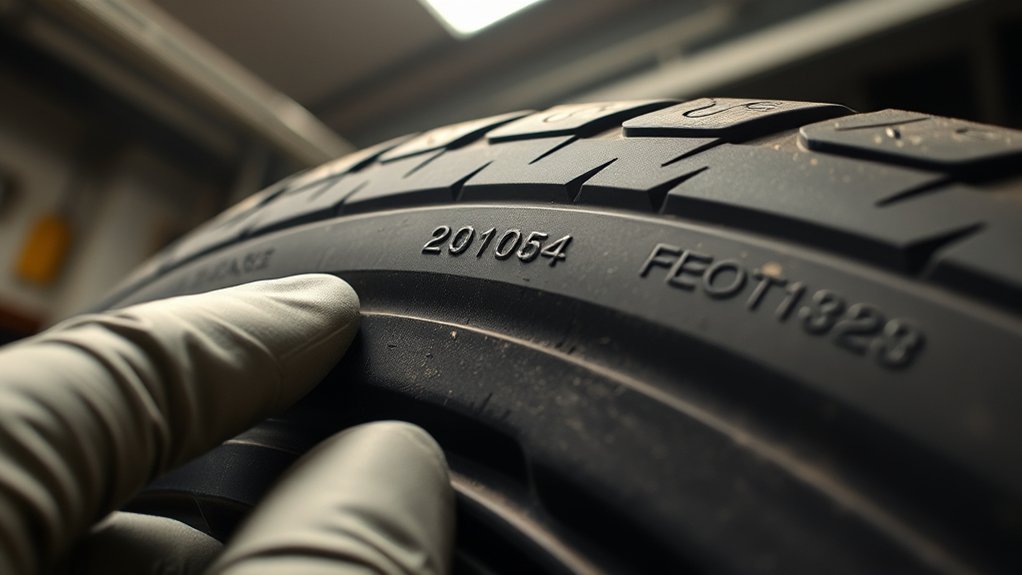
Pre-2000 tire date codes used three digits instead of the modern four-digit format. The first two digits show the production week. The last digit shows the final digit of the production year.
- 439 = 43rd week of a year ending in 9
- In many examples, that means the 43rd week of 1999
- Any tire old enough to use this format is far beyond normal service age
Warning: Do not drive on a tire just because the tread looks deep. Replace or professionally inspect any tire with cracks, bulges, exposed cords, vibration, repeated pressure loss, or an unreadable/unknown age.
When to Replace Tires Based on Age
Tire age is only one part of replacement timing, but it is an important one. NHTSA says some vehicle and tire manufacturers recommend replacing tires that are six to 10 years old, regardless of treadwear. Check your owner’s manual and tire manufacturer guidance, then use the DOT date code to confirm the tire’s age.
Replace a tire sooner if any of these are true:
- The tread is worn down to 2/32 inch.
- You see cracks, cuts, bulges, exposed cords, dry rot, or sidewall damage.
- The tire keeps losing air or causes vibration, noise, or handling changes.
- The tire has been overloaded, run flat, or driven while severely underinflated.
- The tire is very old, has an unreadable date code, or has unknown storage history.
Spare tires need attention too. A full-size spare can age even when it has never touched the road, especially if it sits under the vehicle or in a hot trunk. Check the spare’s DOT date, pressure, and condition before long trips.
[Products Worth Considering]

This tire sidewall puncture repair kit fixes flats fast without removing the tire, helping you get back on the road in minutes. It includes self-tapping repair nails, essential tools, gloves, and a portable storage bag for convenient roadside use. Designed for tubeless tires, it helps create a tight, leak-resistant seal for cars, motorcycles, trucks, SUVs, and ATVs.

This 100-piece tire repair screw plug kit provides a fast, self-service solution for punctures on the road. Choose the correct plug size, insert it into the break, and screw it in to help seal the puncture and temporarily restore tire pressure. Thickened threads and rubber-wrapped plugs improve bite and sealing while remaining compact and easy to carry.
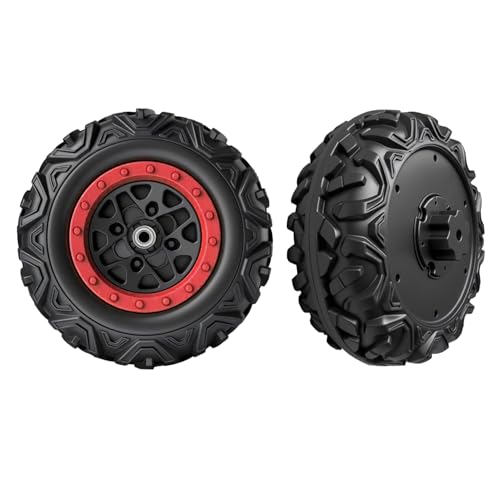
2PCS 30CM/11.8in Rubber Tire for Ride On Car Aperture 1.2CM/0.47in Black PU Soft Solid Tire for DIY self-made Power Wheels
What if You Cannot Find the Date Code?
If you cannot find the date code, try these steps before giving up:
- Check both sidewalls for the full DOT TIN.
- Use a flashlight and clean dirt from the sidewall with a damp cloth.
- Turn the front wheels to improve access if the tire is mounted on the vehicle.
- Take a phone photo and zoom in on the molded code.
- Ask a tire shop to inspect the inner sidewall if the full code faces inward.
If the date code is damaged, shaved, missing, or impossible to verify, treat the tire as questionable. A tire service professional can inspect it, but replacing an unknown-age tire is usually the safer choice.
[Products Worth Considering]

ACCURACY TIRE THREAD TREAD DEPTH GAUGE, Reads in 1/32 inch increments.Stuffers for Men and Women
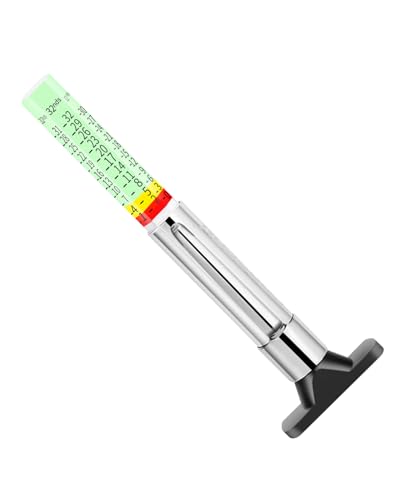
1.GLOW-IN-THE-DARK SCALE: The scale bar of tire tread depth gauge absorbs ambient or artificial light during the day and emits a soft, long-lasting glow in low-light or dark environments—Suitable for nighttime tire checks, dim garages, or roadside emergencies.

1.Accurate and Efficient: Different colors on the bar represents different scopes, the red range on bar: 0 - 3/ 32; Yellow range on bar: 3/ 32 - 6/ 32; Green range on bar: 6/ 32 - 32/ 32, allowing you easy and fast to read and calibrated
Frequently Asked Questions
Where do I find the DOT date code on tires?
Look on the tire sidewall for the code that begins with DOT. The full code may appear on only one side of the tire, so check both the outer and inner sidewalls. The final four digits of the full DOT TIN are the date code on modern tires.
What if my tire does not have a date code?
The full DOT code may be on the opposite sidewall, especially if you only see a partial code. If the code is unreadable, missing, or hidden on the inner sidewall, have a tire shop inspect it. If the tire’s age cannot be verified, do not rely on it for normal driving.
How many digits is the tire date code?
Modern tire date codes use four digits. The first two digits show the week of manufacture, and the last two digits show the year. Older pre-2000 tires may show a three-digit code, but any tire that old is beyond normal service age.
How do I read a 3-digit DOT code?
In the older three-digit format, the first two digits show the production week and the last digit shows the final digit of the year. For example, 439 can mean the 43rd week of 1999. Because that format is old, replace the tire instead of trusting it for regular road use.
Does the DOT date tell me when a tire expires?
No. The DOT date tells you when the tire was made. It does not give a fixed expiration date. Use it with tread depth, visible condition, pressure checks, storage history, and the replacement guidance from your vehicle and tire manufacturer.
Should I check the date code on my spare tire?
Yes. Spare tires age even when they are rarely used. Check the spare’s DOT date, air pressure, and condition before long trips. Do not use an old or damaged spare as a regular replacement tire.
Conclusion
Finding the date on a tire is simple once you know where to look. Find the full DOT Tire Identification Number on the sidewall, check the final four digits, and read them as the manufacture week and year. If you cannot see the full code, check the other sidewall or ask a tire shop for help. This quick check gives you a clearer picture of tire age, recall readiness, and when it may be time to inspect or replace your tires.
Sources
- eCFR — 49 CFR 574.5 Tire identification requirements — current TIN structure, 13-symbol new-tire requirement, 7-symbol retread requirement, and four-digit date-code rules.
- NHTSA TireWise — tire aging, tire maintenance, tread depth, DOT TIN location, and tire-related crash safety data.
- NHTSA Recalls — tire recall lookup and recall-check guidance.
- NHTSA Consumer Guide to Uniform Tire Quality Grading — official tire labeling and UTQG background.

Related Articles

What Does THE P Stand For on a Tire? Full Meaning Explained
I’ll explain what the “P” on a tire really means and why it could change how you choose your next set.
Read More
How to Use a Tubeless Tire Repair Kit: Complete Field Guide
Learn how to fix tubeless tire punctures fast with the right kit, because one small mistake can leave you stranded on the trail.
Read More
How to Tell a Tire’s Diameter: Easy Guide to Reading Tire Size
Want to decode tire sidewall numbers and find the right diameter, but wonder what those hidden digits really mean?
Read More