
Where Is the Date on a Tire? How to Find & Read the DOT Code
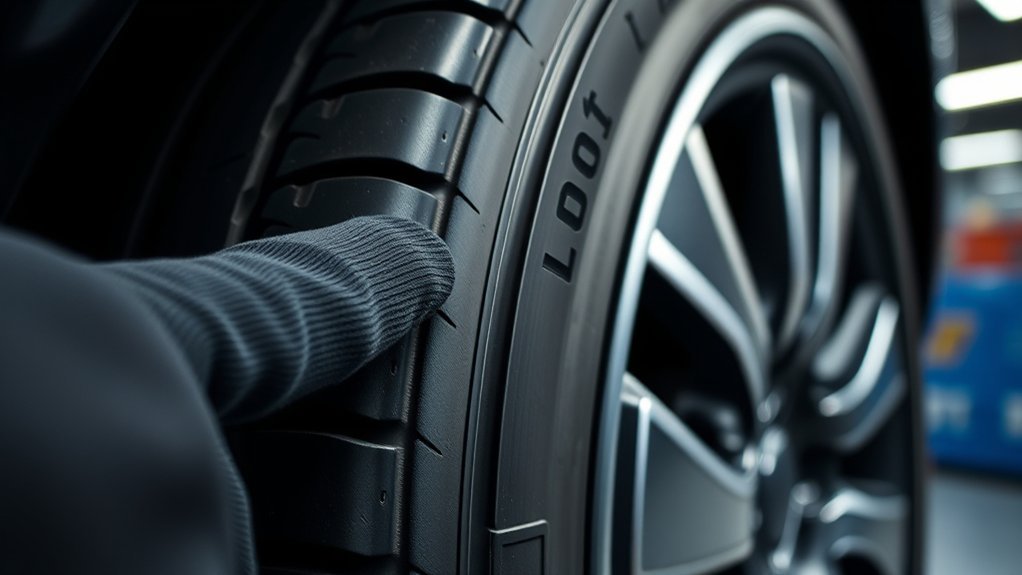
You can find a tire’s date by looking for the DOT Tire Identification Number on the tire sidewall. For tires made in 2000 or later, the last four digits are the date code: the first two digits show the production week, and the last two digits show the production year.
Quick Answer
Look on the tire sidewall for “DOT,” then find the last four numbers in the Tire Identification Number. A code ending in 2910 means the tire was made in the 29th week of 2010. If the date code has only three digits, the tire is pre-2000 and should be replaced.
Key Takeaways
- The tire date code is part of the DOT Tire Identification Number, usually molded near the rim edge on the sidewall.
- For tires made since 2000, read the last four digits as week and year: 2319 means the 23rd week of 2019.
- The full DOT code may appear on only one side of the tire, so check the inner sidewall if you cannot see the full number.
- A three-digit date code means the tire was made before 2000 and is too old for normal service.
- Tire age is only one safety check. Also inspect tread depth, cracks, bulges, cuts, pressure loss, uneven wear, and your spare tire.
At a Glance
| Time Required | 2–5 minutes per tire |
| Difficulty | Easy |
| Tools Needed | Flashlight, phone camera, tire pressure gauge, and a tread depth gauge or penny |
| Cost | Usually $0; about $5–$10 for a basic tread depth gauge |
How to Read a Tire Date Code
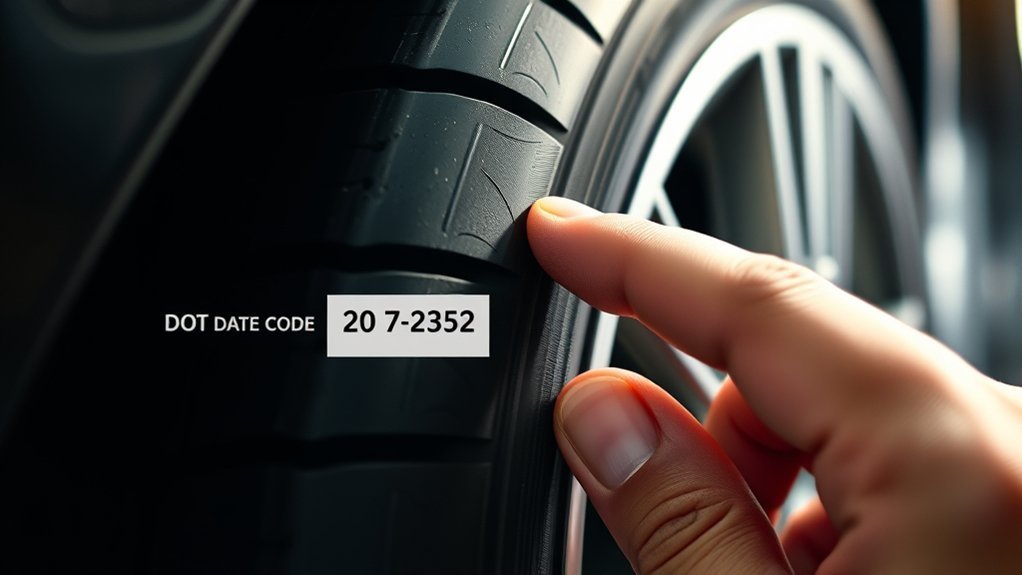
To read a tire date code, start with the letters “DOT” on the sidewall. The code after DOT is the Tire Identification Number, also called the TIN. The date is at the end of that number.
- Find “DOT” on the sidewall. It is usually molded near the rim edge.
- Look for the final number group. On modern tires, the date code is the last four digits of the TIN.
- Read the first two digits as the week. The number should be from 01 to 52.
- Read the last two digits as the year. For example, 2910 means the 29th week of 2010, and 2319 means the 23rd week of 2019.
Warning: A date code does not prove a tire is safe. Replace or professionally inspect any tire with cracks, bulges, cuts, exposed cords, repeated pressure loss, severe uneven wear, or an unknown age.
[Products Worth Considering]

EVOULTES heavy duty tire inflator with an integrated gauge delivers accurate pressure readings from 10–120 PSI, helping you inflate, deflate, and check tires in one tool. The 16.5-inch extended dual-head air chuck with swivel base reaches hard-to-access dual wheel valves on trucks and RVs. A brass trigger core and side-mounted air release valve make operation smooth, with standard 1/4" NPT threading and quick-connect compatibility for easy setup.

The JACO FlowPro Tire Inflator measures, inflates, and airs down tires up to 100 PSI with battery-free operation and ±2% accuracy after calibration. It features a glowing pressure dial for night visibility, a heavy-duty steel build with a hybrid hose, and a precision push-to-inflate thumb trigger. The patented Lightning Air Chuck locks on for a secure seal, and the kit includes quick-connect hardware for easy inline use with your air compressor.

This portable tire inflator delivers fast, efficient inflation with a maximum 150 PSI rating and accurate pressure control for cars, motorcycles, bikes, and more. It features preset modes with automatic shutoff to help prevent overinflation, plus a real-time digital gauge and bright LED light for roadside use. Powered by a rechargeable 6000mAh battery with Type-C charging and a USB output, it’s also useful as an emergency power source for devices.
Where to Find the DOT Code
The DOT code is molded into the tire sidewall. It may be on the outer sidewall, the inner sidewall, or both. If you can see “DOT” but not the full code, the date code may be facing inward toward the vehicle.
Pro Tip: If the code is on the inner sidewall, use a flashlight and your phone camera. Taking a photo from behind the tire is often easier than trying to read the code while crouching beside the vehicle.
Sidewall DOT Marking
The DOT marking begins with the letters “DOT,” followed by a series of letters and numbers. The full Tire Identification Number helps identify the manufacturer, plant, tire type or size, and date of manufacture. The National Highway Traffic Safety Administration notes that the last four digits represent the week and year the tire was made and that the TIN may not appear on both sidewalls.
TIN Date Location
On tires made since 2000, the date code is the final four digits of the TIN. You may see it at the end of a longer string, such as:
DOT U2LL LMLR 2319
In that example, 23 means the 23rd week of the year, and 19 means 2019.
What Each DOT Digit Means
The DOT code is easier to understand when you divide it into sections. Older tires and current tires can use different TIN lengths, but the date code stays at the end.
| DOT Section | What It Tells You | What to Check |
| DOT | The tire meets U.S. DOT marking requirements. | Start reading after these letters. |
| Plant code | Identifies the manufacturing plant. | Current new-tire TINs use a three-symbol plant code. |
| Size/type section | Identifies tire size or tire type information. | Use the sidewall size marking and vehicle placard for fitment, not the date code alone. |
| Optional/manufacturer code | May include manufacturer-specific production information. | Do not confuse this section with the date code. |
| Final four digits | Week and year of manufacture. | Example: 2319 = week 23 of 2019. |
DOT Code Basics
The date code is not the whole DOT number. It is only the final date section. The earlier characters identify the plant, tire size or type, and other manufacturer information. The federal TIN rules are listed in 49 CFR 574.5.
Plant and Size Codes
The plant code points to the manufacturing plant. Current new-tire TINs use a three-symbol plant code. Older tires already in service may show a legacy two-symbol plant code, so do not panic if an older tire does not match the newest format.
Week and Year Digits
The final four digits are the date stamp on tires made in 2000 or later. The first two digits show the week of the year, and the last two digits show the year. A code ending in 1124 means the tire was made in the 11th week of 2024.
Reading 7–12 Character TINs
Many older tires still on vehicles have legacy 7–12 character TINs. You can still read them safely by focusing on the end of the code. The final four digits are the date code on tires made in 2000 or later.
- Find the full DOT code, not just the letters “DOT.”
- Read from left to right, but focus on the final number group.
- Use the first two digits of the final group for the week.
- Use the last two digits of the final group for the year.
- Check all four tires and the spare; they may not all be the same age.
Reading 13-Character TINs
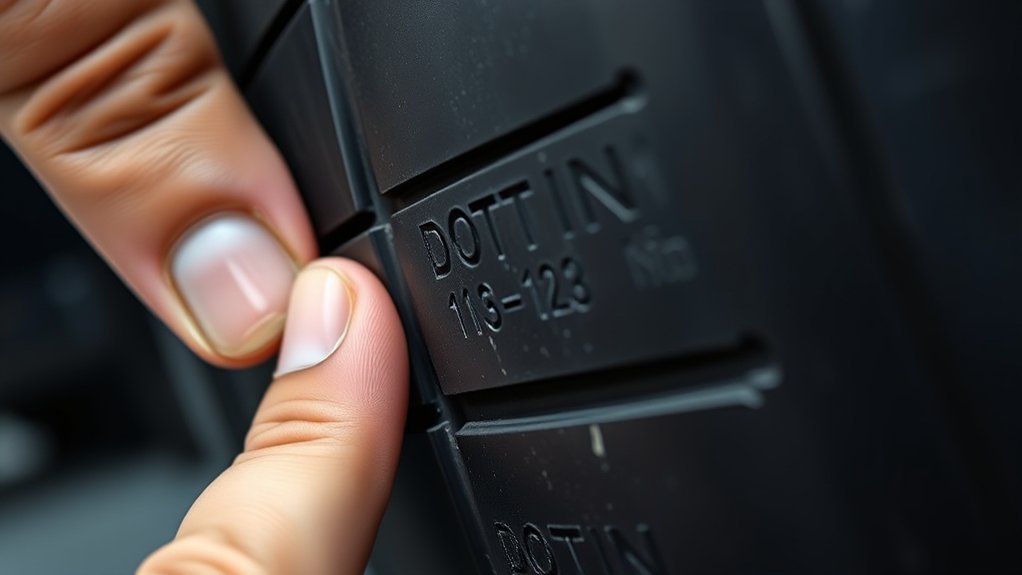
Current new-tire TINs use 13 characters after “DOT.” The format is designed to make tire identification and recalls easier.
- First 3 symbols: plant code.
- Next 6 symbols: tire size and tire type information.
- Last 4 symbols: date code showing week and year.
Example: if the final four digits are 4025, the tire was made in the 40th week of 2025.
Note: A tire can be “new” to you but still have an older manufacturing date. Always compare the DOT date with the vehicle or tire manufacturer’s replacement guidance.
How to Read a 3-Digit Tire Date Code
A three-digit tire date code means the tire was made before 2000. The first two digits show the production week, and the last digit shows the year within the decade. For example, 381 means the 38th week of a year ending in 1, but it does not clearly tell you which decade.
Because any tire with a three-digit date code is now decades old, it should be replaced rather than put into normal road service.
When a Tire Is Too Old
Tire age matters because rubber and internal tire materials change over time. A tire can look usable and still be weakened by age, heat, storage conditions, underinflation, overloading, or previous damage.
There is no single age number that proves every tire is safe or unsafe. Follow your vehicle owner’s manual and tire manufacturer guidance. As one manufacturer example, Michelin recommends professional inspection at least once a year after five years of use and replacement at 10 years from the date of manufacture, including spare tires.
NHTSA reported 511 deaths in tire-related crashes in 2024, which is why tire age, tread depth, inflation pressure, and visible damage should be checked together.
[Products Worth Considering]

The Fanttik X10 Pro is a cordless portable tire inflator that reaches up to 150 PSI and can inflate an R15 tire in about 35 seconds for quick roadside or home top-ups. With AccuInFlate auto-stop and smart start/stop controls, it helps maintain accurate pressure and frees your hands once the target is reached. A high-visibility digital display and preset modes make it easy to set and monitor inflation for cars, motorcycles, bikes, and balls.
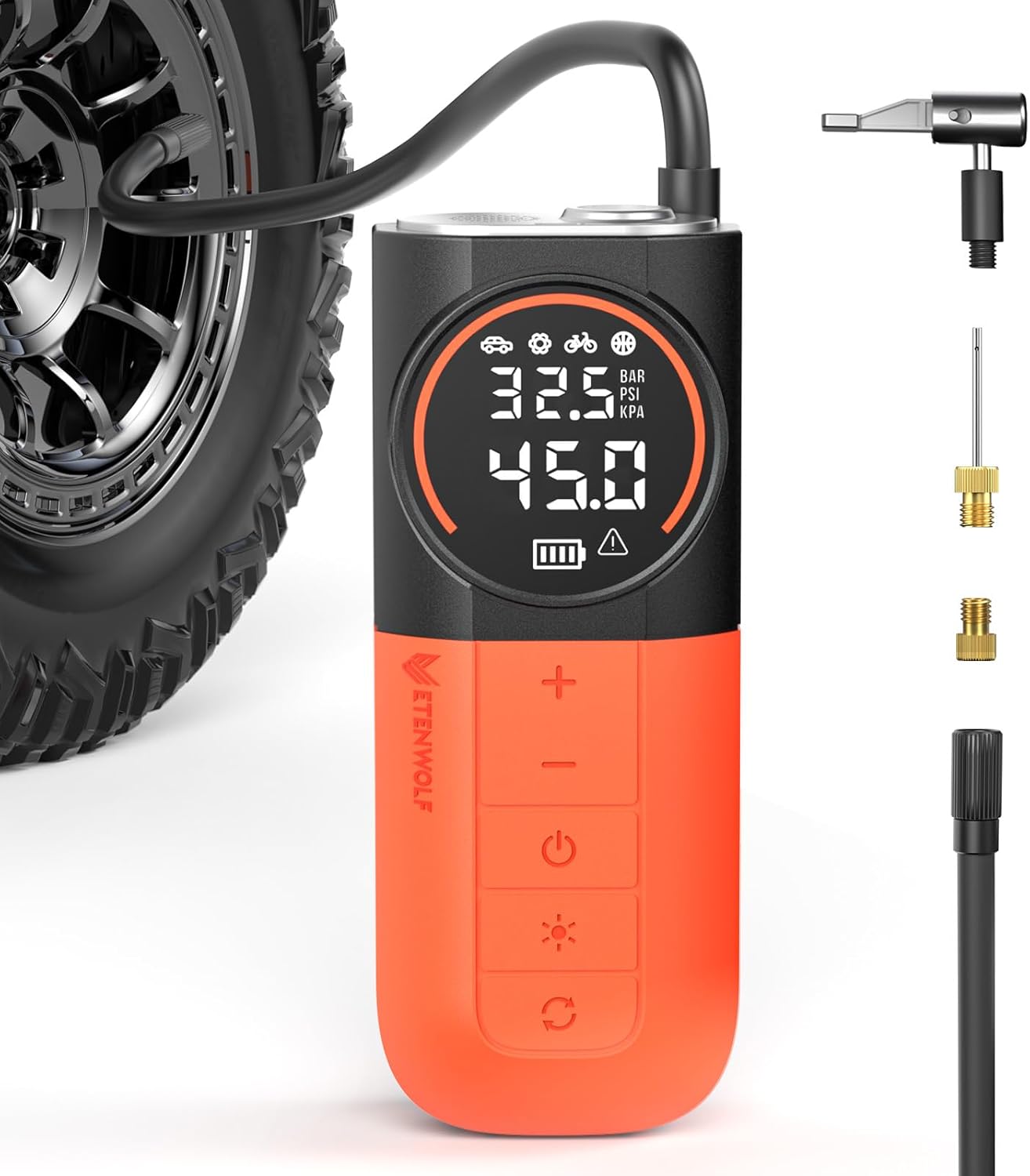
The ETENWOLF S1 cordless tire inflator delivers ultra-fast inflation with up to 160 PSI and a 20 L/min airflow for quicker tire top-offs. Its 5200mAh battery and cooling system support inflating many tires and sports balls on a single charge, while the digital pressure gauge and multi-unit display help you reach the right pressure accurately. With preset modes, pressure memory, an auto-stop feature, and an LED flashlight, it’s built for easy roadside and everyday use.
How to Check Tread Wear
The DOT date tells you tire age, but tread wear tells you how much grip remains. Check tread depth at several points across each tire, not just in one groove.
Tread Depth Checks
Use a tread depth gauge for the most accurate reading. You can also use the penny test:
- Place a penny into the tread groove with Lincoln’s head upside down.
- If you can see the top of Lincoln’s head, the tread is too worn.
- Replace tires at 2/32 inch of tread depth or sooner if required by your driving conditions, tire maker, or local law.
The NHTSA tire safety guidance says tread should be at least 2/32 inch and recommends inspecting tires for damage at least once a month and before long road trips.
Wear Pattern Signs
Uneven wear can point to underinflation, overinflation, alignment problems, suspension issues, or missed rotations. Replace or inspect the tire if you see:
- One shoulder wearing faster than the other.
- Both outer shoulders worn more than the center.
- Center tread worn more than the shoulders.
- Cupping, scalloping, vibration, or road noise.
- Cracks, cuts, bulges, scrapes, bumps, or exposed cords.
Why Tire Age Affects Safety
Tire aging happens when rubber and other tire components change over time. Heat, sunlight, storage conditions, low pressure, heavy loads, and long periods of disuse can speed up that process. That is why low-mileage cars, trailers, collector vehicles, RVs, and spare tires still need age checks.
You cannot judge tire age by tread depth alone. A tire with deep tread can still be old enough to need replacement or professional inspection.
What Other Tire Markings Matter
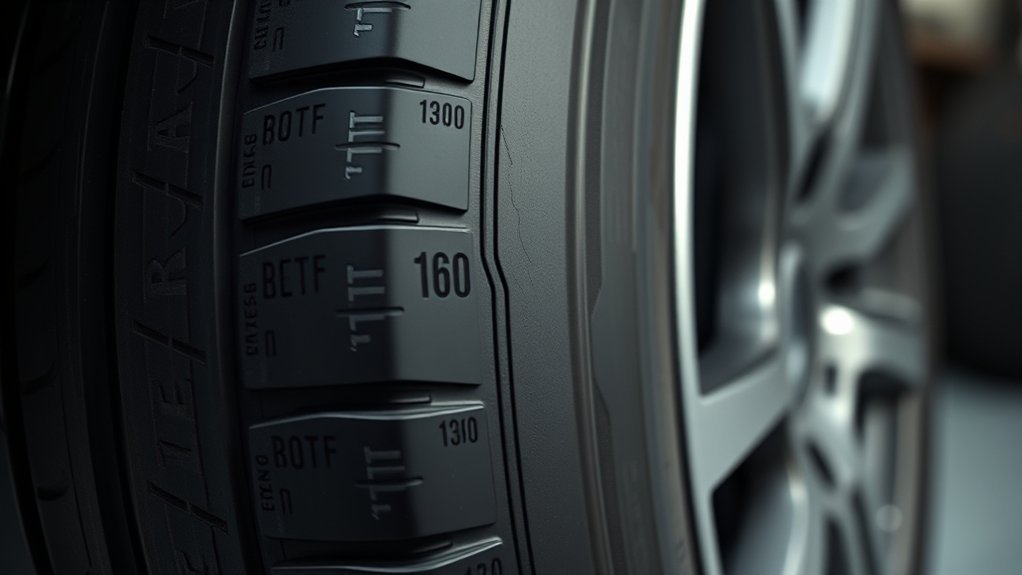
Beyond the DOT date code, the sidewall lists other markings that help you match the tire to your vehicle and use it safely.
- Tire size: matches the tire to your wheel and vehicle requirements, such as P225/60R17.
- Service type: letters such as P or LT indicate passenger or light-truck use.
- Load index: shows how much weight the tire can carry at its rated pressure.
- Speed rating: shows the maximum speed category for the tire under specified conditions.
- UTQG treadwear: compares relative treadwear under government test conditions.
- UTQG traction: grades wet-stopping performance as AA, A, B, or C, with AA highest.
- UTQG temperature: grades heat resistance as A, B, or C, with A highest.
The NHTSA TireWise guide explains tire ratings, tire aging, tire pressure, treadwear, traction, temperature grades, and recall checks.
When to Replace Your Tires
Replace a tire when age, tread wear, damage, or performance makes it unreliable. The DOT date is one part of the decision, not the whole decision.
- Replace immediately if tread depth reaches 2/32 inch.
- Replace immediately if you see bulges, exposed cords, deep cuts, or sidewall damage.
- Inspect professionally if the tire is losing air, vibrating, making new noise, or wearing unevenly.
- Check age on all four tires and the spare, even if the spare has never been used.
- Use the vehicle placard or owner’s manual for cold tire pressure, not the maximum pressure printed on the tire sidewall.
- Check for recalls using the TIN if you suspect a tire defect or receive a recall notice.
Note: Tire Pressure Monitoring Systems are helpful, but they do not replace monthly pressure checks. A TPMS warning usually appears only after pressure is already significantly low.
Frequently Asked Questions
How do you read a 3-digit DOT code?
A 3-digit tire date code uses the first two digits for the production week and the last digit for the year within the decade. For example, 381 means the 38th week of a year ending in 1. Because 3-digit date codes are pre-2000, replace the tire instead of using it for normal driving.
How long are tires good for after the DOT date?
There is no one-size-fits-all expiration date. Tire life depends on age, storage, climate, use, inflation, load, and damage. Follow your vehicle and tire manufacturer guidance. As a practical safety step, have aging tires inspected regularly and replace any tire with damage, poor performance, or an age beyond the manufacturer’s limit.
What if my tire does not have a date code?
Check both sidewalls first. The full DOT code may be on the inner sidewall. If the date code is missing, unreadable, damaged, or looks altered, treat the tire as unknown-age and have it inspected by a qualified tire professional. Do not rely on an unknown-age tire for long-distance or high-speed driving.
Can I still use a 7-year-old tire?
Possibly, but only after checking more than tread depth. Inspect for cracks, bulges, dry rot, cuts, uneven wear, pressure loss, vibration, and noise. If the tire has been exposed to heat, heavy loads, poor storage, or long periods of disuse, get a professional inspection or replace it sooner.
Is tire age based on the purchase date or manufacture date?
The DOT date code shows the manufacture date, not the purchase date. Some warranty periods may start from purchase, but age-related safety guidance often refers to the manufacturing date printed in the DOT/TIN code.
Do spare tires have date codes too?
Yes. Spare tires also have DOT date codes and can age even when they are never used. Check the spare’s date, pressure, tread, and sidewall condition before road trips, and replace it if it is too old or damaged.
Conclusion
Reading a tire date code is simple once you know where to look. Find the DOT Tire Identification Number, check the last four digits, and read them as week and year. Then use that age check alongside tread depth, tire pressure, visible damage, and manufacturer guidance. If the code is missing, unreadable, three digits long, or paired with cracks, bulges, or uneven wear, replace the tire or have it inspected before driving.
Sources
- NHTSA Tire Buyers’ FAQ — DOT/TIN location, final four date digits, and checking both tire sidewalls.
- 49 CFR 574.5 Tire Identification Requirements — federal TIN content requirements.
- NHTSA TireWise — tire ratings, aging, tire pressure, recalls, and tire safety guidance.
- NHTSA Summer Driving & Road Trip Tips — tread depth, penny test, tire damage checks, cold tire pressure guidance.
- Michelin: When to Replace Tires — manufacturer guidance on inspection after five years and replacement at ten years.
- Tire Rack / Bridgestone Firestone Technical Bulletin — legacy 3- and 4-digit tire manufacture date codes.

Related Articles
How to Apply Tire Shine: Step-by-Step Guide for a Perfect Finish
With the right tire shine and technique, your tires can look flawless—discover the step-by-step method that keeps the finish looking even better.
Read More
How to Use Tire Sealer: Step-by-Step Guide for a Quick Fix
Keen to fix a flat fast, this step-by-step tire sealer guide shows what works, what to avoid, and when you still need help.
Read More
How to Tire Yourself Out to Sleep: Evening Routines That Work
Melt into better sleep with simple evening routines that quietly wear you down—discover the surprising habits that make rest come easier.
Read More