
How Wide Is a 285 Tire? Exact Width & Fitment Guide
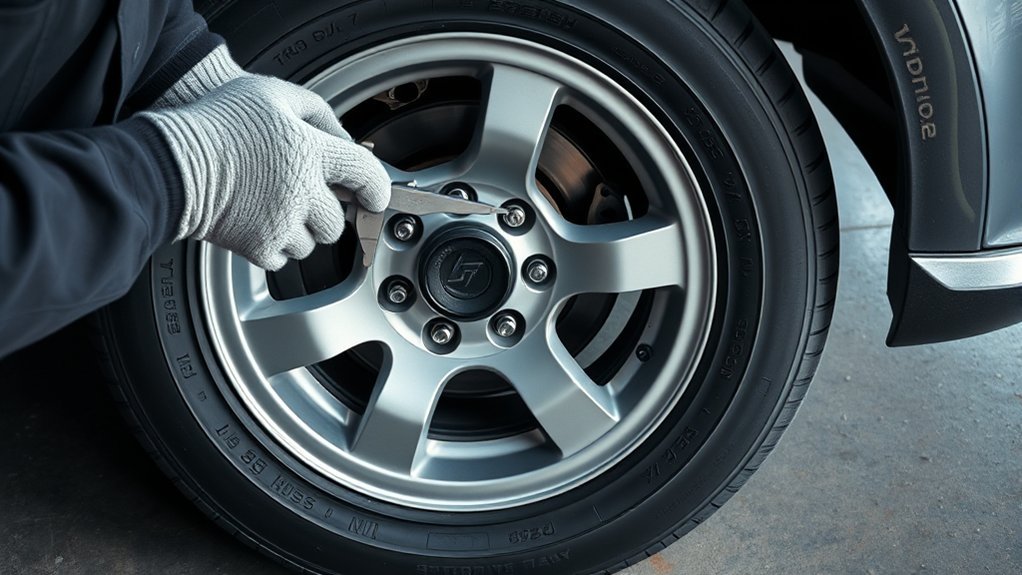
A 285 tire is 285 mm wide, or about 11.2 inches, though exact section width can vary slightly by brand. You’ll usually want a 7.5- to 9-inch rim, with 8.5 to 10 inches often ideal for larger setups. Fitment also depends on wheel offset, suspension travel, and wheel-well clearance. On trucks and SUVs, 285s balance traction, stability, and ground clearance well, and there’s more to check before you buy.
Key Takeaways
- A 285 tire is 285 mm wide, or about 11.2 inches, though actual section width varies slightly by brand.
- For fitment, most 285 tires work best on 7.5- to 9-inch rims, with 8.5 to 10 inches often ideal for larger wheels.
- A 285/70R17 tire is about 32.7 inches tall, with a sidewall height near 7.85 inches.
- Check wheel-well, suspension, and steering-lock clearance before buying, since offset and lift can affect rubbing.
- Compared with a 33×12.50R17, a 285 is slightly narrower, offering strong traction with easier fitment on many trucks and SUVs.
How Wide Is a 285 Tire?
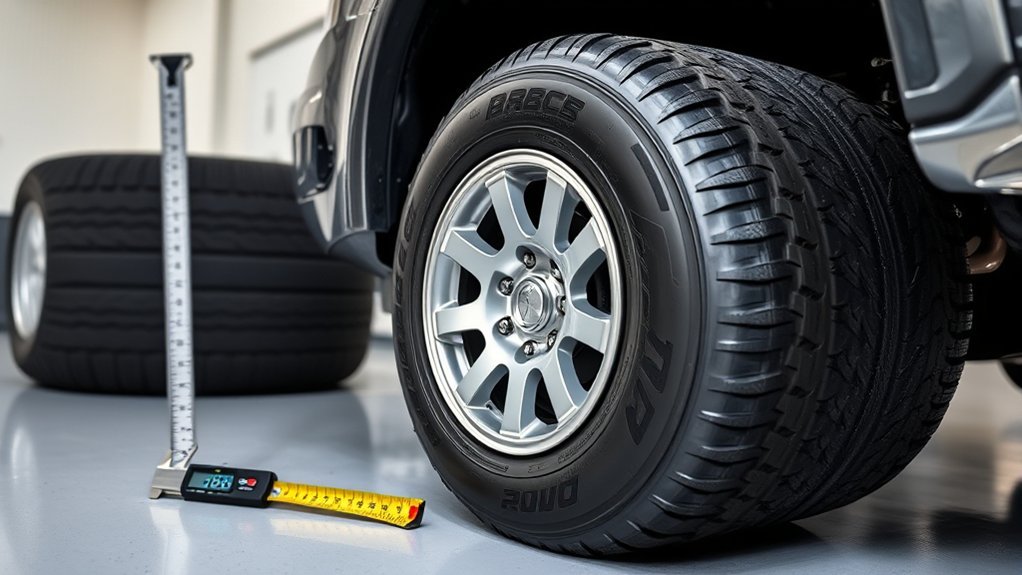
A 285 tire is 285 millimeters wide, which works out to about 11.22 inches. You’re dealing with a tire size that sits above many standard passenger car tires, so you gain a broader contact patch and more stable handling under load. In tire sizes, the 285 designation refers to section width, not the full measurement across every part of the assembly. If you choose a 285/70R17, the sidewall height comes to about 7.85 inches, and the overall diameter is about 32.7 inches, so it isn’t a true 33-inch tire. You should also check fitment against your rim; a 285 typically works best on 7.5- to 9-inch wheels. That range helps you preserve bead security and predictable response. For you, the practical result is simple: more traction, more stability, and a wider footprint without giving up control or mechanical clarity. Additionally, selecting tires like the Terra Hunter X/T can enhance your off-road experience significantly.
285 Tire Width in Inches and Mm
A 285 tire measures about 11.22 inches wide, which equals 285 mm in the size designation. You’ll also need to account for fitment, since a 285 tire typically performs best on 7.5- to 9-inch wheels. Actual section width can vary slightly by manufacturer, so you should verify the published specifications. Additionally, all-season tires are often recommended for versatile performance across different driving conditions.
285 Width In Inches
The 285 tire’s nominal width is 285 millimeters, which works out to about 11.22 inches, so you’re looking at a tire that’s just over 11 inches wide. That Tire Width in inches gives you a clear baseline for fitment decisions. When you measure it mounted, you’re checking sidewall-to-sidewall section width on the correct rim, not tread alone. You’ll usually want a 7.5- to 9-inch rim to keep the profile controlled and the vehicle stable. Because manufacturers build casings differently, the actual width can shift a bit. You should verify clearance at the wheel wells and suspension, especially if you’re pushing for maximum articulation or a freer stance. Precision here protects performance and keeps your setup uncompromised.
285 Width In Millimeters
285 millimeters defines the tire’s nominal width, and that converts to about 11.22 inches, so you’re dealing with a tire that’s just over 11 inches wide. When you read a tire size, that width in millimeters describes the section width measured sidewall to sidewall on a specified rim, not the tread alone. For you, this means a 285 inch tire label is really a metric designation with imperial implications. The wheel diameter in the size code, such as 17 in 285/70R17, tells you the rim size, while the 285 refers only to width. That precise width can support traction and stability, especially when you want controlled performance without surrendering road authority.
Fitment And Wheel Width
Wheel fitment matters as much as the tire’s 11.22-inch nominal width, because a 285 tire needs the right rim to maintain its shape and performance. You should target a 7.5- to 9-inch wheel width; that range supports the sidewall’s 7.85-inch height and keeps the profile stable. If you go narrower or wider, you can distort handling, accelerate uneven wear, and blunt the tire’s response. Check the first number in the size code, then confirm Diameter compatibility with your vehicle specs and the manufacturer’s guide. When you match the rim correctly, you free the tire to work as designed: balanced contact patch, predictable steering, and cleaner load transfer. That’s how you keep a 285 performing accurately on-road and off-road.
What Vehicles Use 285 Tires?
If you’re wondering what vehicles use 285 tires, they’re most common on trucks and SUVs that need extra width for stability, traction, and off-road capability. You’ll see them on the Ford F-150, Chevrolet Silverado 1500, Jeep Wrangler, Toyota Tundra, and Nissan Titan, where engineers balance tire performance with load capacity and terrain control. A 285 tire measures about 11.22 inches wide, so it supports a broader contact patch without sacrificing precision. The popular 285/70R17 setup reaches roughly 32.7 inches in diameter, which can improve ground clearance and approach angles for demanding trails. If you value mechanical independence, this size can expand off-road capabilities while preserving composed on-road handling. Additionally, various off-road tires are designed to enhance traction and durability for different terrains. You should still confirm that your vehicle’s wheel arch and drivetrain can handle the added width, because the wrong setup can create rubbing or clearance limits.
Will a 285 Tire Fit Your Wheel?
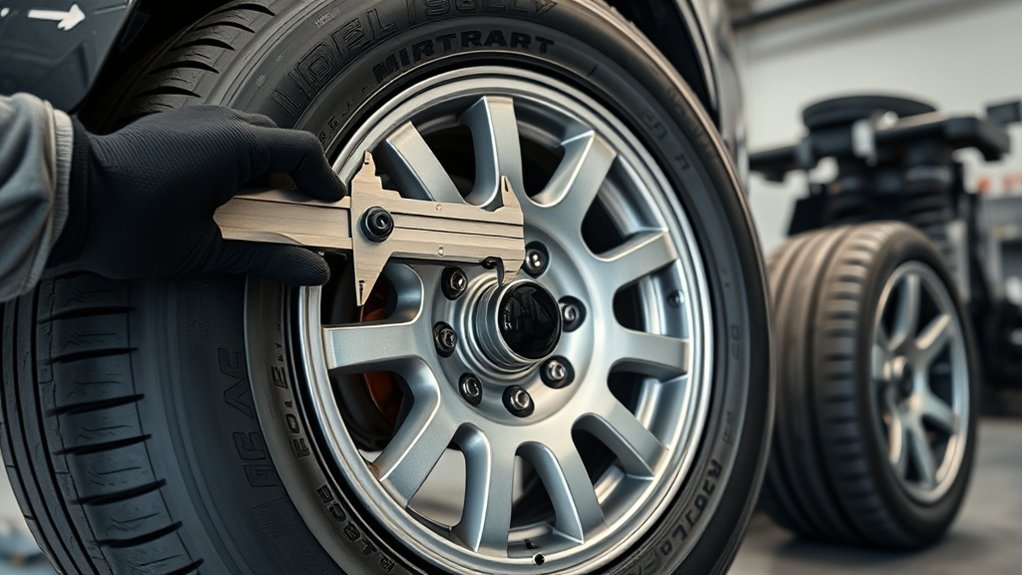
A 285 tire, such as a 285/70R17, measures about 11.22 inches wide and typically fits best on wheels with a 7.5- to 9-inch rim width. You need to match that width range to keep the bead seated correctly and preserve handling precision. Your tire compatibility factors include rim width, overall diameter, load rating, and intended use. Because a 285 tire is about 32.7 inches tall, you should verify wheel well measurements before you install it. Measure clearance at full steering lock and full suspension travel, not just at static ride height. Suspension considerations matter too, since lift, offset, and articulation can change clearance and create rubbing on control arms, liners, or fenders. If your wheel falls outside the recommended range, the tire may still mount, but performance and safety can suffer. Check your vehicle manufacturer’s specifications and guidelines, then confirm fitment with exact measurements. Additionally, understanding tire fitment guidelines can help ensure optimal performance and safety.
285 Tire Fitment on 17-Inch Rims
A 285/70R17 tire fits a 17-inch rim and measures about 11.22 inches wide, so you can use it on vehicles that need a broader contact patch. You should keep the rim width within the recommended 7.5 to 9 inches to maintain proper bead seating, handling, and safety. That fitment also gives you an overall diameter of roughly 32.7 inches, which increases ground clearance and off-road capability. Additionally, a wider tire like this can enhance traction on various terrains, providing improved performance in off-road conditions.
17-Inch Rim Fitment
On 17-inch rims, a 285 tire typically fits within a recommended rim width of 7.5 to 9 inches, giving you a secure mount and balanced handling. With a section width of about 11.22 inches, you gain strong rim compatibility without forcing the carcass to distort. That geometry supports tire performance by keeping the contact patch stable, which helps you put power down cleanly and track confidently. On a 285/70R17, the 7.85-inch sidewall and 32.71-inch diameter add compliance, so you’ll notice better absorption and control on rough terrain. The 70% aspect ratio also shapes ride quality, while the 17-inch package works across trucks and SUVs. For you, that means precise vehicle handling and more freedom to choose a setup that matches your driving demands.
Stock Wheel Width Range
For stock wheel fitment on 17-inch rims, a 285 tire works best on a 7.5- to 9-inch wheel width, which keeps the section width of about 11.22 inches properly supported. You’ll get ideal wheel compatibility when you stay within that range, because the tire’s sidewalls can flex as designed instead of pinching or ballooning. That balance protects tire performance and helps preserve handling characteristics under load, braking, and cornering. If you mount a 285 outside this window, you can expect uneven wear, less precise steering, and possible clearance issues. The 70-series sidewall on a 285/70R17 adds roughly 7.85 inches of height, so confirm manufacturer specs before you buy. Small brand differences can shift exact fitment, and you deserve that precision.
285 Tire Fitment on 18-, 20-, and 21-Inch Rims
When you fit a 285 tire on 18-, 20-, or 21-inch rims, rim diameter affects both overall diameter and how the tire sits on the vehicle. A 285 measures about 11.22 inches wide, so you’re working with a substantial footprint. On 18-inch rims, it usually holds roughly 30.9 inches overall diameter, which gives you a controlled balance between tire performance factors, daily drivability, and off-road capabilities. On 20-inch rims, the package commonly stretches to 31-32 inches, so you gain a little ground clearance and a firmer, more assertive stance. On 21-inch rims, fitment stays similar in width, but you must confirm vehicle clearance and wheel design. Rim width compatibility matters most: 8.5 to 10 inches is the practical range for stable bead seating, even wear, and safe load support. If you want more freedom from compromise, verify offsets and suspension space before you commit. Additionally, selecting the right tire can enhance off-road traction and overall performance significantly.
285 Tire Width Vs 33X12.50 Tires
A 285/70R17 tire measures about 11.2 inches wide, while a 33×12.50R17 comes in at roughly 12.5 inches, so the 33-inch tire is about 1.3 inches wider. In this tire performance comparison, you’ll notice the 33×12.50 also carries a slightly taller 33-inch diameter versus the 285’s 32.7 inches, but the height gap is minimal. The wider casing gives you more contact patch potential, which can improve traction differences on loose surfaces and support stronger off road capabilities. You’ll also get a bit more sidewall, about 8.01 inches versus 7.85 inches, which can add compliance. Still, the 285 stays more restrained at 11.2 inches wide and fits 7.5- to 9-inch rims, while the 33×12.50 usually wants at least 8.5 inches. If you want a cleaner, less aggressive package, the 285 gives you that freedom without sacrificing versatility. Additionally, tire performance relies on maintaining proper tire pressure and regular rotations for optimal lifespan.
How 285 Tires Affect Clearance
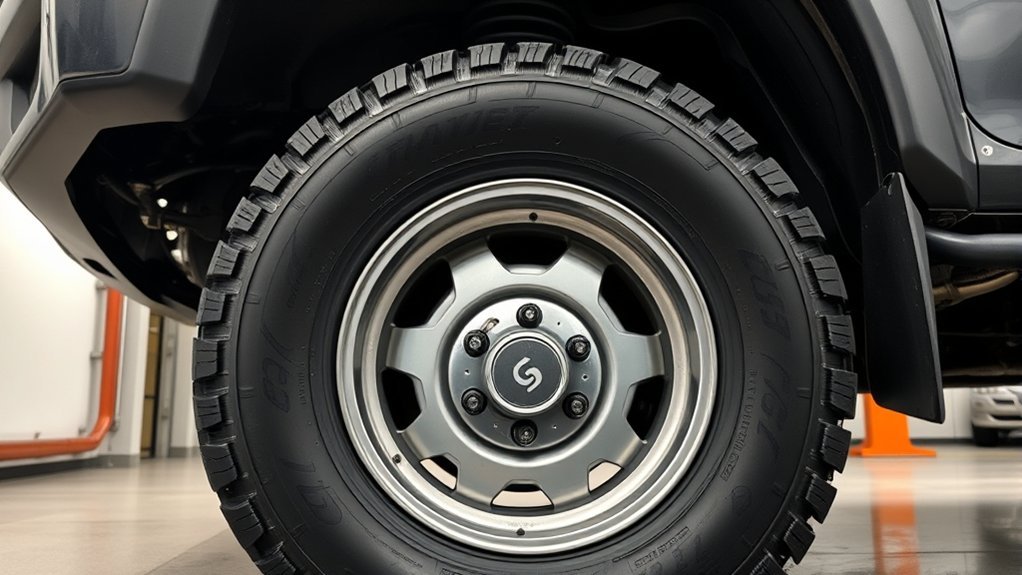
That extra 285 width doesn’t just change how a tire looks; it can also alter clearance around the wheel wells and suspension. You’re dealing with an 11.22-inch section width, so the tire sits farther out and may raise stance slightly, improving ground clearance.
| Clearance factor | Effect |
|---|---|
| Wheel well space | May need trimming |
| Full lock | Rubbing risk rises |
| Compression | Check suspension travel |
| Tire pressure | Changes sidewall bulge |
| Suspension lift | Adds articulation margin |
You should measure before and after fitment, then verify fender, liner, and control-arm clearance at full steering lock and compression. If you run aggressive off-road performance setups, wider contact patches can help traction, but they can also increase turning radius and stress steering geometry. Suspension modifications, lift height, and tire pressure all shape the final result. When you tune these variables precisely, you free your rig to move with less interference and more control. Additionally, mud tires can provide significant traction benefits in off-road conditions, making them a valuable consideration for enhanced performance.
Best 285 Tire Sizes for Stock Rigs
For stock rigs, the best 285 tire fitments usually stay close to factory diameter, with 275/70R17 and 295/70R17 standing out as practical reference sizes because they keep overall height near the 285/70R17’s roughly 32.7-inch diameter. You should target a rim width between 7.5 and 9 inches to preserve bead seating, steering response, and tire performance. A 285 tire measures about 11.22 inches wide, so you get meaningful traction improvement without forcing major suspension changes.
- 275/70R17: closest conservative swap for minimal calibration drift
- 285/70R17: balanced option for stock clearance and off-road capability
- 295/70R17: slightly wider choice if your wheel width supports it
If you keep diameter changes small, your speedometer stays accurate, and you gain stability on loose surfaces. For liberated driving, that means better control, less compromise, and more off-road confidence. Additionally, all-season tires can provide enhanced grip in various weather conditions, making them a versatile choice for daily driving.
Frequently Asked Questions
Is a 285 the Same as a 33 Inch Tire?
No, you can’t treat a 285 as a true 33-inch tire. In tire sizing, a 285/70R17 measures about 32.7 inches overall, so you’re slightly short of 33. Using measurement standards and conversion charts, you’ll see it’s also narrower, at roughly 11.22 inches versus 12.5 inches. That difference affects fitment, gearing, and speedometer accuracy, so you should compare exact specs before you buy.
How Wide Is a 285 Inch Tire?
A 285 tire’s width is about 11.22 inches, or 285 mm. You’ll want to check tire measurements carefully, because rim choice, tread patterns, and sidewall design can create fitment issues even when the nominal size looks right. If you’re planning upgrades, this width gives you a strong footprint for traction and stability, while keeping your build technically balanced and ready for freer movement on and off-road.
Is a 285 Wider Than a 265?
Yes, a 285 is wider than a 265—by a noticeable inch of road. In this tire width comparison, you’re looking at about 11.22 inches versus 10.43 inches, so the 285 adds 0.79 inches. That size conversion can improve traction, but it also brings a performance impact in clearance, handling, and rim fitment. You’ll want to verify wheel specs before upgrading, so your setup stays free and functional.
Is a 285 a 31 Inch Tire?
No, you’re not looking at a 31-inch tire. In tire sizing, a 285 means 285 mm of section width, while the actual diameter depends on aspect ratio and wheel size. A 285/70R17 measures about 32.7 inches, so your tread patterns and fitment can create compatibility issues if you expect a true 31-inch tire. You’ll want to verify dimensions before you choose, especially for clearance, gearing, and suspension geometry.
Conclusion
So, when you choose a 285 tire, you’re usually getting about 11.2 inches of section width, with final fitment depending on rim width, offset, and suspension clearance. If your wheel and wheelwell happen to line up just right, a 285 can look factory-clean or aggressively filled out without rubbing. Measure carefully, verify backspacing, and compare overall diameter before you buy. That small coincidence between tire size and vehicle geometry is what makes the fit feel exact.

Related Articles
How Wide Is a 275 Tire? Exact Width & Fitment Guide
Can a 275 tire fit your setup exactly, or will offset, aspect ratio, and clearance change everything?
Read More
How Tall Is a 285 Tire? Exact Height, Width & Dimensions
What makes a 285 tire nearly 33 inches tall, and which exact dimensions could change your fitment?
Read More
How Tall Is a 275 Tire? Exact Height, Width & Dimensions
A 275 tire isn’t what you think—discover its exact height, width, and hidden fitment surprises before choosing the wrong size.
Read More