
What Is the Metal Part of a Tire Called? Full Wheel Anatomy Guide
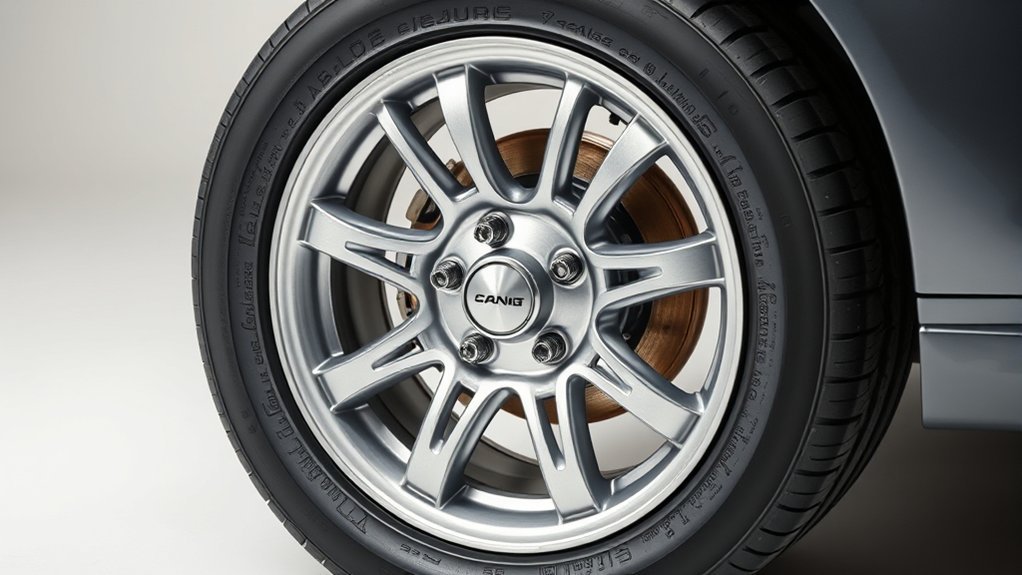
The metal part a tire mounts on is the wheel. Many drivers call the whole metal part a rim, but the rim is technically the outer bead-seat edge of the wheel. If you are pointing to a small metal piece, it could be a wheel weight, valve hardware, a nail, or exposed tire reinforcement, depending on where you see it.
Last updated: July 7, 2026
Quick Answer
The metal part that a tire mounts on is the wheel. Many people say rim, but the rim is technically the outer bead-seat area of the wheel. The tire itself is separate from the wheel, although many tires contain internal steel bead wires and steel belts.
Key Takeaways
- The full metal part that bolts to the vehicle is the wheel.
- The rim is the wheel’s outer bead-seat area, not always the whole wheel.
- The tire is separate from the wheel, but many tires contain internal steel belts and bead wires.
- A visible small metal piece may be a wheel weight, valve part, nail, screw, or exposed steel reinforcement.
- Safe fitment depends on tire size, rim diameter, rim width, bolt pattern, offset, load rating, and brake clearance.
What Is the Metal Part of a Tire Called?
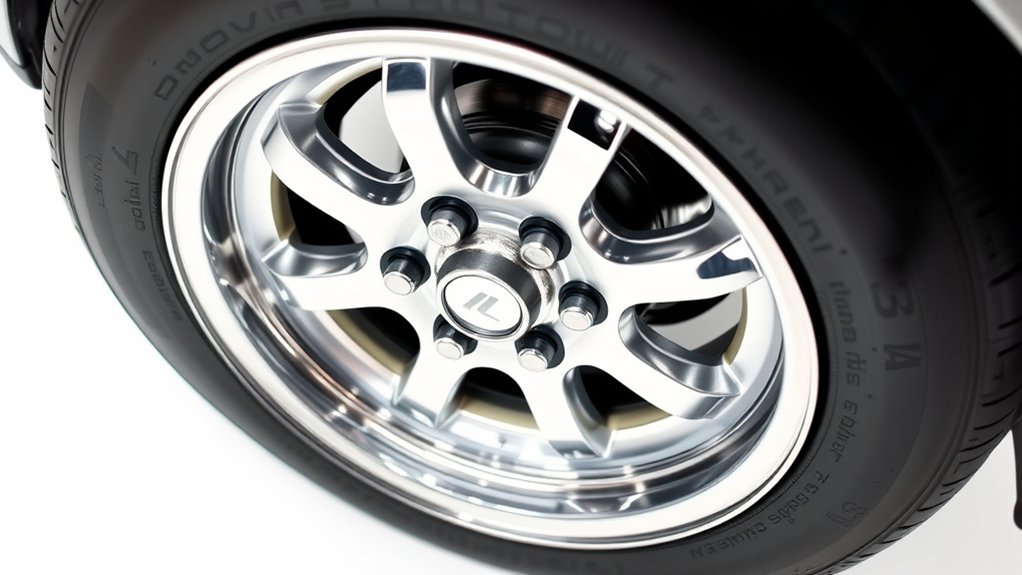
The metal part most drivers mean is the wheel. The tire mounts around that wheel. In everyday speech, people often say “rim” when they mean the entire wheel, but the two words are not always identical.
Technically, the rim is the outer part of the wheel that gives the tire bead a place to sit. The hub area, center bore, lug holes, spokes, and mounting pad are other parts of the wheel. Together, those parts let the tire and wheel assembly support load, roll smoothly, and attach securely to the vehicle.
The Tire and Rim Association is the U.S. standardizing body for tire, rim, valve, and allied-parts interchangeability standards. For everyday maintenance, though, the simple rule is this: the wheel is the metal structure, and the rim is the tire-holding outer edge of that structure.
[Products Worth Considering]

This tire repair kit provides fast emergency puncture repair without removing the tire from the rim, helping you get back on the road quickly. Its screw plug system is designed for punctures in both tread and sidewall and includes a complete patch plug tool set with essential accessories. A portable storage bag makes it easy to carry for cars, trucks, SUVs, motorcycles, and heavy-duty applications.

This tire repair patch tool kit helps you quickly seal small punctures using upgraded mushroom plugs and a built-in roller system that presses for even penetration. The tungsten buffing wheel and HSS twist drill bits prepare the damaged surface for stronger adhesion, while the crown-angle friendly plugs are designed to keep water and debris out. Ideal for puncture repairs on many vehicle types, from cars and trucks to bikes and scooters.

This VEVOR tire bead breaker uses a slide-hammer impact and wedge tip to separate tire beads from rims quickly and efficiently without damaging hub surfaces. The long handle and sturdy steel construction help reduce user strain while providing reliable, portable tire changing for cars, trucks, and more. Ideal for home mechanics and repair shops handling multiple vehicle tire sizes.
Quick Name Check: What Are You Pointing At?
| Where You See Metal | Likely Name | What It Means |
|---|---|---|
| The full round part behind the tire | Wheel | This is the main metal structure the tire mounts on. |
| The outer lip where the tire sits | Rim | This bead-seat area helps hold and seal the tire. |
| A small clip or strip on the wheel | Wheel weight | It balances the tire and wheel assembly to reduce vibration. |
| Wire showing through rubber | Exposed belt or bead wire | This is tire damage and needs immediate inspection. |
Note: A tire is not just plain rubber. Many passenger tires include internal steel belts and steel bead wires. So if you mean the visible metal part outside the tire, say “wheel” or “rim.” If you mean metal inside the tire, you may be talking about belts or bead wires.
Rim, Wheel, and Hub Explained
These terms are easy to mix up because they work together. The table below shows the difference in plain language.
| Part | What It Means | Why It Matters |
|---|---|---|
| Tire | The rubber-and-reinforcement part that contacts the road. | Provides grip, cushioning, load support, and braking traction. |
| Wheel | The full metal structure the tire mounts on. | Attaches the tire assembly to the vehicle and supports the tire. |
| Rim | The outer wheel section where the tire bead seats. | Controls tire fit through rim diameter, width, bead seat, and flange shape. |
| Hub/center section | The center area that fits over the vehicle hub and mounting surface. | Helps center and secure the wheel assembly. |
| Spokes | Metal sections that connect the center to the outer rim area. | Add structure and affect strength, weight, brake cooling, and style. |
| Lug holes | Openings for lug nuts or bolts. | Must match the vehicle’s bolt pattern. |
| Valve stem | The air-fill valve mounted through the wheel. | Allows inflation and can leak if damaged or loose. |
| Wheel weights | Small clip-on or stick-on weights attached to the wheel. | Balance the tire and wheel assembly to reduce vibration. |
Rim diameter and rim width are especially important. Bridgestone’s tire terminology defines rim diameter at the bead seat and rim width as the measurement inside the rim flanges. That is why two wheels that look similar may not fit the same tire safely.
What the Rim Does for Your Tire
The rim gives the tire bead a strong, shaped surface to grip. On a tubeless tire, the bead and rim work together to help create an airtight seal. If the rim is bent, cracked, corroded, or the wrong size, the tire may lose air, wear unevenly, vibrate, or fail to seat correctly.
The rim also helps support the tire’s sidewalls. A rim that is too narrow or too wide for the tire can change the shape of the tire, affect handling, and place extra stress on the bead and sidewall. A correct match helps the tread sit properly on the road.
Warning: Do not try to mount, demount, heat, weld, hammer, or repair a pressurized tire and wheel assembly at home. Pressurized assemblies can release energy suddenly. Have damaged wheels, bead leaks, and tire mounting problems handled by a trained tire professional.
How the Hub Attaches the Wheel
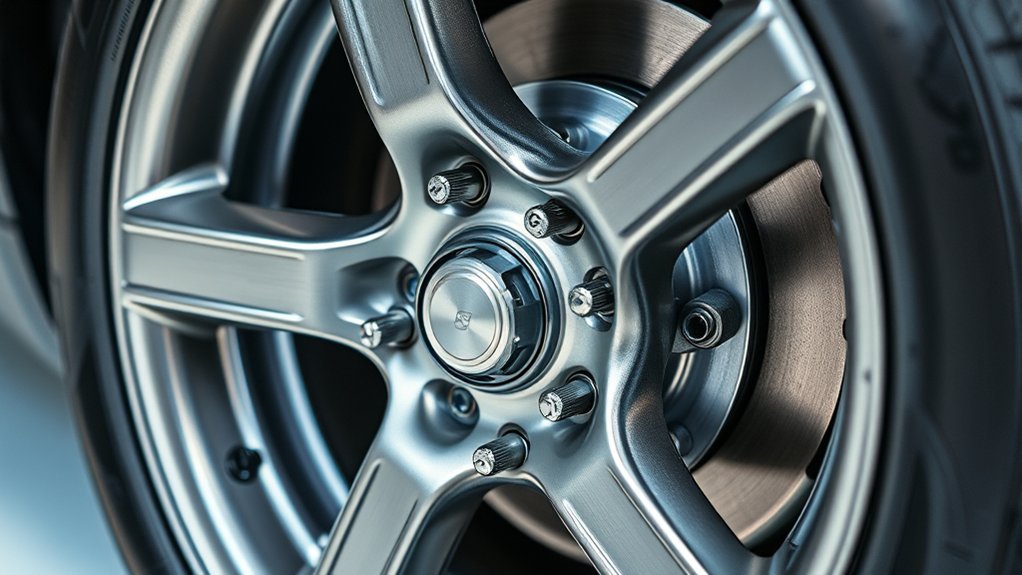
The hub area sits at the center of the wheel. Depending on the vehicle design, the wheel is secured with lug nuts on studs or with lug bolts. The number of lugs varies by vehicle, so never assume that all cars use the same pattern.
The center bore, mounting pad, lug holes, and bolt pattern all matter. If they do not match the vehicle, the wheel may not center correctly or fasten safely. The hub area also sits close to brake rotors, calipers, and suspension parts, so wheel offset and brake clearance must be checked before changing wheel size or style.
A loose wheel, wrong bolt pattern, incorrect offset, or damaged mounting surface can create vibration, uneven tire wear, steering problems, or serious safety risk. If you feel shaking after a wheel installation, hear clunking, or see missing lug nuts, stop driving and have the vehicle inspected.
What’s Inside a Tire?
A tire looks like one solid rubber part, but it is built from layers. Those layers help the tire hold air, carry weight, resist flexing, and grip the road. Common tire parts include the tread, shoulder, sidewall, bead, inner liner, belts, plies, and casing or carcass.
Tire Inner Structure
The inner liner is the air-retaining layer inside many tubeless tires. The casing or carcass is the tire’s structural body under the tread and sidewalls. It uses fabric and/or steel cord layers to help the tire keep its shape under load.
- Inner liner: Helps retain air pressure in tubeless tires.
- Plies and casing: Provide structure and load support.
- Belts: Often steel-reinforced layers under the tread that add strength and stability.
- Beads: Steel wire bundles wrapped in rubber that lock the tire to the rim.
- Sidewall: Protects the internal structure and carries tire size, load, speed, and pressure markings.
Key Internal Layers
The bead is one of the most important tire-to-wheel contact points. It is not the wheel itself; it is part of the tire. The bead sits against the rim’s bead seat and helps hold the tire in place when the tire is inflated.
The tread is the road-contacting rubber pattern. Grooves and sipes help move water and improve grip. The shoulder is the edge area where the tread transitions into the sidewall. The sidewall flexes as the tire rolls and protects the inner layers from normal road exposure.
Beads, Casing, and Tread
Beads, casing, and tread work together, but they do different jobs:
- Beads anchor: They help lock the tire to the rim and maintain the seal.
- Casing supports: It carries load and gives the tire its structural body.
- Tread grips: It provides the traction surface for acceleration, braking, and cornering.
If you see exposed cords, wire, bulges, sidewall cuts, or tread separation, stop using the tire and have it inspected. Exposed steel belt or bead wire is a damage sign, not a normal visible feature.
What If You See a Small Metal Piece?
A “small metal piece” can mean several different things, depending on where it is located:
- On the outside edge of the wheel: It may be a clip-on wheel weight used for balancing.
- Stuck to the inside barrel of the wheel: It may be a stick-on wheel weight.
- In the tread: It may be a nail, screw, staple, or road debris that can cause a leak.
- At the air valve: It may be part of the valve stem, valve core, cap, or TPMS sensor hardware.
- Coming through the rubber: It may be exposed steel belt or bead wire, which means the tire is damaged and should not be driven on.
If the tire is losing air, has a puncture near the sidewall, shows exposed wire, or has a bulge, do not keep driving on it. A tire shop can determine whether it is safely repairable or must be replaced.
[Products Worth Considering]

This 4-in-1 tire valve core removal tool helps you deflate, unblock, and remove or install valve cores quickly for easier tire repair. The multifunction design also supports re-taping damaged threads and reaming inside the valve stem for smoother service. Included as a 2-pack, it’s compact for convenient carry and works for cars, bicycles, and motorcycles.

This multi-function tire valve stem removal tool set makes it fast to remove, install, bleed, and clean valve cores for easier tire maintenance. It includes valve core removers, a 4-way spool tool, replacement valve caps, and spare cores to handle replacements and repairs with confidence. Universal compatibility suits cars, trucks, motorcycles, bicycles, and more for roadside convenience.
What Should You Tell a Tire Shop?
Use the exact location when you describe the problem. Say “metal clip on the rim lip,” “stick-on weight inside the wheel barrel,” “screw in the center tread,” or “wire showing near the shoulder.” That wording helps the technician separate a normal wheel weight from a puncture, valve leak, bent rim, or unsafe tire damage.
What Is the Difference Between Tire Rotation, Wheel Alignment, and Wheel Balancing?
Tire rotation, wheel alignment, and wheel balancing are three different services.
| Service | What It Does | When It Helps |
|---|---|---|
| Tire rotation | Moves tires to different vehicle positions. | Helps even out tread wear. |
| Wheel alignment | Adjusts suspension angles such as toe, camber, and caster. | Helps when the vehicle pulls, steering is off-center, or tires wear unevenly. |
| Wheel balancing | Adds small weights to correct uneven weight distribution in the tire/wheel assembly. | Helps reduce vibration, especially at highway speeds. |
The U.S. Tire Manufacturers Association Tire Care and Safety Guide recommends checking the vehicle or tire manufacturer’s rotation guidance first. If no interval is specified, it says tires should generally be rotated every 5,000 to 8,000 miles or at any sign of uneven wear.
Some tires and vehicles have rotation restrictions. Directional tires, staggered wheel sizes, different front/rear tire sizes, and some AWD systems may require a specific pattern. Always check the owner’s manual or tire documentation before rotating.
How Do You Choose the Right Tires and Wheels?
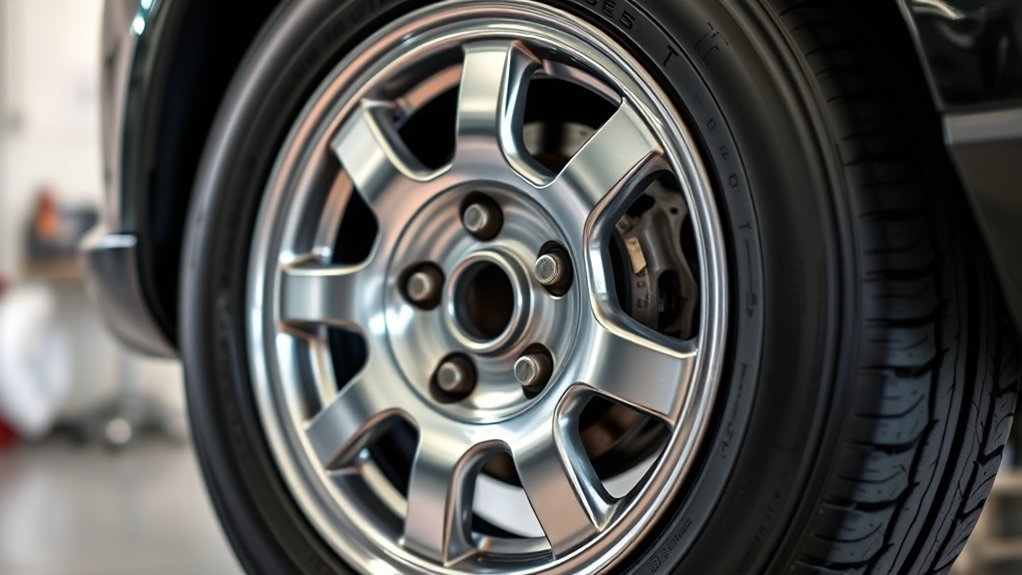
Choosing the right tires and wheels starts with the vehicle manufacturer’s tire placard and owner’s manual. NHTSA TireWise also tells drivers to use the owner’s manual or Tire and Loading Information Label when choosing tire size. Tire size, load index, speed rating, and inflation pressure should match the vehicle’s requirements unless a qualified professional confirms a safe alternative.
When choosing wheels, check these fitment details:
- Rim diameter: Must match the tire’s rim-size marking.
- Rim width: Must fall within the tire manufacturer’s approved range.
- Bolt pattern: Must match the vehicle’s lug layout exactly.
- Center bore: Must fit the vehicle hub correctly.
- Offset and backspacing: Affect how far the wheel sits inward or outward.
- Load rating: Must support the vehicle’s weight requirements.
- Brake clearance: Must clear calipers, rotors, and other brake hardware.
- TPMS compatibility: Must work with the tire pressure monitoring system if equipped.
Pro Tip: Start with the tire placard inside the driver’s door jamb, the owner’s manual, and the tire manufacturer’s approved rim-width range. Appearance matters, but fitment, load rating, and brake clearance matter more.
For seasonal choices, all-season tires balance everyday comfort and year-round usability in mild conditions. Winter tires are designed for cold, snow, and ice. Performance tires can sharpen handling but may trade off ride comfort, tread life, or cold-weather grip. The right choice depends on your climate, driving style, load needs, and vehicle requirements.
When Should You Repair or Replace a Wheel?
A damaged wheel can affect both safety and tire life. Have the wheel inspected if you notice:
- Repeated air loss with no obvious puncture.
- A bent rim after hitting a pothole or curb.
- Cracks in the wheel face, spokes, or rim lip.
- Heavy corrosion near the bead seat.
- New vibration after a tire or wheel impact.
- Uneven tire wear that returns after rotation or alignment.
OSHA’s rim wheel servicing standard applies to certain large-vehicle rim wheels, not ordinary passenger-car tire changes. Still, it highlights an important safety principle: tire and wheel assemblies under air pressure must be handled with the right training, tools, and procedures.
Frequently Asked Questions
What is the little piece of metal in my tire?
It depends where you see it. A metal piece on the wheel may be a wheel weight. A metal piece in the tread may be a nail or screw. Metal showing through the rubber may be exposed belt or bead wire, which means the tire is damaged and should be inspected before driving.
Do tires come with the metal part?
A new tire usually does not come with the wheel or rim unless you buy a mounted tire-and-wheel package. However, many tires do contain internal metal reinforcement, such as steel belts under the tread and steel bead wires near the rim.
What are all the parts of a tire called?
Common tire parts include the tread, grooves, sipes, shoulder, sidewall, bead, bead wire, inner liner, belts, plies, casing, and carcass. The wheel parts are separate and include the rim, center section, spokes, lug holes, valve stem, and mounting pad.
What is the middle part of a tire called?
If you mean the visible center area that touches the road, it is the tread or crown area. If you mean the internal body of the tire, that is usually called the casing or carcass. The casing supports the tire structure beneath the tread and sidewall.
What is the metal ring inside a tire called?
The stiff metal-reinforced ring inside the tire edge is the bead. It uses steel bead wires wrapped in rubber to help lock the tire against the wheel rim when the tire is inflated.
Is a rim the same thing as a wheel?
In casual speech, people often use “rim” and “wheel” to mean the same thing. Technically, the wheel is the whole metal structure, while the rim is the outer part where the tire bead seats.
Can I drive with a bent rim?
A slightly bent rim may still hold air, but it can cause vibration, bead leaks, uneven wear, and handling problems. If the wheel is cracked, leaking, badly bent, or vibrating after impact, do not ignore it. Have it inspected by a tire or wheel professional.
Conclusion
The metal part most people mean is the wheel, while the rim is the outer wheel section that supports the tire bead. The tire itself is separate, although it can contain internal steel belts and bead wires. Knowing these names helps you explain problems clearly, choose the right replacement parts, and spot safety issues such as bent rims, exposed wire, bead leaks, or poor wheel fitment.
Sources
- NHTSA TireWise — tire safety, buying, maintenance, labeling, aging, and consumer guidance.
- U.S. Tire Manufacturers Association Tire Care and Safety Guide — tire rotation, inspection, loading, inflation, and replacement guidance.
- Bridgestone Tire Terminology — definitions for rim diameter, rim width, sidewall, casing, rotation, and related tire terms.
- The Tire and Rim Association — U.S. tire, rim, valve, and allied-parts standardization role.
- OSHA 29 CFR 1910.177 — rim-wheel servicing definitions and safety procedures for covered large-vehicle applications.

Related Articles
What Does THE P Stand For on a Tire? Full Meaning Explained
I’ll explain what the “P” on a tire really means and why it could change how you choose your next set.
Read More
How to Use a Tubeless Tire Repair Kit: Complete Field Guide
Learn how to fix tubeless tire punctures fast with the right kit, because one small mistake can leave you stranded on the trail.
Read More
How to Tell a Tire’s Diameter: Easy Guide to Reading Tire Size
Want to decode tire sidewall numbers and find the right diameter, but wonder what those hidden digits really mean?
Read More