
What Is Tire Offset? Wheel Fitment Explained Simply
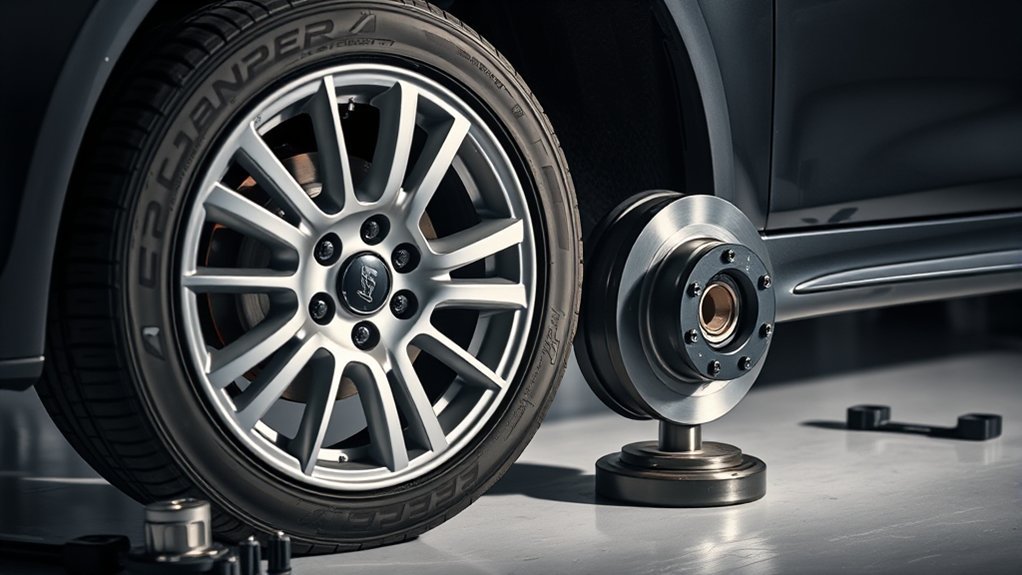
Wheel offset is one of the small wheel specs that can make a big difference in how your vehicle looks, steers, and clears the suspension. If the offset is wrong, the wheel may sit too far inward or outward, which can lead to rubbing, poor brake or suspension clearance, and uneven tire wear. The good news is that once you understand the number, it is much easier to compare wheels before you buy.
Quick Answer
Wheel offset is the distance, in millimeters, between a wheel’s hub mounting surface and the wheel centerline. Positive offset tucks the wheel inward, negative offset pushes it outward, and zero offset places the mounting surface at the centerline. Offset matters because it affects fender clearance, brake clearance, suspension clearance, steering feel, and stance.
Key Takeaways
- Wheel offset is measured in millimeters from the wheel centerline to the hub mounting surface.
- Positive offset tucks the wheel inward; negative offset pushes it outward; zero offset sits at the centerline.
- Offset and backspacing are related but not identical. Backspacing measures from the mounting surface to the inside lip of the wheel.
- Small offset changes can still matter when wheel width, tire size, suspension height, and brake clearance are tight.
- The safest fitment starts with factory specs, then a test fit at full steering lock and through suspension travel.
At a Glance
| Time Required | 5–10 minutes to check a stamped ET mark; 20–30 minutes if you remove and measure a wheel. |
| Difficulty | Easy for reading the wheel stamp; moderate for measuring offset manually. |
| Tools Needed | Flashlight, ruler or tape measure, straightedge, calculator, and wheel specs. If removing a wheel, use proper lifting equipment and jack stands. |
| Cost | Usually free if you check the wheel yourself; a tire shop may charge labor if test fitting or measuring multiple wheels. |
What Is Wheel Offset?
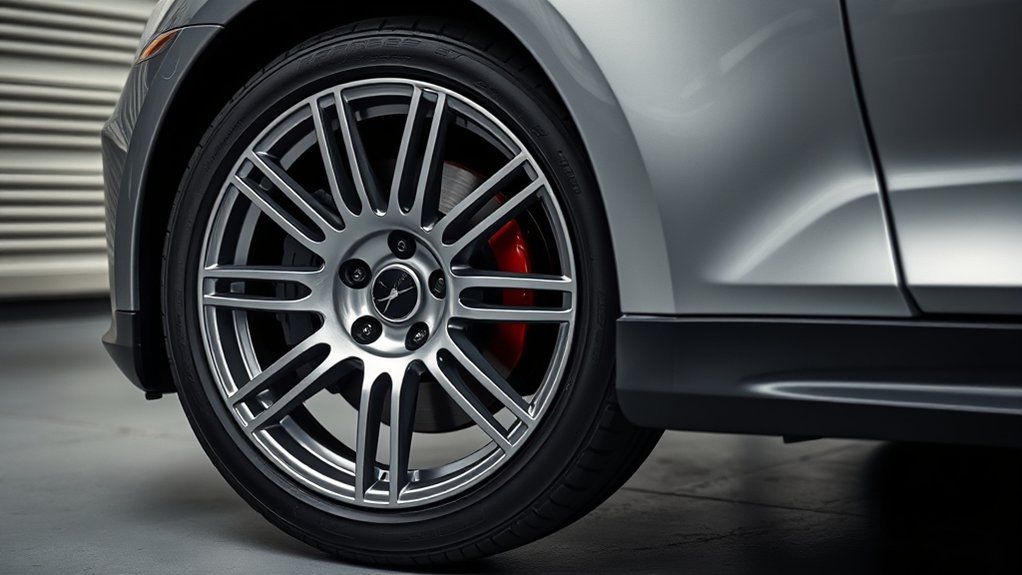
Wheel offset is the distance between a wheel’s hub mounting surface and the wheel’s centerline. It is measured in millimeters and is often marked as ET on the back of the wheel. For example, ET35 means the wheel has a +35 mm offset.
The mounting surface is the flat area that touches the vehicle’s hub. The centerline is the middle of the wheel width. When that mounting surface moves toward the outside face of the wheel, the offset becomes positive. When it moves toward the inside lip, the offset becomes negative.
This number matters because it helps determine where the tire and wheel sit in the wheel well. The right offset keeps enough room for the fender, brake caliper, strut, control arms, inner liner, and bodywork. The wrong offset can make a wheel bolt on but still fit poorly.
[Products Worth Considering]

Upgrade your vehicle’s wheels with these stylish valve stem caps featuring a resin emblem and a durable metal design. The caps rotate 360 degrees for a versatile fit across...
Positive, Negative, and Zero Offset
Positive, negative, and zero offset describe where the mounting surface sits compared with the wheel centerline.
| Offset Type | Mounting Surface Position | What It Does |
|---|---|---|
| Positive offset | Closer to the wheel face | Tucks the wheel inward toward the suspension and brakes. |
| Zero offset | Even with the centerline | Keeps the mounting surface centered in the wheel. |
| Negative offset | Closer to the inside lip | Pushes the wheel outward toward the fender. |
Many modern passenger cars use positive offset. Zero and negative offset are more common on some older rear-wheel-drive, deep-dish, truck, and off-road wheel setups. That does not mean one type is automatically better. The correct offset is the one that matches your vehicle, tire size, wheel width, brake package, and suspension clearance.
Why Wheel Offset Affects Fitment
Offset changes the wheel’s position from side to side inside the wheel well. A higher positive offset moves the wheel inward. A lower offset, including a negative offset, moves the wheel outward. That movement affects both inner clearance and outer clearance.
If the wheel moves too far inward, the tire or wheel can contact the strut, spring perch, control arm, brake caliper, inner liner, or frame. If the wheel moves too far outward, the tire can rub the fender, bumper tab, flare, mud flap, or outer liner during turns and bumps.
Warning: A wheel can bolt onto the hub and still be unsafe if the offset, width, tire size, load rating, center bore, or brake clearance is wrong. Always test fit before driving, and use a qualified tire or wheel professional for close-clearance setups.
| Offset Change | Likely Movement | Main Clearance Risk |
|---|---|---|
| More positive offset | Wheel moves inward | Strut, suspension, brakes, inner liner |
| Less positive offset | Wheel moves outward | Fender, bumper, flare, mud flap |
| Negative offset | Wheel pushes farther outward | Outer bodywork, steering scrub, bearing load |
| Near factory offset | Closest to original wheel position | Still must verify if width or tire size changes |
How Offset and Backspacing Work Together
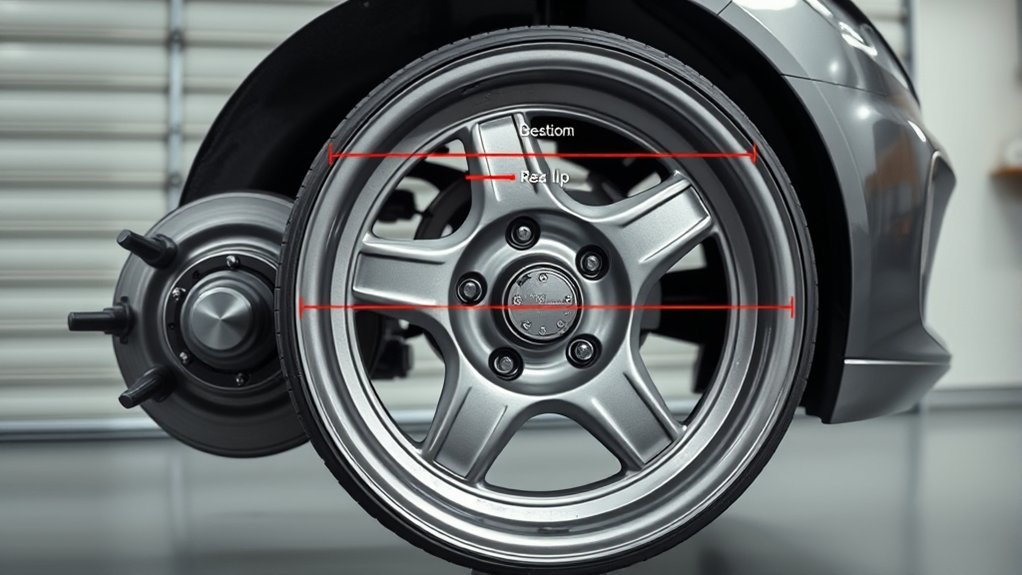
Offset and backspacing describe the same fitment problem from different reference points. Offset measures from the wheel centerline to the mounting surface. Backspacing measures from the mounting surface to the inside lip of the wheel.
For the same wheel width, more positive offset means more backspacing and a wheel that sits farther inward. Less positive offset or negative offset means less backspacing and a wheel that sits farther outward.
A simple backspacing formula is:
Backspacing = half of the wheel’s overall width + offset converted to inches.
Because wheel width is often listed from bead seat to bead seat, the physical outside-to-outside width is usually about 1 inch wider than the labeled width. That is why many fitment calculators add about 1 inch before converting offset to backspacing.
Note: Two wheels with the same offset can fit differently if one wheel is wider. A 17×9 +35 wheel has less inner clearance and more outer poke than a 17×8 +35 wheel because the extra width has to go somewhere.
How to Find Your Current Wheel Offset
The fastest way to find your current wheel offset is to check the wheel markings. Many wheels have the size and offset stamped or cast into the back of the spokes or inside barrel. Look for a marking such as ET35, ET45, or ET-12.
- Check the back of the wheel. Use a flashlight and look for an ET number, often near the wheel size and bolt pattern.
- Confirm the wheel size. A marking such as 17×8 ET35 means the wheel is 17 inches in diameter, 8 inches wide, and has a +35 mm offset.
- If there is no stamp, measure backspacing. Lay the wheel face down on a protected surface, place a straightedge across the back lip, and measure down to the mounting pad.
- Find the centerline. Measure the wheel’s overall outside width, then divide by two.
- Calculate offset. Subtract the centerline from the backspacing, then convert inches to millimeters by multiplying by 25.4.
Example: if the wheel’s overall width is 9 inches, the centerline is 4.5 inches. If measured backspacing is 5.5 inches, the offset is 1 inch positive. One inch equals 25.4 mm, so the wheel is about +25 mm offset.
Pro Tip: Before ordering wheels, compare your current wheel width, current offset, new wheel width, new offset, and tire size together. Offset alone is not enough to confirm fitment.
Will a New Offset Cause Rubbing?
Yes, a new offset can cause rubbing if it moves the wheel too far inward or outward. Rubbing is more likely when you also change tire width, tire diameter, wheel width, suspension height, alignment, or fender clearance.
Check these areas before driving:
- Inner clearance: strut, spring perch, control arm, sway bar, brake line bracket, and inner fender liner.
- Outer clearance: fender lip, bumper corner, mud flap, flare, and body seam.
- Brake clearance: caliper face, caliper barrel clearance, and spoke clearance.
- Steering clearance: both left and right at full lock.
- Suspension travel: compression over bumps, loaded cargo, passengers, or off-road articulation.
Rubbing Risk Factors
Rubbing risk comes down to the complete fitment package. Offset is important, but tire size, wheel width, wheel diameter, suspension height, alignment, fender shape, and vehicle load all shape the result.
| Sign | What It Usually Means |
|---|---|
| Fresh tire marks on the liner or fender | The tire is contacting bodywork during turns or bumps. |
| Scraping noise at full lock | The tire may be touching the liner, sway bar, or mud flap. |
| Vibration or steering kickback after the change | Fitment, balance, hub centering, or steering geometry may need inspection. |
| Marks on the wheel barrel or spokes | Brake or suspension clearance may be too tight. |
How To Prevent Rubbing
Start with the factory wheel specs, then compare any new setup against them. Staying close to the original offset is a conservative starting point, but it is not a guarantee. A wider wheel or larger tire can rub even if the offset number is close to stock.
To reduce rubbing risk:
- Use your vehicle’s exact year, make, model, trim, brake package, and suspension setup when checking fitment.
- Compare both inner clearance and outer poke, not just the offset number.
- Test fit one front and one rear wheel before mounting a full set of tires when possible.
- Turn the steering wheel fully left and right while checking clearance.
- Recheck after lowering, lifting, adding spacers, changing alignment, or switching tire sizes.
How Wheel Offset Changes Appearance
Wheel offset changes how tucked, flush, or aggressive the wheels look in the fenders. A higher positive offset usually creates a more tucked-in look. A lower offset or negative offset moves the wheel outward, which can create a flush fit or a wider stance.
Appearance should not be the only goal. A wheel that looks flush while parked may rub when the suspension compresses or when you turn sharply. The best setup balances stance with safe clearance.
Tucked-In Wheel Look
A tucked-in wheel look happens when the wheel sits farther inside the fender. Many factory setups use this style because it helps protect bodywork, reduce splash, and maintain predictable clearance. Too much positive offset, however, can move the wheel too close to the strut, brake caliper, or inner liner.
For many modern cars, offsets in the +35 mm to +50 mm range are common, but that range is not universal. Always confirm your factory offset and wheel width before assuming a number will fit.
Flush Fit Appearance
A flush fit places the wheel and tire close to the fender line without obvious tuck or poke. To get there, you usually need a lower offset, a wider wheel, or both. The challenge is keeping enough room for steering, bumps, passengers, and cargo.
If you want a flush look, compare how far the new wheel moves outward and inward. Do not rely only on photos of another vehicle unless it has the same trim, suspension, brake package, wheel width, tire size, and alignment.
Aggressive Stance Effect
A negative wheel offset pushes the wheel farther outward and can create a wider, more aggressive stance. This look is common on some off-road trucks and deep-dish wheel setups.
The tradeoff is that aggressive offset can increase fender rubbing, steering effort, scrub radius changes, road kickback, and wheel bearing leverage. It may also throw more debris onto the side of the vehicle. For a daily driver, the best-looking offset is not always the best-driving offset.
Wheel Offset for Trucks and SUVs
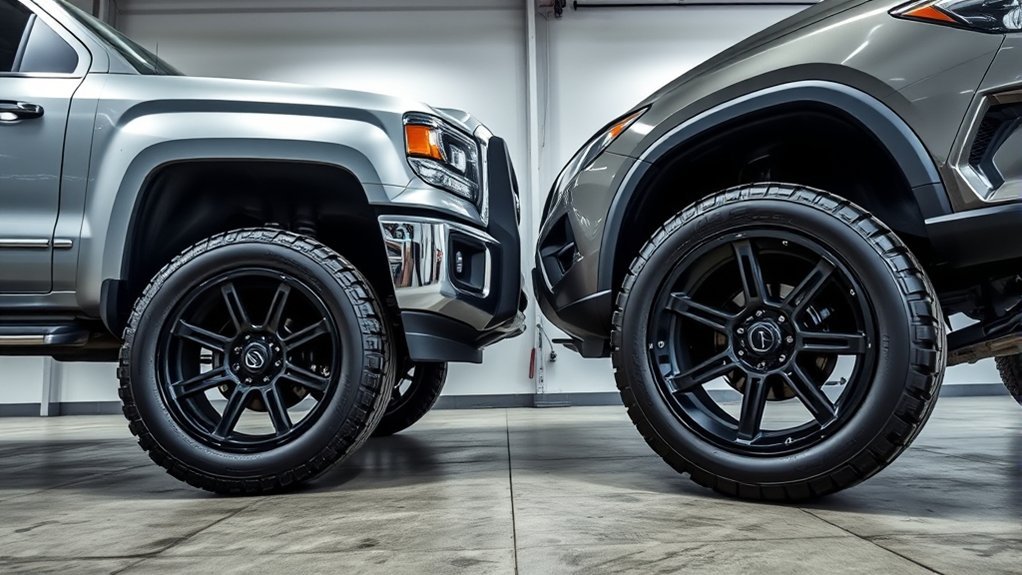
Truck and SUV offset depends heavily on the exact vehicle and setup. A factory SUV may use a positive offset to keep the wheel tucked under the body. A lifted truck may use a lower offset to clear wider tires or create a broader stance. Neither choice is automatically correct for every build.
When choosing truck or SUV wheels, pay close attention to:
- Factory offset and wheel width
- Tire diameter and section width
- Lift height or leveling kit design
- Upper control arm clearance
- Fender liner, bumper, and mud flap clearance
- Wheel load rating and tire load range
- Brake caliper and hub bore fitment
A lower offset can help with stance and some off-road tire clearance, but it can also create rubbing at the bumper or fender and add leverage to suspension and hub components. For heavy trucks, towing, or off-road use, treat load rating and clearance as safety items, not appearance details.
Common Wheel Offset Mistakes
Most wheel offset problems happen because one spec is checked in isolation. Offset matters, but it works together with wheel width, tire size, backspacing, brake design, center bore, bolt pattern, and suspension geometry.
Wrong Positive Offset
Too much positive offset can move the wheel too far inward. That can reduce clearance near the strut, inner liner, control arms, and brake hardware. It can also make the stance look overly tucked.
Common signs of too much positive offset include:
- Inner tire rubbing
- Wheel or tire contact with suspension parts
- Brake caliper spoke clearance problems
- A narrower-looking track width
- Steering or vibration issues after installation
Ignoring Backspacing
Ignoring backspacing is one of the easiest ways to buy wheels that do not fit. Backspacing tells you how far the wheel reaches inward from the mounting surface. That is critical for suspension, brake, and inner-liner clearance.
If you install a wider wheel with the same offset, the wheel grows both inward and outward. That means the inner lip can move closer to suspension parts even when the offset number looks familiar. Always compare offset and backspacing together when changing wheel width.
Forgetting About Effective Offset With Spacers
Wheel spacers reduce effective offset because they move the wheel outward from the hub. For example, a 10 mm spacer on a +40 mm wheel creates an effective offset of about +30 mm.
Spacers can sometimes solve clearance problems, but they also add another safety-critical part between the hub and wheel. Use hub-centric, properly sized parts, follow torque specs, and check local rules, warranty limits, and professional guidance before using spacers.
How to Choose the Right Offset
Choosing the right offset starts with matching your vehicle’s factory setup as closely as possible, then adjusting only when the full wheel and tire package requires it. The factory offset is a strong baseline because the vehicle was designed around that wheel position.
Use this checklist before buying:
- Find the factory specs. Confirm wheel diameter, width, offset, bolt pattern, center bore, and load rating.
- Choose the tire size. Tire diameter and width affect rubbing as much as wheel offset does.
- Compare inner clearance. Check whether the new wheel moves closer to the suspension or brakes.
- Compare outer poke. Check whether the tire will clear the fender, bumper, and liner.
- Verify brake clearance. Offset does not guarantee spoke or barrel clearance over the caliper.
- Test fit when possible. A real test fit is better than guessing from numbers alone.
- Recheck after driving. Look for rub marks, unusual noises, vibration, or steering changes.
As a conservative rule of thumb, staying close to the factory offset often reduces risk. Still, the final answer depends on the complete setup. If you are changing wheel width, tire size, suspension height, or brakes, treat the fitment as a new calculation.
Frequently Asked Questions
What does +35 offset mean?
+35 offset means the wheel’s hub mounting surface sits 35 millimeters toward the outside face of the wheel from the centerline. On the same wheel width, a +35 wheel will sit more inward than a +15 wheel and more outward than a +45 wheel.
How do I know my tire offset?
Offset is a wheel measurement, not a tire measurement. Check the back of the wheel for an ET marking, such as ET35 or ET45. If there is no marking, measure backspacing, find the wheel centerline, subtract centerline from backspacing, and convert the result to millimeters.
What does +15 offset mean?
+15 offset means the mounting surface is 15 millimeters toward the wheel face from the centerline. Compared with a +35 wheel of the same width, a +15 wheel sits 20 millimeters farther outward. That can improve stance, but it can also increase fender rubbing risk.
What does +40 offset mean?
+40 offset means the mounting surface is 40 millimeters toward the wheel face from the centerline. On many modern vehicles, that creates a tucked-in fit. You still need to confirm wheel width, tire size, brake clearance, and suspension clearance before buying.
Is lower offset the same as more poke?
Usually, yes. If wheel width stays the same, a lower offset moves the wheel outward and creates more poke. If wheel width also changes, compare both inner and outer position because the wider wheel can add clearance problems on both sides.
Does wheel offset affect speedometer accuracy?
Wheel offset alone does not change speedometer accuracy because it does not change tire rolling diameter. Speedometer changes usually come from changing tire diameter, not from moving the wheel inward or outward.
Can I use wheel spacers to change offset?
Yes, spacers reduce effective offset by pushing the wheel outward. A 10 mm spacer on a +45 mm wheel makes the effective offset about +35 mm. Use spacers carefully because fit, hub centering, stud engagement, torque, and component load all matter.
Conclusion
Wheel offset tells you where the wheel sits in the wheel well, and that small millimeter number affects far more than stance. The right offset helps maintain safe clearance around the fender, brakes, suspension, and bodywork. The wrong offset can cause rubbing, steering changes, and extra wear.
Start with your factory wheel specs, compare offset and backspacing together, account for wheel width and tire size, and test fit before driving. When the setup is tight or the vehicle is used for towing, off-road driving, or heavy loads, get a tire professional to verify the fitment.
Sources
- Tire Rack: What Is Wheel Offset? — definition of wheel offset, positive offset, negative offset, zero offset, and backspacing.
- Discount Tire: Wheel Offset & Backspacing — offset/backspacing relationship, rubbing risk, and measurement basics.
- Summit Racing: Wheel Offset Help Center — positive, negative, and zero offset terminology.
- JEGS: How To Measure a Wheel — practical wheel measurement and backspacing guidance.
- SAE paper via JSTOR: Effect of Kingpin Inclination Angle and Wheel Offset — engineering context for wheel offset and vehicle handling characteristics.

Related Articles

What Is a Fat Tire? Complete Guide & Best Options
I’ll show you what makes fat tires different, which setups work best, and why the right choice could change your ride.
Read More
What Does W Mean on a Tire? Load, Speed & Rating Guide
Huh, what does W on a tire really mean, and why could choosing the wrong rating affect your safety and performance?
Read More
What Does Tire Flipping Work? Muscles, Benefits & Workout Guide
Strong tire flips hammer your entire body, but which muscles and benefits matter most?
Read More