
How to Let Air Out of a Tire: Step-by-Step Deflation Guide
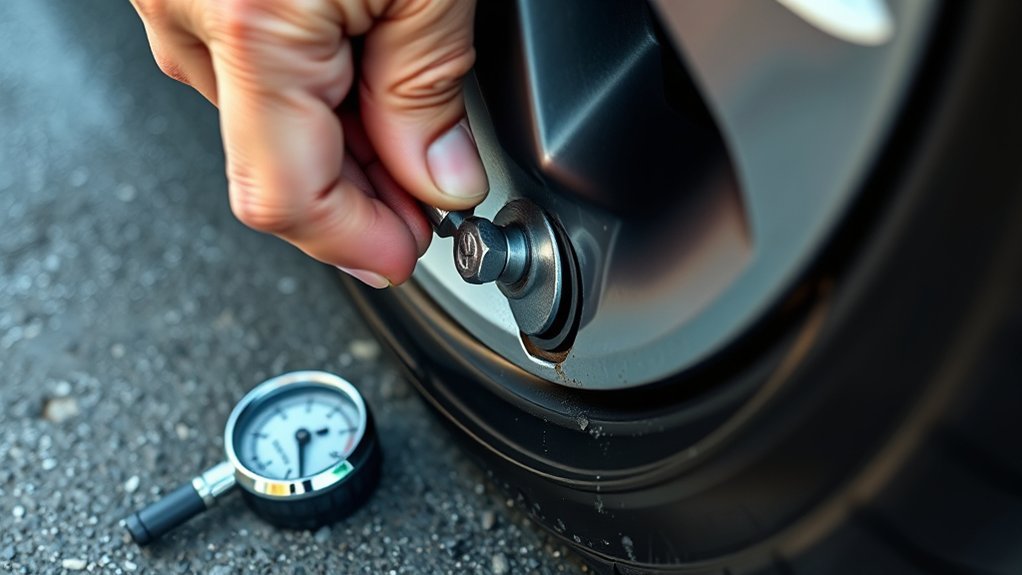
Letting air out of a tire is simple, but the safe part is knowing how much to release and when to stop. Always start with the vehicle’s recommended cold tire pressure, then release air in small bursts at the valve stem while checking with a tire pressure gauge. Do not guess by feel, do not rely on the sidewall number as your target PSI, and do not drive on pavement with tires aired down below the proper road pressure.
Quick Answer
To let air out of a tire, park on level ground, remove the valve cap, and press the small valve pin with a tire gauge, valve tool, or tire deflator. Release air in short bursts, check PSI every few seconds, and stop at the cold pressure listed on your driver-door placard or owner’s manual.
Key Takeaways
- Use the vehicle’s recommended cold PSI from the driver-door placard or owner’s manual, not the maximum PSI on the tire sidewall.
- Release air slowly by pressing the valve pin at the valve stem, then check pressure with a gauge every 5 to 10 seconds.
- Correcting overinflation is different from off-road airing down; tires aired down for trails must be reinflated before returning to paved roads.
- Avoid removing the valve core unless you intentionally need fast or full deflation and know how to reinstall it safely.
- If a tire keeps losing pressure, has a damaged valve stem, or shows a bulge, crack, puncture, or sidewall damage, have it inspected before driving.
At a Glance
| Time Required | 2 to 5 minutes per tire |
| Difficulty | Easy, as long as you use a pressure gauge and release air slowly |
| Tools Needed | Tire pressure gauge, valve cap, optional tire deflator, optional valve core tool, and air compressor for reinflation |
| Cost | Usually free if you already own a gauge; basic gauges and deflators are inexpensive |
How to Let Air Out of a Tire
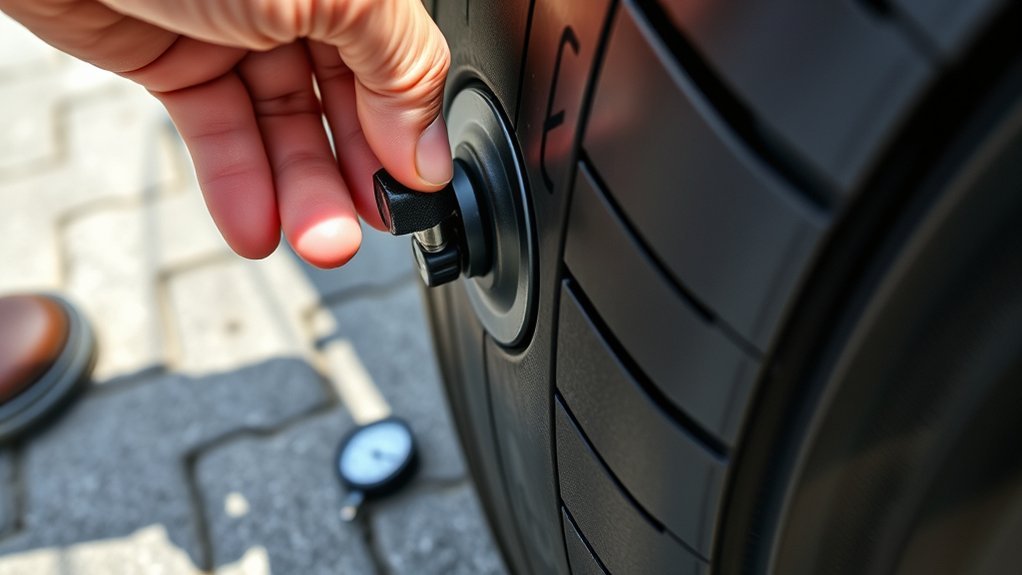
To let air out of a tire safely, work slowly and measure often. The goal is not just to hear air escape; the goal is to reach the correct PSI without dropping too low.
[Products Worth Considering]
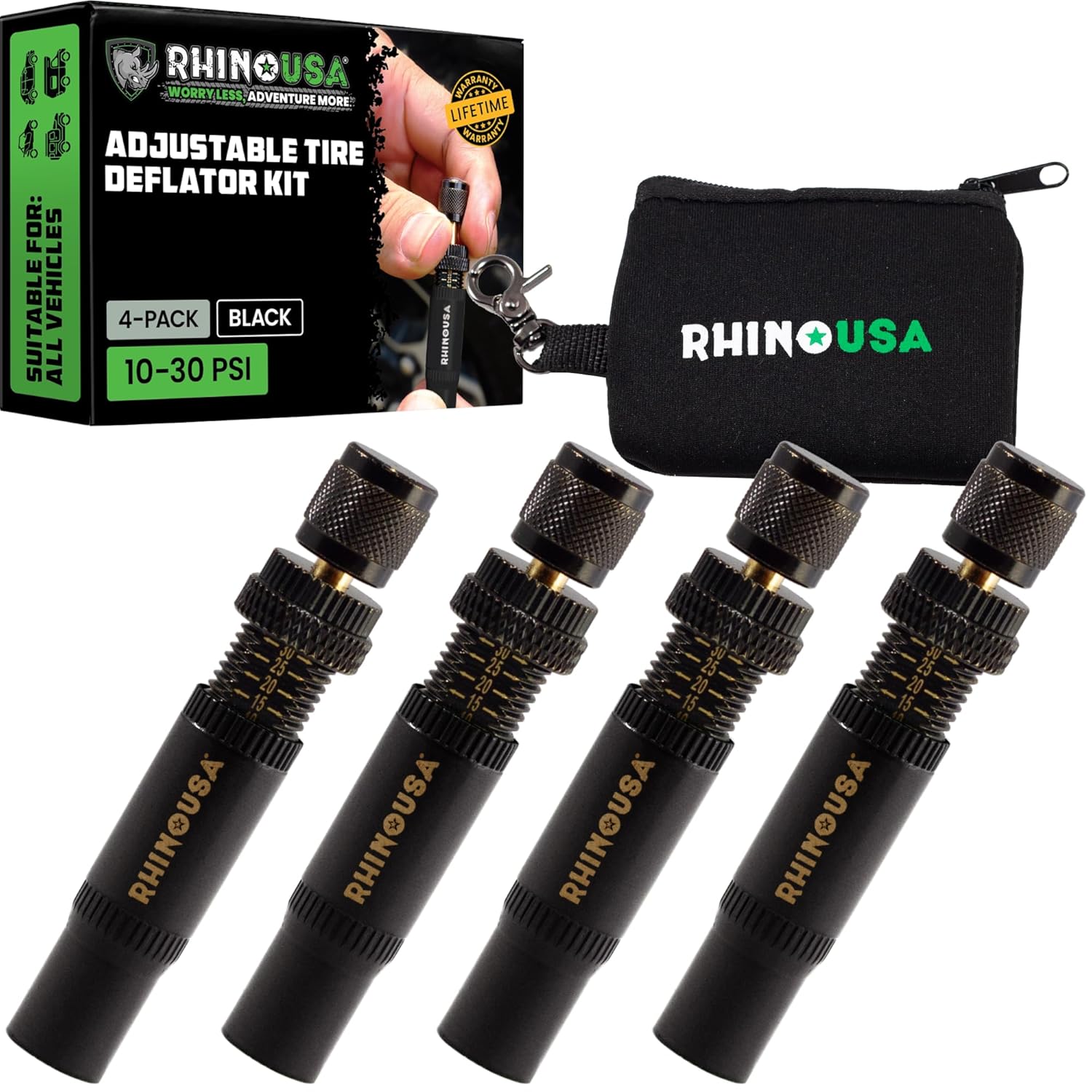
Use the Rhino USA adjustable tire deflators to air down all four tires at once by screwing one deflator onto each valve stem, letting you step away while the tires reach your preset pressure. Each deflator independently adjusts across a 10–30 PSI range with laser-etched indicators for quick setup and verification, making it ideal for beach, sand, and rocky off-road trails.

This multi-function tire valve stem removal tool set makes it fast to remove, install, bleed, and clean valve cores for easier tire maintenance. It includes valve core removers, a 4-way spool tool, replacement valve caps, and spare cores to handle replacements and repairs with confidence. Universal compatibility suits cars, trucks, motorcycles, bicycles, and more for roadside convenience.

This 4-in-1 tire valve core removal tool helps you deflate, unblock, and remove or install valve cores quickly for easier tire repair. The multifunction design also supports re-taping damaged threads and reaming inside the valve stem for smoother service. Included as a 2-pack, it’s compact for convenient carry and works for cars, bicycles, and motorcycles.
1. Park on level ground and let the tires cool
Park on a flat, safe surface away from traffic. For the most accurate reading, check tire pressure when the tires are cold, meaning the vehicle has been parked for several hours and the tires have not built up heat from driving. If you must adjust a warm tire, treat the reading as temporary and recheck it again when the tire is cold.
2. Find your target PSI first
Open the driver’s door and look for the Tire and Loading Information label on the door edge or door jamb. You can also check the owner’s manual. That vehicle-specific number is your target cold tire pressure. The PSI printed on the tire sidewall is usually the tire’s maximum cold inflation pressure, not the normal pressure target for your vehicle.
Warning: Do not deflate a tire below the recommended road pressure for normal driving. Underinflated tires can handle poorly, wear unevenly, run hot, and increase the risk of tire failure.
3. Remove the valve cap
Locate the valve stem on the wheel and unscrew the small cap. Put the cap in your pocket or somewhere clean so it does not roll away. The cap helps keep dirt and moisture out of the valve area, so reinstall it when you finish.
4. Press the valve pin in short bursts
Use the tip of a tire pressure gauge, a tire deflator, a valve tool, or a small flat object to press the pin in the center of the valve stem. You should hear a short hiss as air escapes. Release air for only a few seconds at a time.
5. Check the pressure every 5 to 10 seconds
Press your tire pressure gauge firmly onto the valve stem and read the PSI. If the tire is still above your target pressure, release a little more air and check again. Keep repeating this small-burst method until the tire reaches the correct PSI.
6. Reinstall the valve cap
Once the tire is at the right pressure, screw the valve cap back on by hand. Check the tire once more if you heard air leaking after removing the gauge or if the valve stem looks damaged.
What You Need
You’ll need a reliable tire pressure gauge to check PSI before, during, and after deflating. A pencil gauge, dial gauge, or digital gauge can work as long as it reads accurately in the range your vehicle needs. If you want a more controlled release, a tire deflator tool can make the job easier at the valve stem. A valve core removal tool is useful for fast or full deflation, but it should be used carefully because air can escape very quickly once the core is loosened.
For manual release, a flathead screwdriver or key can depress the valve pin in a pinch, but a proper gauge or deflator gives you more control. Keep gloves and eye protection nearby if you are using a valve core tool or working around dirt, gravel, or damaged valve stems. If you need to refill later, an air compressor or gas-station air pump makes restoration simple. Additionally, always check tire pressure accuracy so your readings are reliable during the deflation process.
Pro Tip: Check all four tires, not just the one that looks high. Tire pressure changes with temperature, time, and load, so matching the vehicle’s recommended pressure across the correct axle positions gives safer handling.
How Much Air to Release
Release only enough air to reach your target PSI. For everyday driving, that target is the vehicle manufacturer’s recommended cold pressure on the driver-door placard or in the owner’s manual. Many passenger vehicles fall somewhere around the low-to-mid 30 PSI range, but that is not a universal rule. Some vehicles require different front and rear pressures, and trucks, SUVs, EVs, loaded vehicles, and replacement tire sizes can require different values.
For overinflated tires
If your tire is only a few PSI high, press the valve pin for a short burst, then check with the gauge. Repeat until you reach the placard PSI. Do not “bleed by feel” because even a few PSI can affect handling, braking, ride comfort, and tread wear.
For snow and ice
For normal public-road winter driving, do not lower tire pressure below the vehicle’s recommended cold PSI just to get more grip. Proper winter tires, adequate tread depth, and correct inflation are safer than guessing at a lower pressure. If a tire or vehicle manufacturer gives a specific winter-load recommendation, follow that guidance instead.
For off-road terrain
When you need to air down your tires for off-road terrain, the right pressure depends on the tire type, wheel setup, vehicle weight, load, surface, and speed. Lower pressure can help a tire conform to sand, rocks, mud, or loose soil, but too little pressure can damage the tire, overheat the sidewall, or unseat the bead from the wheel. If you are new to off-road airing down, start conservatively, use a gauge, avoid sharp steering at very low PSI, and carry a compressor so you can air back up before pavement. A proper tire pressure approach matters most in challenging conditions.
Note: If you changed tire size, switched from passenger tires to LT tires, added heavy cargo, or tow regularly, the door placard may not tell the whole story. Ask a tire professional to calculate the correct pressure for your exact tire and load setup.
Common Mistakes to Avoid
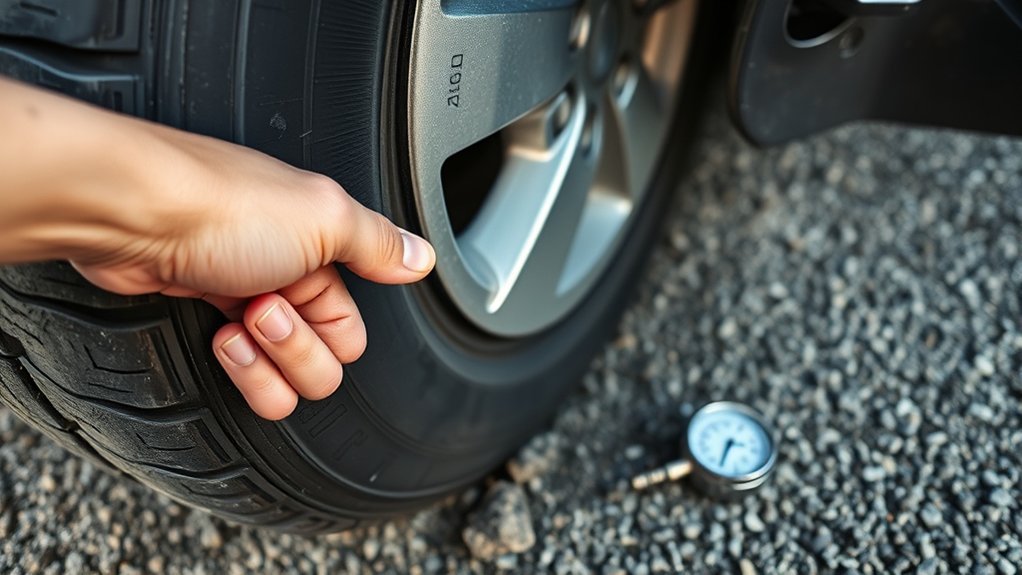
When you let air out of a tire, avoid pulling the valve core out too far unless you truly need rapid deflation. A loosened valve core can dump air quickly and make the pressure hard to control. Use a tire deflator or press the valve pin briefly, then check the tire pressure gauge after each short burst.
| Mistake | Risk | Safer move |
|---|---|---|
| Using the sidewall PSI as your target | Overinflation or wrong vehicle pressure | Use the door placard or owner’s manual |
| Overpulling the valve core | Rapid pressure loss | Pulse the valve pin or use a controlled deflator |
| Skipping pressure checks | Underinflation | Gauge every few seconds |
| Driving on aired-down tires at road speed | Heat buildup, poor handling, tire damage | Reinflate before returning to pavement |
When you deflate a tire on uneven surfaces, stabilize the vehicle first. Low pressure can invite flat tires, poor handling, and bead problems, so stay precise through each measured release. It is also useful to understand the treadwear and traction characteristics of your tires before adjusting pressure for unusual driving conditions.
How to Reinflate a Tire Safely
Once you’ve let a tire down to the desired pressure, reinflate it using a portable air compressor plugged into your vehicle’s 12V outlet, a battery-powered inflator, or a gas-station air pump. Check the manufacturer’s recommended cold PSI on the driver’s door jamb or in the owner’s manual. Using a reliable tire pressure gauge, add air in small bursts and verify pressure often.
If you add too much, let air out gradually until the tire pressure matches the proper cold setting. Keep the compressor hose secure, listen for leaks around the valve stem, and reinstall the valve cap when finished. If you aired down for a trail, reinflate before highway driving. Additionally, maintaining proper tire pressure is crucial for ensuring consistent traction year-round and overall tire performance.
[Products Worth Considering]

The JACO FlowPro Tire Inflator measures, inflates, and airs down tires up to 100 PSI with battery-free operation and ±2% accuracy after calibration. It features a glowing pressure dial for night visibility, a heavy-duty steel build with a hybrid hose, and a precision push-to-inflate thumb trigger. The patented Lightning Air Chuck locks on for a secure seal, and the kit includes quick-connect hardware for easy inline use with your air compressor.
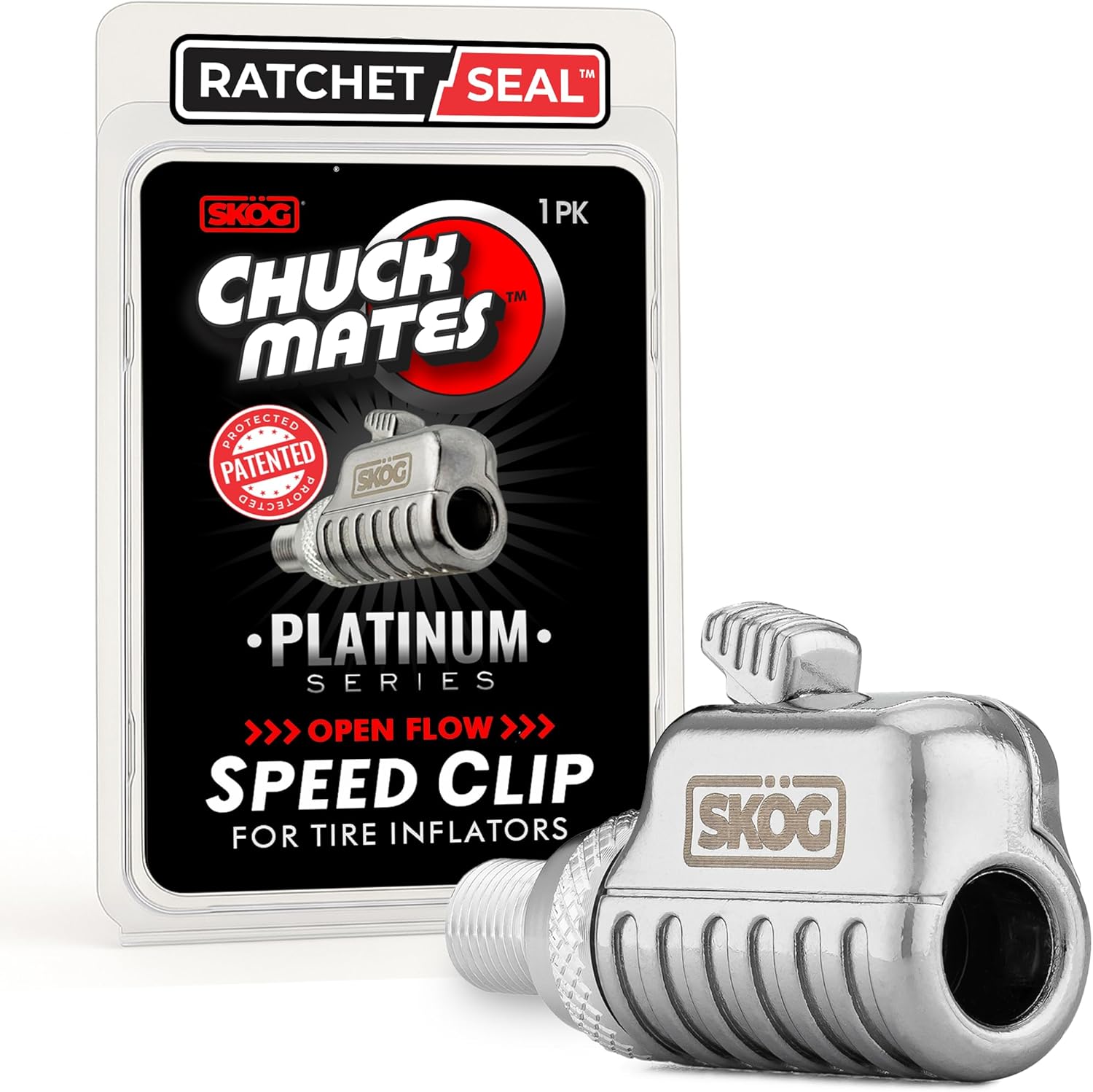
The SKÖG Chuck Mates Platinum uses a patented RatchetSeal push-to-connect system for instant, secure, air-tight attachment to standard tire valve stems. It features an easy push-button release for quick disconnects, plus 360° swivel open-flow airflow to keep operation smooth and kink-free. Universal Schrader compatibility makes it ideal for cars, bikes, motorcycles, RVs, trucks, and more.
When to Get Professional Help
Do not keep deflating, inflating, or driving on a tire that shows damage. Have the tire inspected if you see a sidewall bulge, exposed cords, cracking, a puncture near the sidewall, a bent wheel, or a valve stem that leaks after the cap is removed. Also get help if one tire keeps losing pressure after you refill it, because the issue may be a nail, bad valve core, damaged bead seal, or wheel problem.
Warning: This guide is for basic pressure adjustment on passenger vehicles and light trucks. It is not a tire repair, tire mounting, bead seating, or commercial-truck service procedure. Damaged tires should be handled by a qualified tire professional.
Frequently Asked Questions
How do you quickly let air out of a tire?
The fastest controlled way is to use a tire deflator tool at the valve stem. A valve core removal tool releases air even faster, but it can drop pressure very quickly, so use it only when you intend major deflation and have a gauge ready.
How do you let all the air out of a tire?
To let all the air out, remove the valve cap and use a valve core tool to carefully unscrew the valve core from the valve stem. Air will escape fast. Keep your face and hands clear of the air stream, save the valve core, and reinstall it before reinflating.
How do you let air out of overinflated tires?
Check the current PSI with a tire pressure gauge, compare it with the vehicle’s recommended cold PSI, then press the valve pin for a few seconds at a time. Recheck pressure after each burst and stop when the tire reaches the placard pressure.
Should I lower tire pressure for snow or ice?
For normal winter driving on public roads, keep tires at the recommended cold PSI unless your vehicle or tire manufacturer gives different guidance. Purpose-built winter tires and good tread depth matter more than intentionally underinflating a tire.
What if I let out too much air?
Add air with a compressor or air pump until the tire returns to the recommended PSI. If you cannot reinflate it where you are, avoid driving on the underinflated tire unless it is absolutely necessary to move the vehicle to a safe nearby spot.
Conclusion
Letting air out of a tire is easy when you slow down and measure. Find the correct cold PSI first, press the valve pin in short bursts, check with a gauge every few seconds, and reinstall the cap when finished. For normal driving, stop at the vehicle’s recommended pressure. For off-road use, air down only with a plan to air back up before pavement. That small bit of precision protects the tire, improves handling, and keeps the job safe.
Sources
- National Highway Traffic Safety Administration — TireWise tire safety — supports using the vehicle placard or owner’s manual and releasing air slowly at the valve stem.
- AAA Club Alliance — How to Check and Correct Tire Pressure — supports cold-pressure checks, gauge use, valve cap replacement, and bleeding off excess pressure.
- Tire Rack — Checking Tire Inflation Pressure — supports using the vehicle manufacturer’s PSI instead of the tire sidewall maximum.
- Tire Industry Association — Tire Inflation Pressure — supports monthly pressure checks and the safety importance of proper inflation.
- Bridgestone Americas — Proper Tire Inflation — supports pressure changes from temperature, monthly pressure loss, and avoiding sidewall PSI as the normal target.
- BFGoodrich — Off-Road Tire Selection and Tire Pressure — supports off-road airing-down cautions, bead-unseating risk, and reinflating before paved roads.

Related Articles
How to Use a Tire Spoon: Pro Technique for Mounting Tires
Careful technique makes tire mounting easier, but the real pro trick for using a tire spoon starts with one overlooked step.
Read More
How to Unmount a Tire: Tools, Steps & Pro Tips for Clean Removal
Start unmounting a tire with the right tools and pro tricks, then discover the cleanest way to avoid costly damage.
Read More
How to Tie a Tire Swing: Safe Knot & Hanging Guide
D**iscover the safest knot, rope, and branch choices for a tire swing, plus expert tips that could prevent a dangerous mistake.
Read More