
3 Spare Tire Types: Full-Size, Donut & Folding
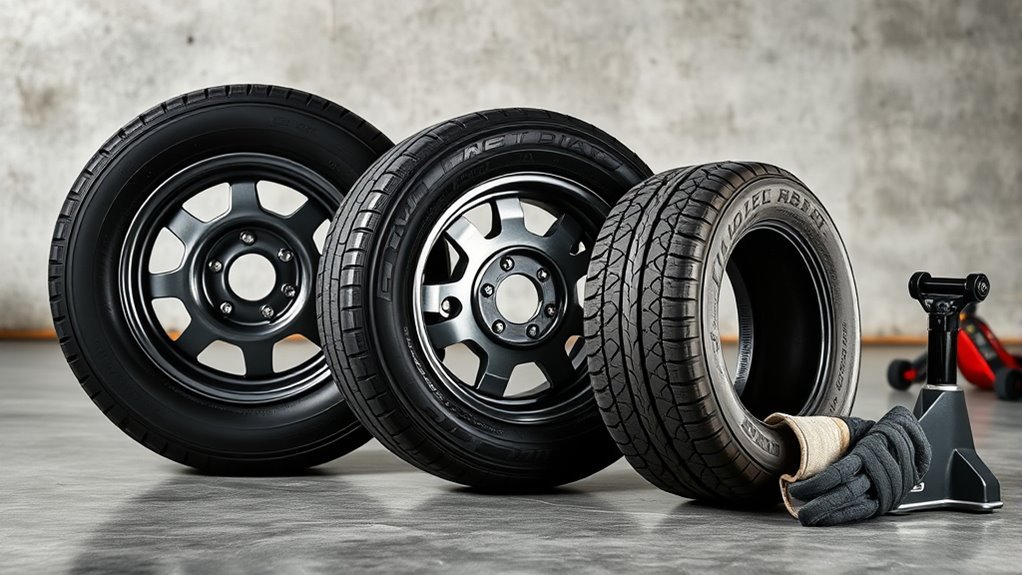
A flat tire can turn a simple trip into a safety problem fast if your spare does not match your vehicle or your route. The right spare keeps you moving, but the wrong one can limit speed, shorten range, and affect handling. You should pick a spare based on vehicle load, fitment, storage space, and intended use.
Quick Answer
Choose a full-size spare if you drive long distances, haul loads, or need normal handling after a tire failure. Choose a compact donut or folding spare if you need to save space and only plan to drive a short distance to a repair shop. Before you buy or install any spare, confirm the bolt pattern, hub fit, outside diameter, load rating, tire pressure, and speed limits.
Key Takeaways
- Use a full-size spare when you need normal speed, handling, and longer driving range.
- Use a donut spare only as a short-term tire to reach tire service safely.
- Check bolt pattern, hub size, outside diameter, and load rating before fitting any spare.
- Keep spare tires inflated, clean, dry, and inspected for cracks or age damage.
- Replace or repair the damaged tire as soon as you can after installing a temporary spare.
Which Spare Tire Should I Pick?
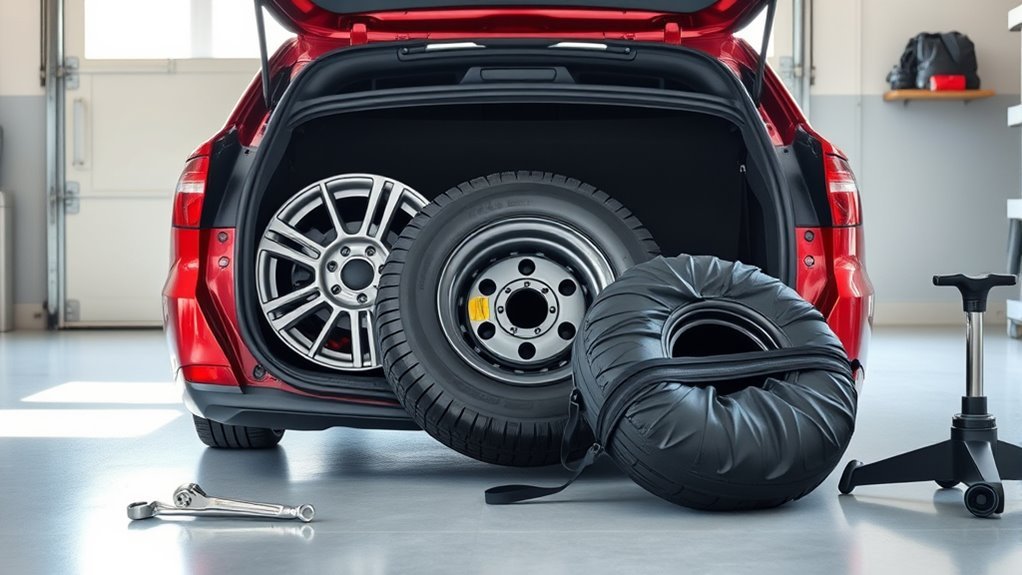
Your best spare tire depends on how you drive, what your vehicle can carry, and how much storage space you can spare. A full-size spare gives you the safest and most normal driving feel because it matches your tire size, load rating, and wheel setup. It works best for frequent travel, highway driving, heavy loads, and trips far from repair shops.
A compact donut or folding spare saves space and weight, but you should treat it as a short-term fix. Most temporary spares limit you to about 50 mph and a short trip to tire service. Check your owner’s manual or tire placard before buying, since a poor fit can affect braking, steering, and drivetrain parts.
[Products Worth Considering]

Keep RV, trailer, or truck dual-axle tires protected with waterproof, UV-resistant covers that help guard against sunlight, snow, rust, and dirt. The dual tire covers are easy to install with a rope/bungee fastener for a stable fit that won’t easily slip. Designed for 27–30 inch diameter wheels, they help maintain tire condition through harsh weather.

Mount your spare tire directly to the inside wall of an enclosed trailer or garage to save space and keep your tire secure. This wall-mount spare tire carrier is designed for universal trailer tire fit and includes a fixed plate and chute for convenient screw replacement. Nylon insert hex lock nuts help prevent the tire from falling off, and wing hardware enables faster load and unload during maintenance.

The Kurgo Seasonal Tire Tote helps protect your car interior, clothes, and garage from tire grime, brake dust, and residue during seasonal tire changes. Its universal design fits most passenger tires between 22" and 31" in diameter, making storage and transport simpler with less mess. Built for rugged, repeated use, it’s machine washable for easy care and comes with a lifetime warranty.
Full-Size Spare Tire: What It Is and When to Use It
A full-size spare matches your regular tires in outside diameter, load rating, and tread type. It gives you normal steering response, traction, and stability, so you can keep driving with fewer limits. You should still replace or repair the damaged tire soon, especially if your spare has different tread wear.
- Normal performance: Keeps handling, traction, and load capacity close to your regular tires.
- Longer service: Can join your tire rotation if it matches the other tires.
- Better for heavy vehicles: Supports trucks, sport utility vehicles, and vehicles that carry loads.
- Storage trade-off: Uses more cargo space and adds more weight.
Choose a full-size spare if you travel often, haul cargo, tow, or drive where service may sit far away. It costs more space and weight, but it gives you the most control after a flat.
Donut Spare Tire: What It Can and Can’t Do
A donut spare is a compact, light temporary tire. It helps you reach a repair shop, not continue your full trip. Before driving, confirm proper fitment, lug nut torque, tire pressure, and any limits printed on the tire sidewall.
Limited Speed and Distance
Most donut spares carry strict speed and distance limits, often about 50 mph and about 50 to 60 miles. These limits reduce heat buildup, tread wear, and the risk of tire failure. Follow the tire label and your owner’s manual because exact limits can vary by vehicle and spare design.
- Use the donut only to reach a safe repair location.
- Keep your speed at or below the stated limit.
- Limit your distance because long use can damage the spare and affect handling.
- Restore a full-size tire as soon as possible.
Warning: Driving fast or far on a donut spare can reduce control and raise the risk of tire failure.
Installation and Fitment
Confirm wheel compatibility and lug pattern before you lift the vehicle. A small spare must seat flat against the hub, or it can vibrate, loosen, or stress the studs. Use the jack and lug wrench correctly, tighten lug nuts in a star pattern, and torque them to your vehicle’s spec.
Watch for fitment problems such as the wrong offset, center bore, or bolt circle. These issues can stop safe mounting even when the spare looks close in size.
| Component | Consideration |
|---|---|
| Wheel hub | Match hub diameter |
| Lug pattern | Confirm bolt circle |
| Tire size | Verify outer diameter |
| Load rating | Respect vehicle limits |
These checks remove guesswork and help you keep control after a flat.
Storage and Maintenance
Keep your donut spare clean, dry, and ready before you need it. Store it in its proper compartment and secure it so it cannot move during hard stops. Check pressure often because compact spares usually need higher pressure than regular tires.
- Store the donut in a cool, dry compartment.
- Check air pressure monthly and before long trips.
- Inspect tread, sidewall, and valve stem for damage or dry rot.
- Replace the spare when it reaches the age limit in your owner’s manual or shows visible damage.
Folding/Space-Saving Spares: Who Benefits
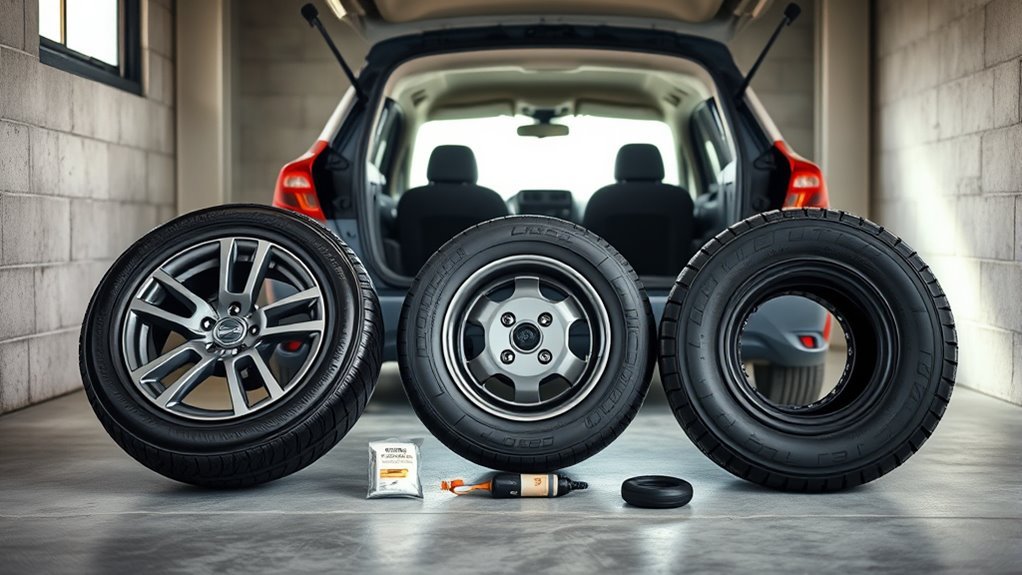
If you need to save trunk space and reduce weight, a folding or space-saving spare can help. These temporary spares fit tight storage areas and give you emergency mobility. They work best for drivers who stay near repair shops and want more cargo room.
| Benefit | Typical Vehicle | Limitations |
|---|---|---|
| Weight reduction | Sedans, hatchbacks | Lower traction |
| Space efficiency | Compact trunks | Short-term use only |
| Ease of install | DIY-friendly | Speed restricted, often about 50 mph |
| Cost | Lower than full-size | Not for extended driving |
| Emergency readiness | Modern vehicles | Replace promptly |
Use these spares for controlled, short trips to repair service. Replace them with a full-size tire as soon as you can to restore normal handling and braking.
Full-Size vs. Donut vs. Folding Spare: Quick Comparison
Each spare type solves a different problem. Full-size spares favor performance, donuts favor storage, and folding spares offer a compact emergency option. Use this table to match the spare to your main driving need.
| Spare Type | Best For | Main Limit |
|---|---|---|
| Full-size spare | Longer trips, loads, and normal handling | Uses more space and weight |
| Donut spare | Short trips to tire service | Strict speed and distance limits |
| Folding spare | Small trunks and emergency use | Lower traction and short-term use |
Will This Spare Fit? Size, Fitment, and Bolt Patterns
You can tell whether a spare fits by checking the exact tire, wheel, and mounting specs. Tire compatibility depends on wheel diameter, width, outside diameter, hub bore, and bolt pattern. Even a small mismatch can stop safe installation or cause poor handling.
- Check wheel diameter and width against the tire placard or owner’s manual.
- Match the lug count and bolt circle exactly.
- Compare the spare’s outside diameter with your regular tires.
- Confirm the load rating can support your vehicle.
- Ask a tire specialist when the manual does not give clear guidance.
A full-size spare helps preserve vehicle geometry and braking balance. A donut does not match normal driving feel, so you should use it only within its limits. Bolt pattern compatibility matters most because the spare must mount flat and secure.
[Products Worth Considering]

This side-mounted U-bolt spare tire bracket helps keep a trailer spare wheel secure and protected while you travel. It supports trailer frames up to 2–3 inches wide and fits up to 15-inch tires for 4- or 5-lug wheels. The galvanized steel threaded carrier is built for long-lasting corrosion resistance and installs easily with included lug nuts and U-bolt.

This universal spare tire mount fits 4, 5, and 6 lug trailer wheels with bolt patterns from 4" to 5.5" and helps keep your tire securely locked in place. Its reinforced triangular structure with a sturdy behind plate is designed to handle up to 150 lbs, making it suitable for boat, camper, and RV spare tire mounting. The angled raised design reduces wind resistance and installation is straightforward with different length bolts and no drilling required.
Performance: Speed, Distance, Handling, and Fuel Impact
Spare tires affect speed, distance, handling, and fuel use in different ways. Full-size spares allow normal driving when they match your regular tires and meet vehicle specs. Donut and folding spares reduce traction and can change steering feel, especially during braking, lane changes, and turns.
Speed and Limits
Full-size spares usually let you drive at normal speeds and distances if they match the other tires. You should still check pressure and tread before use. Temporary spares usually limit speed and range because they use a smaller, lighter design.
- Full-size: Supports normal driving when size, load rating, and condition match.
- Donut: Often limits speed to about 50 mph and distance to about 50 to 60 miles.
- Folding spare: Works for short emergency use and usually carries similar limits.
- Risk: Higher speed on a temporary spare can raise heat, wear, and failure risk.
Handling and Fuel
A full-size spare keeps steering response, stability, and rolling resistance close to normal. A donut or folding spare can reduce grip and cornering control because it has a smaller contact patch and different shape. It can also affect fuel use and drivetrain stress if you drive on it too long.
Use extra caution on wet roads, rough roads, and highway ramps. Avoid hard braking, sharp turns, and fast lane changes until you restore a regular tire.
Safety: Best Practices for Driving on Each Spare Type
Drive based on the spare type you install. A full-size spare gives you the most normal control, while a donut or folding spare needs slower speed and shorter distance. Treat every spare as a safety item that deserves a pressure check before use.
- Drive slower and avoid sudden moves when using a donut or folding spare.
- Use a full-size spare for longer travel or higher-speed routes when it matches your vehicle.
- Check inflation, cracks, bulges, tread, and valve condition before fitting any spare.
- Recheck lug nut torque after a short distance if your owner’s manual recommends it.
- Stop driving and seek help if you feel vibration, pulling, or poor braking.
Pro tip: Keep gloves, a flashlight, a tire pressure gauge, and your locking lug key with your spare tools.
Replace temporary spares promptly and choose a full-size unit when freedom of movement matters most. Your safest option is the one that fits correctly and keeps vehicle behavior predictable.
Maintenance and Storage: Pressure, Age, and Inspection Tips
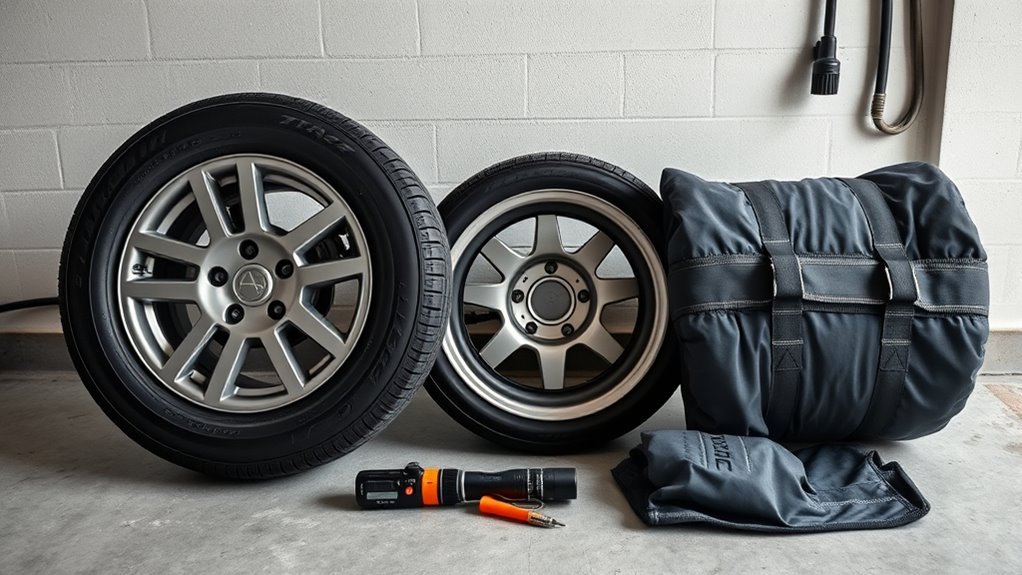
Check your spare tire before it becomes the only tire you can use. Monitor pressure regularly, since donut spares often need about 60 pounds per square inch (psi), while full-size spares follow your vehicle specs. Inspect the tire for cracks, dry rot, punctures, bulges, and valve leaks.
Check the tire’s manufacture date during each inspection. Many tire makers and vehicle manuals recommend replacing old spares even when they still show deep tread. Store the spare in a cool, dry place, away from direct sunlight, heavy weight, and ozone sources.
| Item | Action | Frequency |
|---|---|---|
| Pressure | Inflate to spec, donut often about 60 psi | Monthly |
| Visual inspection | Look for cracks, bulges, and damage | At least yearly |
| Age check | Verify manufacture date and manual guidance | At least yearly |
If you keep a matching full-size spare, include it in your tire rotation when your vehicle maker allows it. That helps balance wear and keeps the spare ready.
How to Decide: Match Spare Tire Type to Your Vehicle and Trips
Start with your owner’s manual because it sets the correct fitment and load requirements. Then match the spare type to your driving pattern. Heavy vehicles, towing, long routes, and remote travel all favor a full-size spare.
- Choose a full-size spare if you drive far, tow, haul, or travel in remote areas.
- Choose a donut spare if you drive mostly in town and need trunk space.
- Choose a folding spare if your vehicle has tight storage and you only need emergency range.
- Confirm hub size, bolt pattern, outside diameter, and load rating before purchase.
Think about the worst place you might get a flat, not just the place you park. That simple check helps you choose a spare that supports your real trips.
Frequently Asked Questions
Is a Donut Spare Better Than a Full-Size Spare?
No. A donut spare saves space, weight, and cost, but a full-size spare gives you better stability, range, and handling. Use a donut only when you need a short-term way to reach tire service.
What Are the Two Types of Spare Tires?
The two main spare tire types are full-size spares and compact temporary spares, often called donuts. Some vehicles also use folding or space-saving spares, which serve the same short-term emergency purpose as other temporary spares.
What Happens if You Go Over 50 Mph on a Donut Tire?
You increase heat, wear, and the chance of tire failure when you exceed the printed limit on a donut spare. You can also reduce braking stability and steering control. Slow down and head to a repair shop instead of continuing your trip.
Can You Put a Spare Tire on the Front of a Car?
Follow your owner’s manual first because placement rules vary by vehicle. Many drivers move a regular rear tire to the front and put the temporary spare on the rear when safe to do so. This can help protect steering and braking control on front-wheel-drive vehicles.
How Often Should You Check Your Spare Tire?
Check spare tire pressure monthly and before long trips. Inspect the tread, sidewall, valve stem, and manufacture date at least once a year. A spare can lose pressure or age out even when you never use it.
Conclusion
The best spare tire is the one that fits your vehicle and matches the way you drive. Pick a full-size spare for longer trips, heavy loads, or normal handling, and use a donut or folding spare only for short emergency travel. Check fitment, pressure, age, and storage before you rely on any spare. A few minutes of preparation can turn a roadside flat into a controlled, safe stop.

Related Articles
Best Mastercraft Tires 2026: Reliable Tire Picks for Trucks, SUVs, and Daily Drivers
You need tires that match how you drive, where you live, and what your vehicle carries. This guide highlights Mastercraft models that stand out…
Read More
Best Lionhart Tires 2026: Budget Performance Tires for Cars and SUVs
You want tires that deliver confident handling, predictable braking, and acceptable longevity without stretching your budget. Lionhart’s 2026 lineup focuses on delivering those trade-offs…
Read More
Best Winter Tires for Snow 2026: Reliable Tires for Ice, Slush, and Cold Roads
You drive differently in winter because the road does. Choosing the right winter tires reduces stopping distances, improves cornering on ice and slush, and…
Read More