
The History and Evolution of Inner Tubes
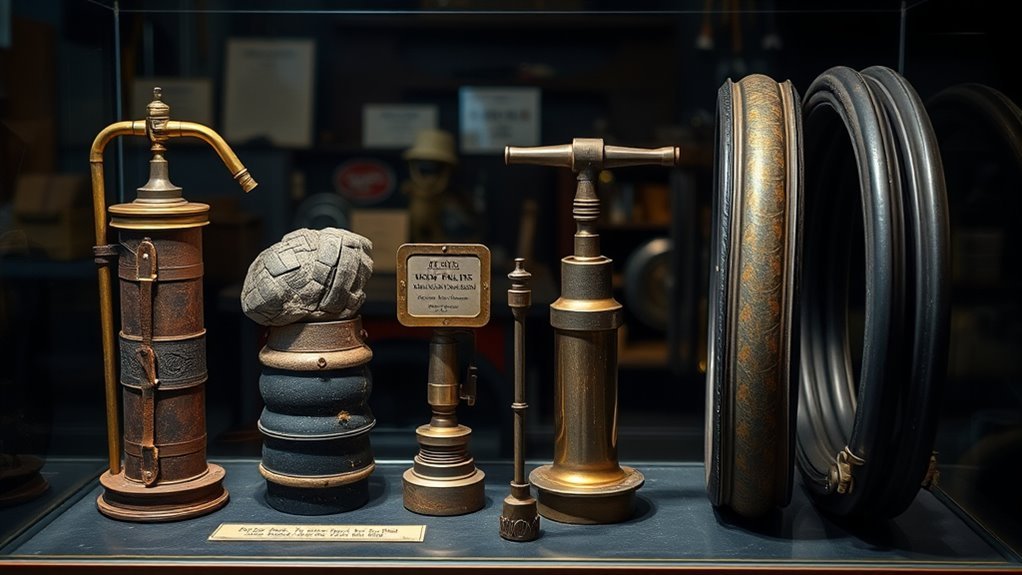
The history of inner tubes starts with one simple idea: put air inside the wheel so the road feels smoother and repairs become easier. Charles Goodyear’s vulcanization work made rubber practical in the 1830s and 1840s. Robert William Thomson patented an air-filled carriage tire in 1845, but John Boyd Dunlop made pneumatic bicycle tires practical in 1887 and received his patent in 1888. Michelin’s 1891 removable tire then made tube repair realistic for everyday riders. By the mid-1950s, tubeless tires had largely replaced inner tubes on new passenger cars, but tubes still matter for bicycles, motorcycles, wheelbarrows, trailers, and specialty equipment.
Last updated: July 7, 2026
Quick Answer
- 1839-1844: Charles Goodyear develops and patents vulcanization, making rubber more useful for durable tires.
- 1845: Robert William Thomson patents an early pneumatic tire with an air-filled inner chamber.
- 1887-1888: John Boyd Dunlop builds a practical pneumatic bicycle tire and receives a patent.
- 1891: Michelin introduces a removable pneumatic tire, making roadside tube repairs much easier.
- 1893: The Schrader valve patent helps standardize tire inflation.
- 1950s: Tubeless tires become common on new passenger cars, while inner tubes remain useful in many non-car applications.
Inner Tube History Timeline at a Glance
| Year | Milestone | Why it mattered |
|---|---|---|
| 1839-1844 | Vulcanized rubber | Turned rubber into a tougher, more predictable tire material. |
| 1845 | Thomson pneumatic tire patent | Introduced the air-filled tire concept before bicycles and cars were ready for it. |
| 1887-1888 | Dunlop bicycle pneumatic tire | Made the inner tube practical during the bicycle boom. |
| 1891 | Michelin removable tire | Made tube replacement and patching faster. |
| 1893 | Schrader valve patent | Made inflation simpler and more standardized. |
| 1950s | Tubeless car tires spread | Reduced tube-related heat, friction, and pinch-failure problems in passenger cars. |
Inner Tubes: What They Are and Why They Matter
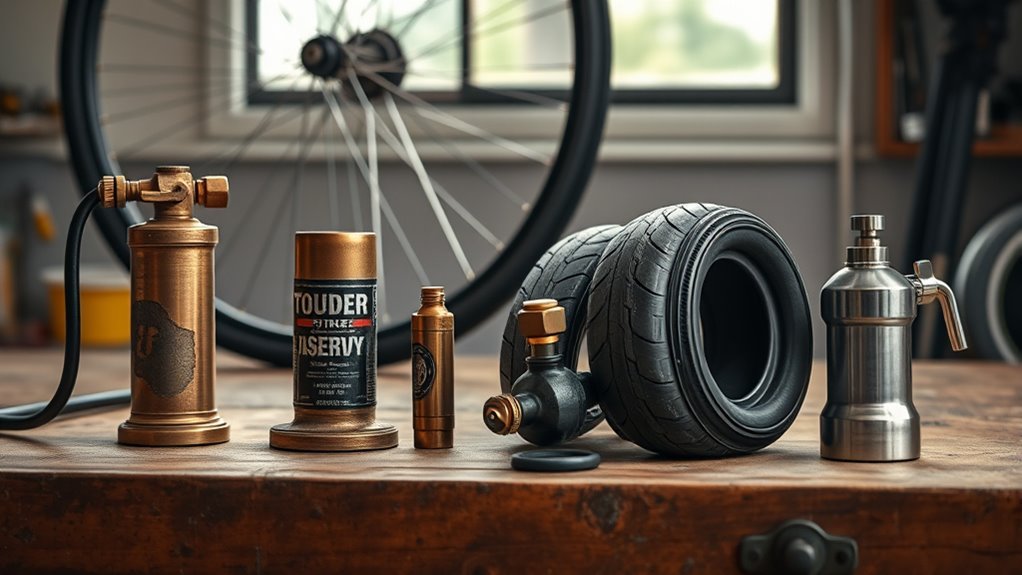
Think of an inner tube as a removable air bladder inside a pneumatic tire. The tube holds air pressure, supports the tire casing, cushions the ride, and gives the rider a repairable part when a puncture happens. The outer tire protects the tube from direct road contact, while the valve lets you inflate and check pressure.
Inner tubes mattered because early wheel systems were hard to repair. A punctured or glued-on tire could stop a ride for hours. Once riders could remove the tire, patch the tube, and inflate it again, pneumatic tires became more practical for cycling and early motoring.
Modern tubes usually use butyl rubber, latex, or thermoplastic polyurethane (TPU). Butyl tubes are common because they hold air well and cost less. Latex and TPU tubes are often used by performance cyclists who want lower weight, lower rolling resistance, or a smaller spare tube.
Early Materials and Vulcanization: From Iron Rims to Rubber
Early wheels relied on iron bands fitted to wooden rims. That created the harsh “bone-shaker” ride associated with early bicycles and carts. Solid rubber tires softened the ride, but they still lacked the cushioning and low rolling resistance that pressurized air could provide.
Charles Goodyear’s vulcanization work changed the tire story because it made rubber less sticky in heat and less brittle in cold. Heating rubber with sulfur created a tougher, more elastic material. That advance made later pneumatic tire designs much more practical.
Iron Bands To Solids
Before pneumatic tires, wheel comfort depended mostly on the wheel material itself. Iron protected wooden rims but transferred shock directly to the rider. Solid rubber reduced vibration, yet it still could not match an air-filled tire’s ability to deform over bumps and rebound.
| Material | Date | Effect |
|---|---|---|
| Iron bands | early 1800s | durable but harsh ride |
| Solid rubber | mid-1800s | better comfort than iron |
| Vulcanized rubber | 1839-1844 | more durable tire material |
| Practical pneumatic tire | 1887-1888 | major comfort and speed gain |
Vulcanization And Rubber
Vulcanization turned rubber into a usable engineering material. The process helped rubber keep its shape under load, recover after flexing, and survive repeated road contact. Without that material step, air-filled tires would have been too fragile for normal travel.
Goodyear’s work did not create the inner tube by itself. It created the material conditions that made pneumatic tire systems possible. Thomson, Dunlop, Michelin, Schrader, and later rubber chemists each solved a different piece of the same problem: how to hold air, seal it, repair it, and keep the ride reliable.
Pneumatic Breakthrough: Thomson & Dunlop’s First Inner Tubes
Robert William Thomson patented an early pneumatic tire in Britain in 1845. His design used an air-filled inner chamber inside an outer tire. It reduced vibration and improved traction, but it arrived before bicycles and automobiles created a large market for it.
John Boyd Dunlop made the idea practical for bicycles in 1887 and received a patent in 1888. He wanted a smoother ride for his son’s tricycle, so he fitted an inflated rubber tube to the wheel. The design arrived at the right time because safety bicycles were becoming popular and riders wanted more speed and comfort.
Dunlop’s version sparked rapid adoption during the cycling boom. By 1890, reinforced tire construction helped reduce punctures. Thomson supplied the earlier concept, while Dunlop gave riders a workable product. That distinction is important for accuracy: Thomson came first, but Dunlop made the pneumatic bicycle tire commercially influential.
Detachable Tires, Valves, and Inner Tube Materials: Practical Advances
Practical maintenance turned inner tubes from a clever idea into a daily-use technology. Michelin’s 1891 removable pneumatic tire made tire service faster than glued-on designs. Riders could remove the tire, patch or replace the tube, and continue without waiting for a glued casing to dry.
Valve design solved the next problem. August and George Schrader developed the Schrader valve in the early 1890s, and the U.S. patent followed in 1893. The spring-loaded valve made inflation easier and helped keep pressure stable. The same basic valve type still appears on many cars, bicycles, motorcycles, and utility tires.
Materials kept improving after that. Butyl rubber became the default for many tubes because it resists air loss better than natural rubber. Modern latex and TPU tubes serve riders who want different trade-offs in comfort, weight, rolling resistance, pack size, and repairability.
| Year | Innovation | Practical impact |
|---|---|---|
| 1891 | Removable pneumatic tire | Faster roadside tube repair |
| 1893 | Schrader valve patent | More reliable inflation |
| 1930s-1950s | Butyl rubber adoption | Better air retention |
| 1950s | Tubeless car tire adoption | Less tube friction and fewer pinch-related failures |
[Products Worth Considering]

This tire repair patch tool kit helps you quickly seal small punctures using upgraded mushroom plugs and a built-in roller system that presses for even penetration. The tungsten buffing wheel and HSS twist drill bits prepare the damaged surface for stronger adhesion, while the crown-angle friendly plugs are designed to keep water and debris out. Ideal for puncture repairs on many vehicle types, from cars and trucks to bikes and scooters.
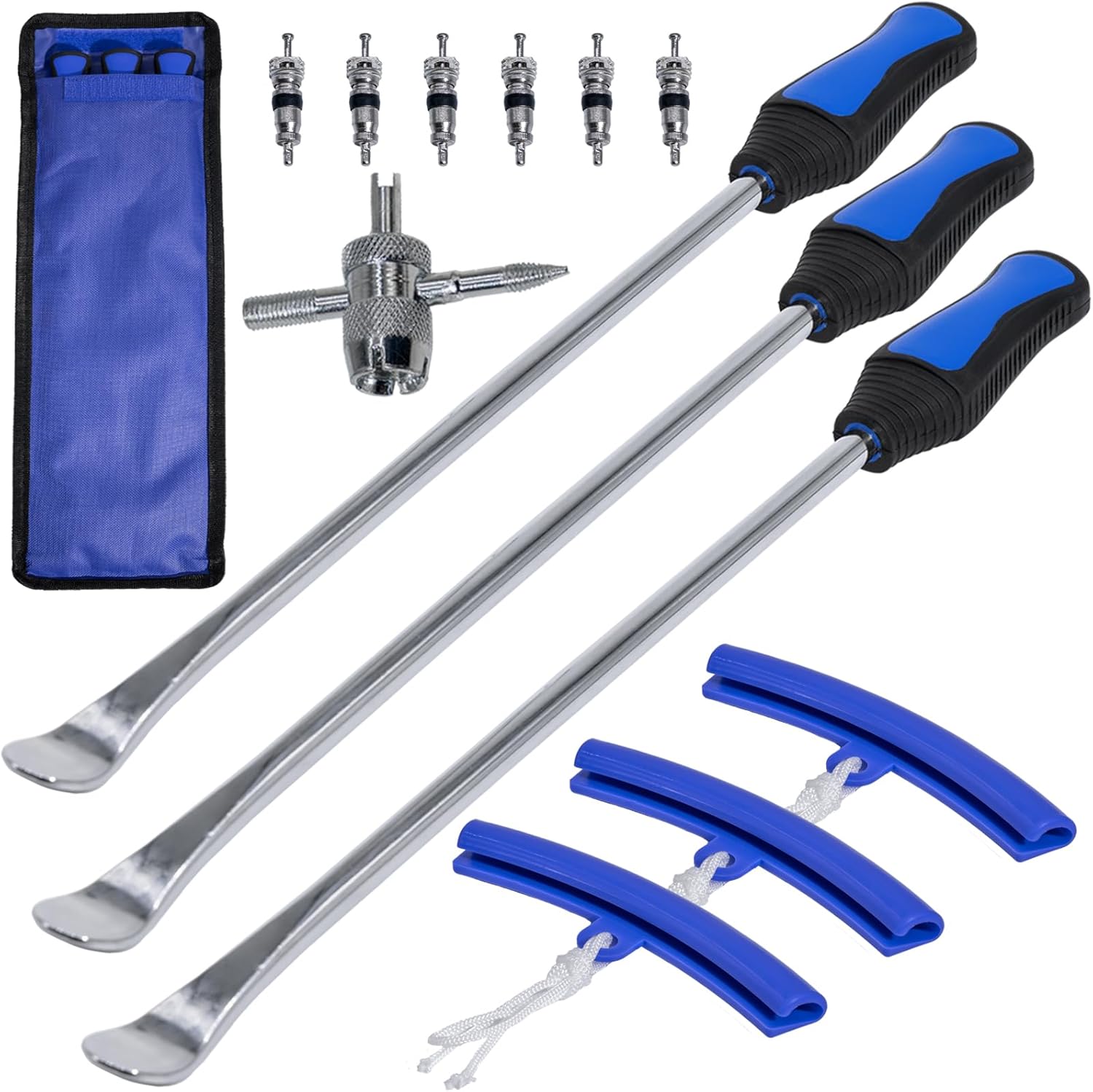
This tire spoon set helps you remove and install motorcycle, dirt bike, lawn tractor, and bicycle tires with extra leverage from a 14.5-inch spoon length. The kit includes tire removal tools, rim protectors, and a valve tool to simplify repairs and help protect rims during changing. Designed for quick, on-the-go service, it’s convenient for garage work, trails, and track-side fixes.

This compact capsule-style tire repair kit helps you quickly fix punctures and plug flats with minimal effort. The rugged stainless steel shell protects the contents for reliable roadside use, while the simple plug assembly makes repairs fast and tool-free. Suitable for motorcycles, cars, ATVs, UTVs, and even mountain bikes.
Inner Tubes vs. Tubeless: Why the Shift Happened
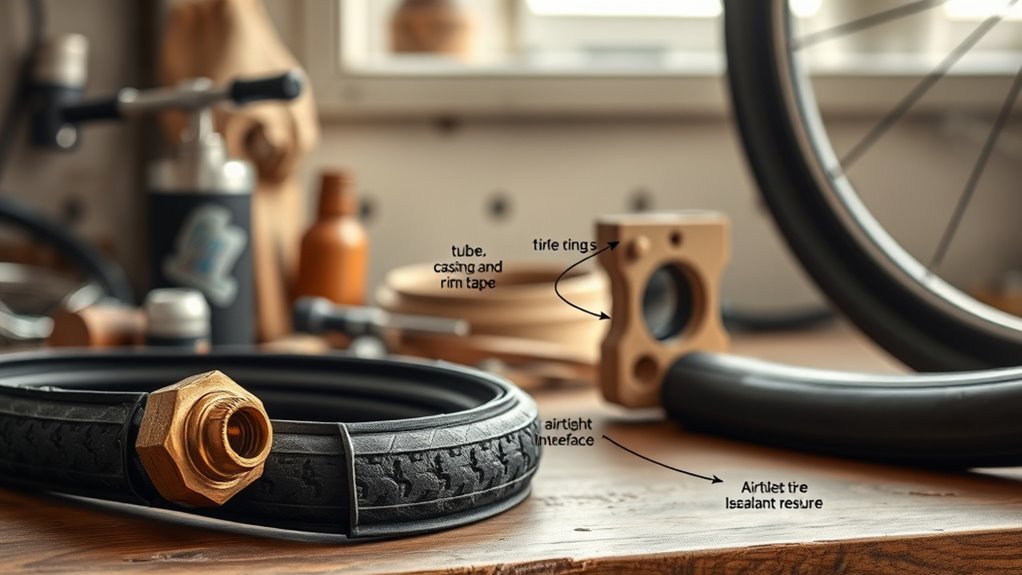
Inner tubes were the standard air chamber for many early pneumatic tires, but engineers eventually learned how to seal the tire directly to the rim. A tubeless tire holds air between the tire and wheel instead of inside a separate tube. That design reduces tube-to-tire friction, lowers the risk of pinch flats, and can slow air loss from some punctures when the tire remains seated correctly.
The automotive shift happened mainly in the 1950s. By then, better rubber compounds, improved wheel machining, and airtight inner liners made tubeless passenger-car tires more practical. BFGoodrich is widely credited with developing the first successful U.S. tubeless tire in the late 1940s, and by the mid-1950s tubeless tires had become standard equipment on many new cars.
Tubeless designs also fit modern pressure-monitoring systems more naturally because the valve mounts directly to the wheel. In the U.S., NHTSA says model year 2008 and newer passenger cars, light trucks, and vans must come with TPMS. Older tube-type systems still work, but they do not match the packaging and safety expectations of modern passenger vehicles.
[Products Worth Considering]
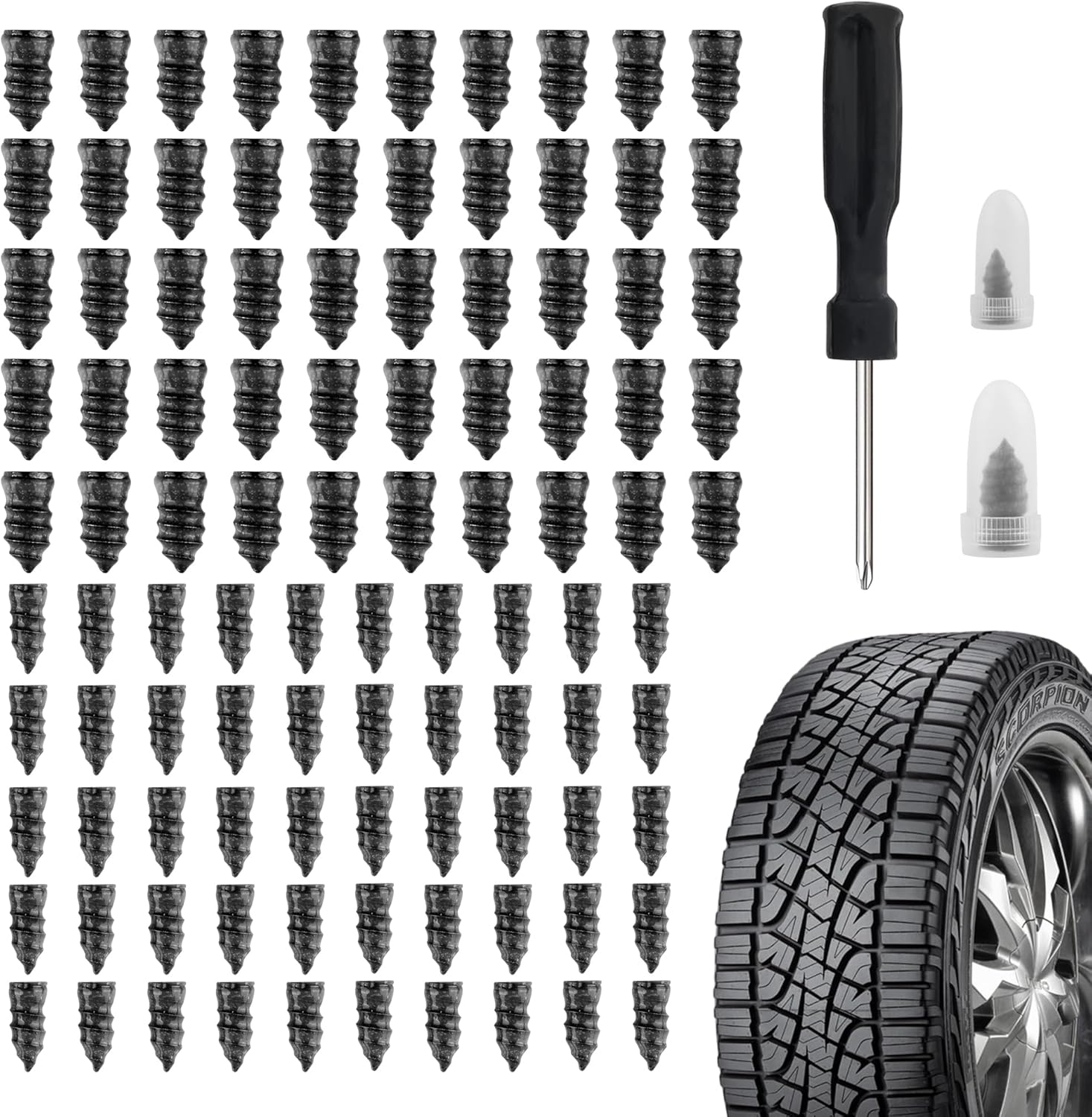
Salior’s tire plug kit provides a fast, reliable self-service fix for punctured or leaking tires without the need for flaring tools. Choose the correct plug size, then screw the nail into the puncture using the included screwdriver for an enhanced seal. The set is durable and convenient for on-the-go maintenance across multiple vehicle types.

Wykodra tire plugs provide quick vulcanizing repairs for tubeless tires, helping you seal punctures and get back on the road. The industrial-strength rubber creates a long-lasting, leak-resistant bond and is designed for emergency fixes without removing the tire. Choose between two standard plug sizes with color-matched options for small to larger damage across many vehicles and off-road uses.

These tire valve stems are well-constructed to maintain consistent pressure, easy to install and no leaks, keep air in the tire, save a trip to the tire store.
Where Inner Tubes Are Still Used Today
Inner tubes did not disappear. They remain common where low cost, simple repair, and wide part availability matter more than modern tubeless performance. Many bicycles, wheelbarrows, hand trucks, lawn equipment tires, trailers, and some motorcycles still use tubes.
For cyclists, the choice is no longer just “tube or tubeless.” Butyl tubes are durable and easy to patch. Latex tubes can feel faster and smoother but need more frequent inflation. TPU tubes are light and compact, yet they often require special patch kits. That variety keeps tube technology relevant even after passenger cars moved on.
[Products Worth Considering]

SECURE FIT: 20x4.0 heavy duty e-bike tube suitable for most fat tire bikes with 20'' tires between 3.5'' to 4.0'' wide, including e-bikes and mountain bikes (MTB), featuring a 32mm Schrader Valve.
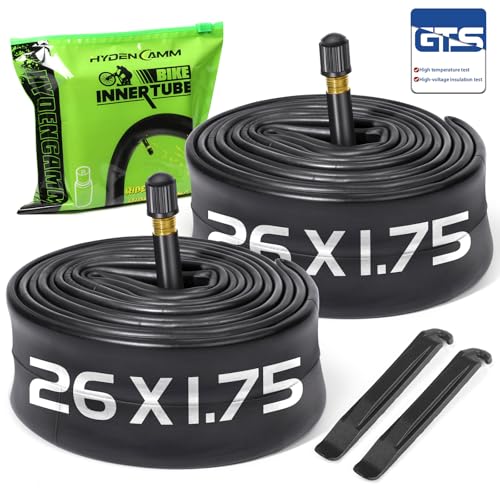
🚴【26"x1.75-2.125】For 26"x1.75/1.95/2.10/2.125 bike tubes, 2 pack with 32mm Schrader Valve, which is suitable for most road and mountain bikes. Note: Please check your tire size before purchasing
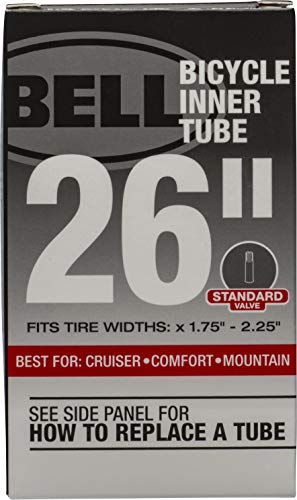
Fits 26" Tires - Sized for 26" x 1.75-2.25" tires; ideal for cruiser and mountain bikes
How Inner Tubes Changed Riding, Durability, and Repairs
John Dunlop’s practical pneumatic bicycle tire and Michelin’s removable tire made on-road repairs far easier. Riders could swap or patch a tube instead of replacing a whole tire. Later materials improved air retention and made tubes more dependable for longer rides, daily commuting, and small utility equipment.
Easier On‑Road Repairs
Punctures once meant long delays. A removable tube changed the repair process because the damaged air chamber could come out of the tire casing. A rider could patch the hole, install a spare tube, inflate the tire, and continue. That repairability helped pneumatic tires spread beyond racing and into everyday transport.
Improved Ride Durability
A tube gives the tire a controlled air chamber. That chamber helps the tire deform over rough surfaces and return to shape. Better rubber, improved valves, and stronger tire casings reduced air loss and lowered the chance that a minor puncture would end a trip immediately.
Reduced Flat Frequency
Inner tubes did not eliminate flats, but they made flats easier to manage. Detachable tires, patch kits, butyl rubber, tire liners, and sealant-filled tubes all reduced downtime. Modern tubeless systems go further for many cars, mountain bikes, and gravel bikes, but tube-based systems still win when repair simplicity matters most.
| Innovation | Effect | Source note |
|---|---|---|
| Removable tires | Quick roadside tube access | Michelin, 1891 |
| Butyl tubes | Improved air retention | Common modern tube material |
| Self-sealing tubes | Small-puncture protection | Modern sealant-based designs |
| Tubeless tires | Reduced pinch flats and tube friction | Mid-century passenger-car shift |
Source Notes
- Thomson’s early pneumatic tire patent and Dunlop’s later bicycle success are summarized in WIRED’s historical overview.
- Michelin’s 1891 removable pneumatic tire is widely documented in Michelin history summaries and cycling-history references.
- The Schrader valve’s 1891 invention and 1893 U.S. patent are documented in mechanical-engineering and patent references.
- For current tire safety and TPMS guidance, use NHTSA TireWise.
Frequently Asked Questions
Who Invented the Inner Tube?
Robert William Thomson patented an early pneumatic tire with an air-filled inner chamber in 1845. John Boyd Dunlop later made pneumatic bicycle tires practical in 1887 and received a patent in 1888. So Thomson deserves credit for the early concept, while Dunlop deserves credit for the practical bicycle breakthrough.
What Year Did They Stop Putting Inner Tubes in Car Tires?
Automakers did not stop using inner tubes on one exact date. New U.S. passenger cars shifted strongly toward tubeless tires in the mid-1950s, and many new cars used tubeless designs by 1955. Older vehicles, heavy-duty applications, motorcycles, and off-road equipment kept using tubes longer.
What Is the History of Inner Tubes?
Inner tube history runs from Thomson’s 1845 pneumatic tire patent to Dunlop’s 1887-1888 bicycle breakthrough, Michelin’s 1891 removable tire, the Schrader valve’s 1893 patent, and the later rise of butyl rubber and tubeless tires. Each step made pneumatic tires easier to inflate, seal, repair, or replace.
Why Did Cars Switch From Inner Tubes to Tubeless Tires?
Cars switched because tubeless tires removed the separate tube, reduced friction and heat between the tube and tire casing, lowered pinch-flat risk, and made puncture behavior more manageable in many situations. Better rubber compounds and more precise rims made the airtight tire-to-rim seal practical for passenger cars.
Are Inner Tubes Still Used Today?
Yes. Inner tubes are still used in many bicycles, motorcycles, wheelbarrows, hand trucks, trailers, lawn equipment tires, and specialty wheels. They remain popular because they are inexpensive, easy to replace, and simple to patch compared with some tubeless setups.
When Did TPMS Become Federally Mandated?
Tire Pressure Monitoring Systems became required on U.S. model year 2008 and newer passenger cars, light trucks, and vans. NHTSA also notes that some 2006 and 2007 vehicles came equipped with TPMS, so owners of those vehicles should check the owner’s manual or ask a dealer.
Conclusion
Inner tubes transformed wheel design by making air-filled tires practical, repairable, and comfortable. Thomson introduced the early pneumatic idea, Dunlop made it work for bicycles, Michelin made repairs easier, and Schrader improved inflation. Passenger cars eventually moved toward tubeless tires, but tubes still survive because they are simple, affordable, and easy to service.
The next time you repair a bike tube or check a small utility tire, you are using a technology shaped by more than 175 years of tire innovation.

Related Articles

How to Book a Costco Tire Center Appointment
Tired of guesswork? Learn how to book a Costco Tire Center appointment and avoid surprises before your next visit.
Read More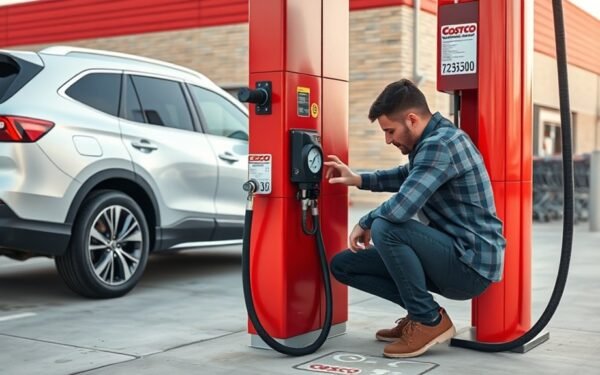
How to Use Costco Tire Inflation: Step-by-Step
Never overinflate at Costco—learn the exact steps, tools, and tips to fill your tires safely and leave with confidence.
Read More
How to Book a Tire Appointment at Walmart
Mysterious steps make booking a Walmart tire appointment simpler than you think, but one crucial detail could save you time and money.
Read More