
Trivd Frol Air Impact Wrench Review
Disclosure: As an Amazon Associate, we earn from qualifying purchases. If you click a link on this page and make a purchase, we may receive a small commission at no extra cost to you.
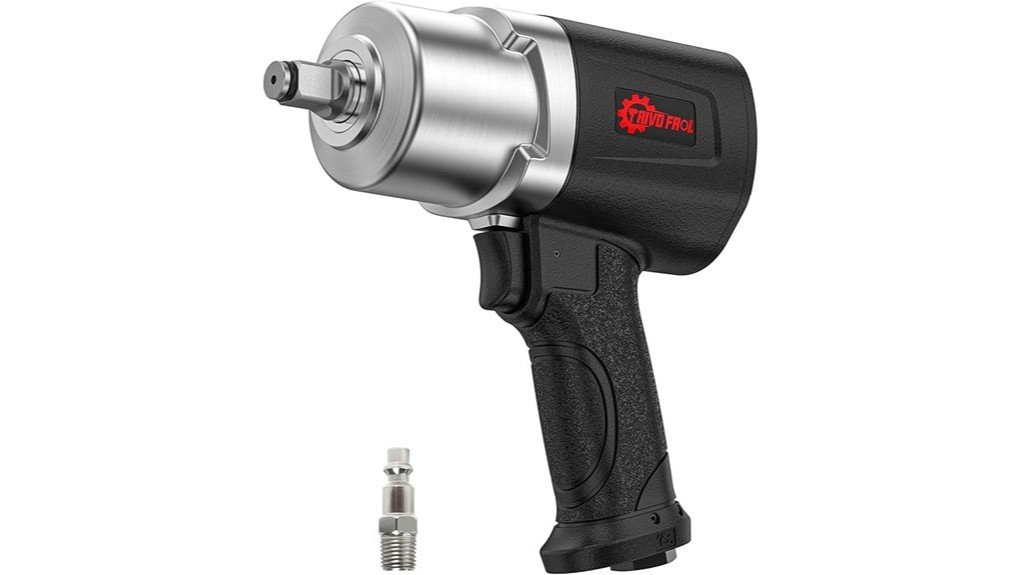
Stubborn lug nuts and suspension bolts can turn a routine repair into a long job, especially when your tool is heavy or your air supply cannot keep up. The Trivd Frol 1/2-inch air impact wrench is built around a seller-claimed output of up to 1,500 ft-lb, an 8,000 RPM free speed, and a body that weighs about 4.7 pounds. Those numbers make it appealing for tire service, automotive repair, and heavier fastener removal. The main tradeoffs are its wrench-only package, limited published documentation, and the need for a compressor that can maintain the required pressure and airflow.
Quick Verdict
Rating: 8/10, Recommended with caveats
Best For: Home garages, tire work, and mechanics who already own a suitable air compressor and impact sockets
Bottom Line: The Trivd Frol combines strong claimed torque, a twin-hammer mechanism, and manageable weight in a compact 1/2-inch tool. It is less convincing for buyers who want a complete kit, detailed air-consumption data, or a long published track record.
| Specification | Detail |
|---|---|
| Brand | Trivd Frol |
| Model | Impact wrench, ASIN B0DD3RWKYL |
| Product type | Pneumatic impact wrench |
| Drive size | 1/2 inch square drive |
| Impact mechanism | Twin hammer |
| Claimed torque | Up to 1,500 ft-lb, seller-stated |
| Free speed | Up to 8,000 RPM |
| Speed settings | Three forward settings and one reverse setting |
| Working pressure | 90 PSI |
| Air connection | 1/4-inch air hose adapter |
| Length | 7.87 inches |
| Weight | Approximately 4.7 pounds |
| Housing and drive | Compact composite housing with an alloy-steel drive |
| Exhaust | Rear exhaust |
| Package contents | One impact wrench; sockets and case are not listed as included |
What Is the Trivd Frol Air Impact Wrench?
The Trivd Frol is a pneumatic 1/2-inch impact wrench made for removing and installing automotive fasteners. It connects to a compressed-air supply through a 1/4-inch adapter and uses a twin-hammer mechanism to deliver repeated impacts through the square drive.
Its main selling point is the power-to-weight claim. The listing pairs up to 1,500 ft-lb of torque with a body that is about 7.87 inches long and 4.7 pounds. That combination can be useful around wheel wells, brake assemblies, and suspension parts where a longer or heavier tool becomes tiring.
[Products Worth Considering]

Upgrade your air tools with this 18-piece air compressor accessory kit featuring a 25ft recoil poly hose, 1/4" NPT quick connect fittings, and a 100 PSI tire inflator gauge....
Key Takeaways
- The listing specifies a 1/2-inch drive, twin-hammer mechanism, 8,000 RPM free speed, and up to 1,500 ft-lb of torque.
- At about 4.7 pounds and 7.87 inches long, it is sized for regular garage work and tighter automotive spaces.
- Three forward settings, one reverse setting, and a stop-on-release trigger give you basic control over speed and direction.
- The tool is rated for 90 PSI working pressure, but the listing does not publish a clear air-consumption figure.
- The package is listed as one wrench, so plan to supply your own compressor, hose, fittings, and impact-rated sockets.
Who Should Buy It?
Best For
- DIY mechanics who already have a capable compressor and 1/2-inch impact sockets
- Tire shops and garages that need a compact pneumatic wrench for repeated removal work
- Users handling wheel lugs, brake hardware, and heavier suspension fasteners
Skip If
- You need a cordless tool that works away from an air line
- You want sockets, a case, and accessories included in the box
- You need independently tested torque data or detailed published air-consumption specifications
Before You Buy: The 1,500 ft-lb figure is a seller-stated maximum, not an independently verified test result. The listing also names 90 PSI as the working pressure but does not provide a clear CFM requirement. Confirm the instructions supplied with the tool, use correctly rated hoses and fittings, and never raise pressure beyond the tool or air-system limits.
Design and Build Quality
The compact composite housing helps keep overall weight near 4.7 pounds, while the listing identifies alloy steel as the tool material and specifically calls out an alloy-steel 1/2-inch drive. That is a practical layout for a shop tool because the drive takes the fastener load while the outer housing keeps the grip area lighter.
The 7.87-inch length should make the wrench easier to position than many extended-body pneumatic tools. An ergonomic handle and rear exhaust also support daily use. The rear exhaust directs spent air away from the work surface, which can help keep dust and debris from blowing directly across the fastener area.
The main unknown is long-term durability. The listing does not provide detailed service intervals, a named warranty length, or extensive technical documentation. Buyers who use an impact wrench every day may prefer a model with a longer published service history and readily available parts information.
Twin-Hammer Performance and Torque
The twin-hammer mechanism is the core performance feature. It uses two hammers to strike the anvil in a balanced pattern, which is designed to deliver repeated torque pulses with less uneven loading than a simpler single-hammer layout. In practice, that design suits wheel service and suspension work where a fastener may need several impacts before it moves.
The seller claims up to 1,500 ft-lb and an 8,000 RPM free speed. Those figures suggest strong removal potential, but they should not be treated as guaranteed torque at every fastener. Actual output depends on air pressure under load, available airflow, hose and fitting restrictions, socket condition, fastener size, corrosion, and how long the tool is allowed to impact.
Use the torque claim as a category guide rather than a precise tightening value. An impact wrench is useful for removal and quick run-down, but it should not replace a calibrated torque wrench for final wheel-lug or safety-critical fastener tightening.
Controls, Air Supply, and Ease of Use
The wrench has three forward speed settings and one reverse setting. That gives you a lower setting for controlled run-down and higher settings when more impact energy is needed. Releasing the trigger stops the tool, which helps you pause quickly when a nut seats or a fastener begins to move.
The listing specifies 90 PSI working pressure and a 1/4-inch adapter. It does not state a dependable CFM requirement, so compressor tank size alone is not enough to judge compatibility. A large tank with weak delivery can still cause pressure drop, while a smaller unit with adequate airflow may handle short bursts.
Watch the regulator gauge while the wrench is operating, not only while the line is idle. A large pressure drop during use usually means the compressor, hose, couplers, or regulator is restricting the tool. Correcting the air supply is safer and more useful than simply turning the regulator above the stated working pressure.
Compatibility and Safety
Use only impact-rated 1/2-inch sockets and extensions that match the fastener. Standard chrome hand-tool sockets can crack or shatter under repeated impact loads. Inspect the anvil, socket, retaining ring, hose, and couplers before each session, and disconnect the air line before changing accessories or servicing the tool.
Wear eye protection and hearing protection. The listing does not publish a verified sound level, but high-output pneumatic impact wrenches can be loud and can throw rust, scale, or debris from the work area. Keep loose clothing, hair, and gloves away from rotating parts.
For vehicle work, follow the service manual for fastener replacement rules and final torque values. Use the impact wrench to loosen or run down fasteners, then finish critical tightening with a properly set torque wrench. This is especially important for wheel lugs, brake components, steering parts, and suspension hardware.
How It Performs in Real Use
For Tire Swaps
The compact body and 1/2-inch drive are a natural match for passenger-car and light-truck wheel service. The higher reverse setting should help with properly installed lug nuts, while the lower forward settings can speed up run-down. Always start lug nuts by hand to prevent cross-threading, and use a torque wrench for the final pass.
For Suspension and Brake Work
Corroded caliper-bracket bolts, control-arm fasteners, and other heavy hardware are the jobs that make the claimed torque attractive. Results will vary with corrosion and access. Use the correct impact socket, allow penetrant time to work when appropriate, and stop if the fastener or socket begins to deform.
For Tight Working Spaces
At 7.87 inches long, the Trivd Frol should fit into many wheel-well and underbody positions where a longer tool becomes awkward. The 4.7-pound weight also makes overhead use less tiring than a much heavier pneumatic wrench, although the attached air hose still affects balance and movement.
For Repeated Garage Use
The twin-hammer design, rear exhaust, and compact grip are useful for repeated jobs. However, long-term value depends on lubrication, clean and dry air, and access to service support. Follow the supplied care instructions rather than assuming a universal oiling schedule.
Setup and Usage Tips
- Check pressure under load: Set up the air system according to the supplied instructions and confirm that pressure stays near the stated 90 PSI while the tool runs.
- Reduce restrictions: Use properly rated hose, couplers, and fittings in good condition. Small or damaged components can limit airflow even when the compressor tank is full.
- Use impact-rated accessories: Match the socket size exactly and avoid stacking unnecessary extensions or adapters, which can reduce delivered impact energy.
- Start threads by hand: Thread nuts and bolts several turns before using the wrench so you do not cross-thread the fastener.
- Use controlled bursts: Short trigger bursts give you more control than holding the tool on a seated fastener.
- Finish with a torque wrench: Do not rely on a forward speed setting to establish a precise final torque.
- Follow care instructions: Keep the air supply clean and dry, and use only the lubricant type and schedule recommended for the tool.
Pro Tip: If the wrench sounds fast but struggles to move a fastener, check pressure drop, coupler size, hose condition, and socket fit before assuming the tool lacks torque.
Pros and Cons
Pros
- Seller-claimed output up to 1,500 ft-lb for demanding removal work
- Twin-hammer mechanism designed for balanced, repeated impacts
- Approximately 4.7-pound weight reduces hand and wrist strain
- Three forward settings and one reverse setting offer basic control
- Rear exhaust helps direct air away from the immediate work surface
Cons
- No impact sockets or carrying case are listed as included
- No clear published CFM requirement makes compressor matching less certain
- The torque claim and long-term durability are not independently verified
Is It Worth the Price?
The Trivd Frol is best judged as a focused, wrench-only pneumatic tool. You are paying for the claimed torque, twin-hammer mechanism, compact size, and low weight rather than a complete socket kit. It can offer strong value if you already own a compressor, air-line hardware, impact sockets, and a torque wrench.
Value is less clear for a first-time pneumatic-tool buyer because the supporting equipment can cost more than the wrench itself. It is also not the best fit if you place a high value on detailed technical documentation, independently published performance testing, or a named long-term warranty.
How It Compares to Alternatives
The Ingersoll Rand 2235TiMAX is the stronger comparison for professional users who want published sound, hose, air-consumption, and performance data from an established pneumatic-tool line. It is also listed at a similar weight, but it is generally positioned as a more premium shop tool.
The VEVOR 1/2-inch 1,400 ft-lb air impact wrench is worth comparing when package value matters because that model is sold with an 11-piece impact-socket set and carrying case. The Trivd Frol makes more sense when you already own accessories and mainly want a compact wrench with a higher seller-stated torque figure.
Frequently Asked Questions
What size air compressor does the Trivd Frol impact wrench need?
The listing specifies 90 PSI working pressure but does not give a clear CFM requirement. Choose a compressor and air system that can maintain the required pressure while the wrench is running, and follow the instructions supplied with the tool rather than relying on tank size alone.
Does it include impact sockets or a carrying case?
No sockets or case are listed in the package contents. The Amazon product information identifies the included component as one impact wrench, so you should budget for impact-rated 1/2-inch sockets and any storage you need.
Can it remove rusted truck lug nuts?
The seller positions it for tire shops, heavy suspension work, and tough automotive fasteners, so it may remove many rusted lug nuts when the air supply and socket fit are correct. Severe corrosion, damaged threads, over-tightening, and restricted airflow can still prevent removal.
Can you use it to tighten wheel lug nuts?
You can use a low forward setting to run lug nuts down after starting them by hand. Final tightening should be completed with a calibrated torque wrench set to the vehicle manufacturer’s specification.
How loud is the Trivd Frol impact wrench?
The listing does not publish a verified decibel rating. Treat it like other high-output pneumatic impact tools and wear suitable hearing protection, especially in an enclosed garage.
Is it suitable for left-handed users?
The listing does not describe a dedicated left-handed control layout. Its compact grip and trigger may be usable in either hand, but check the direction and speed selector placement if frequent left-handed operation is important to you.
Does the tool stop when you release the trigger?
Yes. The product listing states that the wrench stops running when the trigger is released, which gives you a quick way to pause between short impact bursts.
How should you maintain the wrench?
Disconnect the air line before service, keep the inlet and couplers clean, and use clean, dry compressed air. Follow the included instructions for lubrication type and frequency because the listing does not publish a complete maintenance schedule.
The Bottom Line
The Trivd Frol 1/2-inch air impact wrench is worth considering if you already have a suitable pneumatic setup and want strong claimed removal power in a compact, 4.7-pound tool. Skip it if you need a cordless wrench, a complete accessory kit, or detailed independent performance documentation. Its main strengths are the twin-hammer design and power-to-weight claim, while its biggest limitation is the lack of clear air-consumption and long-term support information.

Related Articles
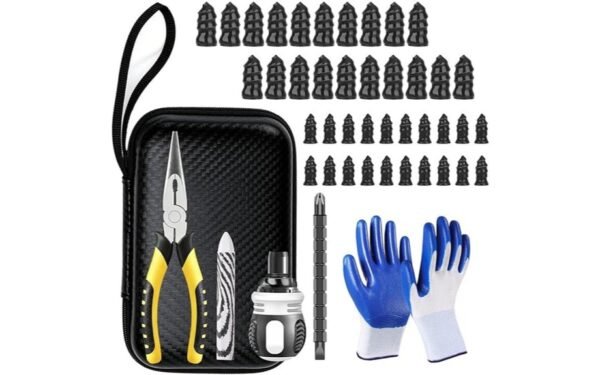
Tire Screw Plug Repair Kit Review
Compact tire screw plug repair kit review reveals fast roadside fixes, but which punctures are truly safe enough to trust?
Read More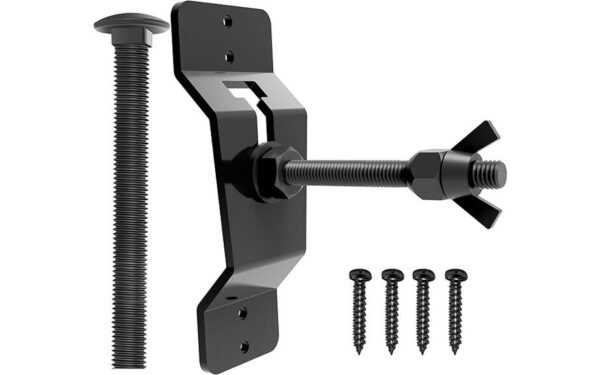
Wall Mount Spare Tire Carrier Mount Review
I review the wall mount spare tire carrier’s fit, strength, and stability—see what could make or break your trailer setup.
Read More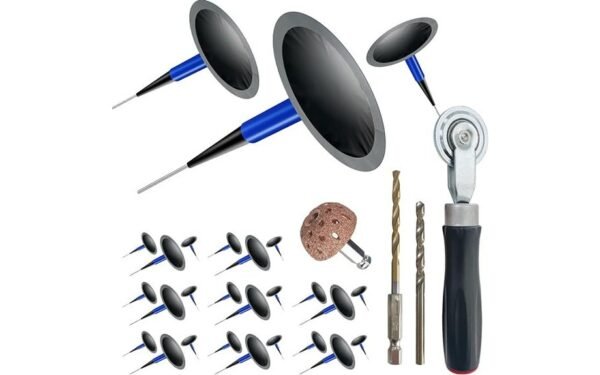
Socpuro Tire Repair Patch Tool Kit Review
Great for quick DIY puncture fixes, the Socpuro Tire Repair Patch Tool Kit has limits and surprises you’ll want to know before buying.
Read More