
NEIKO 00206A Breaker Bar Review
Disclosure: As an Amazon Associate, we earn from qualifying purchases. If you click a link on this page and make a purchase, we may receive a small commission at no extra cost to you.
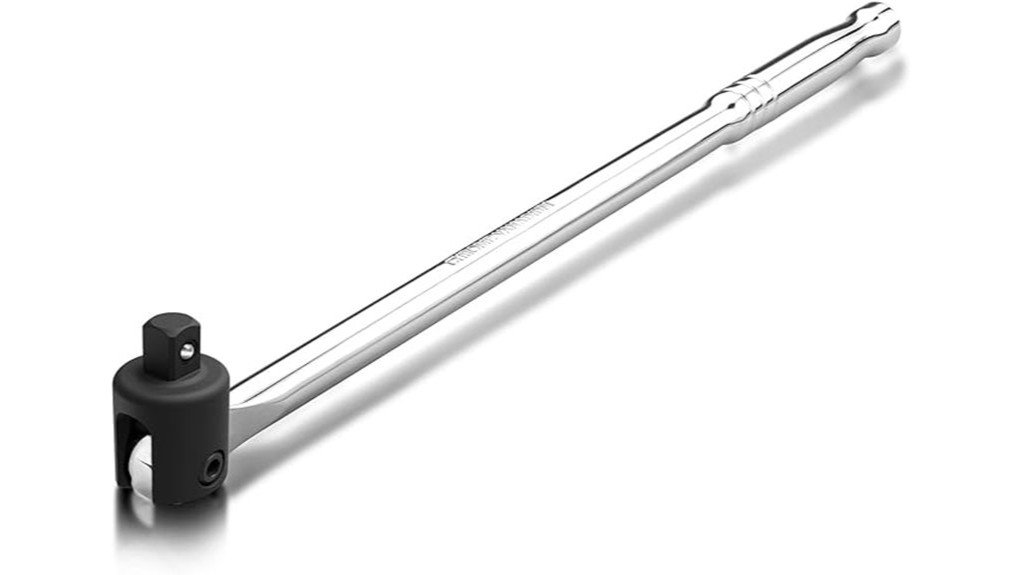
Stuck lug nuts can turn a routine tire change into a frustrating roadside problem, especially when a short ratchet cannot provide enough leverage. The NEIKO 00206A breaker bar gives you a 24-inch handle, a 1/2-inch drive, and a pivoting head designed for stubborn automotive fasteners. Its main strengths are reach, simple construction, and secure socket retention, but the long handle needs room to swing and it cannot replace a calibrated torque wrench. This review helps you decide whether it belongs in your garage or emergency tool kit.
Quick Verdict
Rating: 8.7/10, Recommended
Best For: Drivers and DIY mechanics who need extra leverage for tight 1/2-inch-drive fasteners.
Bottom Line: The NEIKO 00206A offers useful leverage, a durable mixed-steel build, and a flexible head at an accessible value tier. Its tradeoffs are the space required by the 24-inch handle and the lack of torque measurement.
| Specification | Detail |
|---|---|
| Brand | NEIKO |
| Model | 00206A |
| Product type | Manual flex-head breaker bar |
| Drive size | 1/2 inch |
| Length | 24 inches |
| Listed weight | 3.06 pounds |
| Body material | Drop-forged, heat-treated chrome vanadium steel |
| Drive head | Hardened chrome-molybdenum steel |
| Head movement | 180-degree flex head |
| Socket retention | Spring-loaded ball detent |
| Handle finish | Polished chrome with a grooved grip area |
| Package contents | One breaker bar, sockets not included |
| Listed standard | ASME B107.110-2012 |
| Retailer-listed warranty | Limited lifetime, confirm current terms with the seller |
| Best use | Breaking loose stubborn lug nuts and other 1/2-inch-drive fasteners |
Key Takeaways
- The 24-inch handle gives you more leverage than a standard ratchet or shorter breaker bar.
- The hardened chrome-moly head and chrome vanadium body are designed for repeated manual torque.
- A 180-degree flex head helps you approach fasteners from different angles in wheel wells and crowded engine bays.
- The ball detent holds compatible 1/2-inch-drive sockets on the anvil during use.
- This tool is made to loosen or turn fasteners, not to measure final tightening torque.
[Products Worth Considering]

This spare tire tool kit is designed for the 2004 to 2018 Ford F-150 to help you loosen and tighten wheel lug nuts and manage the spare tire and provided jack functions from underneath the vehicle. It includes the lug nut wrench and extension pieces plus a convenient storage carrying case for organized transport. The jack itself is not included.

Universal magnetic jack pad with aluminum grooved design to protect vehicle pinch welds during lifting. Durable nylon pad inserts are upgraded and secured with screws to resist damage and keep in place. Designed to fit most single vehicle pinpoint welds for safer, stable jacking when changing tires, repairs, or performing oil changes.

This roadside assistance kit helps drivers and passengers in urgent situations after an accident or breakdown, providing practical support while waiting for help. It includes a lightweight, compact tire inflator for fast inflation of standard vehicle tires, plus reinforced jumper cable protection for safer handling. Ideal for winter weather, road trips, camping, and travel, with everything stowed neatly in a trunk bag.
What Is the NEIKO 00206A?
The NEIKO 00206A is a manual 1/2-inch-drive breaker bar made for jobs where a regular ratchet does not provide enough leverage. Its fixed 24-inch length increases the turning effect of the force you apply, which can make rusted, over-tightened, or stubborn fasteners easier to start moving.
The tool combines a drop-forged, heat-treated chrome vanadium body with a hardened chrome-moly drive head. The head pivots through 180 degrees, while a spring-loaded ball detent helps hold your socket in place. It is sold as a single bar, so you must supply the correct 1/2-inch-drive socket for your vehicle or repair.
Who Should Buy It?
Best For
- Drivers who want a full-length breaker bar for a roadside tire kit
- DIY mechanics working on wheel, brake, suspension, or chassis fasteners
- Buyers who already own the correct 1/2-inch-drive sockets
Skip If
- You need a compact tool that fits inside a small glovebox or short tool case
- You need a ratcheting mechanism for fast repetitive turning
- You need to tighten fasteners to a precise manufacturer torque specification
Before You Buy: This is a manual breaker bar, not a torque wrench, and no sockets are included. Confirm that your vehicle uses a compatible 1/2-inch-drive socket and that you have enough space to swing a 24-inch handle.
Build Quality and Materials
The NEIKO 00206A uses two steels in the areas where their properties matter most. The main body is drop-forged, heat-treated chrome vanadium steel, while the drive head is hardened chrome-molybdenum steel. This construction gives the bar a substantial feel without relying on a complicated ratcheting mechanism.
The polished chrome surface is easier to wipe clean than a rough, unfinished handle. Grooves near the grip area add texture, although this is still an all-metal handle rather than a cushioned rubber grip. At a listed 3.06 pounds, it has enough mass to feel stable, but it may be more noticeable in a portable tool bag than a shorter bar.
The pivot joint is the main wear point to inspect over time. Before a high-force job, check that the head moves smoothly, the retaining fastener is secure, and the square drive has no cracks or distortion. Stop using the tool if the head, handle, or pivot shows damage.
How the 24-Inch Handle Boosts Leverage
A breaker bar does not create power on its own. It gives you a longer lever so the same hand force produces more turning force at the fastener. Compared with a short ratchet, the 24-inch handle can reduce the effort needed to start a tight lug nut or bolt moving.
The extra length is most useful during the initial breakaway stage. Once the fastener is loose, a shorter ratchet or hand tool usually works faster because it is easier to reposition. The NEIKO bar has no ratcheting mechanism, so you must reset the handle after each partial turn.
Long leverage also increases the risk of applying more force than the fastener or socket can handle. Use the correct socket size, keep the socket fully seated, and apply force gradually instead of bouncing or jumping on the handle.
Why the Flexible Head Helps in Tight Spaces
The 180-degree flex head lets you change the handle angle without placing the bar directly in line with the fastener. That flexibility can help around wheel arches, suspension components, frame rails, and engine-bay obstructions where a fixed head would force your hands into an awkward position.
The head does not lock into preset positions, so it may move as you reposition the tool. This is normal for a simple flex-head breaker bar, but you should control the socket with one hand until the load is applied. Keep your fingers clear of pinch points around the pivot.
The flexible head improves access, but it does not make the entire 24-inch bar compact. Tight work areas may still require a shorter breaker bar, a different extension setup, or professional service.
Socket Grip and Fastener Performance
A spring-loaded ball detent in the 1/2-inch square drive helps keep sockets attached while you position the tool. The detent is especially useful when the bar is angled downward or used in a wheel well, where a loose socket could fall off before you apply force.
Use a properly sized socket that sits fully on the nut or bolt head. A six-point socket is a practical choice for stubborn hex fasteners because it contacts the flats more directly than a twelve-point socket. Impact sockets are compatible when they have a standard 1/2-inch square drive, but the breaker bar itself is a hand tool and should not be used as an impact attachment.
Do not use a damaged, cracked, or badly worn socket. A long handle can place heavy stress on both the socket and fastener, so a poor fit raises the risk of rounding the fastener or breaking the tool.
Grip, Storage, and Portability
The polished, grooved handle gives you a simple metal gripping surface that is easy to clean after greasy work. It does not provide the cushioning of a molded comfort grip, so gloves may improve comfort and control during cold-weather or high-force jobs.
A 24-inch bar is practical in a garage cabinet, truck box, or larger trunk organizer. It may not fit in a compact factory tool pouch. Before relying on it for roadside use, choose a secure storage location where it cannot roll under pedals, strike passengers, or damage interior trim.
[Products Worth Considering]

Camco Trailer Aid Plus tandem tire ramp lifts your trailer for quick, safe tire changes with ample clearance from its 5 1/2-inch lift. It helps you change a flat tire without unloading cargo, making roadside and routine maintenance more efficient. The heavy-duty, waterproof and rustproof polymer design supports up to 15,000 lb and is built for easy portability and storage.

Make hard-to-reach areas easier to access with the MAXXHAUL truck tire service step featuring an adjustable width and height. The foldable design stores compactly, while the serrated non-slip platform provides secure footing for tire-related maintenance. It fits most stock tire sizes up to 31-inch diameter with a 300-lb capacity.
How It Performs in Real Use
For Roadside Tire Changes
The NEIKO 00206A gives you considerably more leverage than many factory lug wrenches. Before lifting the vehicle, park on stable ground, set the parking brake, follow the owner’s manual, and loosen the lug nuts only enough to break them free. Use the specified jack points and finish tightening with a calibrated torque wrench after the wheel is installed.
For Garage Maintenance
The 1/2-inch drive and long handle suit many wheel, brake, suspension, and chassis fasteners. The bar is most useful for the first difficult movement, after which a ratchet can save time. Always check the repair procedure because some fasteners are single-use, torque-to-yield, reverse-threaded, or require special holding tools.
For Rusted or Stubborn Fasteners
Steady pressure is safer and more controllable than sudden impacts. If a fastener will not move, stop before the socket begins to slip. Penetrating oil, heat, specialty extraction tools, or professional service may be more appropriate, depending on the part and surrounding materials.
For Tight-Angle Access
The flex head helps you choose a better hand position when nearby parts block a straight approach. It works best when the socket can still sit squarely on the fastener. If the socket is visibly tilted or only partly engaged, reposition the tool before applying force.
How to Use It Correctly
- Confirm the fastener size and select an undamaged 1/2-inch-drive socket.
- Push the socket fully onto the ball-detent drive, then seat it squarely on the fastener.
- Choose a head angle that keeps the handle clear of body panels, hoses, wiring, and your hands.
- Use a stable stance and apply smooth, controlled pressure. Pulling the handle is often easier to control than pushing when the layout allows it.
- After the fastener breaks free, switch to a ratchet for faster removal if appropriate.
- For critical automotive fasteners, complete installation with the vehicle maker’s specified procedure and a calibrated torque wrench.
Pro Tip: Keep the breaker bar, the exact lug-nut socket for your vehicle, wheel chocks, gloves, and a torque wrench together. Test the socket fit at home before you depend on the kit during an emergency.
Compatibility and Safety
The bar accepts standard 1/2-inch-drive sockets. Compatibility depends on the socket, not just the vehicle type, so check the lug-nut or fastener size before use. Do not force an undersized or oversized socket onto a fastener.
Wear eye protection and keep your hands away from the flex-head pivot. Do not strike the handle with a hammer, stand or jump on it, or slide a pipe over the handle unless the manufacturer specifically approves that method. Added extensions can create forces beyond the tool’s intended use and increase the chance of sudden failure.
A retailer listing identifies ASME B107.110-2012 as the applicable standard and also carries a California Proposition 65 warning. Review the current product label, seller information, and warranty terms before purchase because listings can change.
Pros and Cons
Pros
- 24-inch handle provides strong leverage for stubborn fasteners
- 180-degree flex head improves access around obstructions
- Chrome-moly head and heat-treated chrome vanadium body
- Ball detent helps keep 1/2-inch-drive sockets attached
- Simple non-ratcheting design has fewer moving parts
Cons
- The long handle can be awkward in confined spaces or compact storage
- No ratcheting mechanism, locking head positions, or cushioned grip
- Does not include sockets and cannot measure final tightening torque
Is It Worth the Price?
The NEIKO 00206A sits in the budget-to-mid-range part of the hand-tool market. It offers strong value for the price when your priority is a long 1/2-inch-drive bar with a flexible head rather than a ratcheting mechanism, telescoping handle, or premium comfort grip.
You get the most value if you already own quality sockets and a torque wrench. The retailer-listed limited lifetime warranty adds reassurance, but you should confirm the current coverage, proof-of-purchase requirements, and claim process with the seller before buying.
It is not the best fit if you need a compact emergency tool, a head that locks at set angles, or a bar designed for specialized industrial torque loads.
How It Compares to Alternatives
The TEKTON SBH00224 is another 24-inch, 1/2-inch-drive breaker bar. It uses a 230-degree pivoting head and an external-head design, making it worth comparing if you want a wider pivot range and a more detailed published construction specification. The GEARWRENCH 81308D offers a similar 24-inch length, 180-degree flex tang, ball detent, and full-lifetime warranty positioning.
The NEIKO 00206A makes the most sense when you want the core benefits of long leverage, a flexible head, and secure socket retention without paying for extra mechanisms. Buyers who want a cushioned grip or an extendable handle should compare those features before choosing.
Frequently Asked Questions
Is the NEIKO 00206A a torque wrench?
No. It is a breaker bar that provides leverage but does not measure torque. Use a calibrated torque wrench for final tightening when the vehicle or equipment maker specifies a torque value.
Does it come with sockets?
No. The package contains one 1/2-inch-drive breaker bar. You need a correctly sized 1/2-inch-drive socket for the lug nut or fastener you plan to turn.
Can you use impact sockets with it?
Yes, a standard 1/2-inch-drive impact socket can fit the square drive. Inspect the socket first and use the exact size required, because the long handle can place substantial force on a damaged or poorly fitting socket.
Is it suitable for truck lug nuts?
It can be useful for many passenger-truck lug nuts when the correct 1/2-inch-drive socket is used. Large commercial vehicles or severely seized fasteners may require heavier equipment, a different drive size, or professional service.
Does the flex head lock in position?
The product is described as having a 180-degree flexible head, not a multi-position locking head. Hold and guide the socket while positioning the bar, then keep your fingers clear of the pivot as force is applied.
How heavy is the breaker bar?
A current retailer listing gives a weight of 3.06 pounds. That is manageable for garage and roadside use, but the 24-inch length may matter more than the weight when you choose a storage location.
What warranty does the NEIKO 00206A have?
A current major-retailer listing states a limited lifetime warranty. Confirm the latest terms with the seller or manufacturer because coverage, exclusions, and proof-of-purchase requirements can vary.
The Bottom Line
The NEIKO 00206A is a sensible choice for drivers and DIY mechanics who want a long, durable 1/2-inch-drive breaker bar for stubborn automotive fasteners. Its best features are the 24-inch leverage, mixed Cr-V and Cr-Mo construction, flexible head, and ball-detent socket retention. Skip it if you need compact storage, ratcheting action, locking head positions, or precise final-torque measurement.
Ready to Buy?
Check the latest price, seller, warranty terms, and product details before you decide.

Related Articles
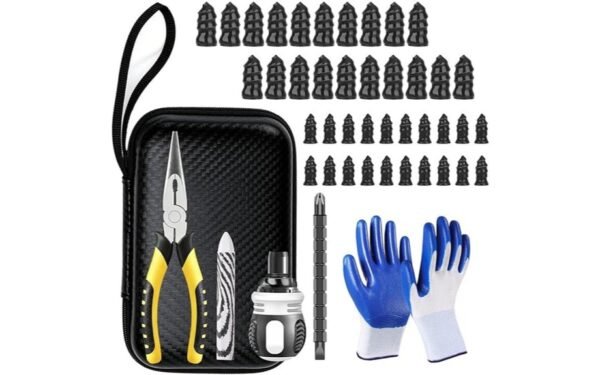
Tire Screw Plug Repair Kit Review
Compact tire screw plug repair kit review reveals fast roadside fixes, but which punctures are truly safe enough to trust?
Read More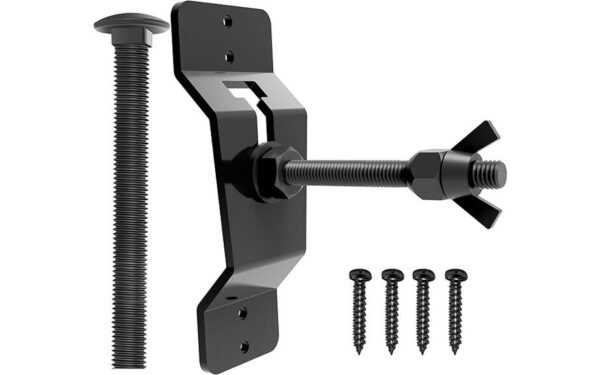
Wall Mount Spare Tire Carrier Mount Review
I review the wall mount spare tire carrier’s fit, strength, and stability—see what could make or break your trailer setup.
Read More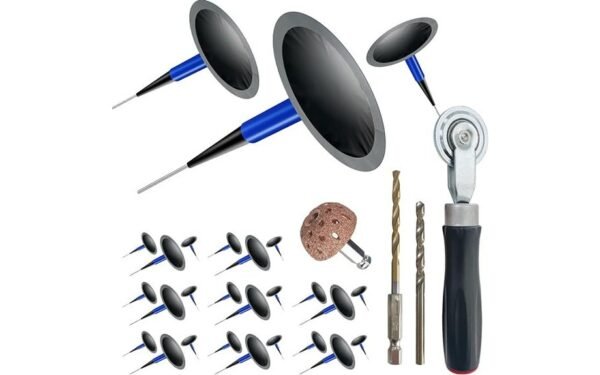
Socpuro Tire Repair Patch Tool Kit Review
Great for quick DIY puncture fixes, the Socpuro Tire Repair Patch Tool Kit has limits and surprises you’ll want to know before buying.
Read More