
Overinflated Tires: 5 Signs, Risks and Safe Fixes
What’s in This Article
- What Counts as an Overinflated Tire?
- Clear Symptoms of Overinflated Tires
- Why Overinflation Increases Blowout and Handling Risk
- How Overinflation Shortens Tire Life and Raises Repair Costs
- Quick Checks: Measure and Read Tire Pressure Correctly
- How to Safely Release Excess Air, Step by Step
- When to Call a Pro or Replace the Tire
- Monthly Tire Pressure Routine to Prevent Overinflation
- Fast Checklist Before Long Trips
- Frequently Asked Questions
Overinflated tires can make your car feel harsh, skittish, and less stable when you brake or turn. You may feel a bouncy ride, more vibration, weaker steering grip, or braking that feels less sure. This guide shows you how to spot overinflation, check pressure correctly, release excess air, and know when tire damage needs professional help.
Quick Answer
Your tires are overinflated when cold pressure sits above the PSI listed on your vehicle’s door placard or owner’s manual. Common signs include a harsh ride, center-tread wear, reduced grip, more road noise, and less stable braking. Release air in short bursts, recheck with a gauge, and stop when each tire matches the vehicle maker’s recommended PSI.
Key Takeaways
- Check tire pressure when the tires are cold for the most useful reading.
- Use the vehicle’s recommended PSI, not the maximum pressure on the tire sidewall.
- Look for center-tread wear, harsh ride feel, reduced grip, and higher road vibration.
- Release excess air slowly, then recheck the pressure before you drive.
- Call a tire professional if you see bulges, cuts, repeated pressure loss, or severe uneven wear.
What Counts as an Overinflated Tire?
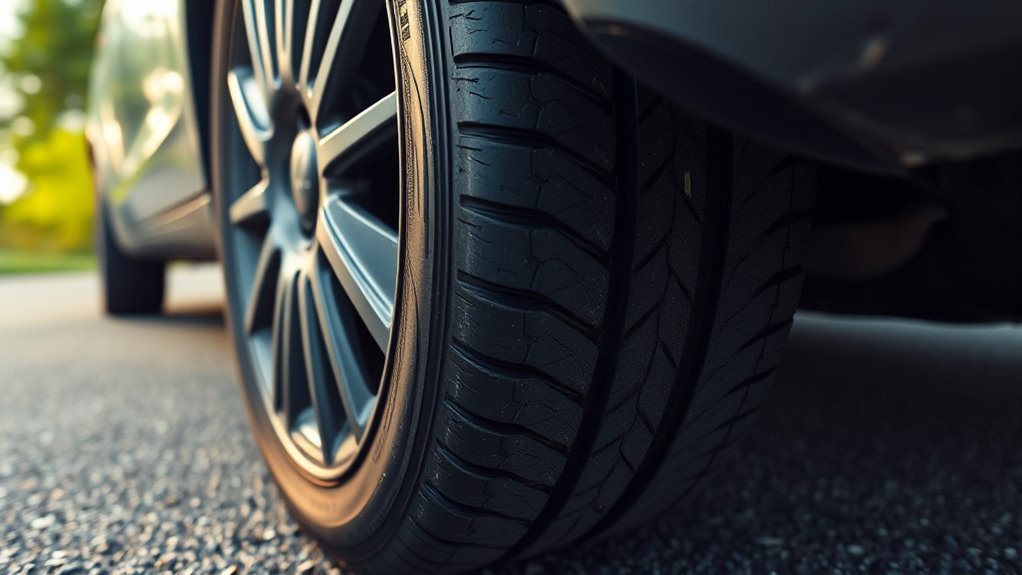
A tire counts as overinflated when its cold pressure exceeds the PSI your vehicle maker recommends. You can find that number in the owner’s manual or on the driver’s-side door placard. Do not use the maximum pressure printed on the tire sidewall as your normal target.
Check front and rear recommendations separately because many vehicles use different PSI targets by axle or load. Measure pressure before driving or after the tires have cooled for several hours. Heat from driving and warm weather can raise internal pressure, so a hot reading may not show your true starting point.
Heavier loads may require higher pressure, but you should stay within the vehicle maker’s stated limits. Record the target PSI, measured PSI, outside temperature, and load condition if you want a clear pressure history. That log helps you spot leaks, overfilling habits, and repeat problems before they damage the tires.
[Products Worth Considering]

EVOULTES heavy duty tire inflator with an integrated gauge delivers accurate pressure readings from 10–120 PSI, helping you inflate, deflate, and check tires in one tool. The 16.5-inch extended dual-head air chuck with swivel base reaches hard-to-access dual wheel valves on trucks and RVs. A brass trigger core and side-mounted air release valve make operation smooth, with standard 1/4" NPT threading and quick-connect compatibility for easy setup.

This portable cordless tire inflator delivers up to 160 PSI with fast 17 L/min airflow to help you quickly top up tires and get back on the road. It features dual power mode, running on a 21V rechargeable battery or a 12V DC adapter for convenient roadside use. An automatic shut-off with digital pressure gauge helps prevent overinflation, and a built-in LED light improves visibility in low-light conditions.

The JACO FlowPro Tire Inflator measures, inflates, and airs down tires up to 100 PSI with battery-free operation and ±2% accuracy after calibration. It features a glowing pressure dial for night visibility, a heavy-duty steel build with a hybrid hose, and a precision push-to-inflate thumb trigger. The patented Lightning Air Chuck locks on for a secure seal, and the kit includes quick-connect hardware for easy inline use with your air compressor.
Clear Symptoms of Overinflated Tires
Overinflated tires often show four linked signs: reduced traction, faster center-tread wear, a harsh ride, and more strain on vehicle systems. Start with how the car feels, then confirm your suspicion with a cold pressure check. A quick tread inspection can also show whether excess pressure has already caused uneven wear.
Reduced Road Traction
Excess air stiffens the tire and can shrink the contact patch that touches the road. With less rubber on the surface, your car may feel less planted during braking, cornering, or quick steering moves. Wet, rough, or slippery roads make this loss of grip more noticeable.
You may also notice more road noise or a sharper steering feel that seems less predictable. Set the pressure back to the vehicle maker’s recommended value to restore better tire contact. Then monitor handling over the next few drives.
Warning: Do not ignore reduced grip or unstable braking, especially before highway driving or bad weather.
Center Tread Wear
Overinflated tires often wear faster across the center of the tread than along the shoulders. Look for a narrow, smoother strip running around the middle of the tire. That wear pattern can reduce grip and shorten tire life.
Use a tread-depth gauge to compare the center, inner shoulder, and outer shoulder. If the center measures much lower than both shoulders, excess pressure may have caused the wear. Correct the pressure, rotate tires as recommended, and ask a pro to inspect severe wear.
Harsh Ride Feel
Overinflated tires absorb less road shock because the sidewalls feel stiffer. Small bumps may hit the cabin harder, and the car may feel choppy on rough pavement. That harsh feel often appears with more vibration through the seat, floor, or steering wheel.
A harsh ride can also signal worn suspension parts, wheel imbalance, or tire damage. Check pressure first because it is fast and low cost. If the ride stays rough after correction, have the tires and suspension inspected.
Tire Pressure Monitoring System Alerts
Your tire pressure monitoring system (TPMS) may warn you when pressure moves outside the normal range. Some vehicles show each tire’s PSI, while others use a simple warning light. A TPMS alert helps, but it should not replace manual checks with a reliable gauge.
If the warning light stays on after you correct pressure, the system may need a reset or service. A sensor battery, wheel sensor, or calibration issue can cause repeat alerts. Follow your owner’s manual or ask a tire shop to test the system.
Why Overinflation Increases Blowout and Handling Risk
Overinflation can make a tire less flexible. The tire then absorbs less impact from potholes, debris, and sharp road edges. That stiffness can increase the chance of damage, especially when the tread already shows wear.
Less tire contact also weakens braking and cornering grip. The car may feel nervous on uneven pavement or wet roads. Keeping pressure at the recommended PSI helps the tire flex, grip, and shed stress as designed.
Reduced Road Contact
When pressure sits too high, the tire may ride more on its center tread. That concentrates load in a smaller area and can reduce traction during braking and turns. It also speeds up center wear, which further limits grip over time.
| Symptom | Effect | Diagnostic |
|---|---|---|
| Reduced grip | Longer braking | Check pressure and road feel |
| Center wear | Less usable tread | Measure tread depth across the tire |
| Harsh ride | Less shock absorption | Compare cold PSI with the door placard |
Correct pressure helps the tire regain a fuller contact patch. It also supports more predictable steering and braking.
Increased Blowout Probability
Excess pressure can make the tire carcass stiffer and less able to absorb impact. If you hit debris or a pothole, that impact can damage a weak or worn tire. A tire with thin center tread may also puncture more easily.
Temperature changes can push pressure higher after you set it. Check pressure when tires are cold, then inspect the tread and sidewalls for damage. Replace tires with bulges, exposed cords, deep cuts, or unsafe tread depth.
How Overinflation Shortens Tire Life and Raises Repair Costs
Overinflation can shorten tire life by forcing the center tread to carry more of the load. Once that center area wears down, the tire may need replacement even if the shoulders still look usable. This uneven wear can also make rotations less effective.
Excess pressure may also make the tire more vulnerable to road damage. Patches, tire replacements, alignment checks, and suspension work can all raise ownership costs. Keeping pressure within spec helps you avoid many of those costs.
Handling problems create another risk. Poor grip can increase the chance of a curb strike, skid, or impact damage. Proper inflation protects the tire, the vehicle, and your budget.
Quick Checks: Measure and Read Tire Pressure Correctly
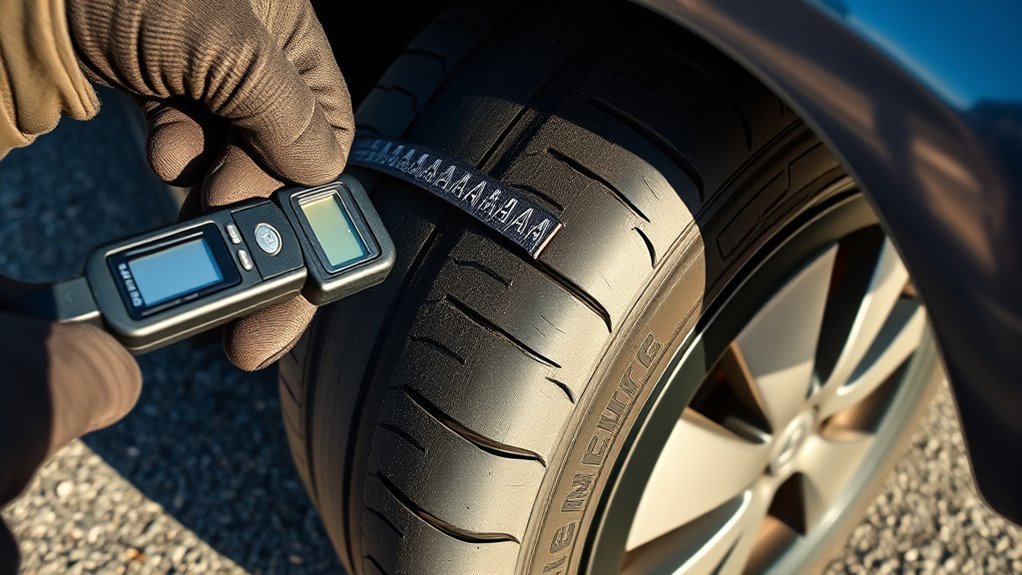
Pressure checks work best when the tires are cold. Check before your first drive of the day or after the car has sat long enough for the tires to cool. Use a quality gauge and compare each reading with the PSI on the door placard or in the manual.
| Task | Why It Matters | Target |
|---|---|---|
| Check cold | Driving heat raises pressure | True starting PSI |
| Use a reliable gauge | Small errors can mislead you | Consistent readings |
| Compare with spec | Each vehicle has its own target | Front and rear PSI |
| Record readings | Trends can reveal leaks or overfilling | Pressure log |
| Inspect the spare | Many drivers forget it | Ready reserve tire |
Measure each tire the same way every time. Note any tire that rises above the recommended PSI or changes faster than the others. That habit helps you catch small issues before they become road problems.
Pro tip: Keep one tire gauge in your glove box so you do not rely on worn public gauges.
How to Safely Release Excess Air, Step by Step
Before you release air, park on level ground and make sure the tires feel cool. Inspect each tire for bulges, cuts, embedded objects, or severe tread wear. Do not drive on a damaged tire just because you corrected the pressure.
- Remove the valve cap and place it where you will not lose it.
- Check the current PSI with a reliable tire pressure gauge.
- Compare the reading with the vehicle’s recommended PSI.
- Press the valve pin gently with the gauge bleed button or a small tool.
- Release air in short bursts instead of one long press.
- Recheck the pressure often as you approach the target PSI.
- Stop when the tire reaches the recommended pressure.
- Replace the valve cap and tighten it by hand.
- Repeat the process for each tire that reads too high.
Do not guess by pressing the tire with your hand. Tires can feel firm even when pressure sits too low or too high. A gauge gives you the only reading you should trust.
[Products Worth Considering]
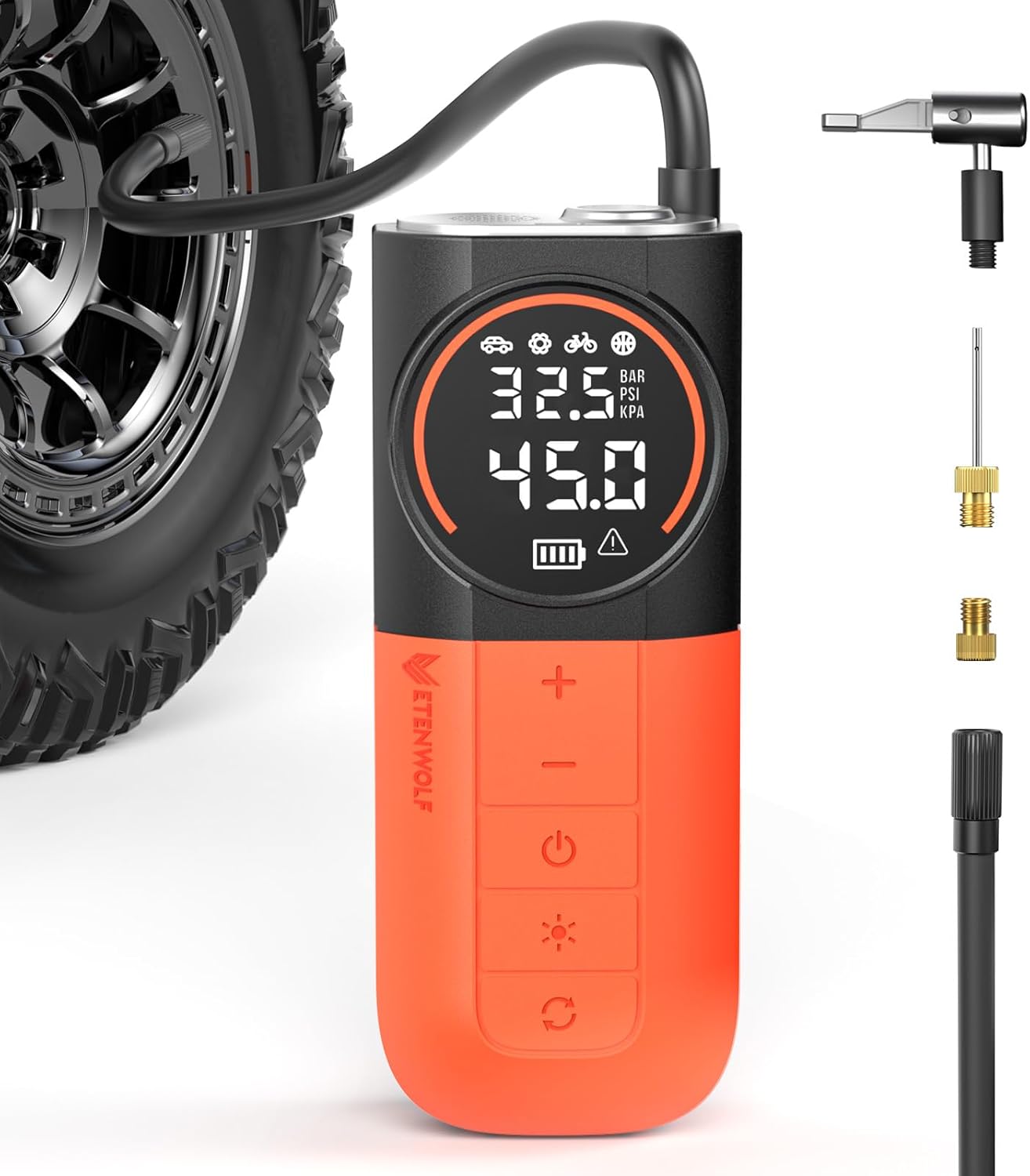
The ETENWOLF S1 cordless tire inflator delivers ultra-fast inflation with up to 160 PSI and a 20 L/min airflow for quicker tire top-offs. Its 5200mAh battery and cooling system support inflating many tires and sports balls on a single charge, while the digital pressure gauge and multi-unit display help you reach the right pressure accurately. With preset modes, pressure memory, an auto-stop feature, and an LED flashlight, it’s built for easy roadside and everyday use.

This portable cordless tire inflator delivers fast, efficient inflation for cars, motorcycles, bikes, and sports balls with a digital pressure gauge. Use the one-click PSI preset with auto shut-off for accurate, hands-free topping to your target pressure up to 150 PSI. It’s compact and rechargeable with a built-in emergency LED light plus valve adapters and accessories for quick, ready-to-go use.
When to Call a Pro or Replace the Tire
Adjusting pressure works when the tire has no damage and only a small PSI error. Some signs need a tire shop instead of a quick driveway fix. Call a professional if you see repeated pressure loss, severe center wear, sidewall bulges, deep cuts, exposed cords, or a tire pressure monitoring system that keeps warning you.
Noise or vibration that returns after pressure correction also needs attention. The cause may involve wheel balance, alignment, tire separation, or suspension wear. After any blowout, replace the failed tire and have the other tires, wheels, and alignment checked.
Monthly Tire Pressure Routine to Prevent Overinflation
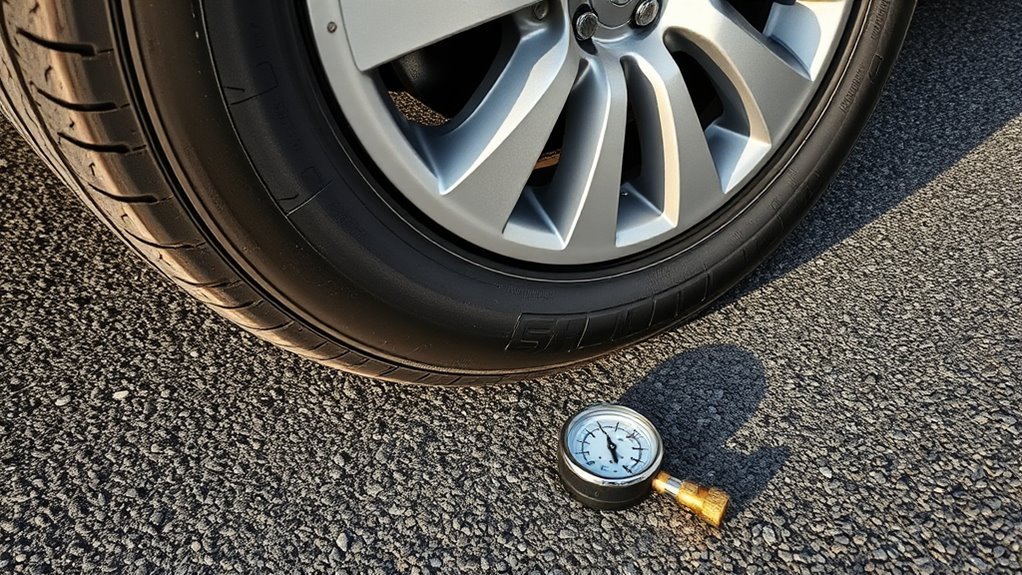
A monthly pressure routine helps prevent overinflation and catches pressure changes early. Pick the same date each month so the task becomes easy to remember. Check more often before long trips or when temperatures change sharply.
- Schedule one pressure check each month.
- Measure all tires with a gauge when they are cold.
- Compare each reading with the door placard or manual.
- Inspect tread, sidewalls, and valve stems for visible damage.
- Adjust pressure to match the recommended PSI.
- Record the readings so you can spot changes over time.
Pressure logs make patterns easier to see. If one tire keeps drifting high or low, ask a tire shop to inspect it.
Fast Checklist Before Long Trips
Tire pressure affects safety, handling, tread life, and fuel use on long drives. Check all tires, including the spare, before you leave. Use the recommended PSI for your vehicle and load, not a number from habit or guesswork.
Check all tires, including the spare, while they are cold. Set each tire to the manufacturer’s recommended PSI before travel.
- Use a reliable gauge before departure.
- Compare each tire with the door placard or owner’s manual.
- Adjust for vehicle load only within the maker’s stated limits.
- Inspect for bulges, cuts, nails, and uneven wear.
- Recheck pressure during the trip if temperatures change sharply.
This quick check can prevent delays, reduce wear, and improve control. It also gives you more confidence before highway driving.
Frequently Asked Questions
What PSI Should My Mini Cooper Tires Be?
Your Mini Cooper’s correct PSI depends on the model, tire size, load, and axle. Many Mini Cooper models fall around the low-to-high 30 PSI range, but you should use the placard on the driver’s-side door jamb or the owner’s manual. That number matters more than any general range.
Is It Okay to Overinflate Tires by 2 PSI?
A 2 PSI difference may not cause instant damage, but you should still set the tire back to the recommended pressure. Small pressure errors can affect ride feel, tread wear, and grip over time. Check with a gauge and adjust when the tires are cold.
Is It Okay to Overinflate Tires by 3 PSI?
You should not leave tires 3 PSI above the recommended setting on purpose. That extra pressure can make the ride harsher and may increase center-tread wear. Release air in short bursts, then recheck until you reach the correct PSI.
Should You Use the PSI on the Tire Sidewall?
No. The sidewall number shows the tire’s maximum pressure, not your vehicle’s normal operating pressure. Use the door placard or owner’s manual because the vehicle maker sets that PSI for handling, load, comfort, and safety.
Can Hot Weather Make Tires Look Overinflated?
Yes. Heat can raise tire pressure after driving or during warm weather. Check pressure when the tires are cold so you do not release too much air from a hot tire.
Conclusion
Overinflated tires reduce comfort, shorten tread life, and can make your vehicle harder to control. Your best next step is simple: check cold tire pressure monthly and match it to the PSI on your door placard or owner’s manual. If you find damage, repeat pressure loss, severe center wear, or vibration that returns, schedule a professional inspection. Treat tire pressure like a basic safety check, and every drive becomes more stable, predictable, and cost-effective.
References
- Tires — National Highway Traffic Safety Administration
- TireWise: Everything You Need to Know About Buying and Maintaining Tires — National Highway Traffic Safety Administration
- Keeping Your Car in Shape — U.S. Department of Energy and U.S. Environmental Protection Agency

Related Articles
Tire Balancing Weights: Types, Cost, and Why You Need Them
Precisely chosen tire balancing weights reduce vibration and wear, but which type fits your wheels and what it really costs may surprise you.
Read More
Tire Repair Kits: What’s Inside and How to Use One
Get the essentials of tire repair kits, learn how each tool works, and discover the simple steps that can save your trip.
Read More
How to Get More Miles Out of Your Tires: 10 Proven Tips
Maximize tire life with 10 proven tips that save money and boost safety—discover the simple habits that can add many more miles.
Read More