
Honda Accord Tire Bulge: Causes and What to Do
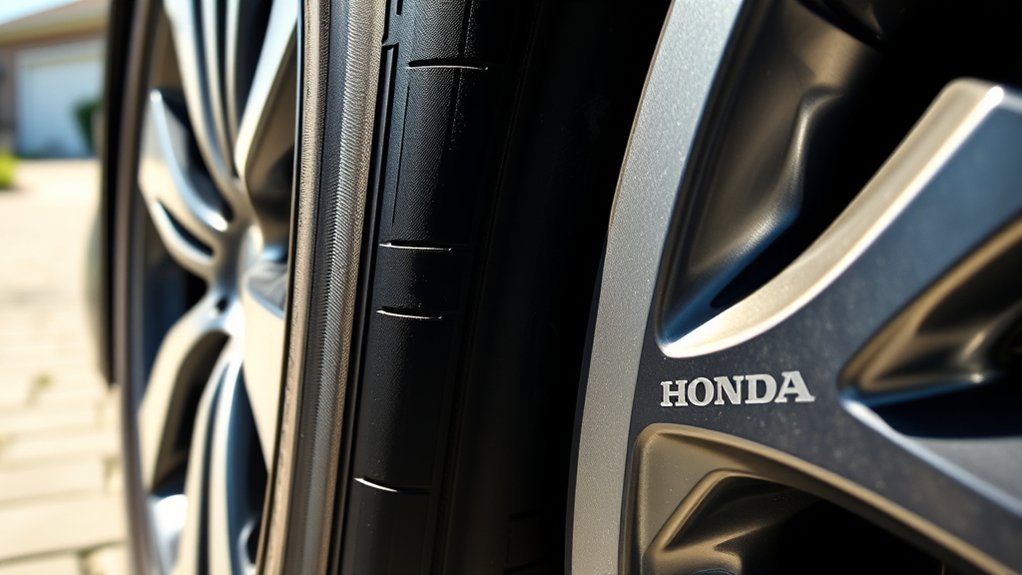
A tire bulge on your Honda Accord is not a normal wear issue. It usually means the tire’s internal cords, belts, or sidewall structure have been damaged, often after a pothole, curb hit, road debris impact, or extended driving with incorrect tire pressure. Treat it as an urgent safety problem, not a cosmetic bump.
Quick Answer
If your Honda Accord has a tire bulge, stop driving as soon as it is safe. A bulge usually means internal tire damage, and the tire can fail suddenly. Do not patch or ignore it. Install the spare if it is safe to do so, or tow the car to a tire professional for replacement.
Key Takeaways
- A tire bulge is usually a sign of internal structural damage, not a harmless surface mark.
- Do not keep driving on a bulged tire; use a spare or arrange a tow to a tire shop.
- A bulged tire cannot be safely repaired. Replacement is the correct fix.
- Check the wheel, rim, alignment, and suspension after a pothole or curb impact.
- Prevent future bulges by checking cold tire pressure monthly, avoiding road hazards when possible, and following Honda’s tire inspection and rotation guidance.
At a Glance
| Time Required | Stop driving immediately; 5–15 minutes for a safe visual check or spare-tire change if conditions allow. |
| Difficulty | Safety-critical. Visual inspection is simple, but replacement and hidden-damage checks should be handled by a tire professional. |
| Tools Needed | Tire pressure gauge, flashlight, spare tire or tire mobility kit if equipped, lug wrench, jack, and roadside assistance if the location is unsafe. |
| Cost | Expect the cost of a replacement tire plus mounting, balancing, disposal, and any TPMS service. Costs rise if the wheel, rim, alignment, or suspension is damaged. |
What Causes a Tire Bulge on Your Honda Accord?
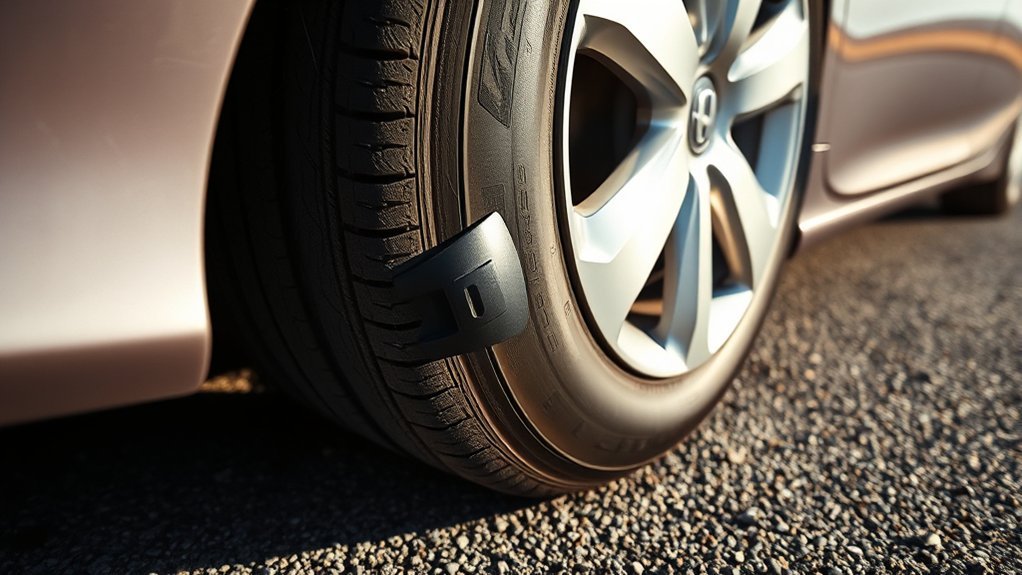
A tire bulge forms when air pushes into an area of the tire where the internal structure has weakened. On a Honda Accord, the most common trigger is impact damage from a pothole, curb, or road debris. A hard hit can pinch the tire between the wheel and the road, break internal cords, and create a soft spot that balloons outward.
Other common causes include underinflation, overloading, tire age, uneven wear, and previous damage that went unnoticed. Honda’s owner information says Accord tires should be the correct type and size, in good condition, with adequate tread and proper inflation. It also says to look for bumps or bulges on the side or tread during tire checks and replace damaged tires when needed. Honda 2024 Accord tire inspection guidance
- Pothole or curb impact: The most common cause. Damage may appear right away or after days of driving.
- Underinflation: Low pressure makes the sidewall flex too much, which creates heat and can weaken the tire.
- Overinflation: Too much pressure can make the tire ride harshly and become more vulnerable to road-hazard damage.
- Overloading: Carrying more weight than the tire and vehicle are rated for adds stress to the tire structure.
- Aging rubber: Heat, sunlight, time, and poor storage can make older tires more prone to cracking and internal failure.
- Manufacturing defect or recall: Less common, but possible. Check the tire’s DOT/TIN number if the tire is new or the bulge appears without an impact.
Note: A tire bulge can appear on the inner sidewall, where it is harder to see. If you recently hit a pothole and feel vibration, hear thumping, or notice the car pulling, have the tire and wheel inspected even if the outer sidewall looks normal.
[Products Worth Considering]

This tire repair kit provides fast emergency puncture repair without removing the tire from the rim, helping you get back on the road quickly. Its screw plug system is designed for punctures in both tread and sidewall and includes a complete patch plug tool set with essential accessories. A portable storage bag makes it easy to carry for cars, trucks, SUVs, motorcycles, and heavy-duty applications.

This portable cordless tire inflator delivers up to 160 PSI with fast 17 L/min airflow to help you quickly top up tires and get back on the road. It features dual power mode, running on a 21V rechargeable battery or a 12V DC adapter for convenient roadside use. An automatic shut-off with digital pressure gauge helps prevent overinflation, and a built-in LED light improves visibility in low-light conditions.

EVOULTES heavy duty tire inflator with an integrated gauge delivers accurate pressure readings from 10–120 PSI, helping you inflate, deflate, and check tires in one tool. The 16.5-inch extended dual-head air chuck with swivel base reaches hard-to-access dual wheel valves on trucks and RVs. A brass trigger core and side-mounted air release valve make operation smooth, with standard 1/4" NPT threading and quick-connect compatibility for easy setup.
Is It Safe to Drive on a Bulging Tire?
No. A bulging tire is unsafe because the tire’s structure has likely been weakened. The bulged area may not hold up under heat, speed, braking, cornering, or another road impact. That can lead to sudden air loss or a blowout.
Warning: Do not keep driving on a bulged tire. Do not patch it, plug it, or try to “watch it for a few days.” Pull over when safe, switch to the spare if you can do so safely, or call for towing.
NHTSA warns that poor tire maintenance, including low air pressure and failure to rotate tires, can contribute to flat tires, blowouts, or tread separation. NHTSA also reports that 511 people died in tire-related traffic crashes in 2024. NHTSA TireWise
A tire bulge is a warning sign that the tire may fail suddenly. Treat it like an emergency repair, not routine maintenance.
How to Identify a Tire Bulge on Your Honda Accord
Most bulges look like a bubble, bump, knot, or raised area on the sidewall. Some appear on the tread, shoulder, or inner sidewall. A bulge may be small, but even a small bubble can point to internal damage.
- Park safely on level ground. Turn on hazard lights if you are roadside.
- Check the outer sidewall. Look for bumps, bubbles, cuts, cracks, exposed cord, or scraped areas.
- Check the tread and shoulder. Look for raised spots, separation, uneven wear, or a thumping pattern.
- Look behind the tire if safe. Inner-sidewall damage is common after pothole impacts.
- Listen and feel while driving only if you are already moving to a safe stop. Vibration, pulling, wobbling, or rhythmic thumping can signal tire or wheel damage.
- Check cold tire pressure later, not as a fix. Correct pressure will not repair a bulge, but it helps identify other tire issues.
Honda recommends measuring tire pressure when the tires are cold, meaning the vehicle has been parked for at least three hours or driven less than 1 mile. Honda also notes that hot tire pressure can read 4–6 psi higher than cold pressure. Honda tire pressure guidance
Pro Tip: Do not rely only on the TPMS light. Tire Pressure Monitoring Systems usually warn about significant underinflation, but they may not detect a sidewall bulge, impact bubble, or internal cord damage.
What to Do Right Away If You Spot a Tire Bulge
Pull Over and Stop Driving
Slow down gently, avoid hard braking if possible, and pull into a safe location away from traffic. Turn on your hazard lights. Do not continue at highway speed, and do not drive “just a little farther” unless it is necessary to reach a safe stopping point.
Use the Spare or Call for a Tow
If your Accord has a usable spare tire and you can change it safely, install it and follow the spare tire label and owner’s manual limits. Many compact spares are temporary and are not designed for normal highway use. If you are on a shoulder, in bad weather, at night, or in an unsafe location, call roadside assistance instead of changing the tire yourself.
Have the Wheel and Suspension Checked
A pothole or curb hit can damage more than the tire. Ask the shop to inspect the rim, bead seat, valve stem, wheel balance, alignment, and nearby suspension parts. If the tire is bulged on the inside, the wheel may also be bent.
Save the Damaged Tire if Warranty or Recall Is Possible
If the tire is fairly new and you do not remember a strong impact, ask the tire shop to document the damage before disposal. Record the tire brand, model, size, DOT/TIN code, tread depth, and purchase date. You can also check for tire recalls through NHTSA using the tire identification information. NHTSA tire recall resources
Repairing or Replacing a Bulging Tire?
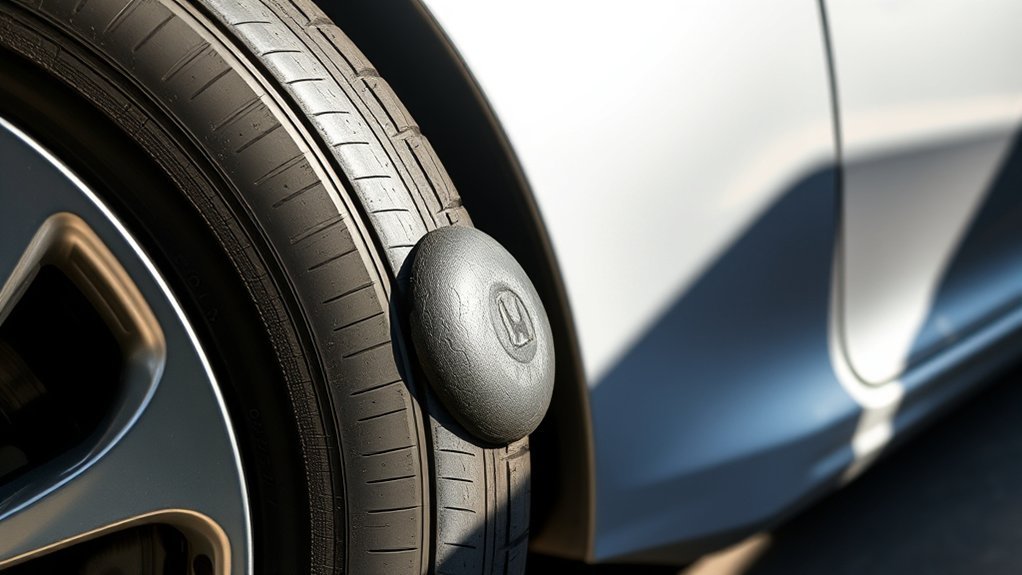
A bulging tire should be replaced, not repaired. A patch or plug is used for certain punctures in the tread area, but a bulge usually means the internal structure has failed. Michelin states that a tire with a bulge or bubble cannot be repaired and should be replaced with the spare before professional inspection. Michelin bulge and bubble guidance
When replacing the tire, match the tire size, load index, and speed rating listed on your Honda Accord’s tire placard or owner’s manual. The tire placard is usually on the driver’s doorjamb. Tire Industry Association guidance also says drivers should follow the vehicle tire placard and owner’s manual when selecting replacement tires. Tire Industry Association tire replacement guidance
[Products Worth Considering]

The JACO FlowPro Tire Inflator measures, inflates, and airs down tires up to 100 PSI with battery-free operation and ±2% accuracy after calibration. It features a glowing pressure dial for night visibility, a heavy-duty steel build with a hybrid hose, and a precision push-to-inflate thumb trigger. The patented Lightning Air Chuck locks on for a secure seal, and the kit includes quick-connect hardware for easy inline use with your air compressor.

This roadside assistance kit helps drivers and passengers in urgent situations after an accident or breakdown, providing practical support while waiting for help. It includes a lightweight, compact tire inflator for fast inflation of standard vehicle tires, plus reinforced jumper cable protection for safer handling. Ideal for winter weather, road trips, camping, and travel, with everything stowed neatly in a trunk bag.
Do You Need to Replace One Tire, Two Tires, or All Four?
It depends on tread depth, tire age, tire type, and how evenly the other tires are worn. If the other tires are nearly new, one matching tire may be enough. If the opposite tire on the same axle is worn, the shop may recommend two. If all four tires are aged, mismatched, or worn unevenly, replacing the set may be safer and smoother.
For best handling, ask the tire professional where the new tire or pair should be mounted. Many tire-safety organizations recommend placing the best pair on the rear axle to reduce loss of control in wet conditions, but your shop should consider your exact Accord, tire type, and tread depths.
Preventing Future Tire Bulges: Tips and Best Practices
Check Cold Tire Pressure Monthly
Check your Honda Accord’s tire pressure at least once a month and before long trips. Use the pressure on the driver’s doorjamb label, not the maximum pressure molded on the tire sidewall. If your Accord requires TPMS calibration after adjusting pressure, follow the owner’s manual process.
Honda says properly inflated tires provide the best combination of handling, tread life, and comfort. It also warns that underinflated tires wear unevenly, affect handling and fuel economy, and are more likely to fail from overheating. Honda Accord tire inflation guidelines
Avoid Potholes, Curbs, and Overloading
You cannot avoid every pothole, but you can reduce damage by slowing down when the road is rough, leaving more following distance, and avoiding curb strikes when parking. Keep the vehicle within its load rating, especially during road trips with passengers and luggage.
Rotate and Balance Your Tires
Follow Honda’s Maintenance Minder or your tire shop’s recommended interval. Tire Industry Association notes that many tires are rotated every 5,000 to 7,000 miles when pressure is regularly maintained. Honda also says that whenever tires are rotated on equipped models, TPMS must be calibrated. Honda Accord tire rotation guidance
Watch Tire Age and DOT Date Code
Even if tread depth looks acceptable, an older tire can be more vulnerable to cracking, heat damage, and impact failure. Check the DOT date code on the sidewall. The last four digits show the week and year the tire was made. For example, “2523” means the tire was manufactured in the 25th week of 2023.
Many tire makers recommend professional inspection as tires age and removal from service by a maximum age even if the tire looks usable. Bridgestone, for example, recommends professional inspection after five years and replacement of tires manufactured 10 years prior or longer, including the spare. Bridgestone tire replacement guidance
When to Consult a Professional for Tire Bulges
Consult a tire professional immediately when you see a bulge, bubble, exposed cord, deep cut, tread separation, repeated pressure loss, vibration, pulling, or damage after a pothole hit. A shop can dismount the tire, inspect the inner liner, check the wheel for bends or cracks, and confirm whether a warranty or road-hazard claim may apply.
You should also get a professional inspection if the tire is new, the bulge appeared without a known impact, or more than one tire shows damage. In those cases, the shop can help check tire recalls, installation issues, alignment, load rating, and manufacturing information.
Frequently Asked Questions
Can a tire bulge affect my Honda Accord’s performance?
Yes. A tire bulge can cause vibration, pulling, poor handling, noise, and unstable braking. More importantly, it can lead to sudden tire failure, especially at speed or after another impact.
How long can I drive with a tire bulge?
You should not drive on it except to move out of immediate danger. Stop in a safe place, install the spare if conditions allow, or call for towing. Driving to a shop on the bulged tire is risky because the tire can fail without warning.
Are certain tire brands more prone to bulging?
Avoid assuming a whole brand is the problem. Bulges are most often caused by impact damage, underinflation, overloading, or age. However, defects and recalls can happen with specific tire models or production batches, so check the tire’s DOT/TIN code and ask the shop to document the failure.
What is the cost of replacing a bulging tire?
The cost depends on your Accord’s tire size, brand, speed rating, local labor rates, mounting, balancing, disposal fees, taxes, and any TPMS service. If the pothole or curb impact bent a wheel or damaged suspension parts, the total repair can be higher.
Does weather increase the chance of tire bulges?
Weather can make tire problems worse. Heat increases pressure and stress, cold can reduce pressure, and freeze-thaw potholes can cause impact damage. Check cold tire pressure more often during major temperature swings.
Can I patch a tire bulge if it is small?
No. A small bulge is still a structural warning sign. Patches and plugs are for certain tread punctures, not internal cord damage or sidewall bubbles. Replace the tire.
Should I replace the tire if the bulge is on the tread instead of the sidewall?
Yes. A raised bubble or separated area on the tread can be just as dangerous as a sidewall bulge. Stop driving and have the tire replaced after a professional inspection.
Will my Honda Accord’s TPMS warn me about a tire bulge?
Not always. TPMS is designed to warn about significant underinflation or system problems. It may not detect a sidewall bubble, tread separation, or internal impact damage. Visual checks still matter.
Conclusion
A tire bulge on your Honda Accord means the tire is no longer trustworthy. The safest move is to stop driving, use the spare or tow the car, and replace the damaged tire with one that matches Honda’s tire placard and owner-manual requirements. After a pothole or curb strike, have the wheel, alignment, and suspension checked too. Regular cold-pressure checks, tire inspections, rotation, and careful driving over rough roads are your best defense against future tire bulges.
Sources
- Honda 2024 Accord Owner’s Manual — Checking Tires — supports cold pressure checks, monthly inspection, and replacing tires with bumps or bulges.
- Honda 2024 Accord Owner’s Manual — Tire Rotation — supports tire rotation and TPMS calibration guidance.
- NHTSA TireWise — supports tire safety, pressure checks, blowout risk, and 2024 tire-related crash fatality data.
- Michelin — Sidewall Bulge or Bubble — supports that a bulged tire cannot be repaired and should be replaced.
- Tire Industry Association — Tire Replacement — supports tread, bulge inspection, tire rotation, and replacement tire selection guidance.
- Bridgestone — Tire Replacement Guide — supports tire age, professional inspection, and age-based replacement guidance.

Related Articles
How Tall Is a 305 70 R17 Tire? Exact Height, Width & Dimensions
Curious how tall a 305 70 R17 tire really is—and whether it fits your truck?
Read More
Can-Am Defender Tire Size Guide: Stock Specs & Upgrade Options
Just how big can you go on a Can-Am Defender before mods become necessary?
Read More
How Tall Is a 275 65 20 Tire? Exact Height, Width & Dimensions
Check the exact height, width, and hidden fitment effects of a 275/65R20 tire before you buy or upgrade.
Read More