
Honda Accord Tire Plug Repairs: What You Should Know

A tire plug can help when your Honda Accord has a small nail or screw puncture in the tread, but it is not the right fix for every flat tire. The safe choice depends on where the damage is, how large the puncture is, whether the tire was driven flat, and whether the repair is only a roadside plug or a professional internal plug-patch.
Quick Answer
A tire plug on a Honda Accord is usually only a temporary roadside repair for a small puncture in the tread area. Do not plug sidewall, shoulder, large, torn, bulging, or run-flat-damaged tires. For the safest long-term fix, have the tire removed, inspected inside, and repaired with a professional plug-patch if it is repairable.
Key Takeaways
- Only repair small punctures in the main tread area. Sidewall and shoulder damage means replacement.
- A DIY rope plug can get you off the road, but a professional internal plug-patch is safer for continued driving.
- Use the tire pressure shown on your Accord’s driver-side tire label or owner’s manual, not the number molded on the tire sidewall.
- Check for Honda or NHTSA recalls by VIN before relying on a factory tire repair kit, especially on late-model Accord Hybrid vehicles.
At a Glance
| Time Required | 10–20 minutes for a temporary DIY plug; 30–60 minutes for a shop inspection and internal repair. |
| Difficulty | Easy to moderate for a tread plug, but unsafe if the puncture location or tire condition is questionable. |
| Tools Needed | Tire plug kit, pliers, reamer, insertion tool, rubber cement if included, air compressor, tire pressure gauge, gloves, wheel chock, and soapy water. |
| Cost | About $10–$40 for a DIY plug kit, often $20–$40 for a simple professional repair, and much more if the tire must be replaced. |
Tire Plug Safety for Your Honda Accord

When you find a punctured tire on your Honda Accord, first decide whether the tire is repairable at all. A plug may work as a short-term fix when the puncture is small, straight, and located in the main tread area. It is not safe for sidewall damage, shoulder damage, cuts, bulges, exposed cords, or a tire that was driven flat long enough to damage the internal structure.
Warning: Do not plug a sidewall puncture, a shoulder puncture near the edge of the tread, a hole larger than about 1/4 inch, a long cut, or a tire with a bulge. Replace the tire or have it inspected by a qualified tire technician.
A rope-style tire plug seals the hole from the outside. That can help you get home or reach a tire shop, but it does not let you inspect the inside of the tire for hidden damage. A professional repair is different because the tire is removed from the wheel, inspected internally, and repaired from the inside with a patch or combination plug-patch when the puncture is in the repairable area.
For your Accord, tire pressure also matters. Honda tire pressures vary by model year, trim, wheel size, and load. Check the Tire and Loading Information Label on the driver-side doorjamb or the owner’s manual instead of guessing. The pressure number molded on the tire sidewall is a maximum tire rating, not your Accord’s recommended cold pressure. You can review general tire pressure guidance from the National Highway Traffic Safety Administration.
[Products Worth Considering]

This tire repair kit provides fast emergency puncture repair without removing the tire from the rim, helping you get back on the road quickly. Its screw plug system is designed for punctures in both tread and sidewall and includes a complete patch plug tool set with essential accessories. A portable storage bag makes it easy to carry for cars, trucks, SUVs, motorcycles, and heavy-duty applications.

This tire repair patch tool kit helps you quickly seal small punctures using upgraded mushroom plugs and a built-in roller system that presses for even penetration. The tungsten buffing wheel and HSS twist drill bits prepare the damaged surface for stronger adhesion, while the crown-angle friendly plugs are designed to keep water and debris out. Ideal for puncture repairs on many vehicle types, from cars and trucks to bikes and scooters.

This compact capsule-style tire repair kit helps you quickly fix punctures and plug flats with minimal effort. The rugged stainless steel shell protects the contents for reliable roadside use, while the simple plug assembly makes repairs fast and tool-free. Suitable for motorcycles, cars, ATVs, UTVs, and even mountain bikes.
When a Tire Plug Is Safe and When It Is Not
Use this simple rule before you touch the plug kit: if the puncture is not clearly in the central tread area, do not plug it. The shoulder and sidewall flex more than the tread, so a plug in those areas can fail without warning. You should also avoid plugging a tire that has already been repaired several times, has poor tread depth, shows cracking, or has a puncture close to an older repair.
| Damage Type | Repair Choice | Why It Matters |
|---|---|---|
| Small nail or screw in center tread | Temporary plug, then professional inspection | This is the most common repairable puncture area. |
| Sidewall puncture | Replace tire | The sidewall flexes heavily and cannot safely hold a plug. |
| Shoulder or tread-edge puncture | Replace or professional inspection | The repair area is too close to the sidewall flex zone. |
| Large puncture, slice, bulge, exposed cords | Replace tire | Structural damage can cause air loss or a blowout. |
| Tire driven flat | Professional internal inspection | The inner liner and sidewall may be damaged even if the outside looks normal. |
How to Properly Use a Tire Repair Kit
If the puncture is in the tread and the tire still looks structurally sound, a tire repair kit can help you get moving again. Work only in a safe, flat area away from traffic. Turn on your hazard lights, set the parking brake, and use a wheel chock if you have one.
- Find the puncture. Look for a nail, screw, or small object in the tread. Do not remove it until you are ready to repair the tire.
- Check the location. Stop if the damage is on the sidewall, shoulder, or close to the tread edge.
- Remove the object. Use pliers and pull it out straight if possible.
- Prepare the hole. Use the reamer from the plug kit to clean and size the puncture channel. Follow the kit instructions.
- Insert the plug. Thread the plug into the insertion tool, apply rubber cement if your kit uses it, and push the plug into the puncture until only the ends remain outside.
- Trim the excess. Cut the plug ends close to the tread surface if the kit instructions recommend trimming.
- Inflate the tire. Use a compressor and inflate to the cold pressure listed on your Accord’s doorjamb label or owner’s manual.
- Leak test. Spray soapy water around the plug. If bubbles continue to form, the repair is leaking and the tire needs professional help.
- Drive cautiously. Treat a DIY plug as temporary. Avoid high speeds and go to a tire shop for internal inspection as soon as practical.
Pro Tip: Keep a small 12-volt air compressor, pressure gauge, gloves, and a flashlight in your Accord. A plug kit is much easier to use when you can clearly see the puncture and restore pressure immediately.
If your Accord has a factory tire sealant and inflator kit instead of a plug kit or spare, follow the exact Honda owner’s manual instructions for your model year. Sealant is a temporary mobility aid, not a permanent tire repair. It may not work on large holes, sidewall damage, bead leaks, cracked tires, or tires that cannot hold pressure.
Late-model Accord owners should also check recall status by VIN before depending on the factory kit. You can use the official NHTSA recall lookup or Honda’s recall lookup page.
Key Signs You Need a Tire Repair or Replacement
Recognizing early warning signs helps keep your Honda Accord stable, efficient, and safer to drive. Start with the tread. If the tread is worn to 2/32 inch, the tire should be replaced. You should also replace the tire if you see exposed cords, cracks, bulges, deep cuts, or sidewall damage.
Frequent air pressure loss can point to a slow leak, a damaged valve stem, wheel corrosion, bead damage, or a failed repair. A vibration after a plug repair can mean the tire is out of balance, the wheel is damaged, or the tire has internal belt damage. Do not keep driving normally if the car shakes, pulls, or loses pressure again.
Note: Your Accord’s TPMS warning light is helpful, but it does not replace manual pressure checks. Check tire pressure at least monthly and before long trips.
Should You DIY Tire Plug or Go Professional?

A DIY tire plug is best viewed as a temporary solution for a simple tread puncture. It can save you from being stranded, but it does not confirm that the inner liner, belts, and sidewall are still safe. If the tire lost a lot of air or you drove on it while flat, the outside may look fine while the inside is damaged.
A professional repair is more thorough. The shop removes the tire from the wheel, inspects the inside, checks whether the puncture is in the repairable area, seals the injury path, patches the inner liner, and balances the wheel if needed. That process takes longer, but it is the better option for a tire you plan to keep using.
Go professional right away if the Accord is new, the tire is expensive, the puncture is near the shoulder, you have already used sealant, the plug leaks, or you are unsure about the damage. Some shops may repair eligible punctures at low cost, and some road hazard plans cover the repair.
[Products Worth Considering]

Wykodra tire plugs provide quick vulcanizing repairs for tubeless tires, helping you seal punctures and get back on the road. The industrial-strength rubber creates a long-lasting, leak-resistant bond and is designed for emergency fixes without removing the tire. Choose between two standard plug sizes with color-matched options for small to larger damage across many vehicles and off-road uses.
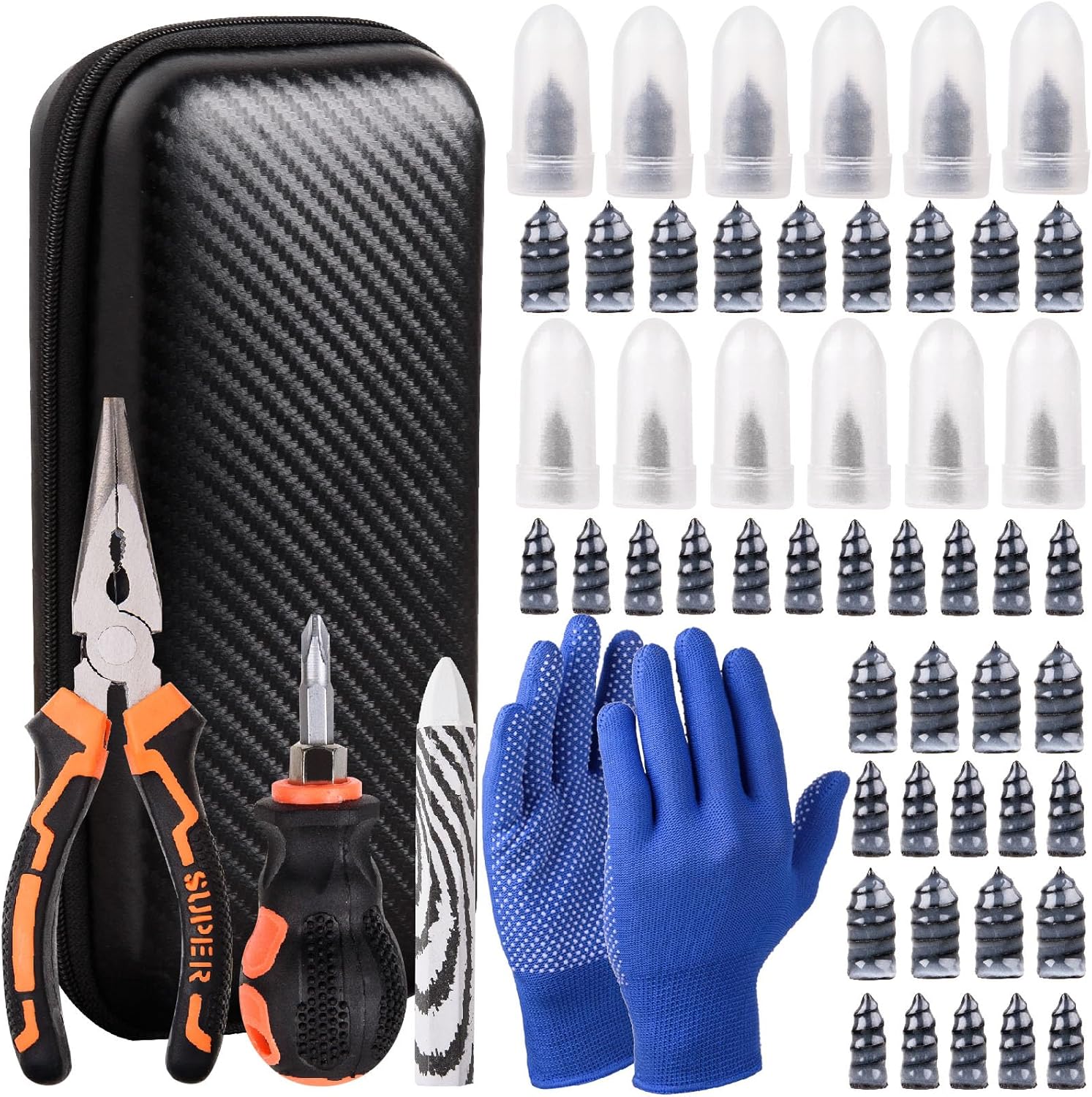
This tire sidewall puncture repair kit fixes flats fast without removing the tire, helping you get back on the road in minutes. It includes self-tapping repair nails, essential tools, gloves, and a portable storage bag for convenient roadside use. Designed for tubeless tires, it helps create a tight, leak-resistant seal for cars, motorcycles, trucks, SUVs, and ATVs.
Essential Tire Maintenance Tips Following a Repair
After a tire repair, monitor the tire more closely for the next few weeks. A good repair should hold pressure. If the tire loses pressure, bubbles during a soapy-water test, or triggers the TPMS warning again, have it inspected before driving at highway speed.
Regular Pressure Checks
Check your tire pressure when the tires are cold, meaning the car has been parked for at least three hours or has been driven only a short distance. Use the pressure listed on the driver-side tire label or in your Honda owner’s manual. Many Accord trims fall in the low-to-mid 30 psi range, but the label on your car is the number that matters.
After a repair, check the repaired tire the next day, again after several drives, and at least once a month after that. Keep a basic maintenance log if the tire has been repaired, because repeated pressure loss is a sign that the repair is not holding.
Inspect for Damage
Look closely at the repaired area and the rest of the tire. Check for cuts, cracks, bulges, uneven wear, embedded objects, and fresh air loss. If the plug starts to lift, the tire loses air, or the Accord feels unstable, stop using the tire until a technician inspects it.
| Damage Type | Signs to Look For | Next Steps |
|---|---|---|
| Cuts | Visible slices or torn rubber | Replace if deep, long, or near the sidewall. |
| Cracks | Dry, split, or weathered rubber | Have the tire inspected, especially if cracks are deep. |
| Punctures | Air loss, hissing, or bubbles during leak test | Repair only if in the main tread and small enough. |
| Uneven Wear | Shaking, cupping, feathering, or one-sided wear | Check alignment, balance, suspension, and inflation pressure. |
| Bulges | Raised bubble on sidewall or tread | Replace the tire. Do not plug or patch a bulge. |
Rotate Tires Periodically
Regular tire rotation helps reduce irregular wear and extend tire life. Follow your Accord owner’s manual for the correct interval and pattern. If Honda recommends rotation for your setup, a common interval is about every 5,000 to 8,000 miles, or sooner if uneven wear appears.
After a tire repair, ask the shop whether the tire should stay in its current position or be rotated. A repaired tire may still be usable, but the tire technician may recommend keeping it away from certain positions depending on the repair, tread depth, and tire condition.
Insurance Considerations for Tire Repairs and Replacements
Tire repairs are usually handled through a road hazard plan, tire warranty, or protection package rather than standard auto insurance. Check your purchase paperwork, Honda dealer plan, tire retailer plan, or credit card benefits before paying out of pocket.
Keep photos of the puncture, the tire size, tread condition, repair invoice, and replacement invoice if the tire cannot be repaired. Some road hazard plans cover repair but not replacement, while others prorate replacement based on tread depth. Also ask whether using sealant or a DIY plug affects warranty coverage before you request reimbursement.
Frequently Asked Questions
Can I drive on a plugged tire long-term?
You should not treat a DIY rope plug as a long-term repair. It is best used to reach home or a tire shop. A professional internal plug-patch may be acceptable for continued service if the puncture is small, in the repairable tread area, and the tire has no internal damage.
What types of punctures can be repaired with a plug?
A plug may work for a small nail or screw puncture in the main tread area. Do not plug sidewall damage, shoulder damage, large holes, long cuts, bulges, exposed cords, or a tire that was driven flat. When in doubt, replace the tire or get a professional inspection.
How often should I check my tire pressure after a repair?
Check it the next day, again after several drives, and at least once a month after that. Always check pressure when the tires are cold and use the recommended pressure on your Accord’s driver-side tire label or owner’s manual.
Will a tire plug affect my vehicle’s handling?
A correctly installed temporary plug in a repairable tread puncture may not create an obvious handling change. Still, any shaking, pulling, repeated TPMS warning, or pressure loss means you should stop driving normally and have the tire inspected.
What tools are essential for a DIY tire plug repair?
You need a tire plug kit, reamer, insertion tool, pliers, air compressor, tire pressure gauge, gloves, and soapy water for leak testing. A flashlight and wheel chock also make the job safer.
Should I use Honda’s tire sealant kit instead of a plug?
Use the factory sealant kit only if your owner’s manual says the damage is suitable for sealant. Sealant is temporary and may not work on sidewall damage, large punctures, bead leaks, or tires that will not hold pressure. Check your VIN for open Honda or NHTSA recalls before relying on the kit.
Conclusion
A Honda Accord tire plug can be useful when you have a small tread puncture and need a short-term way to restore air pressure. It is not a universal repair. Sidewall damage, shoulder punctures, large holes, bulges, exposed cords, repeated air loss, or tires driven flat need professional inspection or replacement. For the safest result, use a DIY plug only as a temporary roadside fix, then have the tire removed and inspected for a proper internal repair.
Sources
- NHTSA TireWise — tire pressure, tread, TPMS, rotation, and tire safety guidance.
- NHTSA Recalls — official VIN-based recall lookup for vehicle safety recalls.
- Honda Recall Lookup — Honda owner recall and service campaign lookup.
- Honda Accord Owner’s Manuals — model-specific tire pressure and tire repair kit instructions.
- Tire Rack Tire Puncture Repair Guidelines — repairable area, plug-patch, and tire puncture repair guidance.

Related Articles
How Tall Is a 305 70 R17 Tire? Exact Height, Width & Dimensions
Curious how tall a 305 70 R17 tire really is—and whether it fits your truck?
Read More
Can-Am Defender Tire Size Guide: Stock Specs & Upgrade Options
Just how big can you go on a Can-Am Defender before mods become necessary?
Read More
How Tall Is a 275 65 20 Tire? Exact Height, Width & Dimensions
Check the exact height, width, and hidden fitment effects of a 275/65R20 tire before you buy or upgrade.
Read More