
How to Clean and Protect Honda Accord Lug Nuts
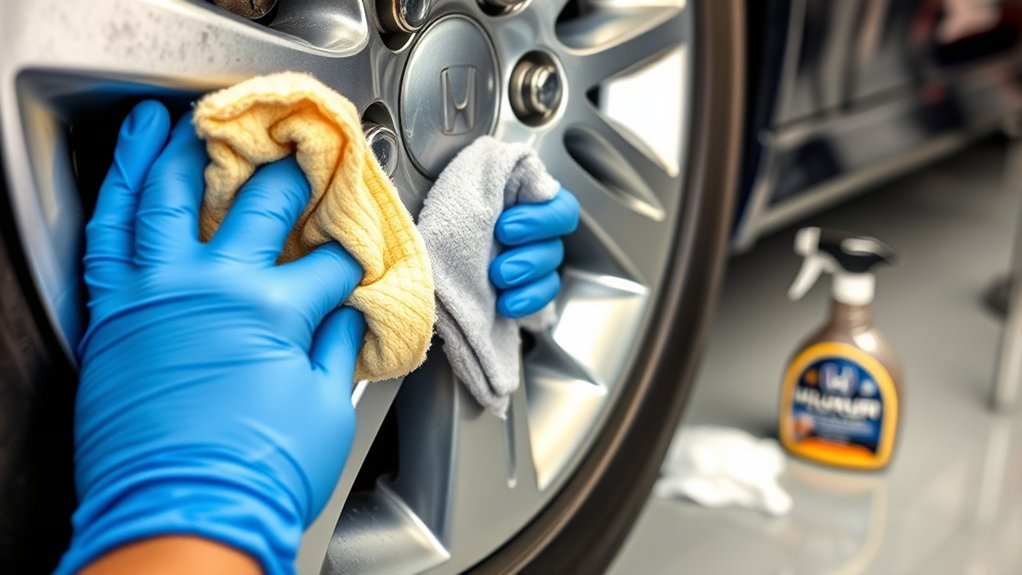
Rusty Honda Accord lug nuts are more than a cosmetic issue. Light surface rust can usually be cleaned, but rounded heads, swollen chrome caps, damaged threads, or deep pitting can make wheel removal harder and affect safe tightening. The safest approach is to inspect first, clean gently, protect only the exposed outer surfaces, and always tighten wheels with the correct torque from your owner’s manual.
Quick Answer
Clean Honda Accord lug nuts with a wheel-safe cleaner, a soft brush, and careful spot treatment for light rust. Use WD-40 only as a cleaner or penetrant, then wipe it off. Do not coat the threads, studs, lug seats, or brake parts. Replace lug nuts with deep rust, swelling, rounded corners, or damaged threads.
Key Takeaways
- Light surface rust on the outside of a lug nut can often be cleaned, but heavy pitting, swelling, cracked chrome, or thread damage means replacement is safer.
- Keep cleaners, WD-40, grease, wax, and Vaseline away from wheel studs, lug nut seats, wheel mounting surfaces, brake rotors, brake pads, and tire tread.
- After any wheel removal, start lug nuts by hand, tighten in a crisscross pattern, and finish with a torque wrench set to your Honda Accord owner’s manual specification.
- After seasonal tire changes or wheel installation, recheck the lug nut torque after a short drive, commonly around 50 km or 30 miles.
At a Glance
| Time Required | 15 to 45 minutes for cleaning; longer if lug nuts are seized or need replacement |
| Difficulty | Easy for exterior cleaning; moderate if wheels are removed |
| Tools Needed | Microfiber towels, wheel-safe cleaner, soft detailing brush, #0000 steel wool for light exterior rust, WD-40 or penetrant, correct socket, breaker bar, torque wrench, gloves, eye protection |
| Cost | Usually $10 to $40 for cleaning supplies; more if you need a torque wrench or replacement lug nuts |
Warning: Wheel fasteners are safety-critical. Do not lubricate lug nut threads, wheel studs, lug seats, or wheel mounting surfaces unless your Honda manual specifically tells you to. Do not allow WD-40, grease, wax, or petroleum jelly onto brake rotors, brake pads, or tire tread.
How to Inspect Your Honda Accord Lug Nuts for Rust
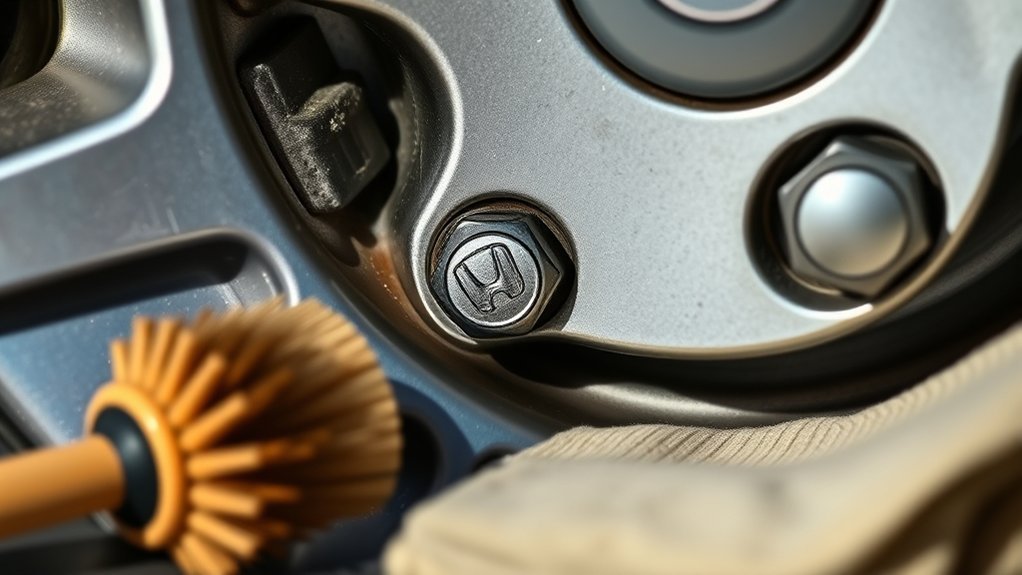
Start with a close visual check before you clean anything. Road salt, moisture, brake dust, and damaged chrome plating can all speed up corrosion, especially after winter driving. Use a flashlight and inspect each lug nut from several angles.
Look for these warning signs:
- Light orange surface rust: usually cosmetic and often cleanable.
- Pitting or flaking: a sign that corrosion is eating into the metal or coating.
- Swollen chrome caps: common on capped lug nuts and a frequent reason sockets no longer fit correctly.
- Rounded corners: the socket may slip, making removal unsafe or difficult.
- Damaged threads: the lug nut should be replaced, and the wheel stud should be inspected.
- Rust around the lug holes: corrosion or debris may be trapped between the lug nut and wheel.
If the lug nuts are only dirty or lightly stained, cleaning is reasonable. If they are badly pitted, swollen, cracked, or difficult to torque smoothly, replacement is the better choice.
Note: If your Accord has aftermarket wheels, confirm the correct lug nut style with the wheel maker. The lug nut seat must match the wheel design, and the torque value may differ from the original Honda wheel setup.
[Products Worth Considering]

These M14x1.5 closed-end chrome lug nuts are a one-piece replacement designed for secure fitment on compatible GM, Ford, and select Chrysler/Dodge models. Featuring a 60-degree conical seat and anti-rust chrome plating, they help resist corrosion and maintain a bright look for everyday driving. Built for long-term durability, they include OEM-style part references and are backed by 12 months of support.

This 1/2-inch drive breaker bar delivers powerful leverage for loosening and tightening stubborn lug nuts and automotive fasteners. The 180-degree flex head helps you reach tight spaces at the angle you need, making tire and brake jobs easier. A spring-loaded ball detent design holds 1/2-inch sockets securely while the chrome-moly head provides durable strength for everyday use.

The 22800 wheel stud installer makes replacing wheel studs quick and secure, saving time and effort during tire service. It uses a ratchet or impact wrench to pull new studs firmly into place, helping when existing studs are too long. Compatible with most automotive wheels and light-duty truck wheel studs, it’s designed for easy, tool-assisted installation.
Cleaning Rusty Lug Nuts: A Step-by-Step Guide
For light rust and grime, clean the lug nuts while they are installed on the vehicle. This lowers the chance of getting cleaner on the wheel studs or seating surfaces. If you need to remove a wheel, park on level ground, apply the parking brake, chock the opposite wheels, and support the vehicle with proper jack stands. Never work under a vehicle supported only by a jack.
- Rinse the wheel area first. Remove loose dirt, salt, and brake dust with water so you do not grind grit into the finish.
- Apply wheel-safe cleaner to a towel or brush. Clean the outside of each lug nut and the visible area around the lug hole.
- Use a soft detailing brush. Work around the edges of the lug nut where salt and grime collect.
- Spot-treat light rust. For stubborn surface rust on the outside of the lug nut, use #0000 superfine steel wool very gently. Stop if the chrome or coating starts to scratch or peel.
- Use WD-40 only where needed. If a lug nut has stuck-on grime or light corrosion, spray a small amount onto a rag or cotton swab, wipe the exterior, then wipe the area dry.
- Dry everything completely. Moisture left around lug holes can restart corrosion.
Do not flood the lug nut area with WD-40. It can help loosen and clean, but it is also a lubricant, so overspray must be kept away from brake parts, tire tread, wheel studs, and the lug nut seat.
Essential Maintenance for Honda Accord Lug Nuts
Good lug nut maintenance is simple: keep them clean, keep them dry, avoid damaging the finish, and tighten them correctly after any wheel work. This matters most in areas with winter salt, coastal air, or frequent wet driving.
Rust Prevention Techniques
The best rust prevention is regular washing and drying. After winter storms or salty roads, rinse the wheels and lug nut pockets when temperatures allow. Salt left around the lug holes can hold moisture and speed up corrosion.
After cleaning, you may apply a thin layer of wheel-safe wax, sealant, or chrome-safe protectant to the visible outer face of the lug nut only. Wipe away excess product. Do not coat the threads, wheel studs, lug nut seat, or wheel mounting face.
Cleaning Methods for Lug Nuts
Use the gentlest method that works. Strong scraping can remove protective plating and make future rust worse.
| Method | Tool Required | Best Use |
|---|---|---|
| Microfiber towel | Wheel-safe cleaner | Routine dirt, salt film, and brake dust |
| Soft detailing brush | Nylon or boar-hair brush | Cleaning around lug nut pockets |
| #0000 steel wool | Superfine steel wool | Light exterior surface rust only |
| WD-40 spot cleaning | WD-40 on a rag or swab | Stubborn grime or light corrosion on exposed surfaces |
Regular Inspection Practices
Inspect your Honda Accord lug nuts at least during tire rotations, seasonal tire changes, and after winter. A quick monthly look is smart if you drive in salted-road areas.
- Check the socket fit. If the correct socket no longer seats fully, the cap may be swollen or the corners may be rounded.
- Look for coating damage. Peeling chrome or exposed metal can allow rust to spread.
- Watch for uneven rust. One badly rusted lug nut may point to trapped moisture or a damaged wheel pocket.
- Document recurring issues. If the same wheel keeps showing corrosion, inspect the wheel finish and lug holes more closely.
How to Apply Protective Coatings to Prevent Rust on Lug Nuts
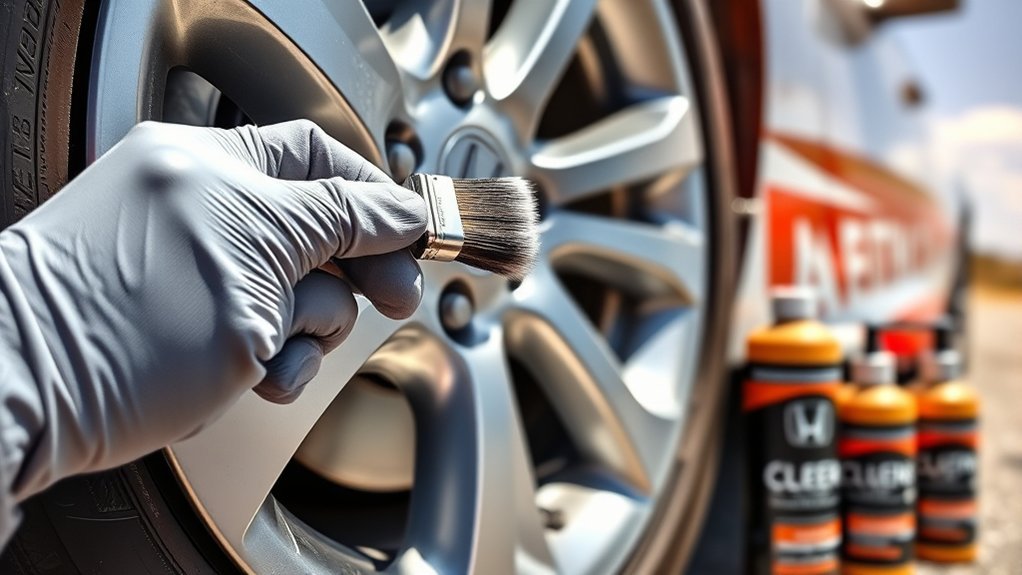
Protective coatings can help, but placement matters. The safe area is the visible outside of the lug nut after the wheel has been installed and torqued. The unsafe areas are the threads, studs, lug nut seat, brake parts, and wheel mounting surfaces.
Use this safer coating method:
- Clean and dry the lug nut exterior.
- Install the wheel and tighten the lug nuts correctly if the wheel was removed.
- After torquing, apply a tiny amount of chrome-safe protectant, wheel wax, or exterior rust inhibitor to a microfiber towel.
- Wipe only the exposed outer face and sides of the lug nut.
- Buff away extra product so it does not run into the lug hole.
Vaseline can create a moisture barrier on exterior metal, but it is messy and easy to overapply. If you use it, keep it extremely thin and only on the visible outside surface after torque is complete. A dedicated automotive protectant is usually cleaner and easier to control.
Pro Tip: The best rust prevention is not a heavy coating. It is regular washing, full drying, correct torque, and replacing damaged lug nuts before they become hard to remove.
Techniques for Safe Installation and Removal of Lug Nuts
Safe lug nut service is about control. Use the correct socket, avoid rushing, and finish with a torque wrench. Impact tools can be useful in shops, but they can also over-tighten, scuff, or damage lug nuts when used carelessly.
[Products Worth Considering]

The Trivd Frol 1/2" air impact wrench delivers high performance torque up to 1500 ft-lbs with a twin hammer impact mechanism for strong, balanced blows. It features an ergonomic grip, compact lightweight design, and quick-stop control with 3 forward speeds up to 8000 RPM plus a reverse speed. Built for demanding automotive repair and tire shop work, the rear exhaust helps keep debris away from the surface.

These aluminum alloy tire valve stem caps protect the valve core from corrosion and help prevent air leakage for more stable tire pressure. The rubber ring design helps support a secure, safe seal while adding a stylish look to your Honda wheels. Easy to install by hand, these caps are ideal for everyday driving and weather exposure.

This oesee 8-piece wheel care kit helps you clean, scrub, and dry wheels safely with purpose-built brushes and towels. The scratch-free microfiber wheel brush lifts brake dust and grime, while the stiff pro-grip tire brush removes tire browning and embedded dirt. A twist loop microfiber drying towel and an applicator help achieve a streak-free finish and cleaner, more even product application.
Proper Tool Selection
Use tools that fit cleanly and fully:
- Correct-size socket: The socket should sit squarely on the lug nut with no wobble.
- Six-point socket: A six-point socket grips better than a twelve-point socket and lowers the risk of rounding.
- Breaker bar: Use it for controlled loosening when a lug nut is tight.
- Torque wrench: Use it for final tightening to the specification in your Honda Accord owner’s manual.
If a socket does not fit because the lug nut cap is swollen, do not hammer randomly or force the wrong size. A tire shop or mechanic can remove swollen or damaged lug nuts with less risk to the wheel and stud.
Safe Removal Techniques
If you are removing a wheel, loosen the lug nuts slightly while the tire is still on the ground. Then lift and support the vehicle correctly. Remove the lug nuts by hand once they are loose enough.
If a lug nut will not move, stop before you round it off. A controlled penetrant application on the outside can help, but avoid soaking the brake rotor or pads. If the nut is severely seized, professional removal is safer than breaking a wheel stud at home.
Installation Best Practices
When reinstalling a wheel, clean dirt and heavy rust from the mounting area without adding lubricant. Start every lug nut by hand so you do not cross-thread the stud. Tighten in a crisscross pattern so the wheel seats evenly.
- Thread each lug nut by hand until it seats lightly.
- Snug the lug nuts in a crisscross pattern.
- Lower the vehicle enough for the tire to touch the ground without full vehicle weight shifting abruptly.
- Set your torque wrench to the Honda Accord specification in your owner’s manual.
- Tighten in the same crisscross pattern until the torque wrench clicks or indicates the set torque.
- After a wheel installation, rotation, or seasonal tire swap, recheck torque after a short drive, commonly around 50 km or 30 miles.
Simple Tips for Keeping Your Lug Nuts Rust-Free
Keeping Honda Accord lug nuts rust-free comes down to small habits. Rinse the wheel area after salty driving, avoid harsh cleaners that attack chrome or coatings, and dry the lug pockets instead of letting water sit around the nuts.
- Wash after winter storms: Salt residue is one of the biggest causes of corrosion around wheels.
- Dry the lug nut pockets: A microfiber towel or air blower helps remove trapped moisture.
- Avoid harsh abrasives: Scratching through plating can make rust return faster.
- Use hand tools for final tightening: A torque wrench gives better accuracy than guessing with an impact gun.
- Replace in sets when needed: If several lug nuts are swollen or rusty, replacing all on that wheel can prevent future service problems.
Also watch for vibration, clicking, or wheel wobble after tire work. If anything feels wrong, stop driving and have the wheel torque and lug nuts checked.
When to Replace Rusty Honda Accord Lug Nuts
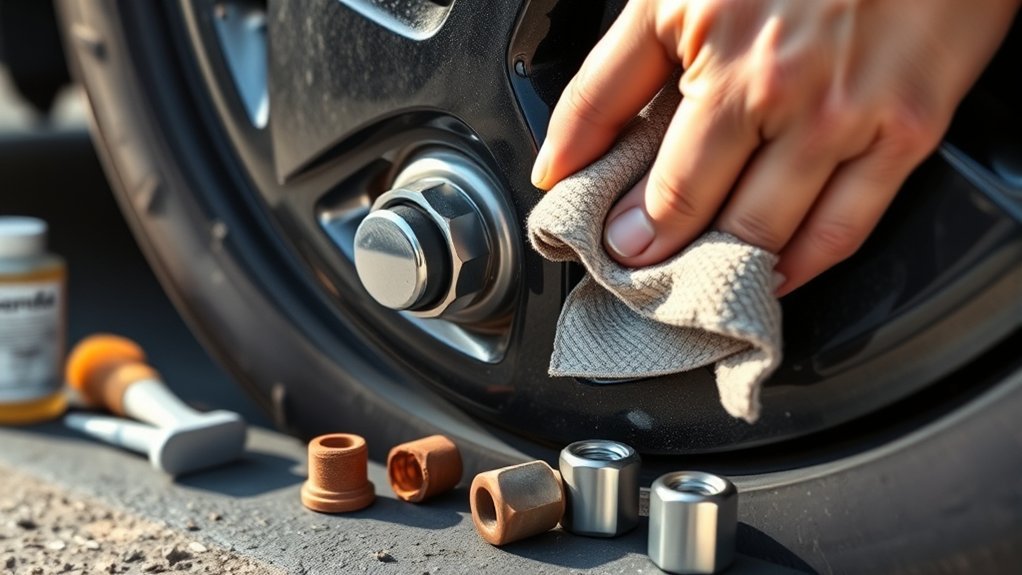
Replace rusty Honda Accord lug nuts when cleaning will not restore a safe shape, fit, or seating surface. Lug nuts are inexpensive compared with the damage caused by a stuck, stripped, or improperly tightened wheel fastener.
If the correct socket no longer fits cleanly, or the lug nut cannot be tightened smoothly to the correct torque, replacement is safer than trying to save it.
Replace the lug nut if you see any of these issues:
- Deep pitting: The metal surface is no longer smooth and solid.
- Flaking or peeling chrome: The coating has failed and may trap moisture.
- Swollen cap: The socket does not seat fully or needs to be forced on.
- Rounded corners: The lug nut may strip during future removal.
- Damaged threads: The nut does not spin on smoothly by hand.
- Damaged seat: The contact area that clamps the wheel is worn, rusty, or distorted.
Use replacement lug nuts that match your Accord’s model year, wheel type, thread size, seat style, and torque requirements. For factory wheels, check your Honda owner’s manual or confirm with a Honda parts department. For aftermarket wheels, follow the wheel manufacturer’s lug nut requirements.
Frequently Asked Questions
How do I protect Honda Accord lug nuts from getting scratched?
Use the correct six-point socket, make sure it is fully seated, and avoid rushing with impact tools. You can wrap the outside edge of a socket with tape to reduce scuffs near the wheel pocket, but do not let tape interfere with the socket’s grip on the lug nut.
Should you put WD-40 on lug nuts?
You can use a small amount of WD-40 to help clean the exposed outside of a lug nut or to help with a stuck fastener, but wipe away residue and control overspray. Do not leave WD-40 on threads, studs, lug seats, brake rotors, brake pads, tire tread, or wheel mounting surfaces.
Should you put lubricant on Honda Accord lug nuts?
Do not lubricate the lug nut threads, wheel studs, or lug nut seating surface unless the Honda service information for your exact vehicle says to do so. Lubrication can change how much clamping force you get from a given torque reading. Tighten clean, dry fasteners to the specification in your owner’s manual.
What can I spray on lug nuts to prevent rust?
For the visible outside of the lug nut, you can use a light automotive protectant, wheel wax, or a carefully applied rust-prevention product. Spray it onto a towel first, then wipe the outer surface. Avoid direct spraying into the lug hole because product can migrate onto threads, seats, studs, or brake parts.
Can rusty lug nuts make a wheel unsafe?
Light surface rust on the outside is usually not an immediate safety problem. Severe rust, damaged threads, a distorted seat, rounded corners, or swollen caps can make proper removal and tightening difficult. Replace questionable lug nuts before they become stuck or fail to torque correctly.
How often should I inspect Honda Accord lug nuts?
Inspect them during tire rotations, seasonal tire changes, and after winter road-salt exposure. If you live in a snowy or coastal area, a quick monthly check around the wheels is a smart habit.
Conclusion
Keeping Honda Accord lug nuts rust-free starts with regular inspection, gentle cleaning, and careful protection of only the exposed outer surfaces. Avoid putting lubricants or greasy coatings on threads, studs, lug seats, wheel mounting surfaces, or brake parts. If the lug nuts are swollen, rounded, deeply pitted, or difficult to torque smoothly, replace them. After any wheel removal, use the correct socket, tighten in a crisscross pattern, and finish with a torque wrench set to your Honda owner’s manual specification.
Sources
- Honda Owner’s Manuals — model-specific wheel, tire, spare tire, and torque information.
- Continental Tires: Retorquing wheels — torque wrench use, crisscross tightening, and retorque guidance after wheel installation.
- WD-40 Multi-Use Product — product functions for rust/corrosion protection, moisture displacement, and stuck-part penetration.
- NHTSA TireWise — tire safety, tire maintenance, and inspection guidance.
- Connecticut road brine and corrosion explainer — chloride-based winter deicers and vehicle corrosion context.
[Products Worth Considering]

Upgrade your wheels with MIKKUPPA closed-end lug nuts designed for reliable fit and corrosion resistance. The one-piece, cold-forged and heat-treated steel construction helps resist rust and stripping, while the integrated finish delivers a durable black appearance. Built to OEM standards with a conical 60-degree seat, these nuts provide a secure solution for compatible Ford, Honda, Jeep, and Chevrolet models.
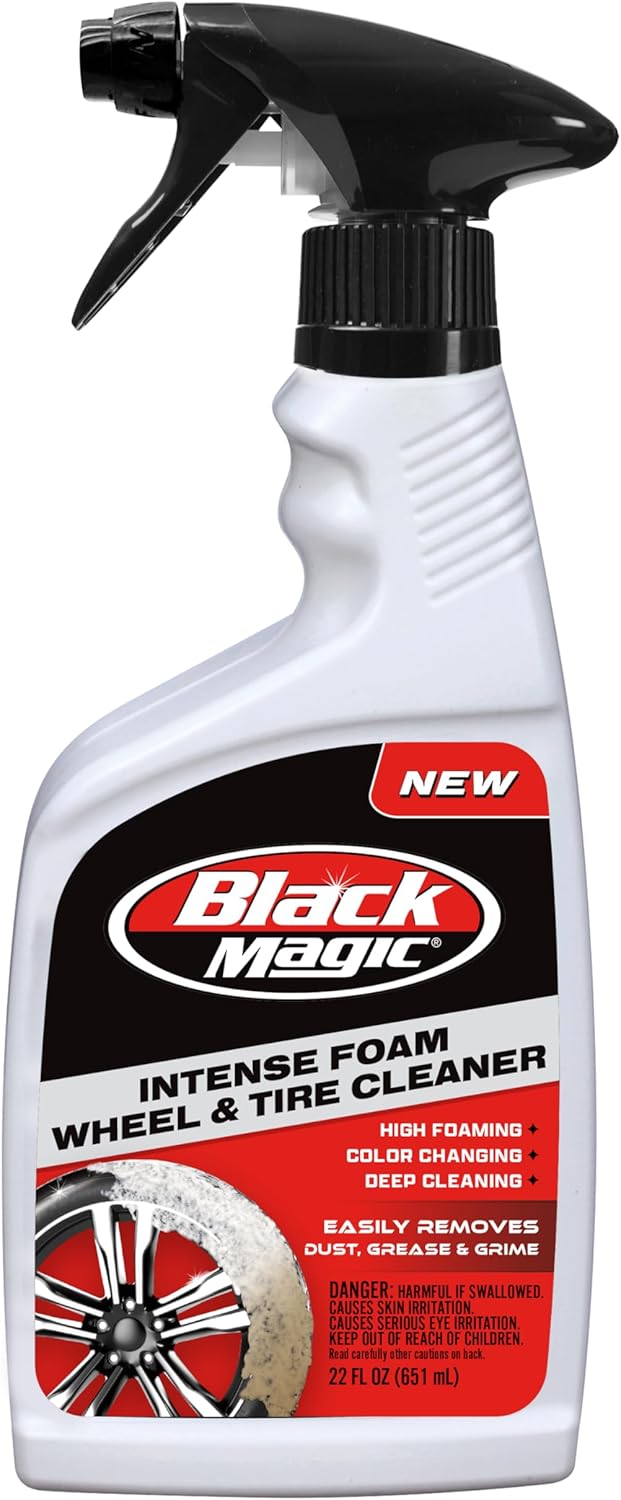
Black Magic Intense Foam Wheel & Tire Cleaner uses a high-foaming action to lift away dirt, grime, and brake dust without scrubbing. The color-changing formula helps show contaminants being dissolved as foam turns from white to brown. Safe for all wheel types and even wheel wells, it leaves a like-new, slick finish with a fresh cherry scent.

This professional wheel and rim brush kit makes it easy to lift brake dust, grime, and dirt from wheels and tires without scratching finishes. The brushes feature soft, metal-free wool heads and a flexible 360-degree rim brush design for reaching hard-to-clean areas. Includes multiple brush types plus accessories for thorough car, motorcycle, and general vehicle detailing.

Related Articles
How Tall Is a 305 70 R17 Tire? Exact Height, Width & Dimensions
Curious how tall a 305 70 R17 tire really is—and whether it fits your truck?
Read More
Can-Am Defender Tire Size Guide: Stock Specs & Upgrade Options
Just how big can you go on a Can-Am Defender before mods become necessary?
Read More
How Tall Is a 275 65 20 Tire? Exact Height, Width & Dimensions
Check the exact height, width, and hidden fitment effects of a 275/65R20 tire before you buy or upgrade.
Read More