
Honda Accord Snow Tires: How They Work and When to Use Them
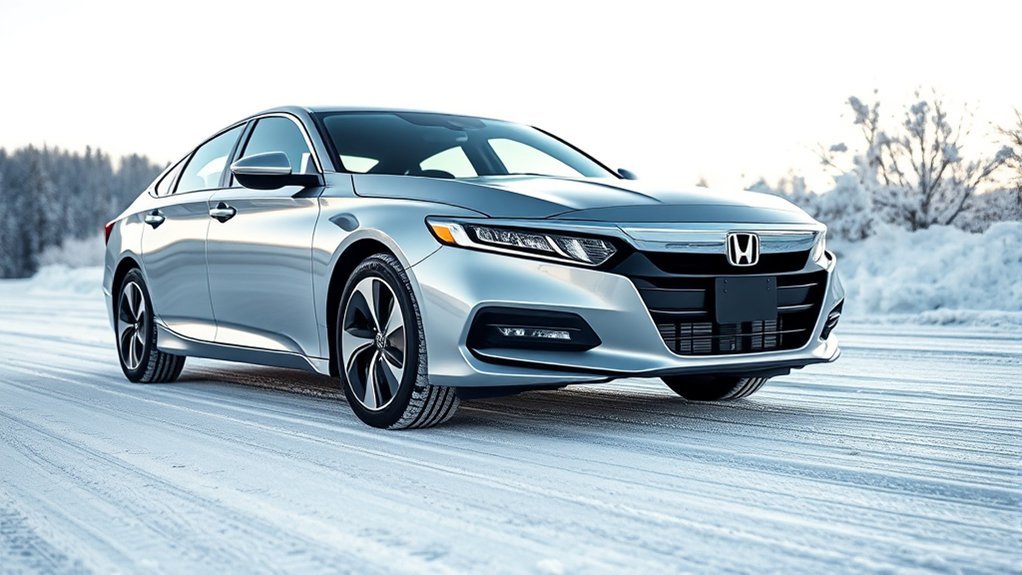
Honda Accord snow tires, more accurately called winter tires, can make cold-weather driving safer and more predictable when temperatures drop, roads get icy, or snow starts to build up. The Accord is a capable front-wheel-drive sedan, but its tires still decide how well it can brake, turn, and pull away on winter roads.
Quick Answer
Honda Accord snow tires improve winter performance by staying more flexible in cold weather and using tread patterns designed to grip snow, slush, and ice. For best results, install a matching set of four winter tires before temperatures stay near 45°F or lower, and always confirm the correct size on your door placard or owner’s manual.
Key Takeaways
- Use a full set of four winter tires, not just two, to keep braking and handling balanced.
- Switch to winter tires when temperatures are consistently around 45°F or lower, not only after the first big snowstorm.
- Check your Honda Accord’s driver-door tire placard and owner’s manual before buying tires or chains.
- Look for the three-peak mountain snowflake (3PMSF) symbol for severe-snow-service performance.
- Chains or cables should be used only when legal, required, and compatible with your Accord’s clearance.
At a Glance
| Time Required | About 30–60 minutes at a tire shop, or longer if you are mounting tires on separate wheels at home. |
| Difficulty | Easy if a shop installs them; moderate if you swap a mounted wheel-and-tire set yourself. |
| Tools Needed | Tire-pressure gauge, tread-depth gauge, torque wrench if changing mounted wheels, and your Accord owner’s manual. |
| Cost | Usually several hundred dollars for four tires, with added cost for installation, balancing, wheels, or TPMS sensors. |
How Do Honda Accord Snow Tires Improve Winter Performance?

Winter tires help your Honda Accord because they are built for the conditions where regular all-season tires start to lose their edge: cold pavement, packed snow, slush, and ice. Their rubber compounds are designed to remain more flexible in low temperatures, and their tread blocks, grooves, and sipes create more biting edges for winter grip.
This can improve three important parts of winter driving: braking, cornering, and starting from a stop. On a front-wheel-drive Honda Accord, that extra front-tire grip is especially helpful because the same front tires handle steering, acceleration, and much of the braking load.
That said, snow tires are not magic. They cannot overcome excessive speed, black ice, worn tread, or low ground clearance. They give you a better safety margin, but you still need to slow down, leave more following distance, and drive smoothly.
Winter tires improve the tire’s ability to grip cold roads, but safe winter driving still depends on speed, spacing, visibility, and road conditions.
[Products Worth Considering]

The Kurgo Seasonal Tire Tote helps protect your car interior, clothes, and garage from tire grime, brake dust, and residue during seasonal tire changes. Its universal design fits most passenger tires between 22" and 31" in diameter, making storage and transport simpler with less mess. Built for rugged, repeated use, it’s machine washable for easy care and comes with a lifetime warranty.

Monitor tire tread wear with a smart, color-coded depth gauge that shows clear condition ranges at a glance. The bar is range marked for fast, easy readings, helping you maintain safer traction and performance. Each gauge is portable with a pocket clip, and the set includes 20 units for daily use and sharing.

The SAFELIFE dial tire tread depth gauge measures tread depth in 1/32 inch increments with clear, easy-to-read 2-inch dial face. Color zones using a traffic light system help you quickly judge whether tread is low, marginal, or ample for safer driving. Built with a durable zinc cast body and a metal detect probe for precise, comfortable use across cars, motorcycles, trucks, and buses.
Snow Tires vs. Winter Tires: What Should Accord Owners Know?
Most drivers use the terms snow tires and winter tires interchangeably. Modern winter tires are not only for deep snow. They are designed for cold weather, slush, ice, packed snow, and freezing pavement.
When shopping, look for the three-peak mountain snowflake symbol, often shortened to 3PMSF. This marking means the tire meets a severe-snow-service performance standard. An M+S marking alone means mud and snow tread geometry, but it does not prove the same severe-snow traction level. Tire Rack explains the 3PMSF symbol in its three-peak mountain snowflake guide.
Note: A tire can be new, expensive, and highly rated but still be wrong for your Accord if the size, load index, speed rating, or wheel clearance does not match your vehicle.
Key Features of Good Honda Accord Snow Tires
The best snow tires for a Honda Accord are the ones that fit correctly, carry the right load rating, and match the winter conditions you actually drive in. Focus on these features before choosing a brand:
- Correct size and load rating: Check the driver-door tire placard, current tire sidewall, and Honda owner’s manual before buying. Accord tire sizes vary by year, trim, and wheel package.
- 3PMSF rating: Choose a tire with the three-peak mountain snowflake symbol if you regularly face snow, ice, or freezing roads.
- Deep grooves and open channels: These help move slush and snow away from the tread to reduce sliding and improve road contact.
- Siping: Small cuts in the tread create biting edges that can help grip packed snow and icy surfaces.
- Cold-weather rubber compound: A winter compound stays more flexible in cold temperatures than a typical warm-weather tire.
- Balanced set of four: Install winter tires on all four wheels so the car brakes, turns, and reacts predictably.
Pro Tip: If you keep your Accord for several winters, a second wheel-and-tire set can make seasonal swaps easier and reduce repeated mounting wear on the tire bead.
When Is the Right Time to Switch to Snow Tires?
Install snow tires when temperatures are consistently around 45°F or lower, even if snow has not arrived yet. Cold pavement alone can reduce the performance of many all-season tires. Waiting until the first storm can leave you stuck in a rush with tire shops already booked.
Use these timing cues:
- Temperature: Switch when daily temperatures regularly stay near 45°F or below.
- Forecast: Install before the first meaningful snow or ice event, not during it.
- Travel plans: Switch earlier if you drive through mountains, rural roads, or lake-effect snow areas.
- Local rules: Some regions require winter tires, chains, or traction devices during certain dates or road conditions.
Remove winter tires when temperatures are consistently warm again. Driving winter tires through hot weather can make them wear faster and feel softer during steering and braking.
Maintaining Your Snow Tires in Winter
Snow tires work best when they are properly inflated, rotated, and inspected. A neglected winter tire can lose much of the advantage you paid for.
Inspecting Tire Condition
Check your snow tires at least monthly and before long winter trips. Focus on:
- Tread depth: For strong winter performance, many tire experts recommend replacing winter tires before they reach shallow tread depths. A common snow-performance benchmark is around 6/32 inch, even though general legal minimums may be lower.
- Tire pressure: Cold weather can lower tire pressure. The National Highway Traffic Safety Administration advises checking tires regularly and using the vehicle’s recommended cold pressure.
- Sidewall damage: Look for cuts, bubbles, cracking, or embedded objects.
- Uneven wear: Feathering, cupping, or one-sided wear can point to alignment, suspension, or inflation problems.
- Age: Even with tread left, older tires can harden or crack. Check the DOT date code if you are buying used or reusing old winter tires.
Proper Tire Storage
When winter ends, store your snow tires correctly so they are ready for the next season:
- Clean off road salt, grime, and brake dust before storage.
- Store tires in a cool, dry place away from direct sunlight, heat, motors, and ozone sources.
- Use tire bags or covers to reduce dust and moisture exposure.
- If tires are mounted on wheels, you can stack them flat or hang them. If they are unmounted, store them upright and rotate their position occasionally.
- Check for damage before reinstalling them next winter.
Benefits and Limits of Tire Chains for Your Honda Accord Snow Tires
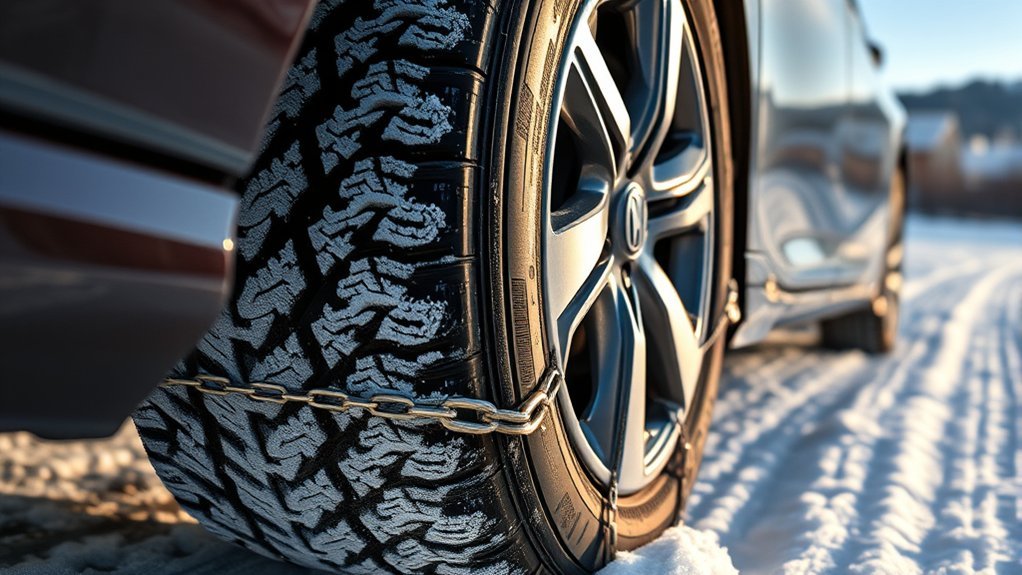
Tire chains or cable-style traction devices can add grip in severe snow or ice, especially on mountain roads where chain controls are active. They can help a Honda Accord move through conditions where winter tires alone may not be enough.
Warning: Do not install chains or cables on your Honda Accord unless your owner’s manual allows them for your tire size. Incorrect chains can damage brake lines, suspension parts, body panels, or wheel wells.
If your Accord manual permits traction devices, follow the manual’s placement instructions. On many front-wheel-drive vehicles, approved chains or cables go on the front tires, but the manual is the final authority. Also obey road signs and local rules. For example, Caltrans explains R-1, R-2, and R-3 chain-control levels in its chain control guidance.
When using chains or cables, drive slowly, avoid sudden steering or braking, and remove them when you return to bare pavement. Chains are a temporary traction tool, not a substitute for proper tires or cautious winter driving.
[Products Worth Considering]

Measure tire tread depth quickly and accurately with this LUMITECO dial gauge that reads in 1/32" increments up to 14/32". The color-coded green/yellow/red zones make it easy to judge tire wear and know when replacement is needed. A rugged, compact design with a protective pouch helps keep the gauge ready for use on cars, trucks, motorcycles, and more.
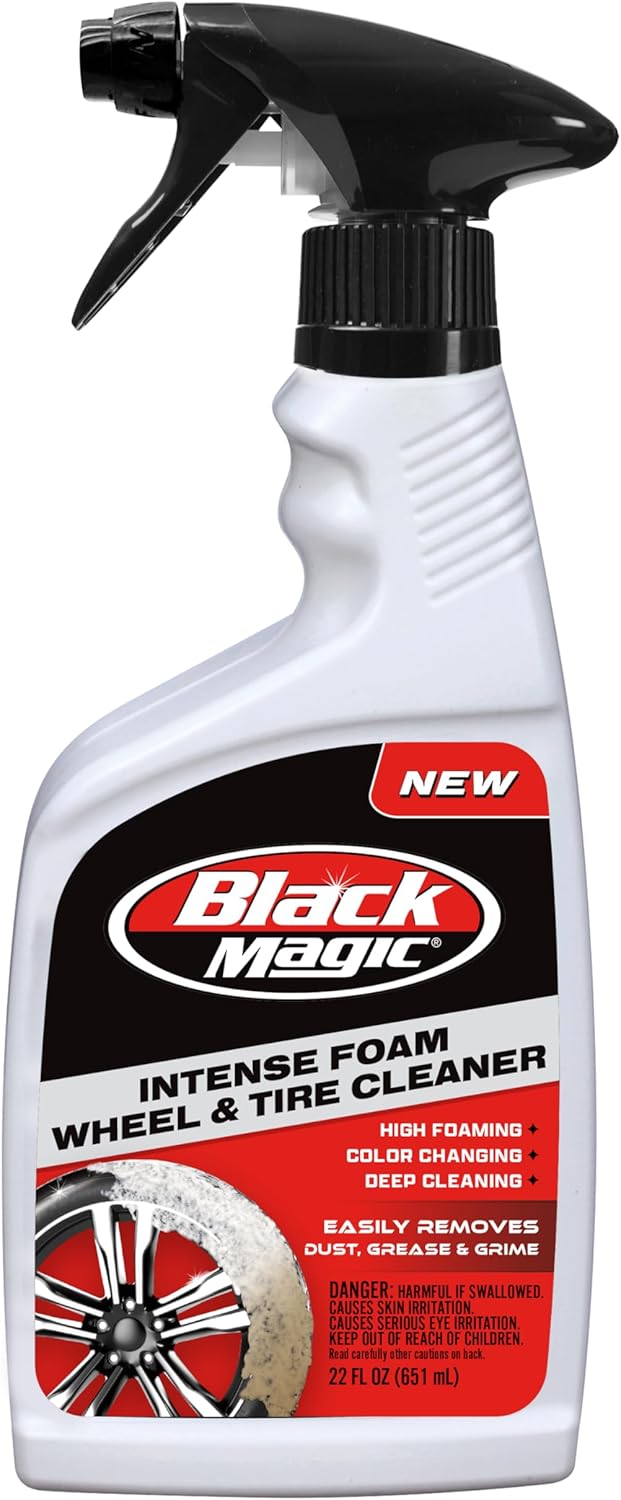
Black Magic Intense Foam Wheel & Tire Cleaner uses a high-foaming action to lift away dirt, grime, and brake dust without scrubbing. The color-changing formula helps show contaminants being dissolved as foam turns from white to brown. Safe for all wheel types and even wheel wells, it leaves a like-new, slick finish with a fresh cherry scent.

This professional wheel and rim brush kit makes it easy to lift brake dust, grime, and dirt from wheels and tires without scratching finishes. The brushes feature soft, metal-free wool heads and a flexible 360-degree rim brush design for reaching hard-to-clean areas. Includes multiple brush types plus accessories for thorough car, motorcycle, and general vehicle detailing.
Choosing the Best Snow Tires for Your Accord
Choosing Honda Accord snow tires is less about chasing one “best” model and more about matching the tire to your car, climate, and driving habits.
Step 1: Confirm Your Accord’s Tire Size
Look at the tire placard on the driver’s door jamb. It lists the original tire size and recommended cold tire pressure. Also check your owner’s manual through Honda’s official owner manual portal. If your car has aftermarket wheels, confirm fitment with a qualified tire shop.
Step 2: Match the Tire to Your Winter Conditions
- Cold rain and light snow: A performance winter tire may feel more responsive on cleared roads.
- Frequent snow and ice: A studless ice-and-snow winter tire usually offers stronger grip.
- Mountain travel: Choose a 3PMSF-rated winter tire and carry approved chains or cables if local law requires them.
- Mostly warm winter driving: If temperatures rarely stay near freezing, a high-quality all-weather tire may be worth comparing, but it is not the same as a dedicated winter tire.
Step 3: Check Load Index, Speed Rating, and TPMS
The tire’s load index and speed rating must be appropriate for your Accord. If you buy a second wheel set, remember that newer Accords use tire-pressure monitoring. You may need compatible TPMS sensors so the warning light works correctly.
Step 4: Install All Four Tires
Do not put winter tires only on the front axle. Mixing winter tires with all-season tires can make the Accord feel unstable because the front and rear tires may grip differently during braking, cornering, and emergency maneuvers.
Debunking Myths About Snow Tires for Honda Accord
Myth 1: All-Season Tires Are Always Enough
All-season tires are built as a compromise. Some work well in mild winter weather, but they usually cannot match dedicated winter tires in cold, snowy, or icy conditions. If your Accord regularly sees freezing roads, winter tires are the safer choice.
Myth 2: Snow Tires Only Help in Heavy Snow
Winter tires can help even when the road is only cold, wet, slushy, or lightly dusted. Their main advantage is not just deep-snow tread; it is the combination of cold-weather compound, tread design, and siping.
Myth 3: Front-Wheel Drive Means You Do Not Need Winter Tires
Front-wheel drive helps an Accord pull away from a stop because weight sits over the drive wheels. But it does not replace tire grip, and it does not shorten stopping distance on ice. Winter tires help the car brake and turn, not just accelerate.
Myth 4: Turning Off Traction Control Is a Winter Driving Strategy
Leave traction control on for normal winter driving. If you are stuck and the wheels will not move the car, briefly reducing traction-control intervention may help you rock the car free, but turn it back on once you are moving. Do not use this as a routine driving technique.
Myth 5: Narrower Tires Are Always Better
A slightly narrower winter tire can sometimes improve snow pressure and reduce floating, but only if it is an approved size for your Accord. Never guess on tire size. Confirm fitment, load rating, brake clearance, and wheel compatibility first.
Frequently Asked Questions
Can I use snow tires year-round on my Honda Accord?
You should not use snow tires year-round. Winter tires wear faster in warm weather and can feel less precise during warm-weather braking and cornering. Switch back to all-season, summer, or all-weather tires when temperatures stay consistently warm.
How long do snow tires typically last?
Many snow tires last about three to four winter seasons, but lifespan depends on mileage, driving style, alignment, road surface, storage, and how early you remove them in spring. Check tread depth and tire age each season.
Are snow tires noisy on dry roads?
Some snow tires are noisier than all-season tires because their tread blocks and grooves are designed for winter grip. Modern winter tires are much quieter than older designs, but you may still notice more hum on dry pavement.
Do snow tires require different air pressure?
Usually, no. Use the cold tire pressure listed on your Honda Accord’s driver-door placard unless your owner’s manual, tire installer, or tire manufacturer gives different instructions for a specific winter wheel-and-tire package. Check pressure often because cold weather lowers PSI.
Can I mix snow tires with all-season tires?
It is not recommended. Mixing snow tires with all-season tires can create uneven grip between the front and rear axles, making the car harder to control during braking, cornering, or emergency maneuvers. Use four matching winter tires.
Do I still need chains if I have snow tires?
Sometimes. Snow tires may satisfy some winter-road rules, but certain mountain passes or severe chain-control conditions may still require approved chains or cables. Check local road rules and your Accord owner’s manual before using any traction device.
Are used snow tires safe for a Honda Accord?
Used snow tires can be safe only if they are the correct size, have enough tread, are evenly worn, have no cracks or repairs in unsafe areas, and are not too old. Inspect the DOT date code and have a tire professional check them before installation.
Conclusion
Honda Accord snow tires are one of the best upgrades you can make for cold-weather control. They help your Accord brake, turn, and accelerate more confidently on winter roads, especially when temperatures stay near freezing or below. Choose a full set of four tires in the correct size, look for the 3PMSF symbol, maintain proper cold tire pressure, and check your owner’s manual before using chains or cables. With the right setup and careful driving, your Accord will be much better prepared for winter’s unpredictable roads.
Sources
- National Highway Traffic Safety Administration — Winter Driving Tips — supports winter driving safety and tire-preparation guidance.
- National Highway Traffic Safety Administration — Tires — supports tire pressure, tread, and tire-safety checks.
- Tire Rack — Three-Peak Mountain Snowflake Symbol — supports 3PMSF severe-snow-service explanation.
- Caltrans — Chain Controls — supports R-1, R-2, and R-3 chain-control guidance where applicable.
- Honda Owners — Accord Owner’s Manual Portal — supports checking official Honda tire, pressure, and traction-device instructions.
- U.S. Tire Manufacturers Association — Tire Safety — supports tire inspection, maintenance, and safe tire-use guidance.
[Products Worth Considering]

The Big Rig Defense Tire Thumper is a truck tire pressure checker that lets you quickly check multiple tires by giving them a firm whack. Listen for a reassuring thump and feel the stick bounce when a tire is fully inflated, helping you get back on the road safely. It features a comfortable, glove-friendly handle and a secure wrist strap for confident use on busy routes.
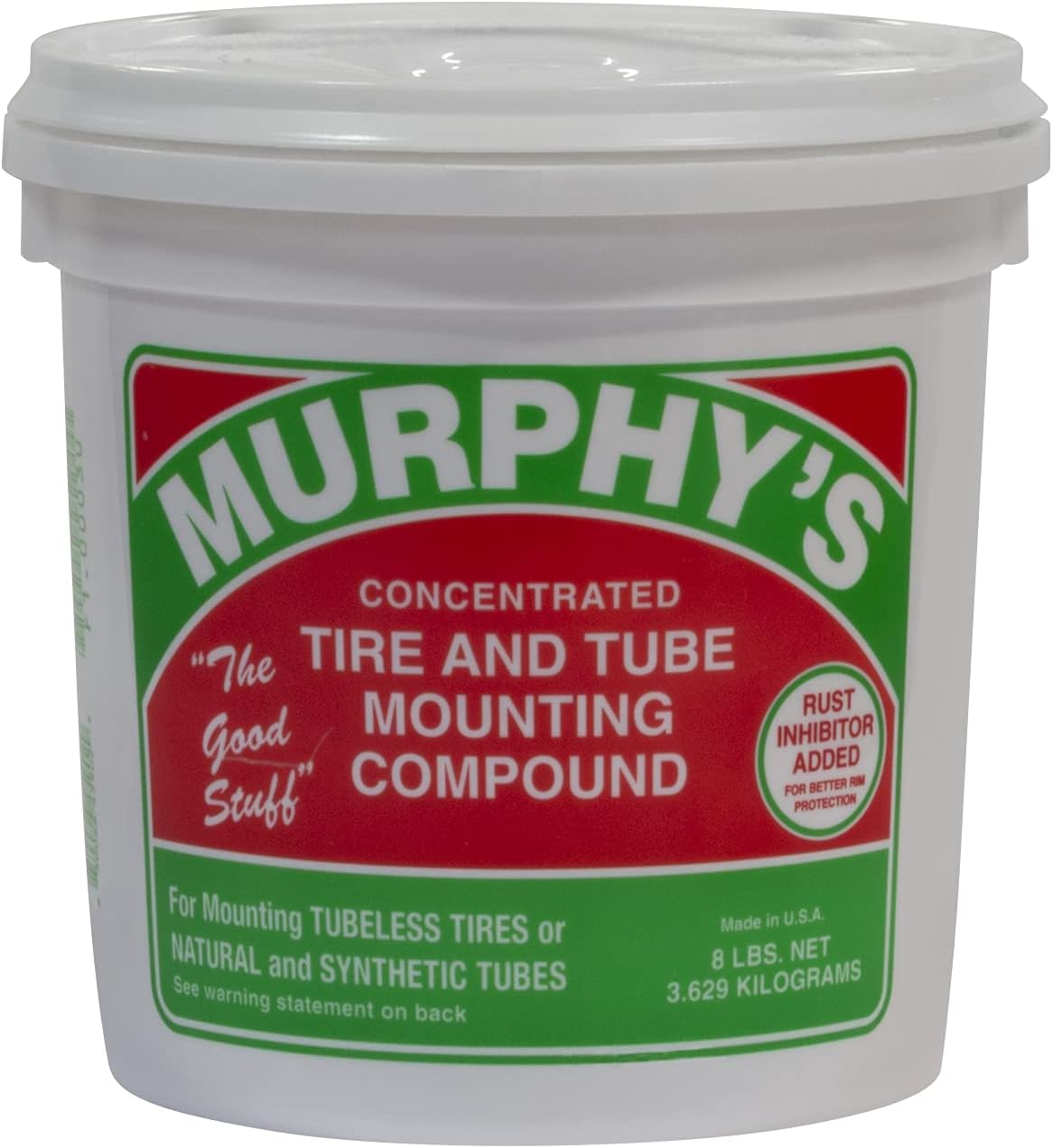
A concentrated tire and tube mounting compound designed to help simplify mounting rubber tires and tubes on passenger, semi truck, construction, and OTR applications. Its ultra-thick formula packs beads effectively and includes rust inhibitors to help protect against corrosion during use.

Milton S-921 pencil tire pressure gauge helps you maintain optimal tire pressure for passenger cars with accurate readings in PSI and kPa. It features a built-in deflator valve for convenient pressure adjustments, plus a single chuck head and nylon indicator bar for easy use on the go. Built from durable plated brass and designed for reliable performance, it’s a practical road trip and cold-weather maintenance tool.

Related Articles
How Tall Is a 305 70 R17 Tire? Exact Height, Width & Dimensions
Curious how tall a 305 70 R17 tire really is—and whether it fits your truck?
Read More
Can-Am Defender Tire Size Guide: Stock Specs & Upgrade Options
Just how big can you go on a Can-Am Defender before mods become necessary?
Read More
How Tall Is a 275 65 20 Tire? Exact Height, Width & Dimensions
Check the exact height, width, and hidden fitment effects of a 275/65R20 tire before you buy or upgrade.
Read More