
Tire Vibration at 50 MPH: Causes, Checks & Fixes
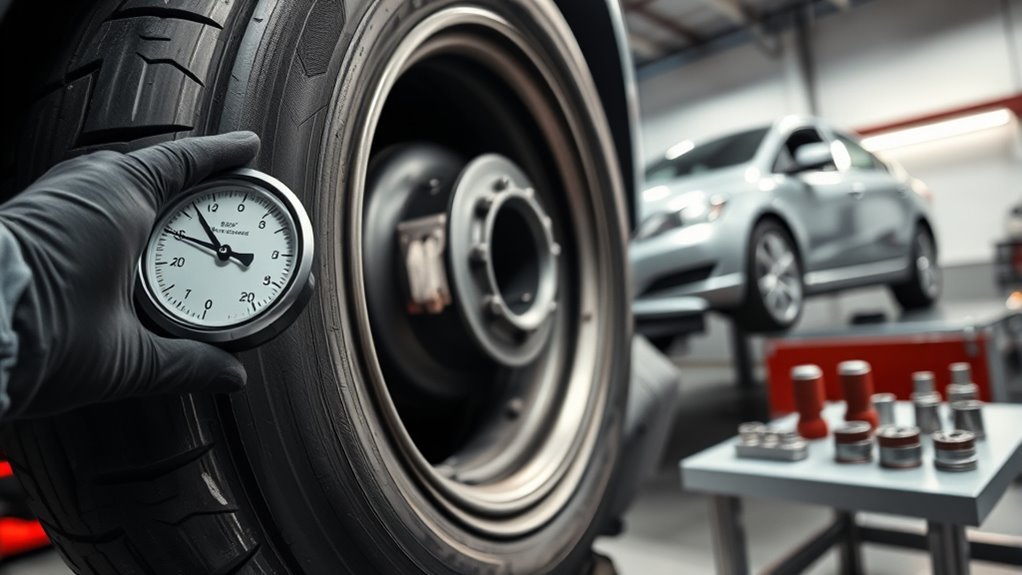
Quick Answer: Is It Tire Vibration at Speed?

Last updated: July 7, 2026. Reviewed against current tire-safety and maintenance guidance from NHTSA and major tire-service sources.
Quick Answer
Tire vibration usually feels like a steering-wheel shake, floor buzz, or seat vibration that appears at a repeatable speed, often around 50 to 70 mph. Start with cold tire pressure, tread damage, uneven wear, and rim damage. If the shake remains, the most likely next checks are wheel balancing, alignment, road-force balancing, and suspension or bearing inspection.
A shake at highway speed is a warning sign, not just a comfort problem. You may be feeling wheel imbalance, uneven tread, a bent rim, tire pressure error, or a worn steering or suspension part. This guide helps you separate tire-related vibration from alignment, brake, bearing, and chassis problems so you choose the right fix first.
What’s in This Article
- Quick Answer: Is It Tire Vibration?
- Checklist: Signs of Tire Vibration
- DIY Diagnosis: Visual Checks and Road Test
- Read Tire Wear Patterns: What to Look For
- Tire Balance, Alignment, and Wobble
- Road-Force Issues, Bent Rims, and Hidden Defects
- If Not Tires: Suspension, Steering, and Bearings
- Pro Diagnostics: What Mechanics Will Check
- Fixes and Costs for Tire Vibration
- Preventive Maintenance to Avoid Vibration
- When to Stop Driving and Call a Mechanic
- Frequently Asked Questions
- Conclusion
- References
Key Takeaways
- Check cold tire pressure first because low or uneven pressure can increase heat, irregular wear, and vibration.
- Inspect tread for cupping, feathering, flat spots, bulges, cracks, exposed cords, and uneven shoulder wear before you drive far.
- Balance the wheels if vibration starts near highway speeds and feels rhythmic.
- Schedule an alignment check if the car pulls, wanders, or wears tires unevenly.
- Ask for road-force testing when standard balancing fails to stop the shake.
- Stop driving if you see a tire bulge, exposed cords, tread separation, or severe shaking.
| Where You Feel It | Most Likely First Check | What to Do Next |
|---|---|---|
| Steering wheel shake at 50-70 mph | Front wheel balance, front tire wear, bent front rim | Inspect tires, then balance or road-force test |
| Seat or floor vibration at highway speed | Rear wheel balance, rear tire wear, driveline vibration | Rotate tires to see if the vibration moves |
| Shake while braking | Brake rotor or caliper issue | Inspect brakes before replacing tires |
| Vibration with humming or grinding | Wheel bearing, tire damage, or drivetrain part | Stop if severe and get a professional inspection |
You’ll often notice tire vibration above 50 mph as a buzz, shake, or steering tremor. Check tire pressure first. Use the pressure listed on the vehicle placard or owner manual, not the maximum pressure printed on the tire.
Next, inspect the tread for cupping, feathering, flat spots, exposed cords, bulges, and irregular wear from missed rotations or poor alignment. If the feeling continues after you correct pressure and the tread looks safe, ask a shop about road force imbalance. Standard balancing may not catch tire stiffness changes or out-of-round tire and wheel assemblies.
Temperature changes can also affect pressure and ride feel. Cold weather lowers tire pressure, while warm weather raises it, which changes the contact patch and may change when vibration starts. Watch for pulling to one side, because that can point to alignment trouble or a localized tire defect.
Follow a simple maintenance cadence. Check tire pressure monthly and before long trips. Rotate tires at the interval your vehicle maker recommends, often around 5,000 to 8,000 miles when rotation applies. Check balance and alignment when you notice wear, steering pull, or vibration.
Checklist: Signs of Tire Vibration
You’ll usually notice tire vibration as a steering wheel tremor that appears or gets worse at speed. Note the exact speed range, whether the shake feels steady or rhythmic, and whether it changes while braking, accelerating, coasting, or turning.
Inspect your tires for uneven wear patterns like cupping, scalloping, feathering, one-sided shoulder wear, or flat spots. These defects can cause persistent shakes and help you decide whether to start with balancing, alignment, or tire replacement.
Steering Wheel Tremor
A steering wheel tremor above about 50 mph often points to tire imbalance, a bent front wheel, an out-of-round tire, or alignment problems. Check for uneven wear patterns like cupping, feathering, or flat spots, then inspect tie rods and ball joints for play.
Pay close attention when you brake. If braking makes the shake worse, the cause may involve brake rotors instead of the tires alone. Road-test the car at steady, safe speeds and record when the vibration starts.
Balance the wheels, check alignment, and inspect the suspension before you assume the tires need replacement. Regular maintenance every 5,000 to 8,000 miles can reduce repeat vibration and help you catch wear sooner when your vehicle allows that rotation interval.
Uneven Tire Wear
Uneven tire wear, including cupping, feathering, flat spots, or irregular tread thinning, can cause steering-wheel vibration, pulling, noise, and poor ride quality. Inspect tires monthly, or sooner if the car starts to shake.
If you see uneven wear, act quickly. Missed tire rotation, misalignment, bad shocks, worn bushings, and loose steering parts can all create irregular tread patterns. Check pressures first, then verify camber, toe, bearings, shocks, and suspension bushings.
Rotate tires at the interval your vehicle maker recommends to help equalize wear and extend tire life. If maintenance doesn’t remove the vibration, ask a technician for a dynamic balance and alignment check. Replace any tire with structural damage, tread separation, exposed cords, or tread at the legal wear threshold.
DIY Diagnosis: Visual Checks and Road Test
Start with a quick tire visual inspection. Look for cupping, feathering, flat spots, bulges, cracks, cuts, exposed cords, embedded debris, and uneven tread that point to balance, alignment, or suspension problems.
Then perform a controlled road test. Feel for vibration at low speed and at a safe highway speed above 50 mph. Note whether the shake comes through the steering wheel, seat, floor, or dashboard.
If vibration continues after you correct pressure and see no obvious damage, suspect imbalance, alignment, bent rims, internal tire defects, brake issues, or worn steering parts. At that point, schedule professional road-force testing and a chassis inspection.
Quick Tire Visual Inspection
When you suspect vibration at speed, inspect each tire and rim before you drive far. Scan for cupping, flat spots, bulges, cuts, sidewall cracks, exposed cords, tread separation, and rim bends that could upset balance.
- Inspect tread for uneven wear patterns, including cupping, feathering, one-edge wear, and flat spots.
- Check for bulges, punctures, cuts, exposed cords, and sidewall cracking that create safety risks.
- Set tire pressure to the vehicle placard or owner manual specification.
- Measure tread depth and replace tires at 2/32 inch or sooner if damage makes the tire unsafe.
- Examine rims for bends or dents after pothole hits or curb impacts.
Warning: Don’t drive on a tire with a bulge, exposed cords, deep sidewall crack, suspected tread separation, or fast pressure loss.
Finish with a short road test only if the tires and rims look safe.
Steering Wheel Feel Test
After visual checks and pressure adjustments, drive on a straight, smooth road. Note how the steering wheel feels at different speeds, especially between 50 and 70 mph. Tire imbalance and bent wheels often show up in that range.
Keep the car steady and avoid sudden steering. If you feel a rhythmic wheel vibration that builds with speed, suspect wheel imbalance or a bent rim. A steady pull to one side points more toward alignment, uneven tire pressure, or worn suspension parts.
Vary throttle and brake inputs only when it is safe. If vibration changes during acceleration or braking, record those conditions. These notes help a shop target the right test first.
Highway Speed Roadcheck
Verify tire condition and pressure before any highway run. Incorrect inflation, embedded debris, cuts, or uneven wear can cause high-speed vibration and may make the test unsafe.
- Note the vibration onset speed and whether the shake feels constant or intermittent.
- Compare steering wheel tremble with seat or dashboard vibration.
- Confirm tire pressure and review tire rotation history.
- Inspect tie rods, ball joints, bushings, mounts, brakes, and wheel bearings after the drive.
Use your notes to separate likely tire and wheel issues from drivetrain or chassis problems. A steering-wheel shake usually points toward the front tire and wheel assemblies, while a seat vibration often points farther back.
Read Tire Wear Patterns: What to Look For
Regular tire checks help you spot suspension, alignment, inflation, and safety issues before they become costly. Use tire tread analysis and wear pattern identification to avoid surprise failures.
Scan for cupping, which looks like high and low spots around the tread. It often points to worn shocks, poor balance, or alignment trouble. Look for flat spots from skids or long parking, because they can vibrate at speed and may require replacement.
Edge wear points to misalignment, underinflation, or aggressive cornering, while center wear often points to overinflation. Tread separation creates a serious safety risk, so stop driving and replace the tire right away.
| Wear Type | What it Indicates | Next Step |
|---|---|---|
| Cupping or scalloping | Worn suspension, poor balance, or improper alignment | Inspect shocks, balance wheels, and check alignment |
| Feathering or saw-tooth feel | Toe alignment issue or worn steering component | Check toe setting and steering linkage |
| Edge Wear | Misalignment, underinflation, or cornering wear | Check pressure and alignment |
| Center Wear | Overinflation and reduced contact patch | Set pressure to the placard specification |
| Flat Spots | Skidding, long parking, brake lockup, or internal tire damage | Inspect and replace if vibration remains |
| Bulge or separated tread | Internal tire damage or belt separation | Stop driving and replace the tire |
Document what you see and compare all four tires. That record helps a technician confirm the cause and prevents repeat vibration.
Tire Balance, Alignment, and Wobble
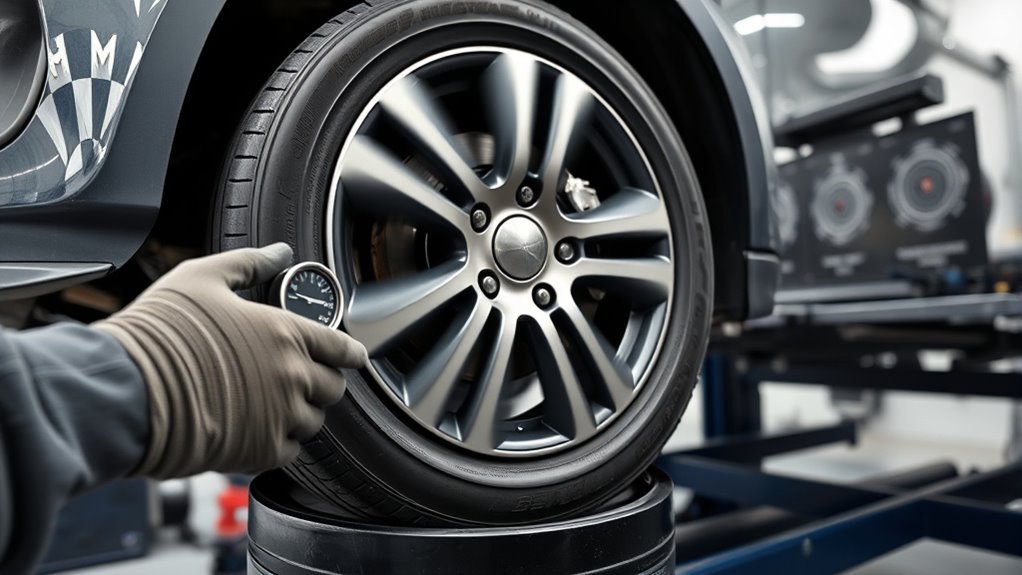
Check wheel balance first when a smooth car starts shaking at highway speed. Uneven weight distribution creates vibrations that often become noticeable above about 50 mph and may hide other issues.
If balancing doesn’t stop the shake, inspect steering alignment. Bad toe, camber, or caster can cause steering pull and uneven wear that lead to vibration. For persistent wobble, inspect wheels for rim damage and request road-force balancing.
Wheel Balance Checks
A full wheel balance and alignment inspection should come early in the diagnostic process. Unbalanced wheels, misaligned wheels, out-of-round tires, and bent rims often cause shake above about 50 mph.
- Verify static and dynamic balance on a quality wheel balancer.
- Run a road-force balance test to detect out-of-round tires, shifted belts, or tire-wheel uniformity problems.
- Inspect rims for bends, cracks, corrosion at the bead seat, and impact damage.
- Rotate tires every 5,000 to 8,000 miles when your vehicle manufacturer recommends it, and track tread wear.
If a wheel wobbles while lifted, don’t ignore it. Repair the wheel, tire, hub, or bearing issue before you return to highway speed.
Steering Alignment Issues
After you rule out balance and bent rims, assess steering alignment. Misalignment often shows up as a wobble, steering pull, off-center steering wheel, or uneven tire wear at highway speed.
A shop can use an alignment machine to check toe, camber, and caster against manufacturer specifications. Make steering adjustments only after you inspect tires, wheels, and suspension parts. Worn components can ruin a new alignment quickly.
| Symptom | Check | Fix |
|---|---|---|
| Pulling | Alignment angles and tire pressure | Adjust alignment and correct pressure |
| Wobble | Wear pattern and wheel runout | Balance, repair, or realign |
| Off-center steering wheel | Toe setting and steering linkage | Align after worn parts are repaired |
| Fuel loss | Road test and tire wear | Realign and inspect tires |
Road-Force Issues, Bent Rims, and Hidden Defects
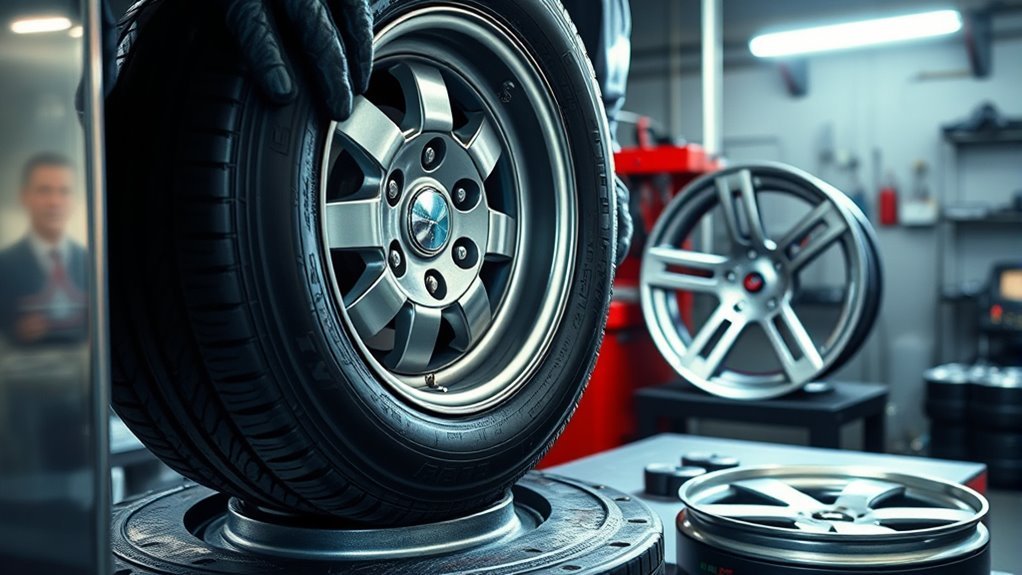
When you feel a vibration at speed, a standard balance may not reveal the full cause. Road-force issues, a bent rim, or a hidden tire defect can create shake only under load.
A Road Force Balancer presses a load roller against the tire to simulate road pressure. This helps reveal high spots, stiffness changes, flat areas, radial or lateral variation, and tire-wheel assembly problems that standard balancing can miss.
- Road force: Finds out-of-round tires and structural inconsistencies.
- Bent rim: Creates eccentric rotation and speed-dependent shaking after impact damage.
- Hidden defect: Broken belts or internal separations can trigger vibration under load.
- Inspection protocol: Measure road force, document tire rotation history, and repair parts outside specification.
Pro tip: If vibration follows a tire after rotation, that tire or wheel assembly likely needs closer testing.
Act on measured data, not guesses. Replace compromised tires or repair damaged rims to restore smooth, controlled driving.
If Not Tires: Suspension, Steering, and Bearings
If tires and rims check out but the vibration persists, inspect suspension, steering, brakes, driveline parts, and bearings next. Check suspension components such as tie rods, ball joints, control arms, shocks, and bushings for play, cracks, torn boots, or loose mounts.
Worn parts let the wheel move under load, which creates vibration during turns or over bumps. Loose fasteners and damaged bushings can also transmit oscillation through the chassis and steering wheel.
Address steering issues such as misalignment, worn racks, or loose linkage. These faults can make the vehicle pull, create uneven tire wear, and trigger rhythmic shaking at speed.
Wheel bearings need prompt attention. A grinding noise, humming noise, or vibration that changes while turning can point to bearing wear. Replace faulty bearings quickly because failure can become dangerous.
Pro Diagnostics: What Mechanics Will Check
Vibrations can come from tires, wheels, brakes, steering, suspension, driveline parts, or bearings. A mechanic should start with a systematic diagnostic sequence that combines visual checks, road testing, and precision measurements.
The technician will inspect tires for uneven wear, bulges, cuts, and visible damage. They’ll verify tire pressure, check wheel and tire runout, and avoid guessing based on speed alone.
Diagnostic sequence: tire pressure, tread condition, wheel balance, road-force measurement, wheel runout, alignment, brakes, suspension, steering, bearings, and driveline parts.
- Inspect tires visually for wear patterns, cuts, bulges, and tread separation.
- Measure road force to assess roundness and load distribution.
- Perform dynamic and static wheel balancing to locate mass imbalance.
- Check suspension and steering parts, including ball joints, tie rods, bushings, bearings, and alignment.
This workflow separates wheel-related causes from drivetrain or chassis problems. Road-force data can pinpoint tire-wheel assembly issues you can’t see, while balancing and alignment confirm proper setup.
Fixes and Costs for Tire Vibration
Proper tire balancing is often the first paid fix for tire vibration. Standard balancing commonly costs less than road-force balancing, but pricing varies by shop, wheel size, region, tire type, and whether the tires were purchased there.
Rotate tires at the interval your vehicle maker recommends to help equalize wear. If imbalance continues, request road-force balancing to check for hidden tire or wheel problems. Replace tires with severe cupping, flat spots, sidewall damage, exposed cords, or tread separation.
Have a professional inspect alignment and suspension if the shake returns. Ask for an itemized estimate before authorizing repairs because worn steering, suspension, bearing, brake, or wheel parts can change the total quickly.
| Fix | Typical Cost Signal | Purpose |
|---|---|---|
| Tire balancing | Usually lower than road-force balancing; confirm local pricing | Even weight distribution |
| Tire rotation | Often low cost, bundled, or DIY if done safely | Even tread wear |
| Road-force balancing | Usually higher than standard balancing | Reveal hidden tire and wheel issues |
| Alignment | Varies by two-wheel vs. four-wheel service | Correct steering geometry and tire wear |
| Tire replacement or suspension repair | Variable; request an itemized estimate | Remove damaged tires or worn components |
Choose the lowest-cost fix that matches the diagnosis. A balance job won’t solve a bent rim, and a new tire won’t solve a loose ball joint.
Preventive Maintenance to Avoid Vibration
A strict preventive schedule helps stop speed-related vibration before it starts. Keep proper tire pressure, rotate tires at the recommended interval, and check balancing and alignment when wear or steering symptoms appear.
Inspect tread for cupping, feathering, flat spots, bulges, cracks, exposed cords, and uneven wear. These signs can point to suspension or alignment faults. Use road-force balancing when conventional balancing doesn’t remove vibration.
Maintenance note: Prevent vibration before it starts: maintain pressure, rotate tires when recommended, check balance and alignment, and inspect for uneven wear.
- Monitor pressure monthly and before long trips.
- Rotate tires every 5,000 to 8,000 miles when your vehicle maker recommends that interval.
- Balance and align when vibration, pulling, or uneven wear appears.
- Replace tires that show structural defects, exposed cords, or severe uneven wear.
These habits reduce repair costs, improve ride quality, and help you avoid repeat vibration.
When to Stop Driving and Call a Mechanic
Stop driving if the vehicle shakes violently, the tire has a bulge, or you see exposed cords. You should also stop if vibration comes with a grinding noise, burning smell, loose steering, rapid pressure loss, or a tire-pressure warning after visible damage.
Call a mechanic or roadside service if you can’t identify the cause safely. A short drive to a nearby shop may be reasonable for mild vibration, but severe shaking can damage tires, wheels, bearings, and suspension parts.
Frequently Asked Questions
Why does my car vibrate at 60 mph?
A car that vibrates at 60 mph often has a tire or wheel issue, such as imbalance, uneven tread, a bent rim, or an out-of-round tire. Brake, bearing, suspension, and driveline problems can also create speed-related vibration.
How do I know if vibration is tire balance or alignment?
Wheel balance usually causes a rhythmic shake at a repeatable speed. Alignment problems more often cause pulling, an off-center steering wheel, or uneven shoulder wear. Many vehicles need both checks because poor alignment can create tire wear that later vibrates.
Can low tire pressure cause vibration?
Yes. Low, high, or uneven tire pressure can change the contact patch and increase irregular wear, heat, and ride harshness. Check pressure cold using the vehicle placard or owner manual specification.
Does road-force balancing fix tire vibration?
Road-force balancing can fix or identify some vibration that standard balancing misses. It is most useful when a normal balance does not solve the problem or when the tire and wheel assembly has stiffness, runout, or uniformity issues.
Is it safe to drive with tire vibration?
Mild vibration may allow a cautious short trip to a repair shop, but severe shaking is not safe. Stop driving if you see a bulge, exposed cords, tread separation, loose steering, grinding noise, or rapid pressure loss.
Can Tire Vibration Damage My Drivetrain Over Time?
Yes, persistent vibration can add stress to bearings, joints, mounts, and driveline parts over time. Diagnose the cause promptly, balance the wheels, and repair worn parts before the vibration spreads.
Is Tire Vibration Covered by New Tire Warranties?
New tire warranties may cover vibration only when a shop can prove a manufacturing defect. You’ll usually need service records, inspection notes, and proof that improper inflation, road damage, or misuse did not cause the issue.
Can Seasonal Tire Swaps Cause Vibration Issues?
Yes, seasonal tire swaps can cause vibration if the tires aren’t mounted, torqued, seated, or balanced correctly. Check wheel torque, valve condition, tire pressure, and balance after each swap.
Do Tire Pressure Monitoring Systems Detect Imbalance?
No. A tire pressure monitoring system tracks air pressure, not wheel balance or tread defects. You still need a tire inspection, balance check, and road test to diagnose vibration.
Are Run-Flat Tires More Prone to Vibration?
Run-flat tires can feel stiffer than standard tires, so you may notice vibration more easily. Proper mounting, pressure, balancing, and alignment matter even more with a stiff sidewall tire.
Conclusion
A tire vibration is a warning sign, not just an annoyance. Start with cold tire pressure, tread condition, and rim damage, then move to balancing, alignment, road-force testing, and suspension checks if needed.
Fix the root cause early so you avoid extra tire wear, bearing stress, and steering problems. If the vibration is severe, the tire is visibly damaged, or the steering feels loose, stop driving and call a professional.
References
- Tires — National Highway Traffic Safety Administration
- Tire Safety: Everything Rides on It — National Highway Traffic Safety Administration
- Tire Tread Wear & Causes — Bridgestone
- Tire Safety for All Drivers — Bridgestone
- Road Force Balancing vs Tire Balancing — Discount Tire
- Consumer Education — Tire Industry Association

Related Articles

What Is a Fat Tire? Complete Guide & Best Options
I’ll show you what makes fat tires different, which setups work best, and why the right choice could change your ride.
Read More
What Does W Mean on a Tire? Load, Speed & Rating Guide
Huh, what does W on a tire really mean, and why could choosing the wrong rating affect your safety and performance?
Read More
What Does Tire Flipping Work? Muscles, Benefits & Workout Guide
Strong tire flips hammer your entire body, but which muscles and benefits matter most?
Read More