
Why Are Hyundai Sonata Front Tires Wearing Faster Than Rear?
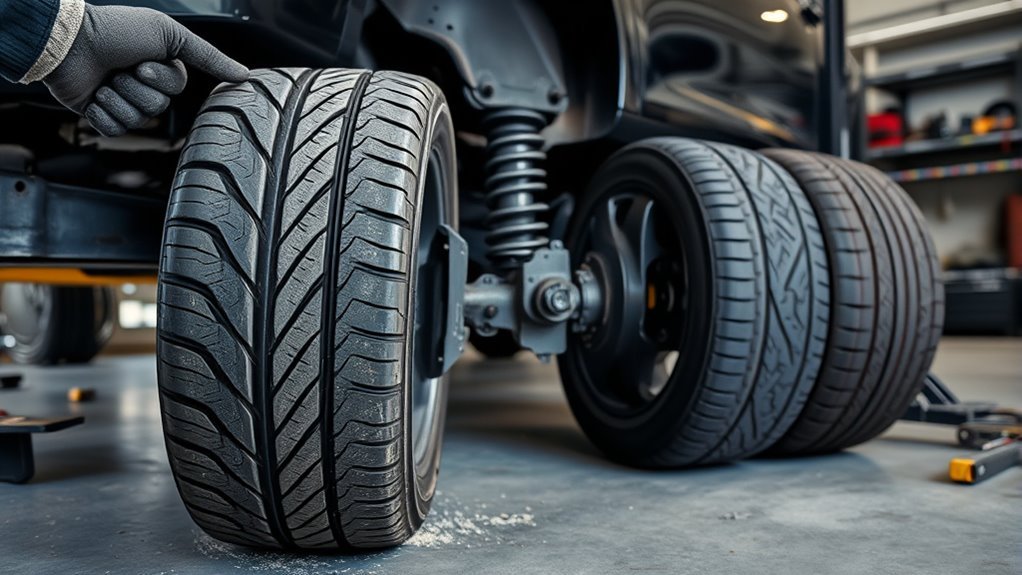
Why Your Hyundai Sonata’s Front Tires Wear Faster (And How to Fix It)
Your Hyundai Sonata’s front tires wear faster than the rears for a few simple reasons. The front-wheel-drive design puts extra stress on the front tires. This gets worse if you have bad wheel alignment, worn suspension parts, or aggressive driving habits. You can slow down this wear with regular tire rotations and proper air pressure. Staying on top of basic maintenance helps your tires last longer and keeps your car driving smoothly.
Quick Answer
- Front-wheel drive: The front wheels handle steering, braking, and most of the car’s engine weight.
- Tire rotation: Rotate your tires every 5,000 to 7,500 miles to even out the wear.
- Air pressure: Check tire pressure monthly to prevent the edges or centers from wearing down too fast.
- Alignment: Get an annual wheel alignment to stop uneven wear on the inner or outer edges.
Causes of Uneven Tire Wear in Hyundai Sonatas
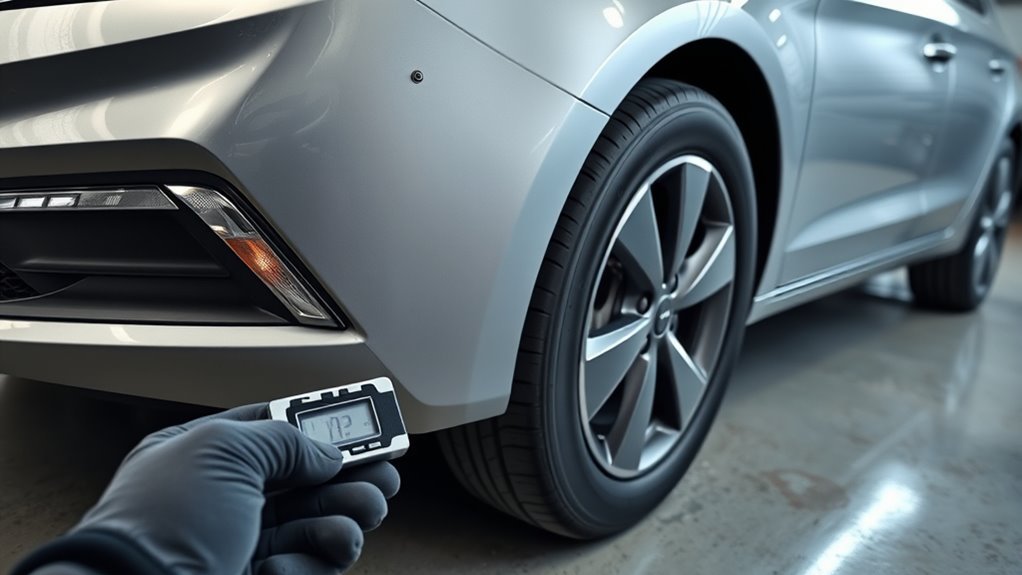
When you drive a Hyundai Sonata, you might notice the front tires wearing down quickly. Understanding why this happens can save you time and money. The Sonata is a front-wheel-drive car. This means the front tires handle the power, the steering, and most of the braking. That extra workload makes them wear faster. Bad wheel alignment can make this problem worse by grinding down the edges of the tires. If you skip regular tire rotations, you will see a big difference between the front and back treads. Tire pressure also plays a huge role. Under-inflated tires wear out on the outer edges. Over-inflated tires wear down the center. Finally, worn suspension parts can make your car bounce or shift, which scrubs the tires against the road. Keeping an eye on these factors helps your tires last longer.
How Hyundai Sonata Driving Conditions Impact Tire Wear
Where and how you drive impacts your Sonata’s tires. Stop-and-go city driving puts a heavy load on the front tires. Aggressive driving habits like fast acceleration and hard braking add even more stress. Because the Sonata carries most of its engine weight up front, the front tires take the hardest hits.
To fix this, rotate your tires every 5,000 to 7,500 miles. This spreads the wear evenly across all four tires. You should also watch out for bad roads and potholes. Hitting bumps frequently can throw off your alignment and damage your tread.
How Does Air Pressure Affect Your Tires?
Air pressure completely changes how your tires touch the road. Tires with too little air wear out on the edges. Tires with too much air wear out right down the middle. Checking your pressure regularly keeps your car handling well and stops premature wear.
Effects of Under-Inflation
Keeping the right tire pressure in your Sonata is a big deal. Under-inflated tires sag, putting too much weight on the outside edges of the tread. This ruins the tires quickly and makes the car harder to steer.
- Uneven tread wear patterns
- Reduced tire lifespan
- Worse vehicle handling
- Lower fuel economy
- Higher risk of blowouts
Check your tire pressure once a month. You can find the correct PSI (pounds per square inch) on a sticker inside the driver’s door jamb. Following those numbers helps your tires last longer and keeps you safe.
Consequences of Over-Inflation
Putting too much air in your tires is just as bad as too little. Over-inflated tires bulge in the middle. The center of the tread takes all the friction, reducing your grip on the road. This uneven wear makes your Sonata harder to control, especially in wet weather. It also causes the front tires to wear out even faster. Check your tire pressure before long trips or when the weather changes drastically. Properly inflated tires give you a much safer and smoother ride.
Importance of Regular Checks
Tire pressure affects how your Sonata drives and how much gas it uses. Checking your tires regularly prevents uneven wear and keeps you safe on the highway.
- Under-inflated tires wear on the outside edges.
- Over-inflated tires wear down the center.
- Wrong pressures make the car harder to steer.
- The recommended air pressure is on a sticker inside the driver’s door.
- Monthly checks are an easy way to prevent major problems.
The Importance of Regular Tire Rotation for Longevity
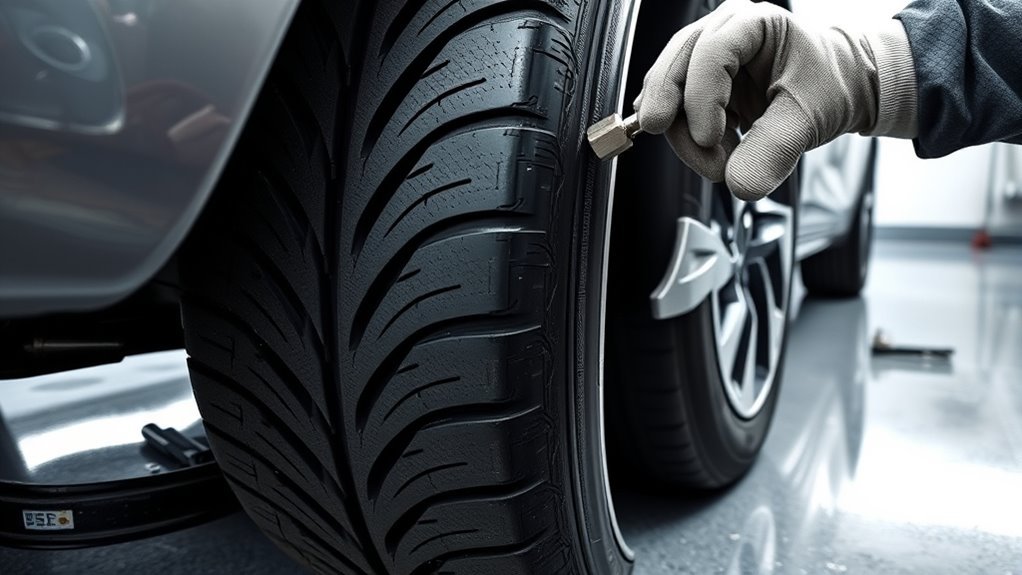
Rotating your tires is the easiest way to make them last. Moving them to different positions every 5,000 to 7,500 miles evens out the workload. Skipping this routine causes uneven wear and reduces your grip on the road.
Benefits of Tire Rotation
Rotating your Sonata’s tires does more than just save the tread. It keeps your car driving straight and prevents surprise blowouts. Here are the main benefits:
- Spreads wear evenly across all four tires
- Makes the whole set last longer
- Improves your car’s handling and grip
- Lets a mechanic spot alignment or suspension issues early
- Gives you a smoother ride
Frequency of Rotation
Many drivers forget to rotate their tires. But for a front-wheel-drive car like the Sonata, it is a mandatory step. You should rotate them every 5,000 to 7,500 miles. This stops the heavy front end from chewing up the front tires too fast. Skipping this step ruins the tread and forces you to buy new tires much sooner. Following a basic maintenance schedule saves you a lot of money over the life of the car.
Impact on Tire Life
Ignoring tire rotations will destroy your front tires long before the rears wear out. This uneven wear ruins your traction and makes the car unsafe. Here is why regular rotation matters:
- Takes the heavy engine load off the front tires
- Helps a good set of tires reach 60,000 miles
- Keeps your traction consistent in rain or snow
- Catches bad wheel alignment before it ruins the tread
- Saves you from buying replacement tires early
How Wheel Alignment Affects Tire Wear Patterns
If your Sonata’s wheels point in the wrong direction, your tires will drag instead of rolling smoothly. This is called misalignment. It causes the tires to wear heavily on the very inner or outer edges. This happens easily if you hit a pothole or bump a curb. You should get your alignment checked once a year or whenever you buy new tires. A proper wheel alignment makes sure the tires sit flat against the pavement. This simple fix improves your gas mileage and keeps you from having to buy tires ahead of schedule.
Worn Suspension Parts and Tire Wear
Bad suspension parts can quickly ruin a brand new set of tires. Your shocks and struts keep the tires pressed firmly against the road. When they wear out, the car bounces. This bouncing creates a chopped or cupped wear pattern on the tread. Loose front-end steering parts can also throw off your alignment as you drive down the road.
Keep these suspension factors in mind:
- Worn shocks cause the tires to bounce and wear unevenly.
- Weak springs shift too much weight onto the front tires.
- Loose tie rods or ball joints ruin the wheel alignment.
- A mechanic should inspect the suspension during a tire rotation.
- Replacing bad struts protects your tire investment.
Identifying Signs of Uneven Tire Wear
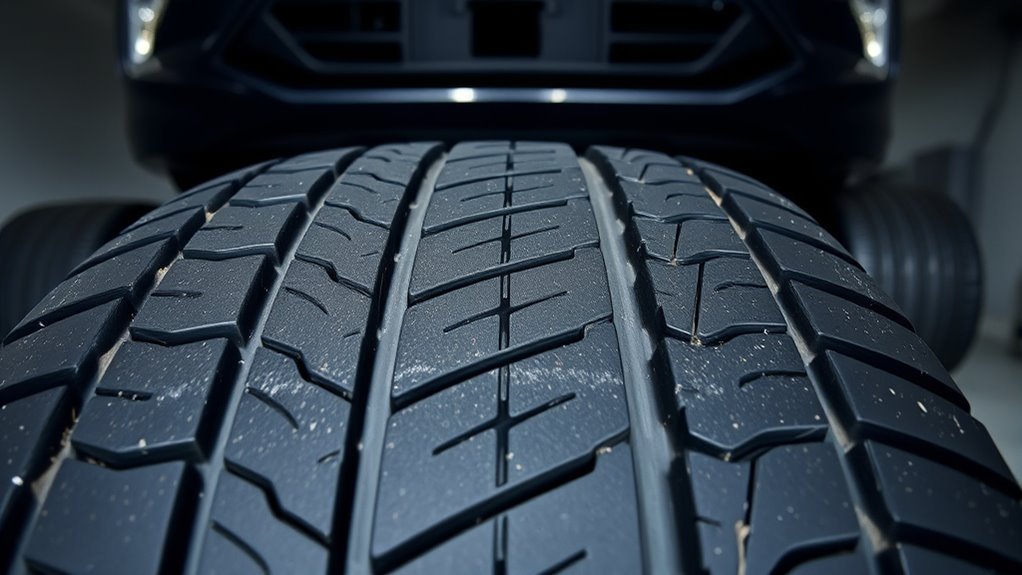
Catching tire problems early keeps you safe and saves money. Look at your tires at least once a month. Smooth patches on the outer edges usually mean poor alignment or low air pressure. A bald strip right down the center points to over-inflation. If the tread looks wavy or scooped out, your suspension might be failing.
How to Check Tread Depth at Home
You do not need special tools to see if your tires are worn out. Grab a penny and insert it upside down into the main tread grooves. If you can see the top of Lincoln’s head, your tread is dangerously low (below 2/32 of an inch). At that point, the tires are no longer safe for wet roads and need to be replaced immediately. Checking the depth across the whole width of the tire also helps you spot uneven wear early.
Best Practices for Maintaining Tire Health in Your Hyundai Sonata
Taking care of your Sonata’s tires takes just a few minutes a month. Follow a few basic habits to keep your car safe and driving smoothly:
- Rotate your tires every 5,000 to 7,500 miles.
- Check your tire pressure once a month when the tires are cold.
- Get your wheel alignment checked once a year.
- Ask a mechanic to inspect the suspension during routine oil changes.
- Look closely at the tread for smooth spots or bald edges.
These habits help you catch small problems before they turn into expensive repairs. Regular upkeep gives you peace of mind on the highway and stretches your budget further.
Frequently Asked Questions
Is It Normal for Front Tires to Wear Faster Than Back Tires?
Yes. Front tires handle the steering, most of the braking, and the weight of the engine. On a front-wheel-drive car like the Sonata, they also provide all the acceleration. This heavy workload causes them to wear much faster than the rear tires.
How Long Do Hyundai Sonata Tires Last?
A standard set of tires on a Hyundai Sonata usually lasts between 40,000 and 60,000 miles. Your exact mileage depends on your driving habits, road conditions, and how often you rotate them.
Conclusion
Your Hyundai Sonata requires basic maintenance to keep its tires in good shape. Rotating the tires, checking the air pressure, and fixing alignment issues will add thousands of miles to their lifespan. Do not wait for a flat tire or a bumpy ride to check your tread. Spend a few minutes a month inspecting your wheels, and you will save yourself a lot of money in the long run.

Related Articles
Hyundai Sonata Tire Cupping: Causes, Signs & How to Fix It
Just discover the causes and signs of tire cupping in your Hyundai Sonata—find out how to fix it before it affects your safety!
Read More
Hyundai Sonata Tire Wear in Hot Climates: How to Extend Life
Hot weather accelerates tire wear on your Hyundai Sonata—discover essential tips to prolong their life and enhance your driving safety.
Read More
How Hot Weather Changes Hyundai Sonata Tire Pressure (PSI Guide)
Learn how hot weather affects your Hyundai Sonata's tire pressure and discover tips to maintain optimal performance for a safer drive.
Read More