
When to Switch Winter Tires to Summer Tires: Timing, Checklist, and Cost Tips
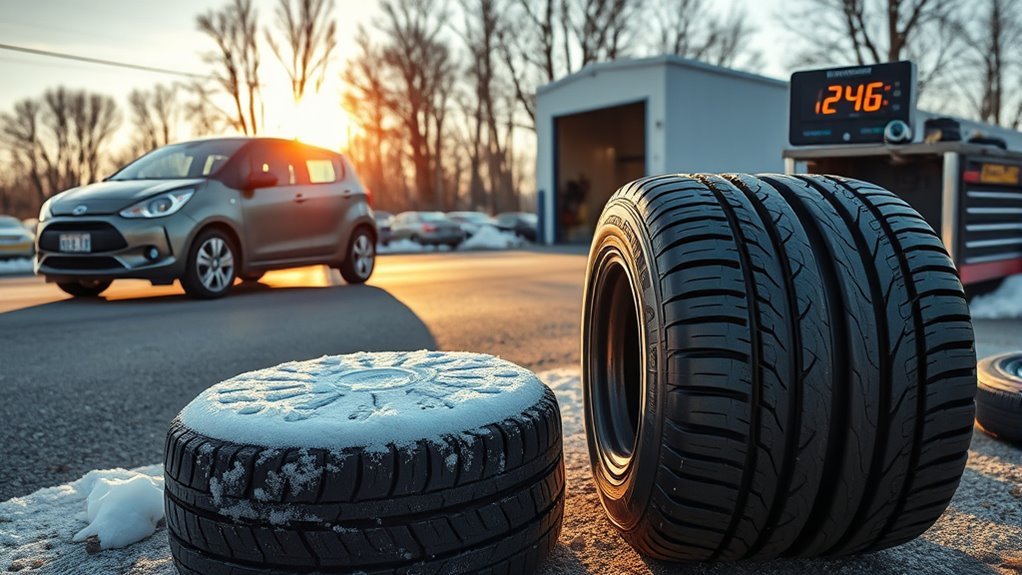
Switch your winter tires once daily averages stay at or above 45°F (7°C), roads are free of ice, and forecasts show no late cold snaps. Check mornings for lingering salt or slush. Inspect tread depth, sidewalls, and wear patterns before mounting, then balance and torque properly. Consider regional rules for studded tires and keep a second set of rims to save money. Drive patterns and storage conditions affect timing and tire life. Keep reading for step-by-step prep and cost tips.
Quick Answer
- Swap to summer tires when daily average temps stay at or above 45°F (7°C) for at least a week and roads are dry.
- Inspect tread depth, sidewalls, and wear patterns before mounting. Torque lug nuts to spec and balance each wheel.
- Clean and bag winter tires for storage in a cool, dry spot. Label each tire with its position and mileage.
- Expect to pay $60–$200 for professional mounting and balancing. A second set of rims saves money over time.
When to Switch: The Quick Rule (Temperature & Road Checks)
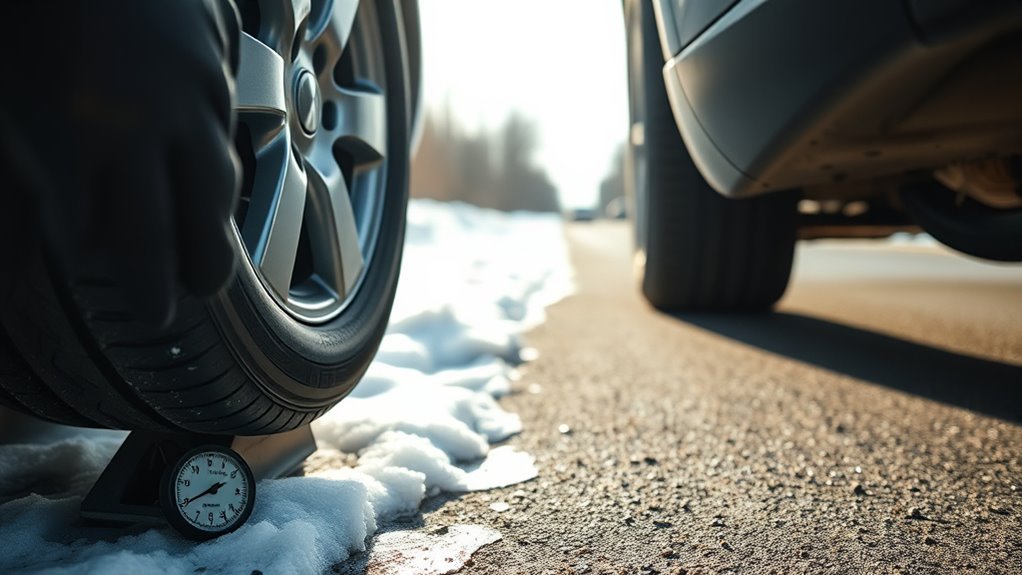
If daily average temperatures stay at or above 45°F (7°C) and roads are mostly dry, it’s time to switch to summer tires. Wait for several warm days in a row to avoid a late cold snap. Check forecasts for lingering snow or freeze warnings, and keep in mind that urban areas often warm sooner than rural ones.
Use 45°F (7°C) as your practical cutoff for rubber performance and braking distance. Track local forecasts for at least a week to confirm a stable pattern.
Inspect road conditions each morning. If salt, slush, and ice are gone and surfaces stay dry, you’re good to go. Follow objective temperature thresholds and road conditions, consider microclimates in your area, and make the switch once conditions consistently meet your criteria.
Checklist: How to Switch to Summer Tires (Inspect, Mount, Balance, Store)
Before you schedule the swap, inspect your winter tires for tread depth, cuts, bulges, and uneven wear. This tells you which sets are worth storing and which need replacement.
Start with a thorough tire inspection: measure tread depth, look for sidewall damage, and note irregular wear patterns that might signal alignment or suspension issues. Book the change once daily averages stay above 45°F.
When mounting summer tires, torque lug nuts to spec and have each wheel balanced to prevent vibration and uneven wear. After the swap, check and adjust tire pressure to the manufacturer’s recommended PSI, since temperature swings affect pressure readings.
For winter sets you plan to keep, clean them, remove debris, and seal each tire in a tire bag to prevent ozone and dust damage during tire storage. Label bags with position and mileage so you can rotate tires strategically next season. These steps help you avoid last-minute delays and keep your vehicle handling crisp.
Regional Timing & Stud-Tire Rules (North, Mountains, Coast)
Regional timing and stud-tire rules affect when you should swap to summer tires, so check local weather trends and regulations before booking a change.
In northern regions, northern snowfall can arrive into April, so delay your swap until forecasts consistently show milder nights with no threat of late storms. In mountain zones, first snow often comes by October. Plan to mount winter or studded tires well before temps drop and remove them only after a sustained warm stretch.
Coastal timing usually allows a later switch. Many coastal areas don’t see their last snow until early May, so you can wait longer if local conditions allow. Review state rules on studded tires too: removal cutoffs commonly fall between late March and late May. Those legal dates give you a hard deadline for removal even if the weather seems uncertain. Check municipal variances and prioritize compliance while aiming for maximum seasonal safety.
Vehicle & Driving Factors That Change Your Date (Commute, Tires, Storage)

Your daily driving pattern and tire type change how long winter conditions matter. Plan your swap around real-world use rather than calendar dates alone.
If you commute in urban conditions with short hops, winter or all-season rubber may remain practical longer. Busy city streets warm sooner, but stop-and-go wear affects tire performance differently than steady highway miles. If you do long highway runs, you’ll feel warmer-road benefits faster and should move to summer tires once daily highs sit above about 45°F.
Know your tire type: all-season tread tolerates spring fluctuations, while dedicated winter tires lose grip and wear faster if kept on past warm stretches. Check forecasts for local microclimates and adjust timing. Store removed winter tires in a cool, dry place to preserve compound and tread for next season. Match swap timing to your commute, driving habits, and storage quality so you’re not risking unnecessary wear.
What Happens If You Keep Winter Tires On Too Long?
Running winter tires in warm weather does more than waste rubber. The soft compound that grips in cold temps becomes too pliable above 45°F, which leads to longer braking distances and less precise handling on dry roads. You’ll also burn through tread much faster, cutting the tire’s useful life by months.
Higher rolling resistance from soft rubber hurts fuel economy too. Over a full summer of driving, that extra fuel cost adds up. The tread pattern on winter tires is designed to channel snow and slush, not shed water on warm pavement, so hydroplaning risk goes up in heavy rain. If temps have been consistently warm for a week or more, those winter tires are costing you money and safety every day they stay on.
Cost, DIY vs Pro, and Timing Tips to Save Money
Now that you’ve matched swap timing to your commute and tire type, consider how to save money on the changeover itself. Mounting and balancing typically costs $60–$200 for all four tires, but keeping a second set of rims cuts that cost and preserves tire longevity by reducing repeated bead stress. If you’re comfortable with tools, DIYing the swap with a jack, lug wrench, and torque wrench avoids service fees entirely.
- Schedule swaps when temperatures stay above 45°F and book off-peak service hours to lower balancing costs and wait times.
- Inspect tread depth and pressure before and after swapping to prevent premature wear and hidden expenses.
- If you lack space or tools, compare local shops’ bundled season packages and read reviews to pick a fair, reliable pro.
Choose the route that fits your budget and skill level. Small proactive steps extend tire life and keep costs low.
Frequently Asked Questions
Can I Swap Tires Earlier if Spring Forecast Looks Mild?
Yes, you can swap earlier if weather conditions stay mild. Monitor forecasts and tire performance closely. Switch when nighttime temperatures consistently exceed about 7°C to avoid lingering frost risk.
Do Summer Tires Need a Break-In Period After Mounting?
Yes. Drive gently for about 100–200 miles so tire performance stabilizes and tread wear evens out. Avoid hard acceleration or aggressive cornering during that window, and you’ll get predictable handling and grip afterward.
How Long Can I Store Winter Tires Between Seasons?
You can store winter tires 6–12 months if you follow proper practices: clean and dry them, bag them, keep them in a cool and dark spot, stack or hang them properly, avoid chemicals, and rotate their location periodically.
Will Switching Tires Affect My Vehicle Warranty?
Swapping tires won’t void your warranty. Manufacturers expect tire changes as long as you meet their maintenance requirements. Keep records, use proper mounts and balancing, and follow your vehicle’s service guidelines.
Should I Record Tire Pressure Before Storing Winter Tires?
Yes. Recording tire pressure before storage helps preserve performance and detect leaks. Note pressures, clean tires, and choose cool, dry storage conditions so you can put them back in service with confidence.
Conclusion
Switching tires is a small seasonal chore with a big safety payoff. Skip it and you risk wet slips or worn rubber. Do it right and you get sharper handling, longer tire life, and lower costs. Check temps, inspect tread, mount and balance, then store your winters clean and cool. If you commute through hills or salt, move earlier. If you’re near the coast, you can wait. Plan ahead and you’ll drive smarter and safer.
Related Articles

Winter Tires vs Tire Chains: Traction Solutions Compared
In this comparison of winter tires vs tire chains, I reveal which traction choice keeps you safer — and when you absolutely must switch to chains.
Read More
All-Season vs Summer Tires: Grip, Wear & Best Climate
All-season vs summer tires: A concise guide to grip, wear, and ideal climates—discover which suits your driving and when to swap for peak performance.
Read More
When to Use Winter Tires: Temperature & Timing Guide
How do you know the exact moment to switch to winter tires when temperatures dip toward 45°F—discover timing tips and tradeoffs inside.
Read More