
Tire Rubber Compound Explained: How It Affects Your RAV4’s Grip
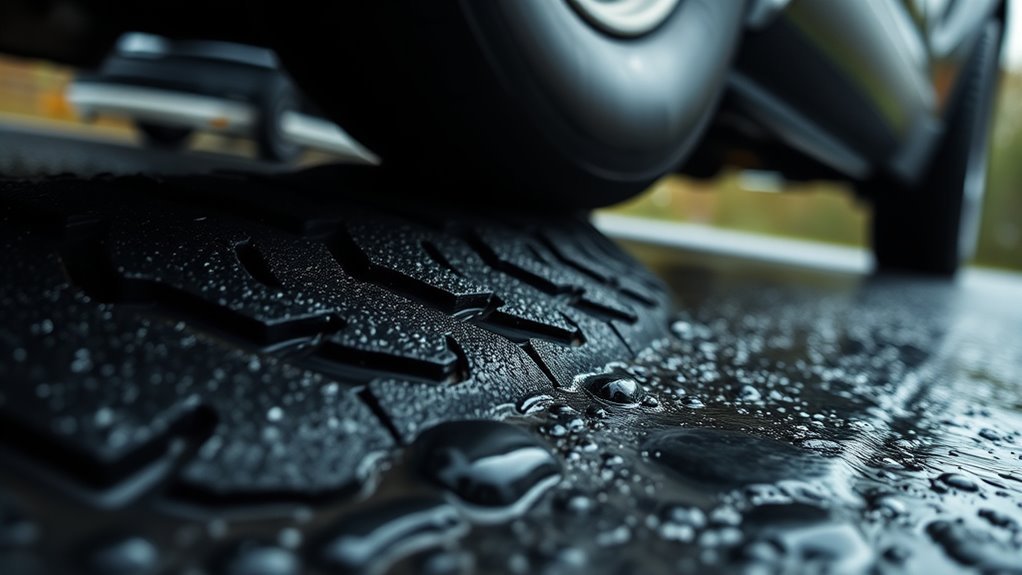
Your RAV4’s tire compound directly controls grip, braking, and wear by altering elasticity, friction and abrasion resistance. Softer blends (more natural rubber and silica) boost wet and cold traction but wear faster; harder mixes (more carbon black) resist heat and abrasion for longer life yet reduce peak grip. Balancing silica and carbon black optimizes rolling resistance and handling for your climate and driving style. Keep going and you’ll uncover how to match compounds to roads and maintenance.
Which Tire Compound Should You Choose for Your RAV4?
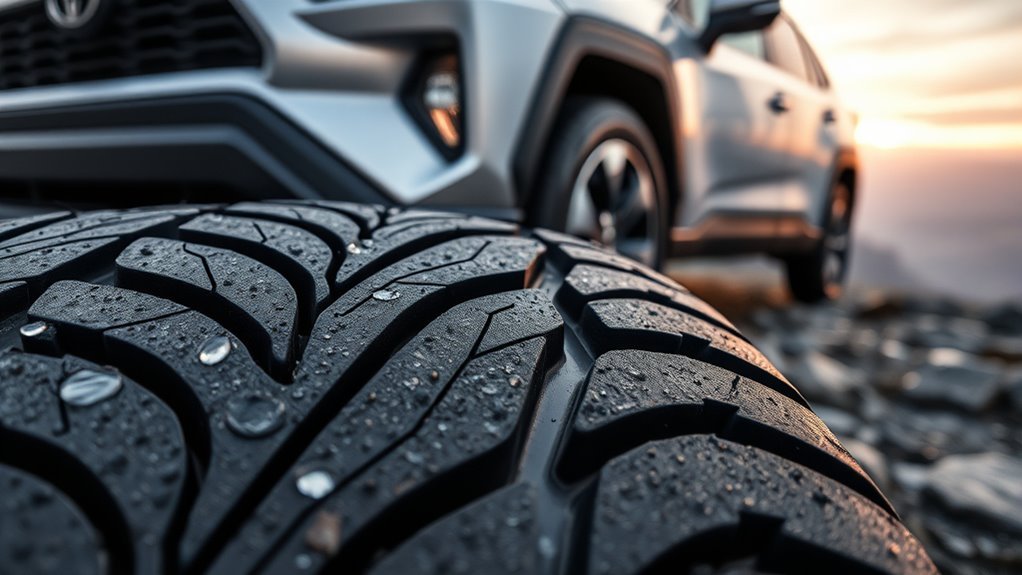
Which tire compound should you choose for your RAV4 depends on your local climate and driving priorities. You’ll favor an all-season compound with balanced polymers and silica if you need year-round versatility; it moderates seasonal performance differences while preserving usable tread life. If you drive in cold, wet, or icy conditions frequently, choose a softer compound to maximize grip—expect higher wear as a tradeoff. If you prioritize mileage and resistance to abrasion on hot pavements, select a harder compound that extends tread life and optimizes tire longevity factors. Evaluate UTQG ratings: lower numbers correlate with superior grip but reduced durability; higher numbers indicate longer service life with moderate traction. Consult tire professionals to map compound chemistry to your driving patterns and local weather extremes, then select the compound that liberates you from compromise—balancing control, safety, and the expected lifespan of your RAV4’s tires.
What Tire Compounds Are (A Quick Primer)
Tire compounds are engineered blends of natural and synthetic rubbers, fillers, and additives, and they determine key behaviors like traction, tread wear, rolling resistance, and comfort. You’ll find compound design balances elasticity, friction, and durability: softer mixes boost grip but wear faster; harder mixes extend life with reduced traction. Knowing tire material types and their performance characteristics lets you choose tires that match driving style, vehicle load, and climate. High-performance polymers like natural rubber and SBR are combined with targeted additives to tune behavior across temperatures. Consult pros to align compound choice with your RAV4’s mission profile and to preserve freedom of mobility.
| Component | Purpose | Typical Effect |
|---|---|---|
| Natural & SBR | Elasticity, road friction | Improved grip, variable wear |
| Fillers | Durability, traction tuning | Longer life, altered rolling resistance |
| Additives | Temperature & wet performance | Enhanced control in conditions |
How Rubber, Silica, and Carbon Black Change Grip and Wear
When you change the proportions of rubber, silica, and carbon black in a compound, you directly alter how a tire grips surfaces and how quickly it wears. You’ll see silica raise wet traction and lower rolling resistance, so your RAV4 gains grip on slick roads and better fuel efficiency. Carbon black reinforces the matrix, increasing tire compound durability and tread life by resisting abrasion and structural fatigue. You’ll balance these ingredients to manage the trade-off between immediate adhesion and long-term service life: more silica and softer rubber improve traction performance comparison in adverse conditions but accelerate wear absent sufficient carbon black. Advanced formulations blend silica and carbon black to broaden temperature range efficacy, preserving grip in heat and cold while optimizing heat dissipation. You should evaluate compounds by expected use—load, climate, and driving style—so you can choose a mix that liberates you from compromises between short-term grip and sustained durability.
Soft vs Hard Compounds : What You’ll Feel in Your RAV4
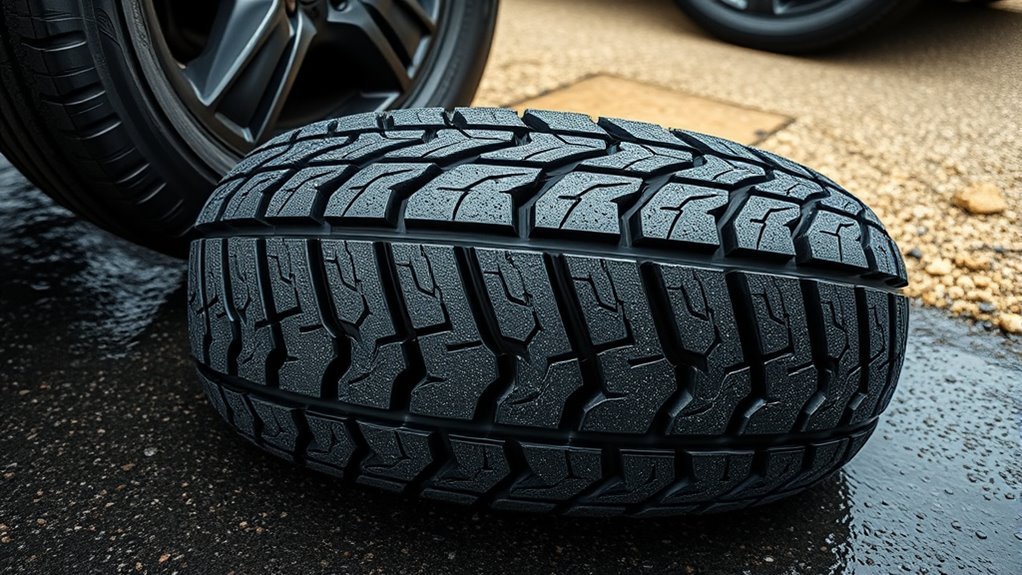
Some drivers will immediately notice how soft compounds make a RAV4 feel more responsive in cold or wet conditions, thanks to higher mechanical grip and faster tread temperature rise, while hard compounds trade that bite for greater abrasion resistance and longer service life. You’ll sense softer rubber delivering sharper tire responsiveness and more secure traction on slick surfaces; cornering and braking feel more direct because the contact patch conforms and heats quickly. That enhanced engagement lets you exploit driving dynamics with confidence, though it demands acceptance of accelerated wear and sensitivity to overheating during aggressive use. Conversely, hard compounds stiffen the ride, damp micro-slip, and extend mileage; they stabilize steering inputs and lower rolling resistance, but they’ll temper the vehicle’s liveliness and reduce peak grip in adverse weather. You decide whether liberated control or pragmatic longevity matters most; each compound alters how your RAV4 communicates road inputs and rewards different driving priorities.
Choosing the Right Compound for Your Driving Style and Climate
How should you match compound choice to your driving patterns and local climate? You’ll align compound selection to conditions and behavior: choose softer compounds for cold, wet climates to maximize hysteresis and grip; select harder compounds for hot, dry regions to minimize wear and rolling resistance. Analyze your driving style—aggressive cornering and frequent hard stops justify high-grip, softer compounds despite faster wear and lower UTQG numbers; conservative, long-distance driving favors harder compounds for fuel efficiency and longevity.
Factor in tire pressure discipline and tread patterns: maintain recommended tire pressure to preserve designed contact patch and compound performance; select tread patterns that complement compound choice (open siping with soft rubber for snow; shallow, closed ribs with hard compounds for highway stability). Consider all-season or dedicated winter compounds if your climate varies. Use UTQG ratings as a quantitative tradeoff between grip and wear, and consult tire professionals to tailor compound selection to your liberation-seeking driving profile and local environmental constraints.
5 Simple Maintenance Checks to Preserve RAV4 Tire Compound Performance
After matching a compound to your driving habits and climate, regular maintenance keeps that rubber performing as intended; small checks preserve grip, wear balance, and fuel efficiency. You’ll check tire pressure weekly and adjust to the manufacturer’s PSI; correct inflation optimizes contact patch and compound longevity. Measure tread depth frequently—2/32 inches is the minimum threshold—to confirm the compound still provides required traction, especially in wet conditions. Schedule tire rotation every 5,000–7,500 miles to distribute abrasion evenly and prevent uneven wear patterns that degrade compound effectiveness. Incorporate basic tire cleaning after off-road or salted-road use; removing debris and contaminants preserves the chemical adhesion properties of the rubber. Practice performance monitoring: log pressure, tread readings, and visual inspections to detect progressive degradation or damage. If you see abnormal cupping, feathering, or lateral wear, address alignment or suspension faults immediately. These disciplined checks keep your RAV4’s tires free and functional, matching compound design to real-world use.
Frequently Asked Questions
Why Are My Tires Not Gripping?
Your tires aren’t gripping because incorrect tire pressure, low tread depth, aged rubber and contaminants degrade adhesion; adverse weather conditions, harsh road surfaces and aggressive driving habits amplify loss, so inspect pressure, tread, tire age and adapt driving.
Conclusion
You’ve now got the technical rundown on how compound chemistry shapes grip, wear, and feel—so pick rubber, silica, or carbon-black blends based on your RAV4’s use-case, climate, and driving style. A softer compound gives uncanny traction in short bursts but wears faster; a harder mix trades adhesion for longevity. Maintain correct pressures, alignment, and tread depth to preserve compound performance. Make a data-driven choice—you’ll thank yourself every wet, twisty, commuting mile.

Related Articles

Upsizing Wheels on a Toyota RAV4: Pros, Cons, and Considerations
Boost your Toyota RAV4's performance with larger wheels, but discover the hidden trade-offs that could impact your ride before you decide.
Read More
Can I Change Tire Size on My Toyota RAV4? Rules and Recommendations
Are you considering changing the tire size on your Toyota RAV4? Discover the essential rules and recommendations before making a decision.
Read More
What to Do If the TPMS Light Comes On in Your RAV4
Understand the steps to take when the TPMS light illuminates in your RAV4, as overlooking it could lead to serious tire problems.
Read More