
Tire Pressure Keeps Dropping on My RAV4: Common Culprits
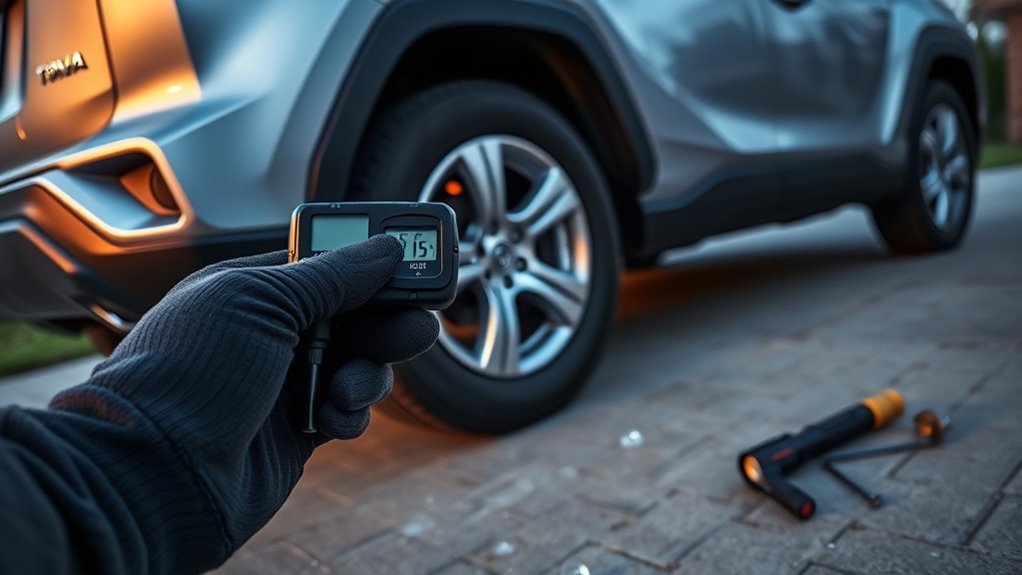
If your RAV4’s tire pressure keeps dropping, temperature changes, valve stem issues, and rim corrosion might be to blame. Cold air contracts, leading to significant PSI loss. Cracked or loose valve stems can create slow leaks, while corroded or bent rims allow air to escape. Regular inspections, sealing bead leaks, and ensuring valve caps are intact are essential for maintaining pressure. For deeper insights into diagnosing and addressing these issues effectively, continue exploring your options.
Top Reasons Your Tire Pressure Drops and How to Fix It
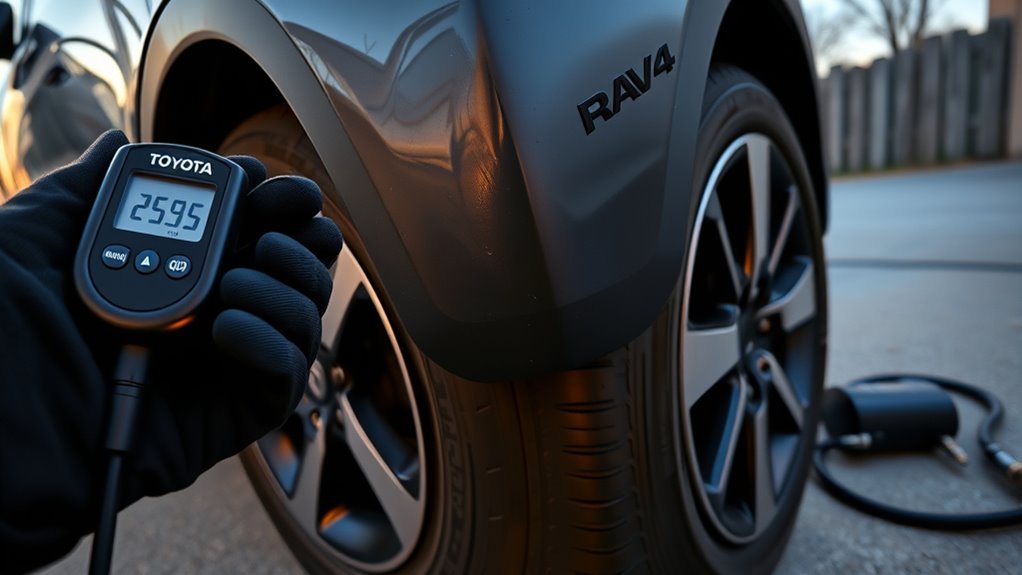
When temperatures plunge, you may notice your tire pressure dropping considerably, often by 1-2 PSI for every 10°F decrease. This fluctuation highlights the importance of tire pressure maintenance, especially in colder climates. Common culprits behind pressure loss include leaks at the valve stem or tire bead. These issues may necessitate dismounting and remounting the tire for a thorough inspection and sealing.
Corroded or bent wheel rims can also create gaps, allowing air to escape. Regular visual inspections can help catch these problems early, possibly saving you from costly repairs. Additionally, aging or damaged valve stems are frequent sources of slow leaks; replacing them is a quick, cost-effective fix.
Engaging in effective monitoring with a reliable gauge, especially during seasonal changes, can help you identify and address air loss issues before they compromise safety. Consistent checks empower you to maintain peak tire performance and enhance your driving experience.
How Temperature Changes Affect Tire Pressure
Temperature fluctuations can considerably impact your RAV4’s tire pressure, often causing it to drop by 1-2 PSI for every 10°F decrease. In Vermont’s winter climate, even slight temperature changes can lead to substantial pressure reductions, especially if your tires are already underinflated. Regularly monitoring tire pressure and adjusting to the manufacturer-recommended PSI is essential for maintaining safety and efficiency.
Temperature Fluctuation Impact
As the mercury drops, tire pressure can take a noticeable hit, impacting both performance and safety. You should be aware that temperature extremes directly affect your tire’s air volume. Here’s what happens:
- Pressure Loss: For every 10-degree Fahrenheit decrease, expect a loss of 1-2 psi.
- Air Expansion and Contraction: Heated air expands, while cold air contracts, leading to pressure fluctuations.
- Regular Monitoring: Cold months demand frequent checks, especially after overnight drops.
Seasonal Pressure Variations
Changes in seasonal temperatures directly influence tire pressure, which can greatly impact your RAV4’s performance. In cold weather, tire pressure decreases by about 1-2 PSI for every 10°F drop. As temperatures fall, the air inside your tires contracts, leading to noticeable pressure loss that affects handling and safety. Seasonal adjustments are vital; you might not see immediate issues, but overnight temperature shifts can create sudden drops. Regular monitoring, especially during winter, is necessary to avoid underinflation and potential hazards. Furthermore, cold conditions can intensify existing problems like leaks or faulty valve stems, compounding pressure loss. Stay vigilant about your tire pressure to maintain peak performance and guarantee a safer driving experience.
Monitoring Techniques Recommended
With cold weather impacting tire pressure, it’s important to adopt effective monitoring techniques to guarantee your RAV4 maintains peak performance. Here are three critical practices to take into account:
- Regular Checks: Monitor tire pressure at least once a month, especially during seasonal temperature changes. Remember, a drop of 1-2 PSI occurs for every 10°F decrease.
- Use Digital Pressure Gauges: Invest in a reliable digital pressure gauge for precise measurements. It offers quick readings and helps you avoid the inaccuracies of analog models.
- Check When Cold: Always measure tire pressure when the tires are cold—ideally before driving or after the vehicle has been stationary for several hours. This guarantees accurate tire pressure monitoring, essential for safety and efficiency.
How Valve Stems Affect Tire Pressure Loss
While you might not think about it often, valve stems play a crucial role in maintaining tire pressure. Valve stem deterioration can lead to slow air leaks, impacting your RAV4’s performance. A cracked or worn valve stem can cause significant pressure loss, often affecting multiple tires simultaneously. Regular inspection for wear can aid in air leak prevention, ensuring your tires maintain ideal pressure.
Here’s a quick overview of valve stem issues:
| Issue | Impact | Solution |
|---|---|---|
| Cracked valve stem | Significant air loss | Replace immediately |
| Worn valve stem | Slow leaks | Inspect and potentially replace |
| Loose valve stem | Minor leaks | Tighten, monitor for improvement |
| Missing valve cap | Up to 2 PSI loss/month | Replace cap to prevent leaks |
Pay attention to these details, and you’ll avoid unnecessary pressure drops!
The Impact of Corroded or Bent Rims on Tire Pressure
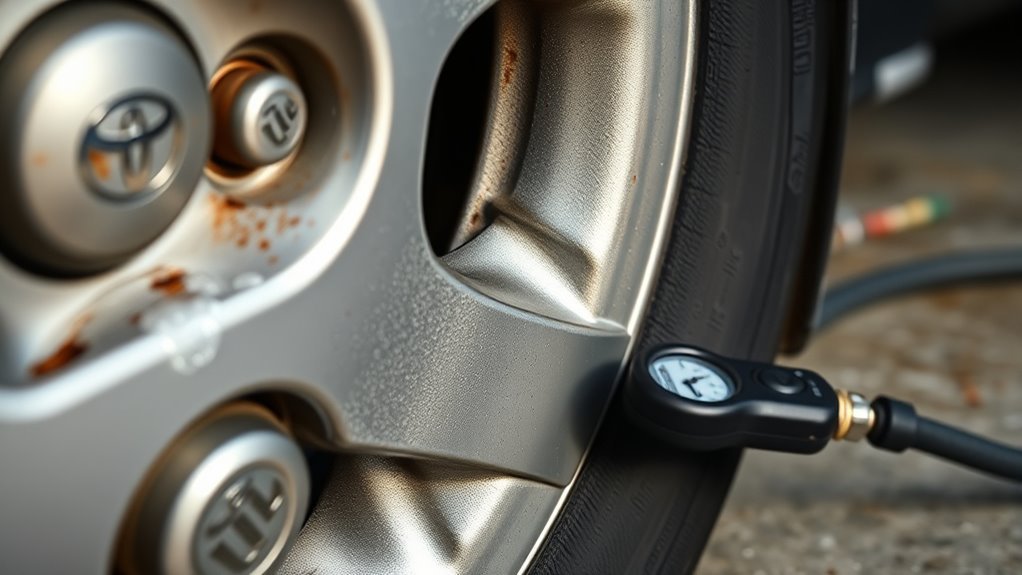
Even after addressing valve stem issues, you might still face tire pressure problems due to corroded or bent rims. These imperfections can compromise the seal integrity, leading to significant air loss. Here are three essential aspects to take into account:
- Corrosion Effects: Road salt and moisture can deteriorate the bead seat, impairing air retention and increasing the risk of slow leaks.
- Driving Habits: Hitting potholes or curbs can cause minor bends, resulting in gaps that promote chronic deflation.
- Rim Inspection: Regular inspection and cleaning of your rims help identify any corrosion or damage early, guaranteeing your wheels maintain their performance.
Repair options, whether bending back or replacing rims, are crucial to maintain safety concerns and avoid further issues. Prioritize wheel maintenance to guarantee your RAV4 remains reliable and safe on the road.
How to Spot Bead Leaks and Poor Seals
How can you effectively identify bead leaks and poor seals on your RAV4 tires? Start with regular bead inspections, focusing on the area where the tire meets the rim. Look for signs of bead chunking or chafing, which indicate improper attachment. Dirt or debris can disrupt seal integrity, leading to air loss over time. If you suspect leaks, mix soapy water and spray it around the bead; bubbles will form at points of air escape, revealing leaks. If you notice persistent issues, consider whether your tires might be improperly mounted—reseating them can establish a proper fit and prevent further leaks. Remember, timely intervention is essential; catching these problems early can save you from significant air loss and enhance your driving experience. By maintaining vigilance, you guarantee the longevity and performance of your tires.
Why Your Tire’s Age and Condition Matter for Pressure
Your tires’ age and condition directly affect their ability to maintain ideal pressure. As tires age, they can develop cracks or permeation that lead to air loss, while regular wear exposes them to environmental factors that weaken valve stems and create slow leaks. Regular inspections for sidewall damage and bead leaks are essential to guarantee your tires remain safe and efficient.
Tire Age Considerations
As tires age, their ability to maintain proper pressure diminishes considerably due to the deterioration of rubber compounds. This aging process can lead to dangerous situations if not addressed. Here are key considerations:
- Tire Lifespan: Tires should generally be replaced every six years to avoid risks associated with weakened rubber.
- Pressure Retention: Even if tread depth looks good, aging rubber may fail to form a proper seal with the rim, causing slow leaks.
- Regular Inspections: Look for cracks or dry rot that signal rubber deterioration; these can escalate into significant safety issues.
Always check the manufacturing date, as the National Highway Traffic Safety Administration suggests a general lifespan of up to ten years under ideal conditions. Don’t overlook your tires’ aging!
Common Damages Over Time
While many drivers overlook tire condition, understanding common damages over time is essential for maintaining proper air pressure. Aging tires often suffer from air permeation, allowing air molecules to escape through the tire sidewalls, resulting in gradual pressure loss. Additionally, valve stems can deteriorate due to environmental factors like heat and moisture, leading to cracks that facilitate air escape. Don’t forget about your wheel rims; corroded or bent rims can create gaps between the tire bead and wheel, exacerbating air loss, especially in older vehicles. Temperature fluctuations also play a role, causing tires to lose about 1 psi for every 10°F drop. Regularly checking these factors guarantees peak performance and safety for your RAV4.
Importance of Regular Inspections
Regular inspections of your RAV4’s tires are essential because aging rubber can lead to significant air loss over time. To maintain peak tire pressure, focus on these key areas:
- Tire Age: Tires typically last 6-10 years. Older tires are more prone to cracks that can cause slow leaks.
- Tread Depth: Insufficient tread depth affects grip and can lead to uneven wear, increasing the risk of pressure loss.
- Valve Stems: Regularly check valve stems for cracks, as they can weaken and contribute to air loss.
Additionally, make sure you perform tire rotation and inspect for rim corrosion to maintain a proper seal. Monitoring these factors, especially during seasonal temperature changes, will keep your tires in top shape and pressure consistent.
The Importance of Valve Caps for Tire Maintenance
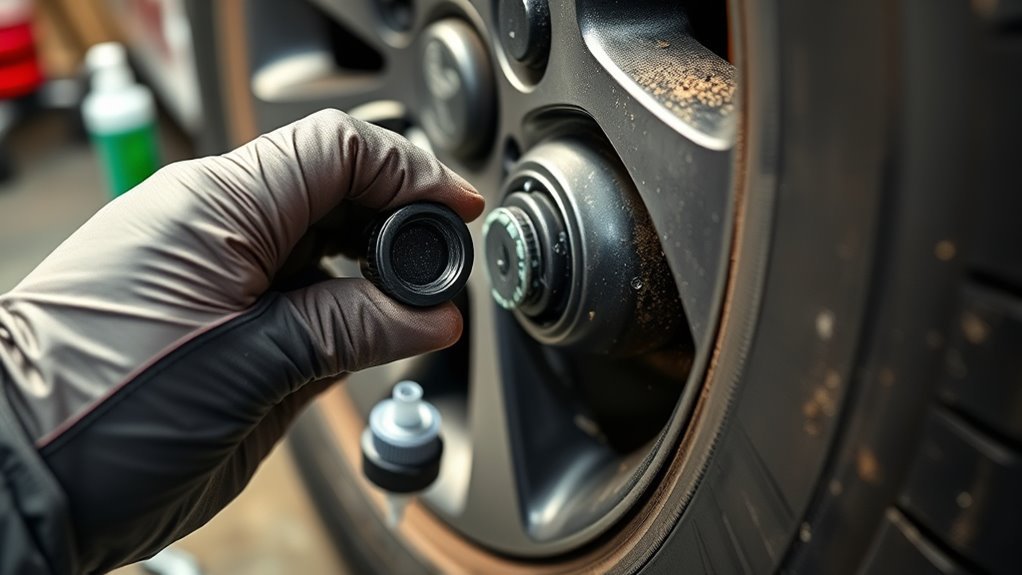
Valve caps play an essential role in tire maintenance, acting as the first line of defense against air loss and contaminants. Missing valve caps can result in a staggering air loss of about 2 PSI per month, making regular checks essential for maintaining peak tire pressure. The valve caps protect the valve stem from dirt and debris, which can interfere with sealing, leading to slow leaks.
To maximize valve cap benefits, you should replace any missing caps immediately—a low-cost maintenance step that greatly boosts tire longevity and performance. Regular inspection of valve caps is critical; verify they’re secure and free from cracks, as damaged caps increase vulnerability to air loss. Without proper valve caps, your tires become susceptible to harmful contaminants that can compromise valve integrity, ultimately resulting in pressure drops. Prioritize valve cap maintenance to guarantee your RAV4 runs smoothly and efficiently.
Easy Steps to Diagnose and Fix Tire Pressure Issues
To effectively diagnose and fix tire pressure issues on your RAV4, start by checking the tire pressure with a reliable gauge. Cold weather can drop pressure by 1-2 PSI for every 10°F decrease, impacting your vehicle’s handling and safety. Follow these steps:
- Inspect Valve Stems: Look for wear or corrosion. Damaged stems can lead to slow leaks, greatly affecting tire pressure.
- Use Soapy Water: Apply a soapy solution to the valve stem and tire bead. Small leaks may not be visible but will bubble up in the presence of soap.
- Check for Bead Leaks: If pressure issues persist, consider dismounting and remounting the tires to guarantee a proper seal, especially if you detect debris.
Regular maintenance habits and prompt leak addressing can prevent safety hazards, as underinflated tires increase the risk of blowouts and lower fuel efficiency. Stay proactive!
When to Seek Professional Help for Tire Problems
If you’re experiencing a consistent pressure drop of more than 5 PSI within a month, it’s time to consult a professional for potential leaks or tire damage. Persistent low readings from your Tire Pressure Monitoring System (TPMS), despite regular inflation, indicate that sensor malfunctions could mislead you about your tire’s true condition. Additionally, if you can’t identify leaks on your own, visiting a tire repair service guarantees that issues at the bead, valve stem, or rim are accurately diagnosed and addressed.
Signs of Tire Damage
Tire damage often manifests in various ways, and recognizing these signs early can prevent further complications. Here are three critical indicators you shouldn’t ignore:
- Visible Damage: Regularly inspect for punctures, cuts, or cracks. Even minor sidewall damage can lead to significant air loss and necessitate immediate replacement.
- Pressure Fluctuations: A sudden drop of more than 5 PSI may indicate serious issues, like bead leaks or valve stem problems, requiring professional help.
- Bulging Tires: Look for bulging or deformation, signs of internal damage that compromise safety and demand urgent repairs.
Keep an eye on tire wear and tread depth; any persistent air loss warrants a visit to a tire specialist for expert evaluation.
Persistent Pressure Loss
While it might seem minor, persistent pressure loss in your RAV4 can signal deeper issues that shouldn’t be ignored. If you notice a drop of more than 2 PSI monthly, it’s time to reflect on professional inspection. Temperature fluctuations, especially in winter, can exacerbate existing leaks, making early leak detection essential. Regularly monitor your tire pressure with a reliable gauge; drastic changes warrant immediate attention. Small leaks from valve stems or tire beads might require dismounting and remounting for thorough inspection. Additionally, if your Tire Pressure Monitoring System (TPMS) shows consistent low readings, it could mislead you about actual conditions, necessitating professional evaluation. Don’t let persistent pressure loss compromise your safety—seek help promptly.
Inability to Identify Leaks
Detecting leaks in your RAV4’s tires can be challenging, especially when they’re small and hidden. If you’re experiencing persistent pressure loss, consider these steps for effective leak detection:
- Visual Inspection: Check for visible damage, but don’t overlook the valve stem and bead area.
- Soapy Water Solution: A mechanic often uses this to pinpoint leaks missed in casual checks.
- Professional Inspection: If pressure drops continue, it’s time to seek professional help. Tire shops can dismount and remount tires, checking for hidden leaks or faulty components.
Regular monitoring and prompt professional assistance can prevent minor leaks from escalating into major safety hazards. Don’t let small issues compromise your freedom on the road!
Regular Tire Maintenance Tips to Prevent Pressure Loss
Maintaining ideal tire pressure is essential for the safety and performance of your RAV4. Start by implementing a tire maintenance checklist: check your tire pressure at least once a month with a reliable gauge, ensuring it stays within the recommended 32-35 PSI range. Don’t overlook the valve stems; inspect them for wear or corrosion, as these can lead to slow leaks. If they’re damaged, consider replacement.
Regularly clean the rims and check for corrosion or bends, which can create gaps allowing air to escape. Proper mounting is vital—ensure your tires are seated correctly to prevent bead leaks. If you detect any leaks, address them immediately; even minor air losses can compromise safety and tire longevity. Incorporating tire pressure monitoring into your routine can help maintain peak performance and enhance your driving experience. Stay proactive, and your RAV4 will thank you!
Frequently Asked Questions
Why Is My Tire Pressure Light on but My Tires Are Fine on My Toyota RAV4?
Your tire pressure light could signal a TPMS malfunction or valve stem issues. Even if your tires seem fine, these factors can cause inaccurate readings, so manual checks are essential for maintaining ideal pressure.
Is It Normal for a Tire to Lose 5 Psi Overnight?
No, losing 5 PSI overnight isn’t normal; it’s like a balloon slowly deflating. You should investigate potential air leaks and use air leak detection methods to guarantee your tires stay robust and ready for the road.
Why Do I Have to Keep Putting Air in My Tire Every Day?
You’re likely facing air leaks from valve stems or tire beads, especially with seasonal changes affecting pressure. Regular checks and quick repairs can help you maintain ideal tire pressure without daily refills. Stay vigilant!
Conclusion
In summary, keeping your RAV4’s tire pressure stable is essential for safety and performance. You might think tire pressure issues are too minor to worry about, but neglecting them can lead to uneven wear and reduced fuel efficiency. Regular checks and maintenance can save you headaches down the road. Stay proactive by diagnosing problems early and addressing them promptly. After all, a well-maintained vehicle keeps you on the road longer and safer.

Related Articles
Upsizing Wheels on a Toyota RAV4: Pros, Cons, and Considerations
Boost your Toyota RAV4's performance with larger wheels, but discover the hidden trade-offs that could impact your ride before you decide.
Read More
Can I Change Tire Size on My Toyota RAV4? Rules and Recommendations
Are you considering changing the tire size on your Toyota RAV4? Discover the essential rules and recommendations before making a decision.
Read More
What to Do If the TPMS Light Comes On in Your RAV4
Understand the steps to take when the TPMS light illuminates in your RAV4, as overlooking it could lead to serious tire problems.
Read More