Tire Performance in Hot Weather: Pressure & Wear Effects
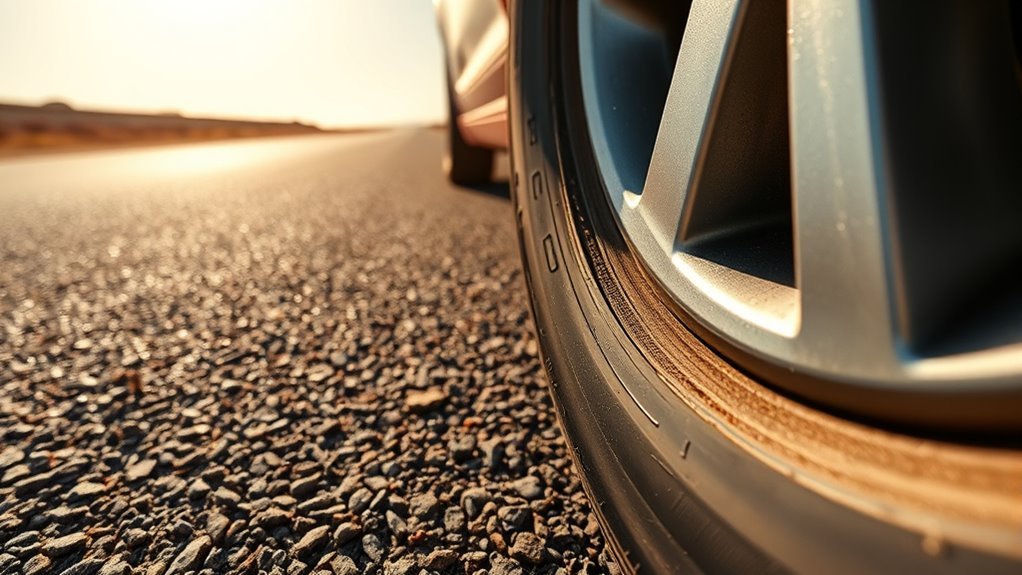
Hot weather raises tire pressure roughly 1–2 PSI per 10°F, increasing internal stress, reducing contact patch and handling, and accelerating tread and sidewall degradation. Elevated surface and tread temperatures speed compound wear, worsen wet traction, and raise blowout risk—especially under heavy loads or high speeds. You should check cold PSI frequently, park shaded, moderate loads and speed, and inspect for bulges, blisters or rapid leaks. Continue for practical checks, compound choices and tech that mitigate heat effects.
How Hot Weather Changes Tire Pressure: And What to Do Now
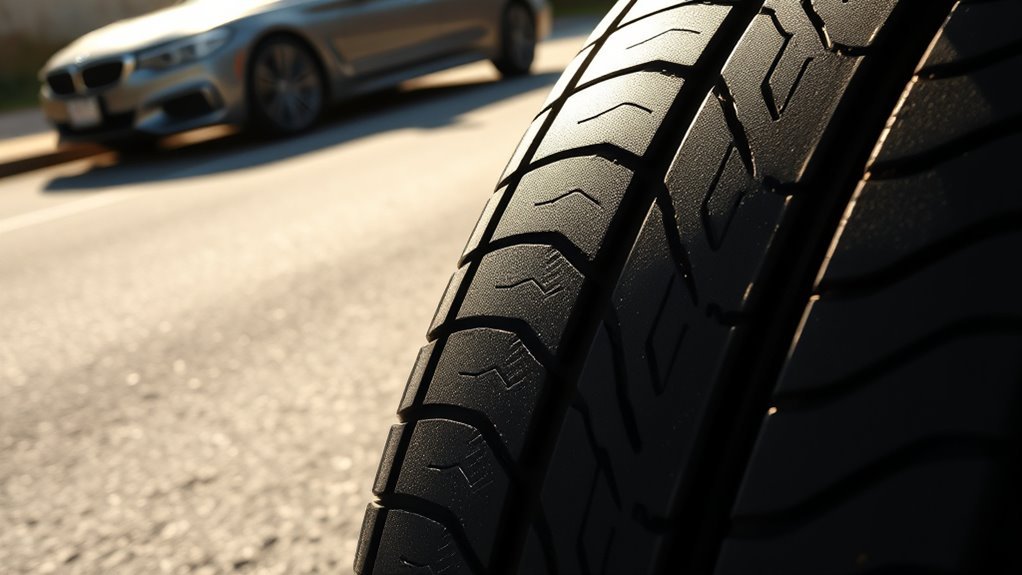
When temperatures climb, the air inside your tires expands and raises pressure roughly 1–2 PSI for every 10°F increase, so you’ll often find tires running above their recommended inflation in hot weather; that overinflation reduces contact patch, degrades handling, and raises blowout risk. You need to treat tire inflation as a control parameter: measure cold pressure before driving, compare to manufacturer specs, and bleed air to correct overpressure. Temperature effects are predictable—anticipate increases during heatwaves and long highway runs—so schedule checks more frequently. Park in shade to limit radiant heating and slow pressure rise, preserving rubber integrity and reducing emergency failures. Inspect tires for visible anomalies like bulges, cracks, or rapid pressure loss; those signs mean you must replace the tire rather than adjust pressure. By monitoring pressure and condition proactively, you maintain handling fidelity, reduce catastrophic failure probability, and keep autonomy over your vehicle’s safety systems.
How Summer Heat Wears Tires Out: And How That Reduces Grip
Because summer heat raises both tire pressure and tread temperature, your tires lose ideal contact and material integrity more quickly than in cooler conditions. You’ll see overinflation reduce the effective contact patch; with 1–2 PSI gained per 10°F, the center of the tire carries more load, accelerating wear of the tire tread’s middle ribs. Hot pavement compounds that effect: higher surface temperatures intensify abrasion, especially on shallower grooves, so tread depth falls faster and wet traction degrades. Elevated temperatures also soften rubber composition, lowering modulus and allowing edges to deform under cornering loads; steering precision and feedback drop as a result. Softer tread edges wear unevenly, increasing the chance of hydroplaning and blowouts if pressure isn’t corrected. To stay free from avoidable restriction, you’ll monitor and adjust pressure more frequently, inspect tread depth, and replace tires showing accelerated center or edge wear. Those measures preserve grip, control, and your ability to move without compromise.
Which Tire Compounds Work Best for Summer Driving
You’ll want compounds that balance rigidity with thermal stability: harder rubber compounds reduce deformation under load and retain shape at elevated pavement temperatures. Pairing those compounds with heat-resistant tread blocks minimizes heat buildup and preserves contact patch geometry for consistent grip. Next, we’ll compare specific compound formulations and tread block designs to quantify trade-offs in wear versus wet/dry traction.
Harder Rubber Compounds
Although harder rubber compounds offer greater abrasion resistance and longer tread life, they tend to stiffen on hot pavement and lose the micro-deformation needed for grip, so you should favor formulations engineered for warm temperatures. You’ll balance tire flexibility against rubber durability: harder mixes improve wear but sacrifice contact conformity when temperatures hit the typical summer range (60°F–100°F). Choose compounds designed to retain pliancy at elevated heat so you don’t trade traction for longevity. Evaluate lab-grade compound data and real-world tests that quantify wet and dry grip, rolling resistance, and wear rates. Prioritize tires that maintain predictable handling and hydroplaning resistance while minimizing uneven wear. That tactical selection frees you from compromising safety for extended tread life.
Heat-Resistant Tread Blocks
When pavement temperatures climb, heat-resistant tread blocks use specialized rubber formulations—often silica-reinforced—to retain flexibility, lower rolling resistance, and sustain grip on hot surfaces. You’ll value tread block benefits that combine temperature resilience with controlled wear, preventing overheating and reducing blowout risk. Choose compounds and constructions that balance grip and longevity for liberated mobility.
- Silica-reinforced rubber: reduces rolling resistance, improves traction
- Larger voids and sipes: channel water, limit hydroplaning during warm rain
- Reinforced sidewalls: enhance thermal stability and load support
- Heat-adaptive formulations: maintain flexibility, minimize heat-induced hardening
- Performance testing metrics: measure wear rate, peak operating temperature, and grip retention
You’ll prefer tires designed for sustained high-temperature operation, optimizing safety and freedom on hot roads.
Overheating Signs: When to Stop and Inspect Your Tires
If you notice visible tire deformation—bulges, sidewall bubbles, or unusual tread sag—you should stop immediately and inspect for structural failure. A strong, excessive heat smell or tires that feel scorching to the touch after driving are clear signs of overheating and potential compound breakdown. Rapid pressure loss following a hot run indicates a compromised seal or failure risk, so don’t continue until you confirm the cause and correct inflation.
Visible Tire Deformation
Visible deformation—bulges, pronounced sidewall flexing, or edge shininess—is a clear sign your tire is overheating and needs immediate inspection to prevent a blowout. You should assess tire bulging causes and sidewall flexing effects calmly but promptly. Check tread for separation, cracks, or blisters that indicate compromised structure from sustained heat. Measure pressure when tires are cool; heat-induced overinflation can produce visible deformities and accelerate wear. If edge shine or uneven edge wear appears, treat it as a critical fault requiring replacement or professional evaluation.
- Inspect bulges and blisters for localized delamination
- Compare wear patterns across axle and tire position
- Record PSI before and after cooling periods
- Note rapid pressure rise during operation
- Prioritize replacement when structural damage is evident
Excessive Heat Smell
Because a persistent burning-rubber odor signals tire overheating, stop as soon as it’s safe and inspect for damage before continuing. You’ll want to assess tread, sidewalls, and rim area for cracks, bulges, or soft spots; these are signs that temperatures exceeded design limits and rubber degraded. Tires can surpass 200°F, so let them cool before touching to avoid injury and to get accurate evaluation. Consider overheating causes—underinflation, excessive load, prolonged high-speed driving, or braking patterns—and address them in your tire maintenance routine. If you detect structural compromise, don’t drive; replace the tire. Otherwise, correct pressure, reduce load or speed, and monitor repeat occurrences. Act decisively: protecting mobility and autonomy depends on prompt, technical assessment.
Rapid Pressure Loss
A sudden drop in tire pressure after prolonged heat exposure signals more than a slow leak—you should stop and inspect immediately. You’ll want to assess sidewall bulges, tread separation, and residual heat; rapid pressure loss in hot conditions can precede tire blowouts. Use pressure monitoring tools and manual checks when tires are cold to confirm readings. If tires are hot to the touch or performance degrades, pull over safely.
- Check for visible cracking, bulging, or punctures
- Measure pressure after cooling; compare to recommended PSI
- Inspect tread for uneven, heat-accelerated wear
- Allow tires to cool; avoid immediate high-speed driving
- Replace compromised tires; don’t risk progressive failure
Act decisively to preserve mobility and autonomy.
Summer Tire Pressure Checklist: How to Check and Adjust PSI
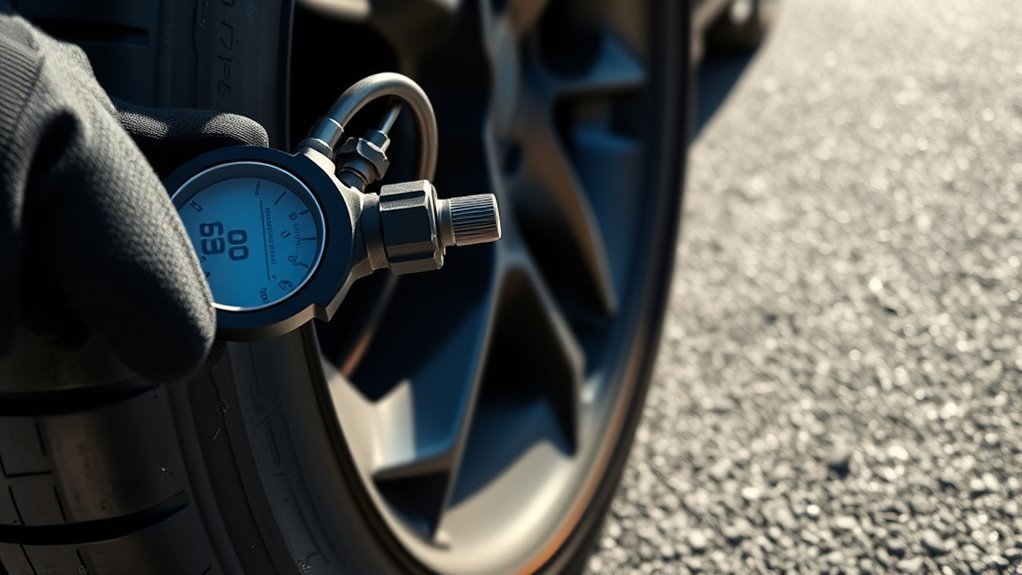
When temperatures climb, check your tire pressure regularly because PSI rises roughly 1–2 psi for every 10°F, which can push tires into an overinflated state that reduces road contact and raises blowout risk. You’ll adopt a disciplined checklist: inspect recommended PSI on the driver’s door frame or manual, use reliable checking methods (digital gauge preferred), and measure when tires are cool—ideally before driving—to avoid false highs. Place the gauge firmly on the valve stem, record readings for all four tires, and compare to spec. If PSI exceeds recommended, release air incrementally and recheck; if below, add air to target PSI and verify. Log adjustments and inspect for uneven wear or damage that suggest alignment or load issues. This procedural approach lets you reclaim control of vehicle safety and tire longevity during heat. Regular, precise checks and adjustments reduce handling degradation and minimize blowout exposure without relying on guesswork.
Parking, Loading, and Driving Habits to Keep Tires Cooler
If you park in shade or deploy a windshield sunshade, you’ll lower tire surface temperatures and slow UV and heat-related rubber degradation, so prioritize shaded spots and use covers where shade’s unavailable. You’ll also control thermal load through disciplined loading and driving habits that preserve mobility and extend tire life. Balance weight distribution across axles, avoid overloading, and keep pressures correct to prevent excess rolling resistance or local heat spikes.
- Park in shaded parking or use reflective covers when shade’s absent to reduce solar heating.
- Evenly distribute cargo; poor weight distribution concentrates stress and raises tire temperature.
- Check and maintain proper tire pressure before journeys; underinflation increases heat generation.
- Limit sustained high speeds; moderate speeds cut frictional heat and stabilize temperatures.
- Stop for cooling breaks every two hours or ~100 miles to allow tire cores to dissipate accumulated heat.
Adopt these measures to liberate your vehicle’s performance from preventable thermal degradation.
Tires and Tech for Everyday Drivers: TPMS and Heat‑Resistant Options
Although you may not notice them daily, TPMS and heat‑resistant tire technologies directly reduce heat‑related failures by giving you actionable pressure data and using materials and designs that tolerate higher operating temperatures. You’ll get real-time PSI readings that expose underinflation before heat amplifies stress; that’s a core TPMS benefits outcome, enabling immediate corrective action and lowering blowout risk. Choose heat‑resistant compounds and reinforced sidewalls to resist thermal degradation and maintain tire longevity under sustained high ambient temperatures. Measure pressure when tires are cool — ambient heat can raise PSI about 1–2 PSI per 10°F — and treat TPMS alerts as operational commands, not suggestions. Innovative tread patterns and construction improve heat dissipation, reducing peak rubber temperature and slowing tread wear. By combining monitoring systems with purpose-built tires, you liberate yourself from avoidable failures and extend service life through informed intervention and components engineered for elevated thermal loads.
Frequently Asked Questions
Can Switching Tire Brands Reduce Heat-Related Wear?
Yes, switching brands can help: you’ll reduce heat-related wear if the tire composition tolerates high temperatures and tread patterns improve cooling and heat dispersion, letting you liberate performance while maintaining pressure and minimizing accelerated degradation.
Do Run‑Flat Tires Handle Heat Differently?
Yes — you’ll find run‑flats handle heat differently: their stiffer tire composition raises internal temperatures, reducing heat dissipation; you’ll need careful pressure management and cooling considerations to preserve freedom from premature wear and failure.
How Does Sidewall Damage Affect Heat Tolerance?
A 60% strength loss in a cut sidewall means you’ll see reduced heat dissipation and compromised sidewall integrity; you’ll experience faster heat buildup, higher failure risk, and should replace the tire to regain safe performance and freedom.
Are Nitrogen‑Filled Tires Better in Hot Weather?
Yes — nitrogen benefits include improved temperature stability, so you’ll see slower pressure changes and reduced oxidation risk; you’ll gain modest safety and longevity advantages, empowering you to manage heat effects more predictably and confidently.
Can Wheel Alignment Influence Tire Overheating?
Yes — misaligned alignment angles raise local friction, so you’ll see uneven wear and hotspots; regular tire rotation and correct alignment angles reduce overheating, extend tread life, and free you from preventable failures.
Conclusion
Hot weather raises tire pressure roughly 1–2 psi for every 10°F (5–10°C) increase, so you’ll need to monitor PSI more often to avoid overinflation and uneven wear. Summer compounds trade longevity for grip, and overheating can cut tread life dramatically—some studies show high temp exposure can reduce tire life by up to 30%. Check pressure when cold, inspect for bulges or glazing, reduce load and speed, and rely on TPMS plus heat‑resistant tires for routine protection.
Related Articles
Motorcycle Tire Pressure Chart: Recommended PSI by Type
Discover ideal PSI ranges for road, track, and wet motorcycle tires — practical tips and adjustments await to optimize grip and safety.
Read More
Bicycle Tire Pressure Chart by Rider Weight: PSI Guide
Want optimal ride feel and fewer flats? Discover PSI baselines by weight, tire type, and wheel size to fine-tune grip and comfort.
Read More
How Altitude Affects Tire Pressure: High Elevation Guide
Note how tire PSI drops with elevation—learn the simple adjustments to maintain safety, efficiency, and tire life as you climb.
Read More
One Comment