
Tire Bead Leak Symptoms on a RAV4: Diagnosis and Fix
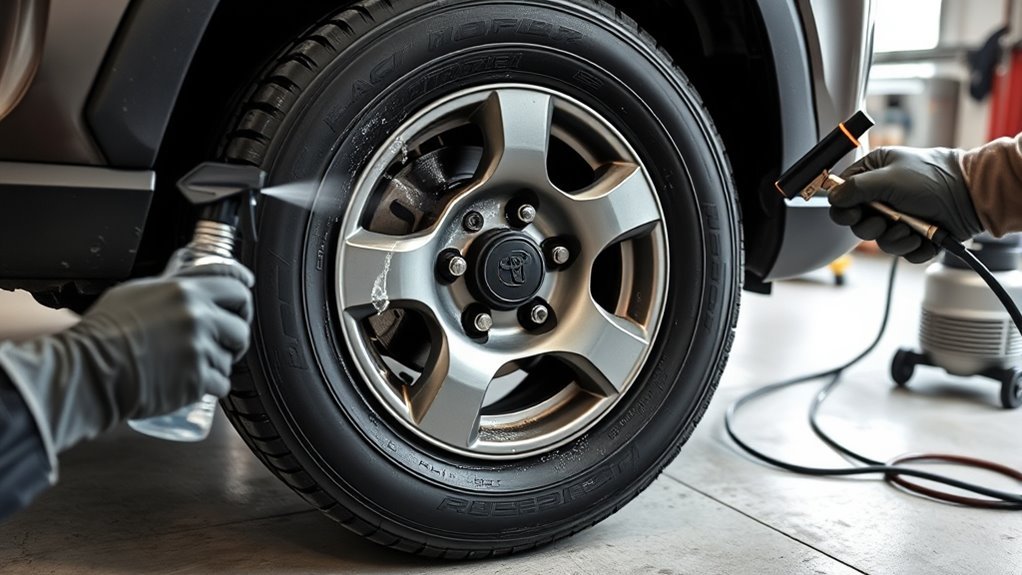
If you’re experiencing gradual air loss or uneven tire wear on your RAV4, you might have a tire bead leak. Check for visible gaps between the tire bead and rim, listen for hissing sounds, and watch for TPMS activation. Diagnosing bead leaks involves visual inspections and soapy water tests. If you suspect a leak, it’s essential to address it quickly to avoid unsafe driving conditions. Keep exploring to discover effective repair methods and preventive measures.
What Are Tire Bead Leaks and How Do They Occur?
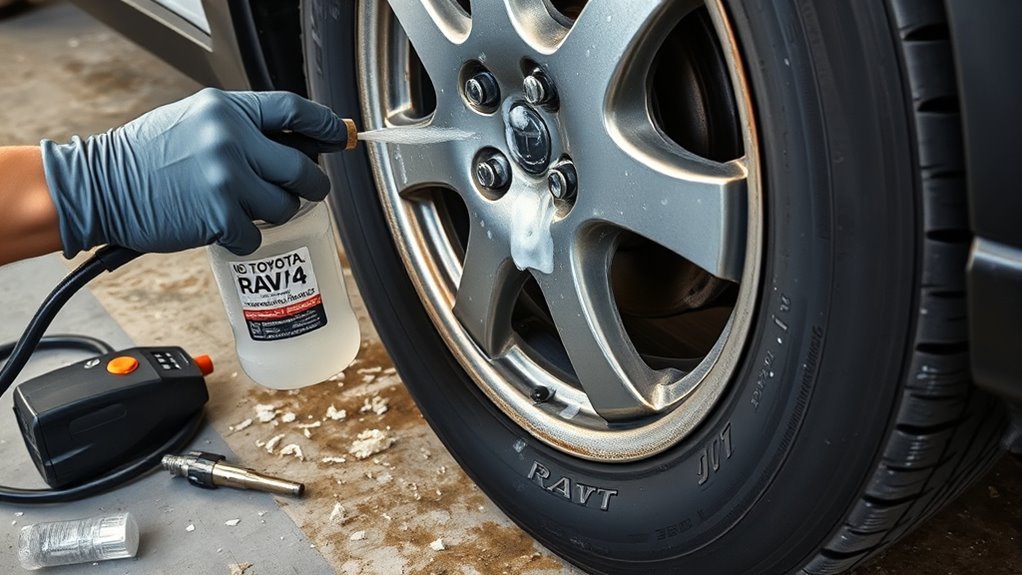
Tire bead leaks occur at the junction where the tire meets the rim, primarily due to improper seating or contamination. These leaks often arise from rim corrosion, which disrupts the seal necessary for maintaining tire pressure. When the rim’s surface deteriorates, it prevents a tight fit, leading to gradual air loss that you might not immediately notice. Regular tire maintenance is essential; inspecting both the tire and rim can help identify potential issues before they escalate.
If you suspect a bead leak, applying soapy water to the bead area is an effective diagnostic method. Look for bubbles, which indicate escaping air. Keeping the rim clean and free from corrosion not only guarantees a proper seal but also enhances overall tire performance. By staying proactive with inspections, you can avoid the inconveniences associated with tire bead leaks and maintain the integrity of your vehicle’s tires.
Identifying Key Symptoms of Tire Bead Leaks on Your RAV4
When dealing with bead leaks on your RAV4, it’s important to recognize the symptoms that signal air loss. Regular tire maintenance can help you catch these issues early. Here are key symptoms to look for:
Recognizing bead leaks early is crucial for your RAV4; regular tire maintenance can help identify air loss symptoms.
- Gradual Air Loss: Monitor air pressure regularly; consistent drops indicate a potential leak.
- Uneven Tire Wear: Check for abnormal wear patterns that suggest a poor seal at the bead.
- Visible Gaps: Inspect the area between the tire bead and rim; noticeable gaps mean a compromised seal.
- Hissing Sounds: While stationary, listen for a hissing sound, indicating escaping air from the bead area.
What to Do If You Suspect a Tire Leak?
If you suspect a tire leak, start with a thorough visual inspection of your tire. Look for any visible damage or objects embedded in the tread. Next, use soapy water to check for bubbles around the tire bead and valve stem—these indicate where air might escape. Regular tire maintenance, including monitoring tire pressure, is essential, especially if the TPMS light activates.
| Inspection Method | What to Look For | Action Required |
|---|---|---|
| Visual Inspection | Damage or embedded objects | Remove objects, assess damage |
| Soapy Water Test | Bubbles at bead or valve stem | Identify leak source |
| Submersion Test | Hairline cracks | Consult a tire professional |
If you detect a leak, consult a tire professional for repair options. Damage near the bead or sidewall often requires specialized attention for effective leak prevention.
Effective Ways to Diagnose Tire Bead Leaks
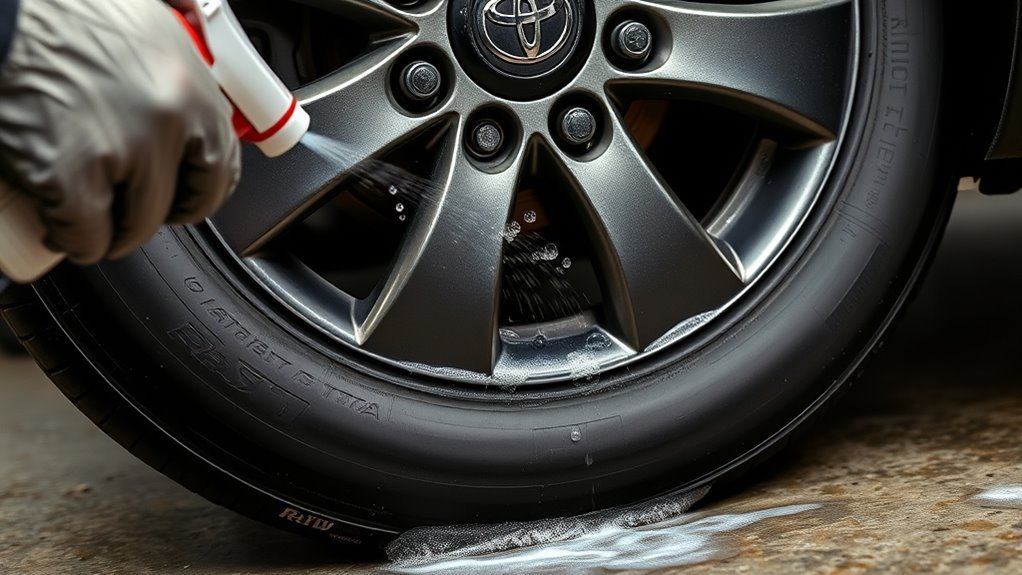
To effectively diagnose tire bead leaks, start with a thorough visual inspection of the bead area for any visible damage or debris. Next, apply soapy water to the bead and watch for bubbles, which indicate escaping air. This straightforward method helps pinpoint leaks without requiring specialized tools.
Visual Inspection Techniques
Visual inspection is essential for diagnosing tire bead leaks on your RAV4. By carefully examining the tire and rim, you can identify potential issues that may lead to air loss. Follow these steps for effective bead inspection:
- Check for dirt or debris around the bead area; contaminants can disrupt the seal.
- Look for uneven tire wear, which might indicate improper seating or a bead leak.
- Examine the rim for signs of corrosion or cracks, particularly where the tire bead meets the wheel.
- Monitor tire pressure, noting any consistent drops in PSI, as this can signal an underlying bead leak needing attention.
Addressing these issues promptly can enhance your vehicle’s performance and safety.
Soapy Water Method
One effective method for diagnosing tire bead leaks on your RAV4 involves using a simple soapy water solution. To perform this test, inflate the tire to the recommended pressure, then apply the soapy mixture around the bead area. Watch closely for any bubbling, which indicates air escaping through a leak. This technique is particularly useful for detecting small, hard-to-see pinhole leaks that can compromise your tire’s integrity. Regularly employing the soapy water method not only aids in timely repairs but also enhances tire maintenance and leak prevention, reducing the risk of blowouts. It’s a quick, cost-effective solution that requires no specialized equipment, empowering you to take control of your vehicle’s safety.
How to Identify Tire Bead Leaks Yourself
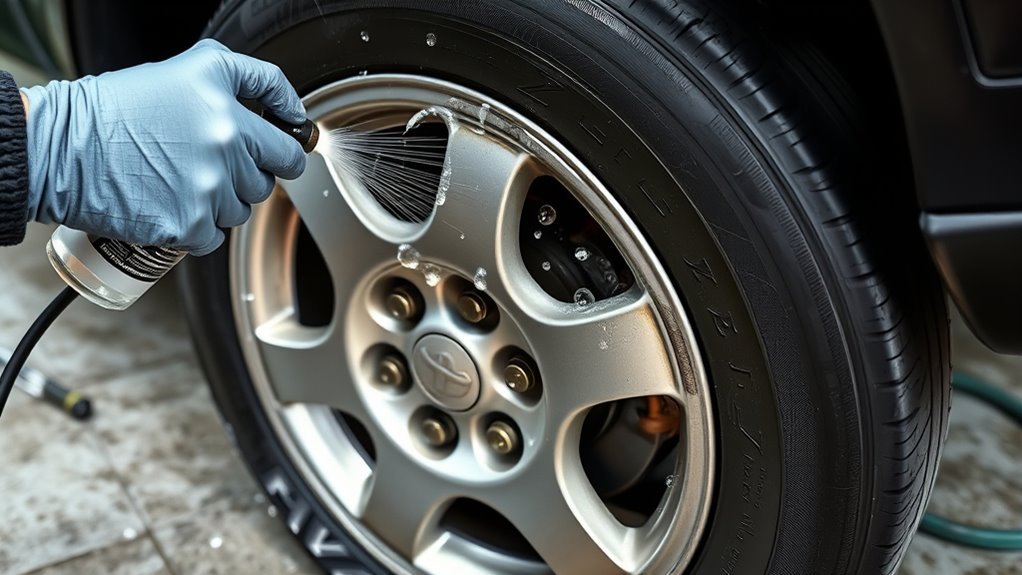
To identify tire bead leaks yourself, start with a thorough visual inspection of the tire and rim for any signs of damage or corrosion. Next, use the soap and water method by applying soapy water around the bead area; look for bubbles forming, which indicate escaping air. Regularly monitoring these aspects can help you catch leaks before they escalate.
Visual Inspection Techniques
Identifying tire bead leaks requires a thorough inspection of the tire bead area, where the tire meets the rim. Follow these steps for effective rim inspection:
- Check for Gaps: Look closely for any irregularities or gaps between the tire and rim.
- Inspect for Rust: Examine the wheel rim for rust or corrosion, which can jeopardize the bead seal.
- Examine the Valve Stem: Confirm the valve stem is intact, free of damage or debris that could lead to leaks.
- Monitor Tire Shape: Regularly assess tire pressure and watch for any shape changes or handling irregularities.
Soap and Water Method
After completing a visual inspection, you can further confirm the presence of tire bead leaks using the soap and water method. Mix equal parts soap and water, then apply the solution to the junction between the tire bead and rim. Watch closely for bubbles; if they form, air is escaping, indicating a leak. Make sure the tire bead is seated properly on the rim, as improper seating often leads to leaks. Also, inspect for corrosion or debris around the bead, which can obstruct the seal and cause slow leaks. Regularly checking for bead leaks is essential for leak prevention, especially if you notice a drop in tire pressure or uneven tire wear.
What to Expect From Professional Tire Bead Repairs
When you bring your RAV4 in for professional tire bead repairs, expect a thorough process aimed at ensuring a reliable seal. The technicians will employ various bead sealing and repair techniques to address the issue effectively. Here’s what you can anticipate:
Expect a meticulous process for tire bead repairs, ensuring a reliable seal through expert techniques and thorough inspections.
- Cleaning: They’ll clean the rim and tire bead to eliminate contaminants, ensuring a tight seal.
- Inspection: The tire will be removed for a detailed inspection of the bead and rim for any damages.
- Leak Detection: A soapy water solution helps pinpoint air leaks during the repair process.
- Re-seating or Sealant: Depending on the damage, they may re-seat the tire bead or apply a tire sealant to enhance the seal.
Most reputable tire shops also offer warranties on bead repairs, giving you peace of mind about the durability of the fix.
Preventive Measures to Avoid Tire Bead Leaks
To prevent tire bead leaks on your RAV4, regularly inspecting the tire bead area is important, as dirt, debris, or corrosion can compromise the seal between the tire and rim. Make sure you perform thorough bead inspections to identify any issues early. Proper tire installation is critical; an incorrectly seated bead can lead to leaks, particularly after tire changes. Maintaining the recommended tire pressure is also essential—both over-inflation and under-inflation can exacerbate bead seal problems. Rotate your tires every 5,000 miles to promote even wear and support peak bead integrity. Additionally, consider applying a protective sealant or tire dressing to the bead area periodically. This not only prevents corrosion but also enhances the durability of the seal. By adhering to these tire maintenance practices, you’ll greatly reduce the risk of tire bead leaks and guarantee a smoother, safer driving experience in your RAV4.
When to Seek Expert Help for Tire Maintenance?
How can you determine the right moment to seek expert help for tire maintenance? Knowing when to consult a professional can enhance your safety and prolong the life of your tires. Here are four key indicators:
- Consistent Pressure Drop: If you notice a steady decline in tire pressure without visible punctures, it’s time for expert inspection.
- Ineffective DIY Methods: If using soapy water to find leaks doesn’t work, don’t hesitate to seek professional assistance.
- Damage from Obstacles: Hitting curbs or potholes can compromise your tire’s bead seal. Consult a technician for assessment.
- Uneven Wear: If you observe irregular tire wear patterns, it’s essential to get a professional evaluation to prevent blowouts.
Regular tire maintenance checks can catch issues early, safeguarding your vehicle and enhancing your driving experience. Don’t overlook these signs—your safety depends on it!
Frequently Asked Questions
How Much Does It Cost to Fix a Tire Bead Leak?
Fixing a tire bead leak usually costs between $20 to $100, depending on labor and tire maintenance needs. Cost factors include shop rates and whether the tire needs re-seating. Always check for warranties or free repairs.
How to Fix a Leaking Bead on a Tire?
To fix a leaking tire bead, apply soapy water to locate bubbles, clean the rim for a secure seal, or use temporary bead sealing methods. Regular tire maintenance tips can prevent future issues and guarantee safety.
How to Tell if a Tire Bead Is Leaking?
To tell if a tire bead’s leaking, check for air pressure drops, listen for hissing sounds, and apply soapy water around the bead—bubbles indicate escaping air. Regular tire maintenance helps prevent these issues.
Conclusion
In conclusion, keeping an eye on tire bead leaks is essential for your RAV4’s performance and safety. If you notice symptoms like a drop in tire pressure or unusual noises, it’s time to act. Remember, a stitch in time saves nine—addressing issues promptly can prevent costly repairs down the line. Regular inspections and maintenance can help you avoid these problems altogether. Don’t hesitate to seek professional help if you’re uncertain; your tires are your connection to the road.

Related Articles

Upsizing Wheels on a Toyota RAV4: Pros, Cons, and Considerations
Boost your Toyota RAV4's performance with larger wheels, but discover the hidden trade-offs that could impact your ride before you decide.
Read More
Can I Change Tire Size on My Toyota RAV4? Rules and Recommendations
Are you considering changing the tire size on your Toyota RAV4? Discover the essential rules and recommendations before making a decision.
Read More
What to Do If the TPMS Light Comes On in Your RAV4
Understand the steps to take when the TPMS light illuminates in your RAV4, as overlooking it could lead to serious tire problems.
Read More