
Run-Flat Tires vs. Regular Tires for Toyota RAV4: Pros and Cons
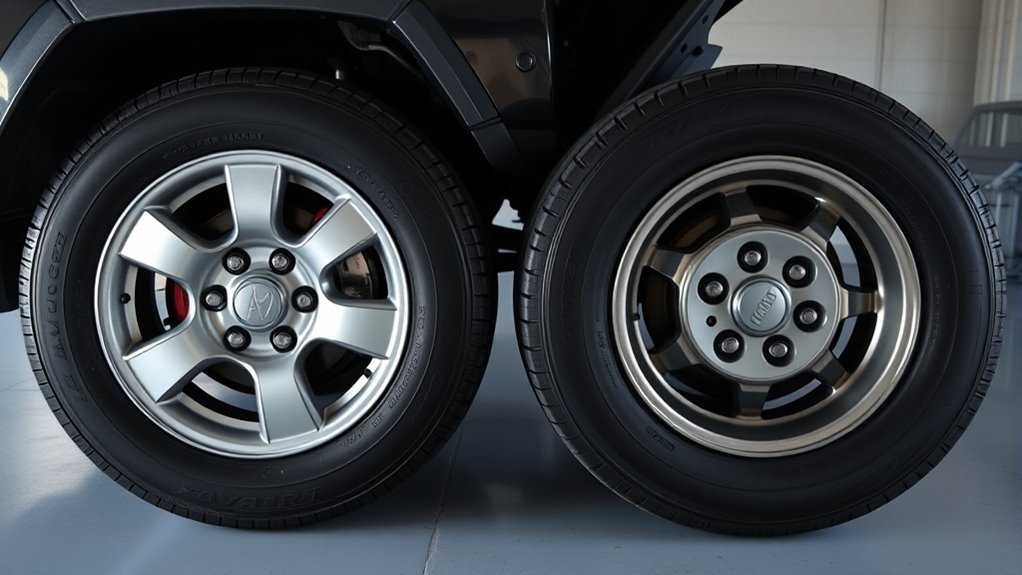
When choosing tires for your Toyota RAV4, consider run-flat vs. regular tires. Run-flats let you drive up to 50 miles after a puncture, boosting safety and convenience. However, they can offer a rougher ride and come at a higher cost. Regular tires provide a smoother experience and more options for maintenance. Weighing your driving lifestyle and comfort preferences will help you make the best decision for your needs. There’s more to explore on this topic!
Understanding Tire Options for Your Toyota RAV4: Run-Flat vs. Regular

When you’re considering tire options for your Toyota RAV4, understanding the differences between run-flat and regular tires is essential. Run-flat tires let you drive up to 50 miles at 50 mph after a puncture, minimizing the need for immediate roadside assistance. This can enhance your sense of freedom, especially if you’re often on the go. However, they’re pricier—25-50% more than regular tires—and may lead to higher long-term expenses due to limited repair options.
Regular tires, on the other hand, offer a smoother ride and better comfort, making them ideal for daily driving habits. They absorb shocks effectively, contributing to a more enjoyable experience on the road. Plus, you’ll find a wider selection available, allowing for better tire maintenance choices. Ultimately, your decision should reflect your driving lifestyle and how much you value convenience versus comfort.
What Are Run-Flat Tires and How Do They Work?
Run-flat tires represent a significant innovation in automotive safety and convenience. These tires are engineered with reinforced sidewalls, allowing you to drive up to 50 miles at speeds of 50 mph after a puncture. This feature provides you peace of mind during emergencies. There are two main designs: self-supporting sidewalls made of durable rubber and supporting ring systems that incorporate a hardened rubber ring for added stability.
However, the specialized tire technology comes with a price—run-flat tires often cost 25-50% more than standard options. While they enhance safety by maintaining control post-deflation, you might experience a harsher ride quality. Plus, repairing these tires can be more complex. To maximize their effectiveness, it’s essential to use a tire pressure monitoring system (TPMS) and follow proper maintenance tips. Understanding these elements can help you make informed decisions for your Toyota RAV4.
Top Advantages of Run-Flat Tires for Your RAV4
When considering run-flat tires for your RAV4, you’ll quickly notice their enhanced safety features and increased convenience. These tires let you maintain control after a puncture, giving you peace of mind on the road. Plus, by eliminating the need for a spare, you gain extra space and improve fuel efficiency—two big wins for any driver.
Enhanced Safety Features
If you want peace of mind while driving your Toyota RAV4, consider the enhanced safety features that run-flat tires offer. These tires allow you to continue driving for up to 50 miles at speeds of 50 mph after a puncture, ensuring you can reach a repair shop without needing roadside assistance. The reinforced sidewalls maintain steering control during deflation, greatly improving accident prevention. Plus, the elimination of a spare tire reduces your vehicle’s weight, which can enhance fuel economy. Run-flat tires are built to withstand considerable impacts, providing reassurance in emergencies. Coupled with tire pressure monitoring systems (TPMS), you’ll receive timely alerts for air loss, making these tires a smart choice for overall safety enhancements on the road.
Increased Convenience and Space
While driving your Toyota RAV4, the last thing you want is to be stuck on the side of the road dealing with a flat tire. Run-flat tires offer incredible roadside efficiency, allowing you to drive up to 50 miles at 50 mph after a puncture. This means you can reach a repair shop without the hassle of changing a tire in an unsafe area. Plus, by eliminating the need for a spare, you save 35-50 pounds, enhancing fuel efficiency and freeing up valuable cargo flexibility. More space means more room for passengers and gear, making your RAV4 even more versatile. With run-flat tires, you not only enjoy peace of mind but also a more liberating driving experience.
Disadvantages of Run-Flat Tires for Your RAV4
Although run-flat tires offer the convenience of driving on a flat, they come with several disadvantages for your RAV4. Here are three key concerns you should consider:
- Cost Implications: Run-flat tires typically cost 25-50% more than regular tires. This higher initial investment can strain your budget.
- Ride Comfort: The stiffer construction of these tires often results in a rougher ride. You may experience increased road noise and vibrations, negatively affecting your overall driving comfort.
- Limited Lifespan and Repair Options: With a lifespan averaging only 30,000-50,000 miles, you’ll likely face more frequent replacements. Plus, most damage requires complete tire replacement, leading to higher long-term maintenance costs.
Before making a decision, weigh these disadvantages against the benefits to see what truly fits your needs and lifestyle.
Performance Comparison: Run-Flat vs. Regular Tires
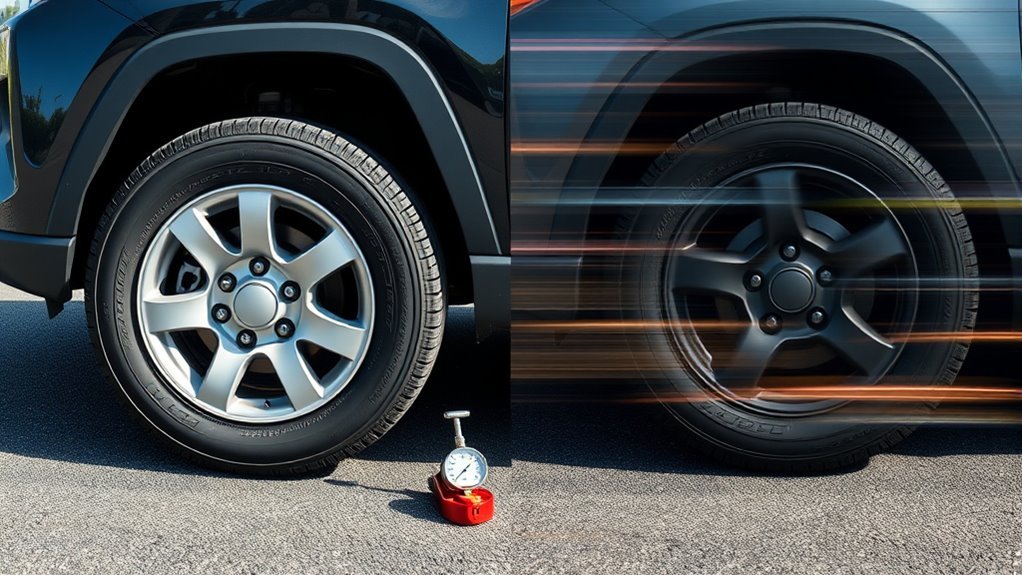
When comparing run-flat tires to regular tires for your Toyota RAV4, performance plays a vital role. You’ll find that run-flats excel in emergency situations, allowing you to drive after a puncture, but they often compromise on comfort and handling. Additionally, understanding the durability and lifespan differences can help you make a more informed decision for your driving needs.
Performance Under Pressure
Choosing between run-flat tires and regular tires for your Toyota RAV4 involves understanding their performance under pressure. Here’s how they stack up:
- Steering and Stability: Run-flat tires maintain 70-80% of normal steering feel, allowing safe maneuvering even when deflated. Regular tires can lead to a loss of control.
- Driving Distance: You can drive up to 50 miles at 50 mph on run-flats after losing air, while standard tires need immediate replacement.
- Ride Quality: Run-flats often have stiffer sidewalls, resulting in a harsher ride and more road noise, unlike regular tires that offer a smoother experience.
Ultimately, your choice will affect tire pressure management and how well you navigate various road conditions.
Handling Characteristics Comparison
While considering the handling characteristics of run-flat tires versus regular tires for your Toyota RAV4, it’s essential to recognize how each option impacts your driving experience. Run-flat tires maintain 70-80% of normal steering feel even when deflated, enhancing cornering stability considerably. This means you can handle emergencies better without losing control. However, regular tires generally offer a smoother ride, absorbing road imperfections more effectively, which contributes to overall comfort. While they may compromise traction during a flat, their lighter weight usually provides better responsiveness and fuel efficiency. Ultimately, if you prioritize cornering stability and emergency handling, run-flats might suit you. If comfort and ride quality are your focus, regular tires could be the way to go.
Durability and Lifespan Analysis
The durability and lifespan of tires play a significant role in your overall driving experience, especially for your Toyota RAV4. When considering run-flat versus regular tires, keep these points in mind:
- Lifespan: Run-flat tires last 30,000 to 50,000 miles, while regular tires can reach 40,000 to 80,000 miles.
- Puncture Resistance: Regular tires are generally easier to repair and more resistant to damage, enhancing their longevity.
- Cost Effectiveness: With run-flats costing 25-50% more and needing more frequent replacements, a cost analysis favors regular tires.
Effective tire maintenance is essential for maximizing durability. Understanding these factors will empower you to make informed decisions that enhance your driving experience and budget.
Are Run-Flat Tires Worth It?
Have you ever considered how much peace of mind a run-flat tire can offer? With the ability to drive up to 50 miles after a puncture, they enhance your safety during emergencies. This convenience eliminates the need for a spare tire, potentially improving your fuel efficiency by about 0.2-0.3 MPG. However, a cost analysis reveals that they typically run 25-50% more than regular tires, leading to higher long-term expenses due to limited repair options and shorter tread life.
Comfort factors also come into play; the stiffer sidewalls provide predictable handling but may result in a rougher ride and increased road noise. Additionally, availability can be an issue, especially in rural areas. Ultimately, weigh the safety benefits against the potential drawbacks to determine if run-flat tires are worth it for your driving style and lifestyle.
User Experiences With Run-Flat Tires
Many drivers discover that user experiences with run-flat tires can be a mixed bag, often reflecting personal priorities and driving habits. Here are some key insights from tire feedback:
- Ride Quality: Many users report a stiffer ride, leading to discomfort on longer trips compared to regular tires, which provide a smoother experience.
- Cost Concerns: The higher replacement costs—often 25-50% more than conventional tires—can greatly impact your budget, making some reconsider their choices.
- Convenience vs. Performance: While the ability to drive up to 50 miles after a puncture is a major convenience, some drivers mention diminished handling and traction due to stiffer sidewalls, impacting daily driving performance.
Ultimately, your experience may vary based on driving conditions and expectations, so weigh these factors carefully when deciding on run-flat tires for your RAV4.
Frequently Asked Questions
Do I Have to Tell My Insurance if I Change From Run Flat Tyres?
Yes, you should notify your insurance about changing from run-flat tires. This impacts your insurance coverage and could affect claims. Staying proactive guarantees you maintain proper coverage and address any tire maintenance needs.
Why Aren’t Run-Flat Tires More Popular?
Run-flat tires aren’t more popular due to safety concerns and performance differences. Many drivers prefer comfort and cost-effectiveness, avoiding the stiffer ride and higher prices, seeking solutions that better suit their driving desires.
Do Run-Flat Tires Wear Out Faster?
Yes, run-flat tires do wear out faster. Their reinforced design affects tread life and performance impact, leading to quicker degradation, especially under aggressive driving. Regular inspections are essential to catch hidden damage before it’s too late.
Conclusion
In deciding between run-flat and regular tires for your Toyota RAV4, consider your driving habits and needs. While run-flat tires can keep you moving for up to 50 miles after a puncture, they often come with a stiffer ride and higher costs. Notably, studies show that nearly 40% of drivers experience a flat tire at some point. Weigh the pros and cons, and choose the option that best fits your lifestyle and safety preferences.

Related Articles

Upsizing Wheels on a Toyota RAV4: Pros, Cons, and Considerations
Boost your Toyota RAV4's performance with larger wheels, but discover the hidden trade-offs that could impact your ride before you decide.
Read More
Can I Change Tire Size on My Toyota RAV4? Rules and Recommendations
Are you considering changing the tire size on your Toyota RAV4? Discover the essential rules and recommendations before making a decision.
Read More
What to Do If the TPMS Light Comes On in Your RAV4
Understand the steps to take when the TPMS light illuminates in your RAV4, as overlooking it could lead to serious tire problems.
Read More