4 Ply Vs 6 Ply Tires: Which Do You Actually Need?
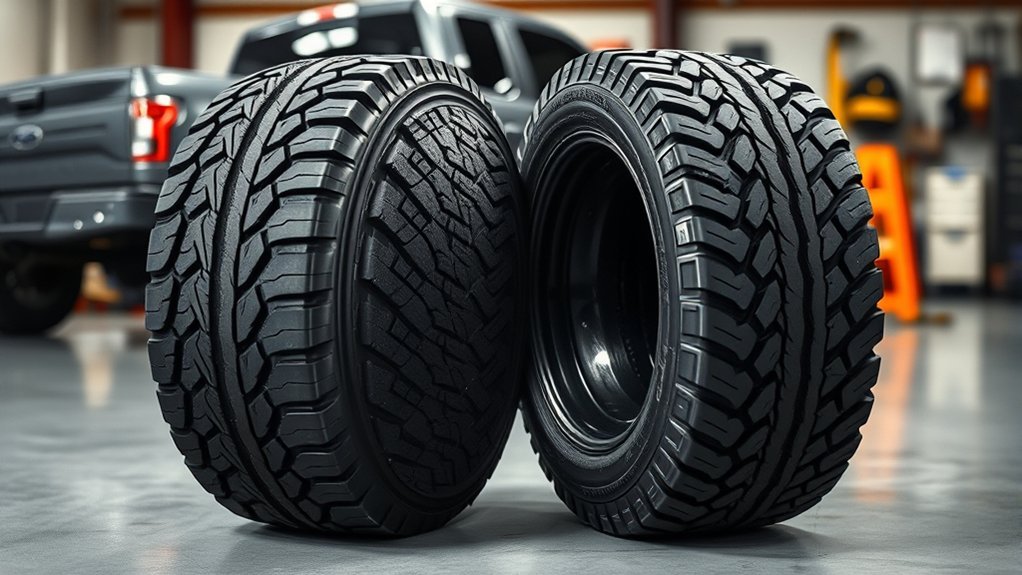
You need 6-ply tires if you carry heavier loads, tow, drive rough roads, or want better puncture resistance and sidewall stability. Choose 4-ply tires if you want a softer ride, lower rolling resistance, and mostly drive light-duty on paved roads. Ply rating reflects strength, not actual layers, so check the tire’s load index and your vehicle placard before buying. The right choice depends on how you use your vehicle, and the details matter.
Key Takeaways
- Ply rating reflects tire strength and load capacity, not the actual number of layers.
- 6-ply tires are stronger and better for towing, hauling, and rough terrain.
- 4-ply tires usually ride softer and work well for light-duty, paved-road driving.
- Check your vehicle’s load index and placard before choosing between 4-ply and 6-ply tires.
- Choose the tire that matches your load, road conditions, and comfort needs.
[Products Worth Considering]

Keep your tires properly inflated with this analog VONDIOR tire pressure gauge, designed for fast, easy readings without batteries. The swiveling, two-axis hose and large glow dial help you measure at any tire angle with instant visibility. Built with a protective rubber shield, it supports durable, low-maintenance use for cars and trucks.

Secure your vehicle during transport with this 4-pack of heavy-duty tire tie down straps designed for trailers and hauling. The ratchet system with flat hooks and D-rings helps you tension the straps quickly, while the wheel-friendly design protects tires. With high break strength and corrosion-resistant hardware, these straps provide reliable, confidence-inspiring tie-down security for cars, trucks, and UTVs.

Secure your parked vehicle quickly with AFA Tooling 4T rubber wheel chocks in a 4-pack for two dual-wheel sets. The ribbed design and textured base grip fast without pounding, so you can chock tires on trailers, RVs, ATVs, and work vehicles with confidence. EZ rustproof handles with rope ties keep the pair together for easy placement and removal, while nylon-reinforced rubber stands up to dirt, ice, salt, and harsh weather.
What Do Ply Ratings Actually Mean?
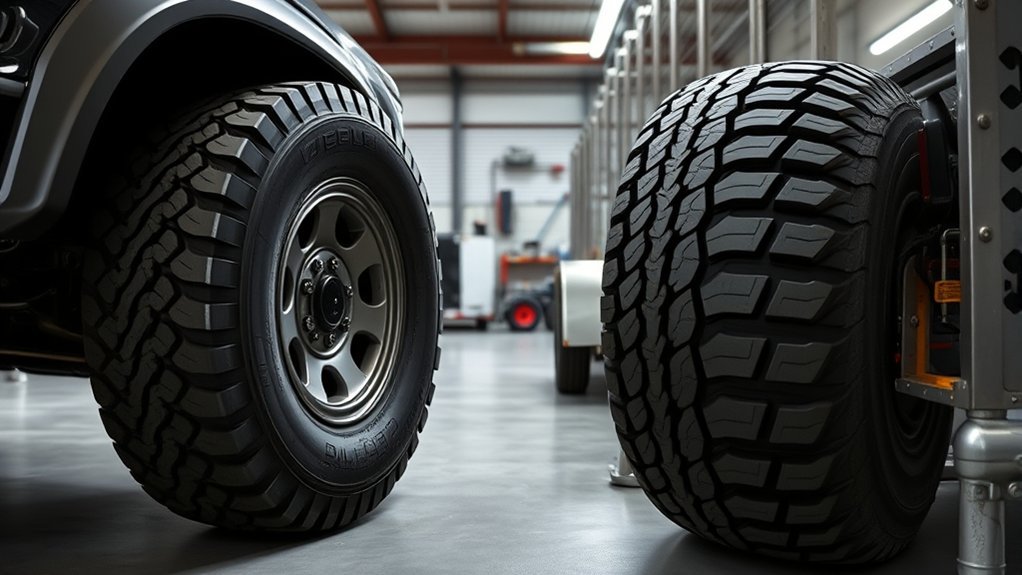
Ply ratings tell you how much internal reinforcement a tire has, which affects its strength, load-carrying ability, and resistance to punctures. You’re reading a shorthand for carcass design, not a count of visible layers.
In modern tires, manufacturers use synthetic cords and belts, so the rating reflects equivalent strength from ply construction rather than literal fabric plies. When you check a tire spec, you’re really comparing how much structural support the casing provides under load, heat, and road stress.
Higher ratings usually indicate greater tire durability, especially if you haul cargo, tow, or run on rough surfaces. Lower ratings can still work well if your vehicle stays light and your routes are smooth.
Always match the rating to your actual use, inflation pressure, and axle load. If you ignore the spec, you can reduce handling precision and shorten service life.
4 Ply Vs 6 Ply Tires: What’s the Difference?
When you compare 4-ply and 6-ply tires, the key difference is strength, stiffness, and load capacity rather than the number of actual fabric layers.
You’ll usually feel a 6-ply tire as firmer because its casing resists flex more under cornering, braking, and rough surfaces. A 4-ply tire typically rides more compliant, which can improve comfort and traction on smoother terrain.
The added rigidity in a 6-ply design can also improve tire durability by helping the carcass resist punctures, cuts, and deformation from impacts.
The extra rigidity in a 6-ply tire can improve durability by resisting punctures, cuts, and impact damage.
In practical use, that stiffness changes weight distribution across the contact patch, so the tire maintains its shape better when you load it hard or run low pressure.
If you want a softer ride and lighter-duty use, 4-ply often fits. If you need a tougher carcass and more controlled handling, 6-ply is the better technical choice.
Which Tire Carries More Weight?
A 6-ply tire carries more weight than a 4-ply tire because it’s built with a stronger, stiffer carcass that can support a higher load rating. You should verify the load index stamped on the sidewall, because ply count alone doesn’t define capacity; tire construction does.
A 6-ply design usually uses more robust internal materials and tighter reinforcement, so it can tolerate heavier cargo, towing, or repeated load cycles with less deformation. If you’re carrying tools, passengers, or gear, the extra margin matters.
You also need to evaluate weight distribution: even loads across all four tires let each tire work within its rated limit, while uneven loading can overload one corner quickly. A 4-ply tire can still be adequate for light-duty use, but it’s the better choice only when your actual load stays low.
Match the tire’s rated capacity to your vehicle’s maximum operating weight, not just its intended use.
How Do 4 Ply and 6 Ply Tires Ride?
A 4-ply tire usually rides softer because its lighter construction flexes more over bumps and road irregularities.
A 6-ply tire feels firmer, but you’ll get better load support and lateral stability when you’re carrying heavier cargo or towing.
If you want the most compliant ride, choose 4-ply; if you need controlled handling under load, 6-ply is the stronger option.
Ride Comfort Differences
If you prioritize a smoother ride, 4 ply tires usually feel more compliant because their lighter construction flexes more over bumps and rough pavement. That extra deflection can improve ride quality in daily driving, especially when your routes include patched roads or expansion joints.
Your comfort factors also include tire pressure, sidewall height, and vehicle suspension tuning, so the casing rating isn’t the only variable.
- 4 ply: softer response, more road isolation
- 6 ply: firmer feel, less compliance over chatter
- Best choice: match ride goals to pavement conditions
A 6 ply tire often transmits more texture through the cabin, which you may notice on shorter wheelbase vehicles.
If you want a cushier commute, 4 ply usually wins; if you prefer a tauter, more controlled feel, 6 ply can suit you better.
Load And Stability
When you carry heavier loads, 6 ply tires usually hold their shape better and feel more stable because the stiffer casing resists sidewall flex under weight.
You’ll notice better load distribution across the tread, which helps the tire stay planted during braking, cornering, and towing. That extra stiffness also improves stability performance on rough pavement and when you hit potholes or ruts.
A 4 ply tire can still work well, but it flexes more, so you may feel more sway and less precision as weight increases.
If you run light cargo or prioritize a smoother ride, 4 ply can be enough. If you regularly haul gear, tow, or carry passengers, 6 ply gives you more control and a stronger safety margin.
Which Ply Rating Works for Daily Driving?
For most daily driving, a 4-ply tire usually makes the better choice because it offers lighter steering, better ride comfort, and lower rolling resistance than a 6-ply tire. You’ll notice the difference in stop-and-go traffic, parking, and highway cruising, where efficiency and comfort matter most.
In tire selection, match the rating to your real use, not just the highest number.
- Quicker steering response
- Softer impact absorption
- Better fuel economy potential
A 6-ply tire can feel stiffer, which may reduce comfort on smooth roads without giving you a practical benefit. If you’re commuting, running errands, or carrying normal passenger loads, a 4-ply setup usually handles daily driving well.
Check the tire’s load index, inflation range, and vehicle specs before you buy. That way, you get the right balance of control, comfort, and durability without paying for capability you won’t use every day.
[Products Worth Considering]

TP-M13W combination repair unit kit includes wrapped stems with matching patches for fast, reliable tire repairs. It’s suitable for both radial and bias ply tires and is designed for chemical or heat vulcanization. Gray vulcanizing gum with blue backing helps create a strong bond, with the stem portion wrapped for added effectiveness.

The Topeak SmartGauge D2 delivers precise digital tire pressure readings for bikes, motorcycles, and sports equipment up to 250 psi (17 bar). Its rotating SmartHead works with both Presta and Schrader valves, so you can check pressure quickly without adapters. The LCD display makes it easy to read results in psi, bar, or kg/cm² with an included CR2032 battery for immediate use.

The Continental Grand Prix 5000 is an allround road bike tire engineered for faster rolling, improved ride comfort, and enhanced puncture protection. It features a Vectran Breaker cut-protection layer, Lazer Grip micro-profile tread for confident cornering control, and Active Comfort Technology to damp vibration for smoother rides. BlackChili compound optimizes grip and speed for everyday performance and long-lasting confidence.
Are 6 Ply Tires Better for Off-Road Use?
Yes, a 6-ply tire can be a better off-road choice because the stiffer construction helps resist punctures, sidewall cuts, and pinch damage on rocks, roots, and rough trails.
A 6-ply tire can be a better off-road choice, resisting punctures, cuts, and pinch damage on rough terrain.
You get stronger off-road durability when you run lower pressures over uneven terrain, because the carcass holds shape better under load. That added stiffness also supports more predictable traction performance in ruts, on shale, and through sharp debris, where flex can expose weaker sidewalls.
You should expect a firmer ride, but the tradeoff often pays off if you tackle technical trails, hauling, or overlanding routes.
A 6-ply tire also tolerates repeated impacts better, so you can keep moving with less risk of failure. For mixed trail use, this construction gives you a practical balance of protection and grip without needing extreme tire changes.
When Do 4 Ply Tires Make More Sense?
A 4-ply tire makes more sense when you prioritize ride comfort, lower weight, and everyday road use over maximum puncture resistance. You’ll notice the 4 ply advantages in softer sidewalls, quicker steering response, and reduced rolling resistance, especially on pavement and packed gravel.
These 4 ply applications fit commuting, light hauling, lawn equipment, and utility trailers that don’t face sharp rocks or heavy impact loads.
- Lower unsprung mass improves suspension compliance.
- Flexible construction absorbs small road irregularities.
- Less casing stiffness can reduce cabin vibration.
If your driving stays mostly on maintained surfaces, a 4-ply tire usually delivers enough durability without the harsher feel of heavier construction.
It’s a practical choice when you want predictable handling and efficient use, not maximum abuse tolerance.
How Do You Choose the Right Tire Rating?
Choosing the right tire rating starts with matching the tire’s load capacity, speed rating, and construction to how you actually use the vehicle. Check the vehicle placard, then compare it with the tire’s load index and ply rating.
If you haul tools, tow trailers, or run higher air pressures, a 6 ply tire can improve stability and tire longevity. If you mostly drive light loads on paved roads, a 4 ply tire may ride better and reduce rolling resistance.
Next, evaluate your driving conditions: rough job sites, gravel, heat, and frequent curb impacts demand a tougher casing. For highway commuting, a lighter tire often works fine.
Don’t overrate the tire just because it sounds stronger; excess stiffness can hurt comfort and wet grip. Choose the lowest rating that safely covers your load, speed, and terrain, and you’ll balance durability, handling, and cost without compromising performance.
Frequently Asked Questions
Do Ply Ratings Affect Fuel Economy?
Yes, ply ratings can affect your fuel economy: heavier tires and stiffer sidewalls can increase rolling resistance, while tread design, load capacity, tire performance, and your driving conditions also influence how much fuel you use.
Are 6 Ply Tires More Puncture-Resistant?
Yes, you’ll usually get better puncture resistance from 6-ply tires because their tire construction uses stronger casing materials and higher load capacity. They’re not immune, but they’ll better resist cuts, impacts, and sidewall damage.
Can I Mix 4 Ply and 6 Ply Tires?
Yes, you can mix 4-ply and 6-ply tires, but it’s like pairing a sprinter with a weightlifter. You should check tire compatibility, match size, and respect load capacity, or you’ll compromise handling, wear, and safety.
Do Ply Ratings Change Tire Noise?
Yes, ply ratings can affect tire noise, but tread patterns matter more. You’ll often hear stiffer tires transmit more road vibration, reducing tire comfort. You should compare load capacity, rubber compound, and tread design together.
How Do Ply Ratings Affect Tire Longevity?
Ply ratings can dramatically influence tire longevity: higher ratings usually boost load capacity and resist punctures, which can slow tread wear. You’ll often get longer service if you match the tire to your actual loads.
Conclusion
If you’re choosing between 4 ply and 6 ply tires, match the rating to your load and terrain, not just the number. A 6 ply tire can carry about 25% more load than a comparable 4 ply tire, which matters when you tow, haul, or drive rough roads. For everyday commuting, a 4 ply tire often rides smoother and weighs less. You’ll get the best results when you balance durability, comfort, and real-world use.
[Products Worth Considering]
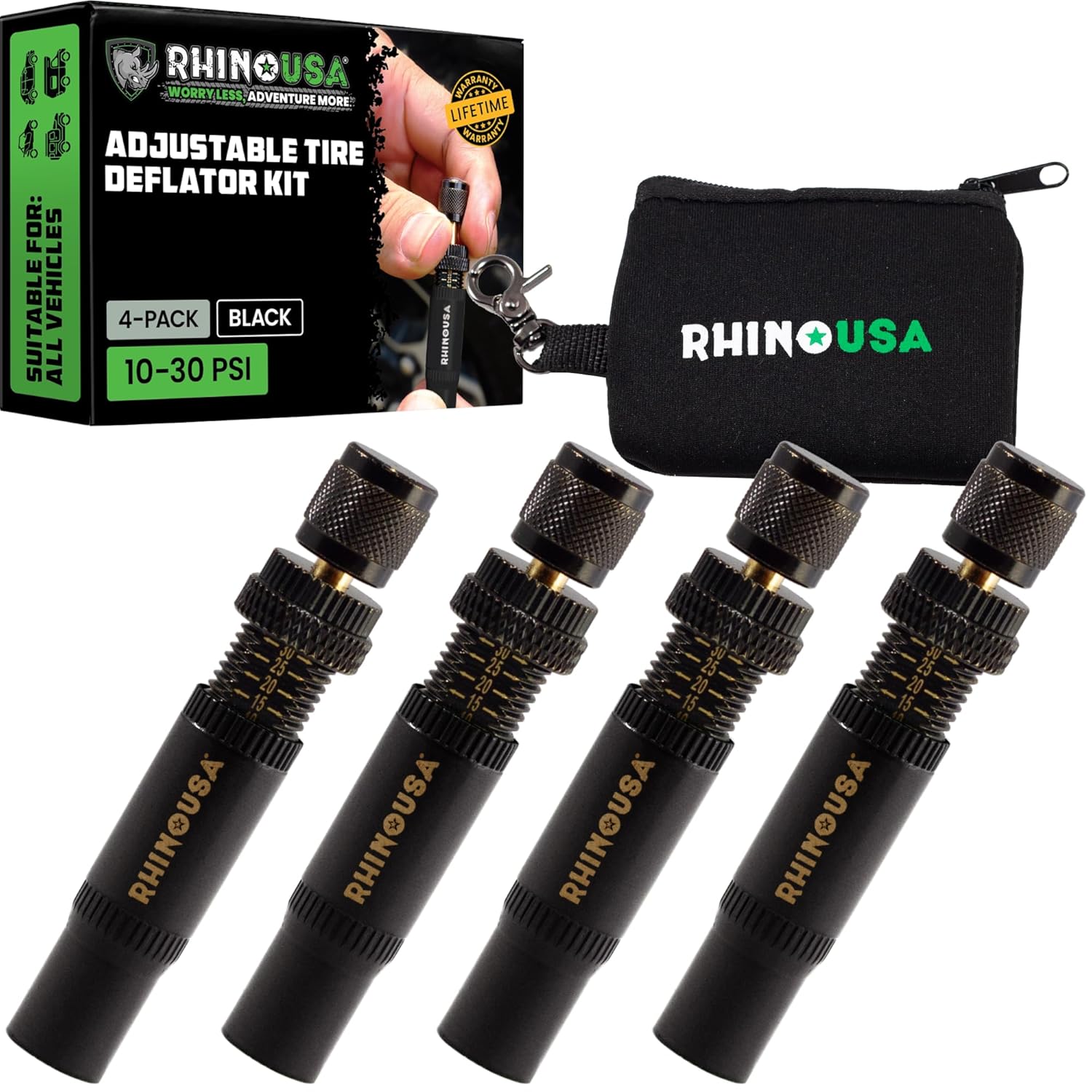
Use the Rhino USA adjustable tire deflators to air down all four tires at once by screwing one deflator onto each valve stem, letting you step away while the tires reach your preset pressure. Each deflator independently adjusts across a 10–30 PSI range with laser-etched indicators for quick setup and verification, making it ideal for beach, sand, and rocky off-road trails.
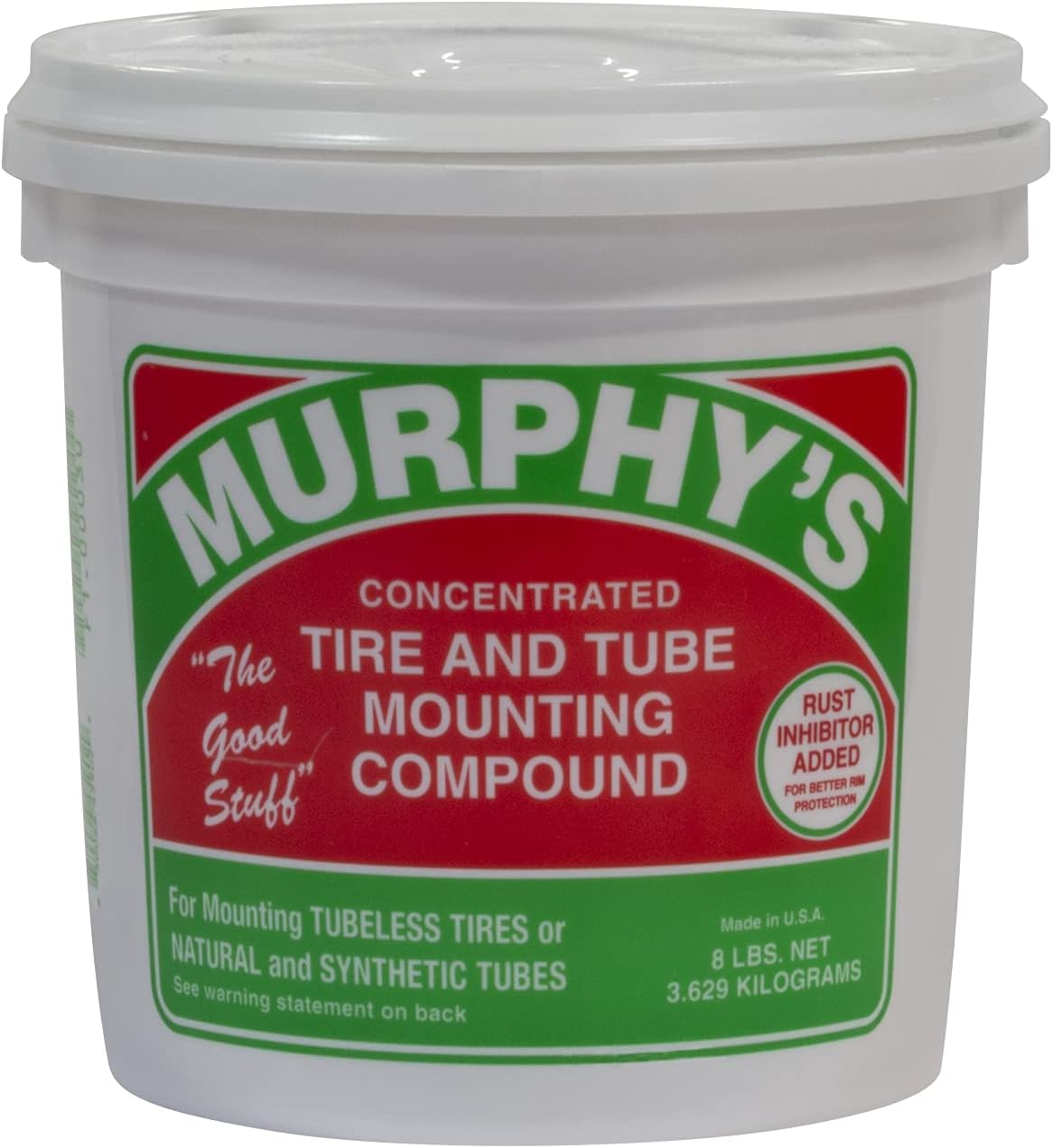
A concentrated tire and tube mounting compound designed to help simplify mounting rubber tires and tubes on passenger, semi truck, construction, and OTR applications. Its ultra-thick formula packs beads effectively and includes rust inhibitors to help protect against corrosion during use.

This 1/2-inch drive breaker bar delivers powerful leverage for loosening and tightening stubborn lug nuts and automotive fasteners. The 180-degree flex head helps you reach tight spaces at the angle you need, making tire and brake jobs easier. A spring-loaded ball detent design holds 1/2-inch sockets securely while the chrome-moly head provides durable strength for everyday use.

Related Articles
6 Ply Vs 8 Ply Tires: Which Do You Need?
Torn between 6 ply and 8 ply tires? Discover which one fits your driving needs before you buy.
Read More
265 Vs 285 Tires: Key Differences Explained
Why choose 265 vs 285 tires when the tradeoffs could change your ride, grip, and fitment more than you expect?
Read More
How to Choose Tires for 20×10 Wheels
Just how wide should your tires be for 20x10 wheels, and which size best balances fitment, grip, and clearance?
Read More