Overinflated Tire Symptoms: Warning Signs & Risks
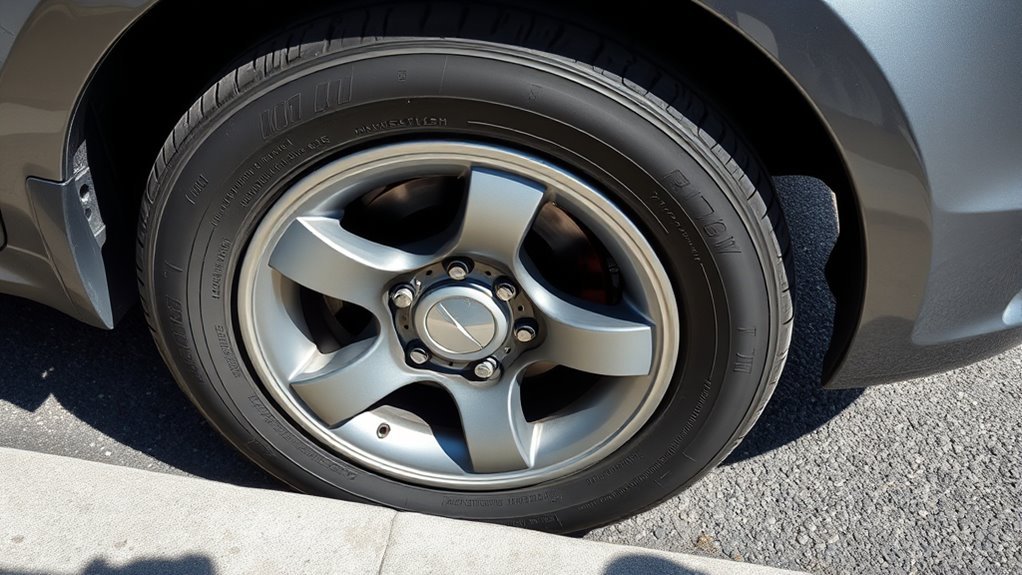
You’re riding on overinflated tires when you feel a harsh, bouncy ride, increased vibration, reduced steering grip, or braking that feels less sure. Check for excessive center-tread wear and higher-than-spec PSI (measure cold). Overinflation shrinks the contact patch, raises blowout and puncture risk, and accelerates center wear, shortening tire life and raising maintenance costs. Release air in short bursts to safe PSI and monitor; more guidance and step‑by‑step checks follow.
What Counts as an Overinflated Tire
When your tire’s pressure exceeds the vehicle manufacturer’s recommended PSI—found in the owner’s manual or on the driver’s-side door placard—it’s overinflated; don’t confuse the tire’s maximum sidewall pressure with the vehicle-specific recommendation. You’re dealing with overinflation when measured tire pressure surpasses those manufacturer guidelines for that axle or load condition. Check front and rear recommendations separately; they can differ, and treating them the same risks misdiagnosis.
Measure pressure when tires are cold and account for ambient temperature changes, since heat raises internal pressure and can push you past the recommended range. Adjust pressure for load but stay within the vehicle’s specified limits; heavier loads may need higher pressure, yet still below the tire sidewall maximum. Your diagnostic routine should record setpoints, measured values, ambient temp, and load condition so you can correct deviation precisely. This keeps control, preserves tire life, and prevents avoidable safety compromises.
Four Clear Symptoms of Overinflation: Traction, Tread, Ride, Systems
You’ll notice four linked signs when a tire’s overinflated: reduced road traction, accelerated center tread wear, a harsh ride feel, and added strain on vehicle systems. Start by checking grip and braking behavior—loss of contact at the shoulders is a clear indicator. Then inspect the tread center for excess wear and note any increase in vibration or harshness.
Reduced Road Traction
Because overinflation stiffens the tire, only the crown contacts the road and your contact patch shrinks, cutting grip and control. You’ll notice harsher ride quality and increased road noise—diagnostic clues that the tire’s surface isn’t engaging evenly. Reduced traction compromises steering response and lengthens stopping distances, especially on wet or slippery surfaces, raising accident risk. Overinflated rubber also raises skidding likelihood because the smaller contact patch can’t transmit lateral forces effectively during evasive maneuvers. For liberation from avoidable hazards, adopt disciplined tire maintenance: monitor pressures frequently and set them to manufacturer-recommended values to restore full contact patches. Prioritize traction improvement through calibrated inflation, and treat pressure checks as an act of vehicle sovereignty and personal safety.
Center Tread Wear
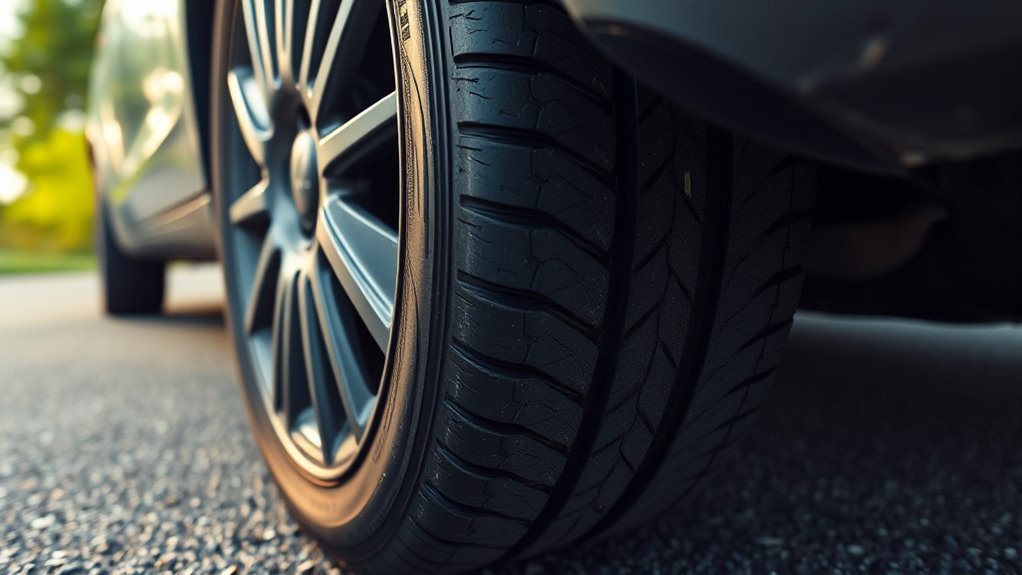
A consistently overinflated tire will show pronounced center tread wear, where the middle grooves thin faster than the shoulders, shortening tire life and altering handling. You’ll notice a narrow, polished strip down the crown indicating excess pressure; that central wear pattern reduces contact patch and grip, compromising driving safety. Diagnose by measuring tread depth across shoulder and center—differences beyond manufacturer tolerance confirm overinflation damage. Address it through disciplined tire maintenance: set pressures to placard values when cold, recheck regularly, and rotate tires to equalize wear. This conserves traction and extends service life while freeing you from avoidable risk. Ignoring center wear strains braking and vehicle systems; act promptly to restore peak performance and liberty on the road.
Harsh Ride Feel
When tires are overinflated, you’ll feel the ride as noticeably harsher because the stiffer sidewalls and reduced cushioning transmit road shocks directly into the chassis and cabin. You’ll notice less absorption of bumps and a choppy, jarring response that degrades ride comfort and signals compromised tire performance. Diagnose by comparing sensations at different speeds and road surfaces: if small imperfections punch through the suspension, overinflation is likely. This harsher ride isn’t just annoying — it also indicates diminished contact patch, reduced traction, and increased load on brakes and suspension components. Correct pressure to restore compliance, even tread wear, and predictable handling. Prioritize measured pressure checks to reclaim comfort and vehicle control; liberation comes from precise maintenance, not tolerating a beaten-down ride.
Why Overinflation Increases Blowout and Handling Risk
When you overinflate a tire its contact patch shrinks, cutting traction and making the tire more prone to slip in wet or uneven conditions. That reduced contact concentrates load and accelerates center tread wear, weakening the carcass and raising blowout probability. At the same time the stiffer tire transfers more shock to the suspension and steering, degrading handling and increasing the chance a road hazard will cause sudden failure.
Reduced Road Contact
Overinflating your tires reduces the contact patch with the road, concentrating load on the center tread and cutting traction during braking and cornering. You’ll notice degraded tire performance and clear safety implications: shorter grip window, longer stopping distances, and unstable steering inputs on uneven or wet surfaces. The stiffened sidewalls absorb less impact, so bumps and potholes can kick the vehicle into a transient loss of control. Center wear accelerates, undermining structural integrity and the tire’s ability to dissipate energy.
| Symptom | Effect | Diagnostic |
|---|---|---|
| Reduced grip | Longer braking | Measure stopping distance |
| Center wear | Structural loss | Inspect tread depth |
| Harsh ride | Instability | Check pressure vs spec |
Correct pressure to reclaim handling and freedom on the road.
Increased Blowout Probability
Because excess pressure stiffens the carcass and narrows the contact patch, you’ll see a higher blowout risk and degraded control as the tire can’t absorb impacts or shed heat effectively. You must recognize that reduced grip and faster center-tread wear produce a thinner rubber layer prone to punctures; rigid sidewalls transmit shock, so hitting debris or potholes can trigger sudden failure. Temperature swings raise internal pressure further, compounding vulnerability. Diagnostic checks should include pressure readings at cold temperature, visual center-wear inspection, and targeted palpation for rigidity. Prioritize tire maintenance routines and adopt safety measures: correct inflation to manufacturer specs, regular rotation, and prompt replacement of over-worn centers. These steps restore handling fidelity and reduce catastrophic blowout risk.
How Overinflation Shortens Tire Life and Raises Repair Costs
If you keep your tires overinflated, they’ll wear down faster and cost you more in repairs. Overinflation concentrates load on the center tread, accelerating wear and cutting tire life by up to 25% versus tires kept to recommended inflation guidelines. You should treat this as a predictable degradation: reduced tread depth shortens service intervals and forces premature replacements.
Excess pressure also stiffens the tire carcass, raising susceptibility to punctures and road-damage failures. Those failures mean more frequent patching or full replacements, driving repair costs higher. Uneven wear patterns from overinflation undermine predictable rotation schedules and complicate tire maintenance, increasing labor and part expenses.
Beyond tires, compromised handling from overinflation raises accident risk, producing collateral repair bills that exceed simple tire costs. Maintain proper pressure not just to follow rules, but to reclaim control—reduce expenditures, extend tire life, and free yourself from avoidable service cycles.
Quick Checks: Measure and Read Tire Pressure Correctly
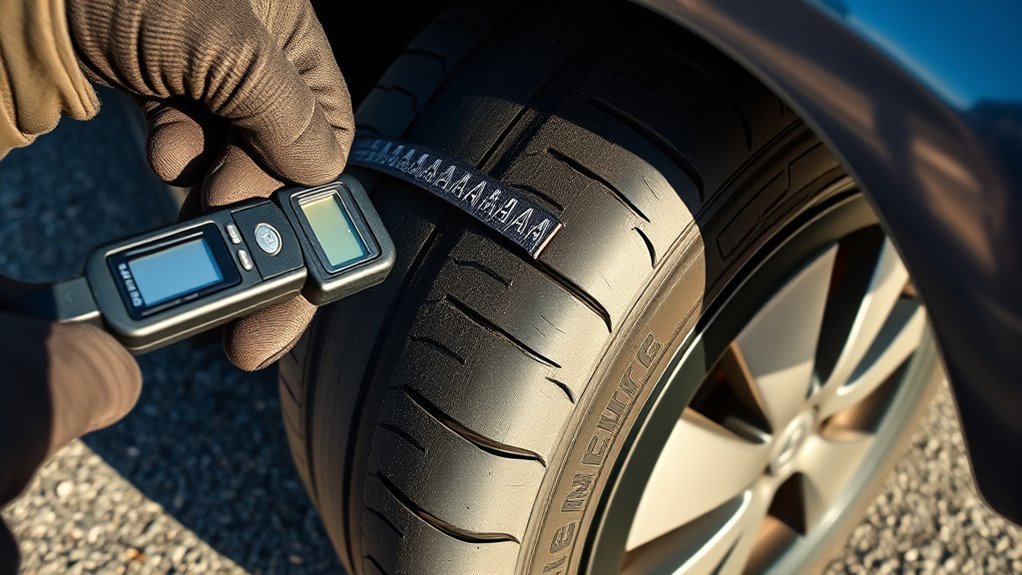
Those accelerated wear patterns and increased failure risk make routine pressure checks nonnegotiable; you should measure tire pressure when the tires are cold and use a reliable gauge to get an accurate reading. Check cold pressures before driving, compare to the door label or owner’s manual, and record readings for front, rear, and spare. Gauge accuracy matters—use a calibrated digital or quality manual gauge.
| Task | Why | Target |
|---|---|---|
| Check cold | Heat raises pressure | True PSI |
| Use reliable gauge | Guarantees gauge accuracy | ±1–2 PSI |
| Compare spec | Match vehicle label | Front/Rear PSI |
| Record | Track trends | Detect leaks |
| Inspect spare | Often overlooked | Ready reserve |
You’ll free yourself from unexpected failures by making this a simple habit. Measure methodically, note deviations, and act when readings exceed recommended PSI. Accurate checks reduce risk, extend tire life, and keep you in control.
How to Safely Release Excess Air (Step‑by‑Step)
Before releasing air, inspect the tire for abnormal wear, bulges, cuts, or embedded objects. Confirm wheel is cool and vehicle parked on level ground. Remove the valve cap and set it aside where you won’t lose it. Use a calibrated gauge or pressure tool to verify current PSI; record it. Press the valve pin gently with the gauge’s bleed mechanism or a small tool to release air in controlled bursts. Monitor PSI continuously, letting air escape until you approach the target pressure listed in the vehicle manual or door jamb label. Pause frequently to recheck pressure rather than relying on feel. When the correct PSI is reached, stop releasing air and immediately retest to confirm. Replace the valve cap and secure it snugly. Practice these steps as routine tire maintenance and observe basic safety precautions: avoid sudden bursts, keep hands clear of moving tools, and don’t drive until pressures are verified.
When to Call a Pro or Replace the Tire vs. Just Adjust Pressure
When you notice persistent symptoms—excessive center tread wear, increased noise or vibration, repeated pressure loss, a malfunctioning TPMS, or any sudden blowout—don’t just top off the air; assess whether the tire needs professional inspection or replacement. You should adjust pressure immediately if wear is minor and ride remains stable, then monitor via pressure monitoring for recurrence. If center wear persists after correct inflation, call a pro: structural belts or internal damage may be present. Increased noise or vibration that resolves with pressure correction still merits inspection if it returns. Repeated pressure loss or a faulty TPMS requires diagnostic testing, leak repair, or sensor service—don’t assume simple sealing. After a blowout, replace the tire and have all tires checked for companion damage and alignment issues. Prioritize tire maintenance as a route to freedom on the road: proactive diagnostics and timely professional intervention prevent failures and extend tire life.
Monthly Tire‑Pressure Routine: Six Steps to Prevent Overinflation
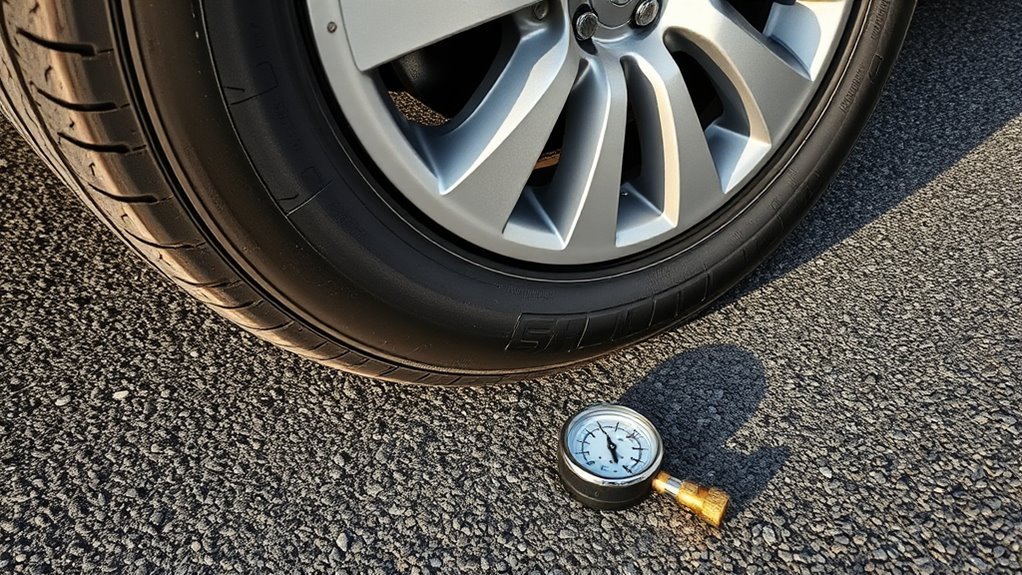
After you’ve inspected for damage or consulted a pro for persistent symptoms, establish a monthly tire‑pressure routine to prevent overinflation and catch developing problems early. Step 1: schedule monthly maintenance on a fixed date so checks become habit. Step 2: measure pressures with a calibrated gauge when tires are cold; record each tire’s PSI against the vehicle’s recommended value on the door sticker or manual. Step 3: perform a visual inspection for uneven wear, bulges, or cuts that can affect pressure behavior. Step 4: make pressure adjustments to match spec, releasing excess air or inflating to the correct PSI; document the change. Step 5: account for seasonal temperature shifts—check more often in cold snaps since pressure drops can mask overinflation cycles. Step 6: maintain a pressure log to detect trends; if you see sustained deviations, escalate to a professional. This routine frees you from surprise failures and keeps control over tire performance and safety.
Fast Checklist Before Long Trips: Ensure Safe Tire Pressure
Because tire pressure directly affects safety, performance, and fuel economy, you should check all tires—including the spare—before any long trip. You’ll practice disciplined tire maintenance and decisive trip preparation: use a reliable gauge on cold tires, compare readings to the PSI in your owner’s manual or driver‑side label, and adjust to the recommended pressure for vehicle load. Do this immediately before departure and more often when temperatures swing. Accurate inflation reduces blowout risk, improves handling, and frees you from avoidable delays.
Check all tires—including the spare—on cold tires, set to the manufacturer’s PSI, and recheck before travel.
- You’ll feel calm knowing every tire’s pressure is verified.
- You’ll avoid the dread of a sudden blowout on open roads.
- You’ll travel lighter mentally by trusting your vehicle’s handling.
- You’ll save money and time by preventing uneven wear.
- You’ll reclaim control from unpredictable weather effects.
Follow a quick checklist: gauge cold, set to spec, include spare, recheck after short drive, and monitor during the trip.
Frequently Asked Questions
What PSI Should My Mini Cooper Tires Be?
Set tire pressure to your Mini Cooper’s recommended range (typically 30–38 PSI); check the placard or manual. You’ll optimize handling performance, preserve safety, and maintain efficiency—so you can drive freely and confidently with precise diagnostics.
Is It Okay to Over Inflate Tires by 2 PSI?
Sure — but don’t. You’ll risk reduced traction and uneven tread with just 2 PSI over; check tire pressure, address safety concerns, and keep recommended PSI to preserve handling, braking, lifespan, and your driving freedom.
Is It Okay to Overinflate Tires by 3 PSI?
No, you shouldn’t overinflate by 3 PSI; it alters tire pressure, reduces contact patch, raises safety concerns, accelerates center wear, worsens handling and braking, and increases blowout risk—so stick to the manufacturer’s recommended PSI.
Conclusion
You’ve learned the signs, risks, checks, and fixes for overinflated tires—now act. Think of a colleague who ignored a hissing spare until a highway blowout taught them the hard way: a single PSI can be the difference between grip and disaster. Check pressure monthly, bleed excess air properly, and replace damaged tires. Treat pressure like your vehicle’s pulse—monitor it, don’t guess—so you’ll maintain safety, performance, and lower repair costs.
Related Articles
When to Replace Tubeless Sealant: Timing & Signs
Be warned: tubeless sealant can fail in weeks or months—learn the signs, testing tips, and exact replacement timing to avoid flats.
Read More
The Penny Test for Tread Depth: How to Do It Right
Better learn the penny test correctly—discover when Lincoln’s head reveals dangerous tread wear and what to do next.
Read More
Tire Rotation Schedule: How Often & Why It Matters
Optimizing tire life? Discover why rotating every 5,000–8,000 miles matters for safety and savings—read on to learn exact patterns and tips.
Read More