
Hyundai Sonata Still Vibrating After Road Force Balance? Read This
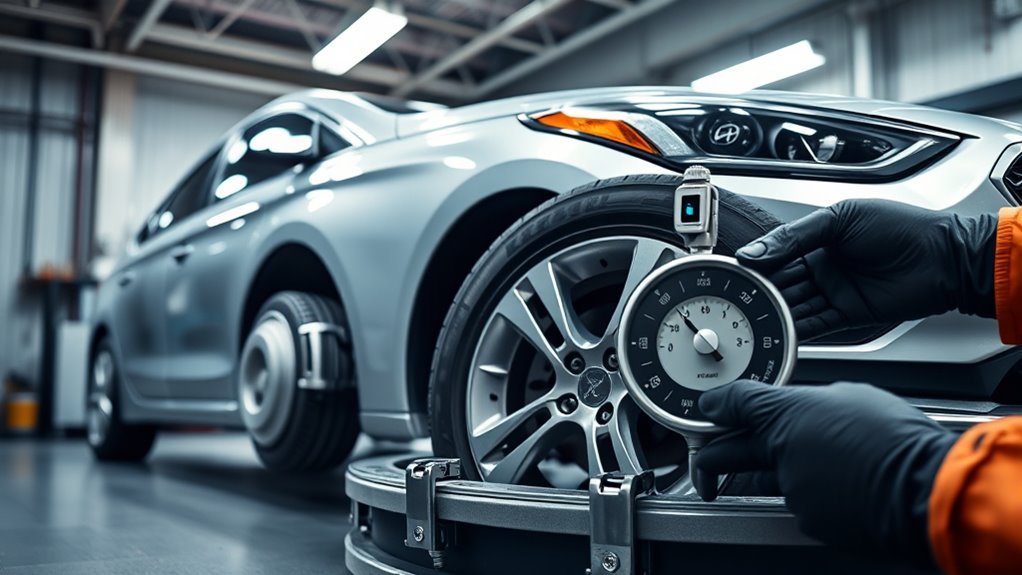
If your Hyundai Sonata is still vibrating after a road force balance, it’s essential to look deeper. Issues like worn suspension components, imbalanced CV axles, or improper lug nut torque might be the culprits. These factors can cause vibrations that persist despite balancing efforts. Addressing these problems swiftly can enhance your driving experience. Want to uncover more about potential causes and effective solutions? There’s a lot more you can do to restore smooth rides.
Common Causes of Vibration in Your Hyundai Sonata

When you notice vibrations in your Hyundai Sonata, it’s vital to understand the common causes behind them. Worn suspension components can lead to instability, especially at higher speeds, making your ride increasingly uncomfortable. An imbalance in CV axles or driveshafts often causes vibrations between 30 and 50 mph, which can be alarming. Don’t overlook the condition of your wheel bearings and CV joints; if they’re worn or damaged, they’ll contribute considerably to those annoying shakes.
Improper torque on lug nuts can also create wheel instability, resulting in persistent vibrations even after a tire rotation or balancing. Regular inspection and maintenance of your suspension and drivetrain components are essential. If you’re considering suspension upgrades, it might be a good time to address these issues, ensuring a smoother, more liberated driving experience. Stay proactive; your Sonata deserves it!
Effective Solutions for Persistent Vibrations
Addressing persistent vibrations in your Hyundai Sonata requires a systematic approach to pinpoint the root cause. Start by rechecking the tire balance with a Hunter Road Force machine. High Road Force values can still lead to noticeable vibrations, even after balancing. Next, inspect suspension components and CV axles for wear, especially if you notice vibrations between 30 mph and 50 mph.
Don’t overlook the importance of properly torqued lug nuts; improper torque can destabilize the wheels and worsen vibration issues. If you’re still struggling, seek expert consultation from a master technician who can perform a thorough vibration diagnosis and identify any overlooked problems.
Finally, consider upgrading to higher-quality tires; brands like Bridgestone are recommended for reliability and can greatly enhance your ride experience. Regular tire rotation can also help maintain balance and reduce vibrations over time.
Identifying Symptoms of Vibration Issues
Persistent vibrations in your Hyundai Sonata often signal underlying issues that need attention. If you feel vibrations between 30 mph and 50 mph, it’s essential to recognize that these symptoms may persist even after a proper road force balance. Your driver feedback can vary; while you might experience significant discomfort, passengers may not notice anything amiss. Pay close attention to the vibration frequency and how it relates to your speed. If vibrations consistently occur between 70-80 mph, you should check for potential tire pressure issues, wheel imbalance, or even drivetrain problems. Remember, previously balanced tires can still transmit vibrations if suspension components are worn or if lug nuts are improperly torqued. Identifying these symptoms early can help prevent further complications, ensuring a smoother, more liberated driving experience in your Sonata. Stay alert and proactive in addressing these concerns.
Inspecting Components: What to Check First
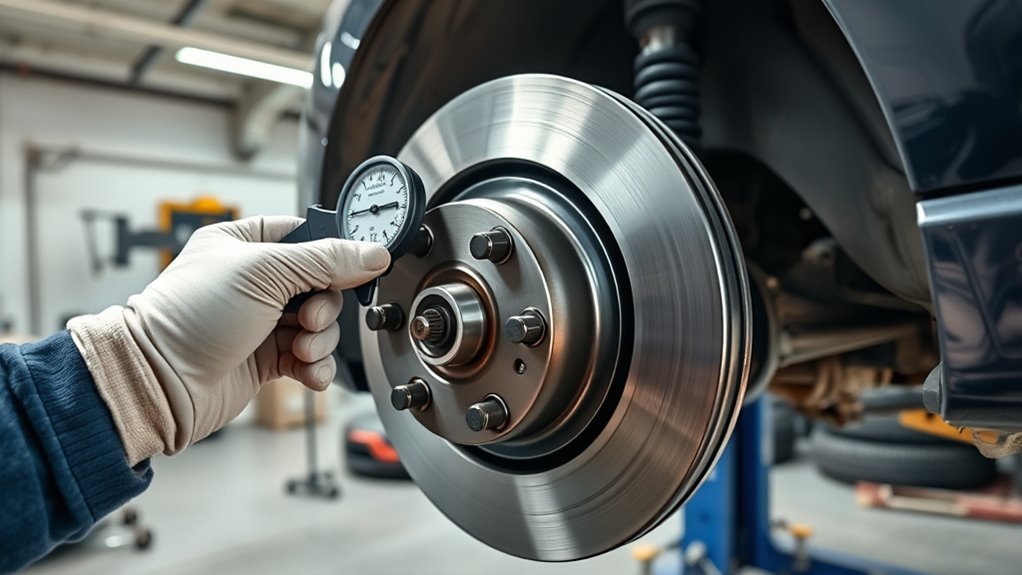
When tackling vibration issues in your Hyundai Sonata, start by checking the tire balance, as improper alignment can lead to persistent shaking. Next, inspect the suspension system for any worn components; damaged parts can greatly affect stability. Finally, don’t overlook the wheel bearings; ensuring they’re in good condition is vital for a smooth ride.
Suspension System Inspection
To guarantee your Hyundai Sonata runs smoothly, it’s vital to inspect the suspension system first, as worn or damaged components can lead to vibrations and instability. Start with a thorough examination of control arms and bushings for any signs of wear. Check the play in ball joints and tie rod ends; even slight wear can affect steering precision and ride quality. Assess the condition of shocks and struts, as failing dampers often result in excessive bouncing. Alignment is also important—ensure camber, caster, and toe angles meet manufacturer specifications to prevent uneven tire wear. Finally, inspect CV joints and wheel bearings; any damage here can contribute to vibration issues. Prioritize this suspension maintenance for effective vibration diagnosis.
Wheel Bearing Condition
Inspecting the wheel bearings in your Hyundai Sonata is essential, as even minor issues can lead to significant vibrations and affect overall stability. Here are some key steps to follow:
- Check for play or excessive wear: Even small amounts of play can indicate a problem.
- Listen for unusual noises: Use noise diagnosis techniques to identify grinding or humming sounds that may signal failing bearings.
- Inspect for uneven tire wear: Worn bearings can cause uneven wear, exacerbating vibration issues.
Additionally, use a dial indicator to measure the wheel hub’s runout and conduct a visual inspection for any visible damage. Following these bearing maintenance tips will help guarantee your Sonata’s stability and performance.
Tire Balance Verification
Vibrations in your Hyundai Sonata can stem from various sources, and once you’ve checked the wheel bearings, it’s time to focus on tire balance. Start by utilizing a high-precision Hunter Road Force machine for tire diagnostics. Even minor imbalances can cause significant vibrations at certain speeds. Next, inspect suspension components for wear; damaged bushings or bearings can lead to instability. Don’t overlook CV axles and driveshafts, as any misalignment or damage here can contribute to vibrations. Confirm that lug nuts are torqued to manufacturer specifications to prevent wheel instability. Finally, a thorough check of wheel bearings for play or defects is essential, as faulty bearings can compromise your ride quality. Implementing these balance techniques can restore your Sonata’s smoothness.
How Tire Quality Affects Vibration Levels
Tire quality plays an essential role in your Hyundai Sonata’s vibration levels. The composition and reliability of the brand greatly influence how well your tires manage road imperfections, which can either minimize or amplify vibrations. Investing in a trusted brand like Bridgestone guarantees better performance and a smoother ride, keeping unwanted vibrations at bay.
Tire Composition Impact
When you’re cruising down the highway, the quality of your tires can greatly impact your ride, especially if they’ve got issues like high Road Force values. Understanding the tire composition is essential for a smooth driving experience. Here are three key factors:
- Tire Material Effects: Higher-quality materials reduce inconsistencies, minimizing vibrations.
- Manufacturing Quality: Consistent production standards guarantee reliability and comfort, avoiding defects that can amplify vibrations.
- Tread Wear: Insufficient tread can exacerbate vibrations, highlighting the need for regular checks.
Even minor imbalances can be felt, especially if you’re sensitive to vibrations. Choosing tires from reputable brands, like Bridgestone, can make a significant difference in your driving comfort. Prioritize quality for a liberated ride!
Brand Reliability Considerations
Choosing the right brand can greatly influence how smooth your ride feels. High-quality tires, like those from Bridgestone, often outperform discount brands in tire performance, providing better manufacturing consistency and durability. Even if a tire’s Road Force values fall within acceptable ranges, those above 16 can trigger noticeable vibrations in sensitive vehicles. Community feedback highlights that low-quality tires frequently lead to unresolved vibration issues, reinforcing the need for reliable brands. Proper tire balancing techniques, especially using advanced machines like Hunter Road Force, are essential to minimize vibrations. So, when considering a brand comparison, investing in trusted names not only enhances your driving experience but also safeguards against future discomfort and handling concerns.
Why You Should Check Your Suspension Components
Even if you don’t notice immediate issues, checking your suspension components is essential for maintaining your Hyundai Sonata’s performance. Worn components can lead to instability and vibrations, especially between 30-50 mph. Here’s why you should prioritize this inspection:
Checking your suspension is crucial for your Hyundai Sonata’s performance, ensuring stability and a smooth ride.
- Prevent Increased Vibrations: Damaged bushings and other worn parts can amplify vibrations, impacting your ride quality.
- Ensure Stability: Regular checks can help maintain vehicle stability, vital for safe handling.
- Explore Suspension Upgrades: Investing in upgrades can lead to significant handling improvements, enhancing your driving experience.
Consulting a master technician is wise, as they can identify underlying problems that standard checks might miss. By keeping your suspension in check, you not only prevent potential issues but also enhance the overall performance of your Sonata. Take charge of your ride’s comfort and safety—your vehicle deserves it!
Diagnosing Driveshaft and Axle Problems
While maintaining your suspension components is essential, diagnosing driveshaft and axle problems should also be on your radar if you’re experiencing vibrations in your Hyundai Sonata. An imbalance in the driveshaft or CV axles can trigger vibrations, particularly at certain speeds. If tire balancing hasn’t resolved the issue, it’s time for a thorough driveshaft inspection.
| Component | Signs of Trouble | Recommended Action |
|---|---|---|
| CV Joints | Play or wear visible | Replace or lubricate |
| Wheel Bearings | Grinding noise, excessive play | Inspect and replace |
| Lug Nuts | Loose or cross-threaded | Re-torque properly |
| Axles | Vibration during acceleration | Check alignment and condition |
| Suspension Bushings | Cracks or wear | Replace if damaged |
Proper axle alignment is essential. Advanced diagnostic tools like a Hunter Road Force machine can uncover hidden issues, providing clarity on your vehicle’s condition. Don’t overlook these critical components!
Electrical Problems Specific to Hyundai Sonata Vibrations
If you’re experiencing vibrations in your Hyundai Sonata, it’s essential to evaluate potential electrical problems as part of the equation. Issues like a parasitic draw can wreak havoc on your battery health, leading to inconsistent power delivery and vibrations. Here are a few key electrical problems to examine:
- Faulty Alternator: Even after replacements, a malfunctioning alternator can create electrical fluctuations that destabilize your ride.
- Grounding Issues: Poor connections can lead to erratic electrical performance, causing components to malfunction and vibrations to intensify.
- Wiring Harness Problems: Damaged or frayed wires can disrupt power flow, exacerbating vibrations you might be experiencing.
Utilizing specialized diagnostic tools can help uncover these hidden issues. Consulting with an expert can provide clarity and potentially resolve persistent electrical problems that standard checks might miss. Don’t let unresolved electrical issues compromise your driving experience!
Tips for Choosing the Right Tires to Minimize Future Vibrations
Addressing electrical issues is just one part of the puzzle when it comes to minimizing vibrations in your Hyundai Sonata. To guarantee a smooth ride, start by opting for reputable tire brands like Bridgestone or Michelin. Their consistent quality can help minimize road force variations and enhance ride comfort. Always request a Road Force balance test when buying new tires; this can effectively identify and correct potential vibration issues from the get-go.
Before installation, inspect tires for defects and confirm they’re properly balanced to avoid vibrations from uneven wear. Regularly check your tire pressure, as both underinflation and overinflation can lead to increased vibrations and reduced handling performance. Finally, if you’re still experiencing vibrations, consider having your suspension components evaluated. Worn parts can exacerbate tire-related issues, even with new tires. Prioritizing these tips will help you achieve better noise reduction and a more liberated driving experience.
Conclusion: Recap and Next Steps for Tackling Vibration Issues
To effectively tackle vibration issues in your Hyundai Sonata, it’s essential to take a thorough approach. Start by prioritizing vibration diagnosis to pinpoint the root causes of ongoing discomfort. Here are some next steps to reflect on:
To address vibration issues in your Hyundai Sonata, prioritize diagnosis to uncover the root causes of discomfort.
- Recheck Tire Balance: Use a sophisticated machine like a Hunter Road Force to guarantee accuracy, as even slight imbalances can lead to noticeable vibrations.
- Inspect Suspension and Components: Look for worn suspension parts, imbalanced CV axles, or damaged wheel bearings, all of which can contribute to driving discomfort.
- Consult a Master Technician: Their expertise is invaluable for identifying complex issues that may not be immediately apparent.
Frequently Asked Questions
Why Does My Car Still Vibrate After Balancing and Alignment?
Your car might still vibrate after balancing and alignment due to tire wear or suspension issues. Inspect those components closely, as they can cause instability and vibrations even when everything else seems fine.
Can Balanced Tires Still Vibrate?
Yes, balanced tires can still vibrate due to factors like uneven tire wear or wheel misalignment. Regularly check your tires and alignment to guarantee a smoother ride and address any underlying issues contributing to vibrations.
Why Is My Hyundai Sonata Vibrating?
Your Hyundai Sonata’s vibrations could symbolize deeper issues, like engine troubles or uneven tire wear. Inspecting suspension components and checking for wear can liberate you from that unsettling shaking, restoring your ride’s smoothness and stability.
Can Excessive Road Force Cause Vibration?
Yes, excessive road force can cause vibration. If your tire pressure’s low or there are suspension issues, the discomfort intensifies. Addressing these factors can enhance your ride quality and free you from persistent vibrations.
Conclusion
In conclusion, tackling vibration issues in your Hyundai Sonata requires a keen eye and a methodical approach. By understanding the root causes—from tire quality to driveshaft concerns—you can effectively smooth out your ride. Think of your Sonata as a finely tuned instrument; when one string falters, the entire melody suffers. So, don’t hesitate to inspect components and choose the right tires. With diligence, you’ll restore harmony to your driving experience and enjoy every mile.

Related Articles
Run Flat vs Regular Tires for Hyundai Sonata: Pros & Cons
Get the lowdown on run-flat and regular tires for your Hyundai Sonata; discover which option suits your driving needs before making a final decision.
Read More
Does Hyundai Sonata Come With Complimentary Tire Rotation?
Find out if the Hyundai Sonata includes complimentary tire rotation services and discover how this benefit can enhance your driving experience.
Read More
Touring vs Performance Tires for Hyundai Sonata: Which to Choose
Discover the key differences between touring and performance tires for your Hyundai Sonata, and find out which option truly suits your driving style.
Read More