
Hyundai Sonata TPMS Sensor Malfunction: How to Diagnose & Fix
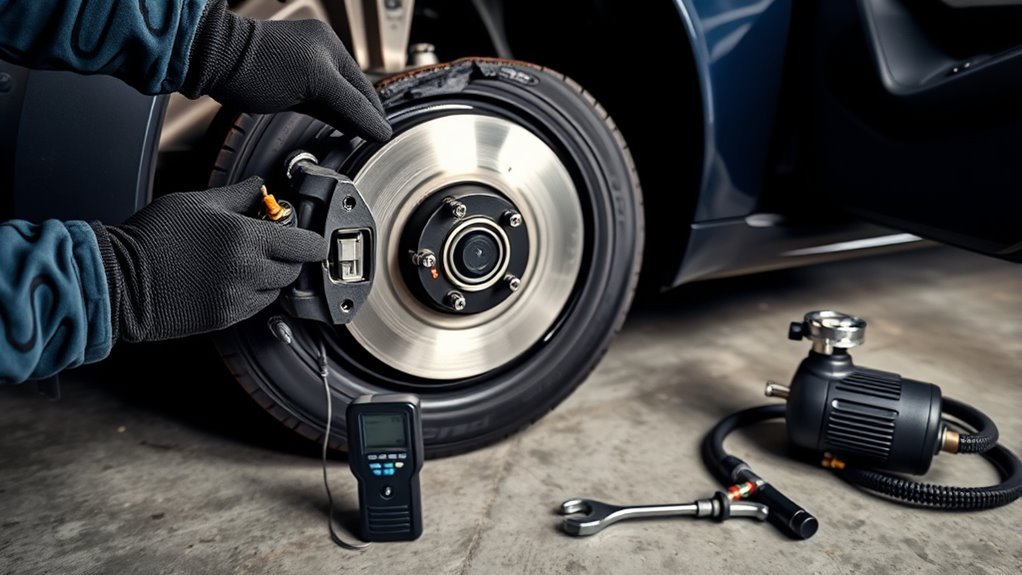
If your Hyundai Sonata’s TPMS warning light is on, start by checking for visible tire damage and confirm all tires are inflated to the recommended pressure. Use a scanning tool to check for fault codes and inspect sensor battery levels. Reset the TPMS if necessary, but guarantee proper inflation first. If issues persist, consider replacing faulty sensors or using genuine OEM components to guarantee compatibility. There’s more to explore about solutions and maintenance to keep your TPMS functioning effectively.
Common Symptoms of TPMS Sensor Malfunctions

When you notice the TPMS warning light constantly illuminated on your dashboard, it often indicates a malfunction within the tire pressure monitoring system. A blinking light for about four seconds followed by constant illumination signifies a sensor issue, not just low tire pressure. You may also experience inaccurate tire pressure readings, where the displayed values don’t match the actual pressure, suggesting a sensor failure.
Additionally, a malfunctioning TPMS sensor can fail to recognize tire rotations or replacements, leading to persistent alerts that can be frustrating. Weak batteries within the sensors can further complicate matters, causing intermittent warnings or a complete inability to detect tire pressure changes. Understanding these symptoms is essential for maintaining the sensor lifespan and ensuring your vehicle operates safely. Addressing these issues promptly can liberate you from unnecessary worries and enhance your driving experience.
Overview of the Hyundai Sonata TPMS System
The Hyundai Sonata’s Tire Pressure Monitoring System (TPMS) plays an essential role in guaranteeing your safety on the road by alerting you to underinflated tires. This system not only activates a warning light shortly after you start the vehicle if any tire pressure falls below recommended levels but also displays real-time air pressure for each tire on the cluster LCD. Such TPMS functionality enhances your awareness of tire conditions, allowing for timely interventions.
To maintain peak performance, regular tire maintenance and proper inflation are important. Improperly inflated tires can lead to false warnings or even system malfunctions. Additionally, sensor compatibility is crucial; using OEM sensors guarantees that the TPMS recognizes and communicates accurately with the system. By paying attention to these aspects, you can keep your Sonata’s TPMS functioning effectively, ultimately promoting a safer driving experience.
How to Diagnose TPMS Issues in Your Hyundai Sonata
How can you effectively diagnose TPMS issues in your Hyundai Sonata? Start by using a scanning tool to check for fault codes related to the sensors, as this can pinpoint specific problems. Inspect each tire for visible damage or signs of low pressure; a flat or underinflated tire can trigger the TPMS warning light. Verify all tires are inflated to the recommended pressure levels, since incorrect inflation can cause the TPMS to malfunction. If the warning light remains on after adjustments, refer to your owner’s manual for the TPMS reset procedure. Additionally, monitor the battery life of the TPMS sensors, as weak batteries can lead to detection issues.
| Diagnostic Step | Action Required |
|---|---|
| Check for Fault Codes | Use a scanning tool |
| Inspect Tires | Look for damage and pressure |
| Validate Pressure | Inflate tires to recommended levels |
| Monitor Batteries | Replace weak batteries if needed |
How to Reset the TPMS After Sensor Replacement
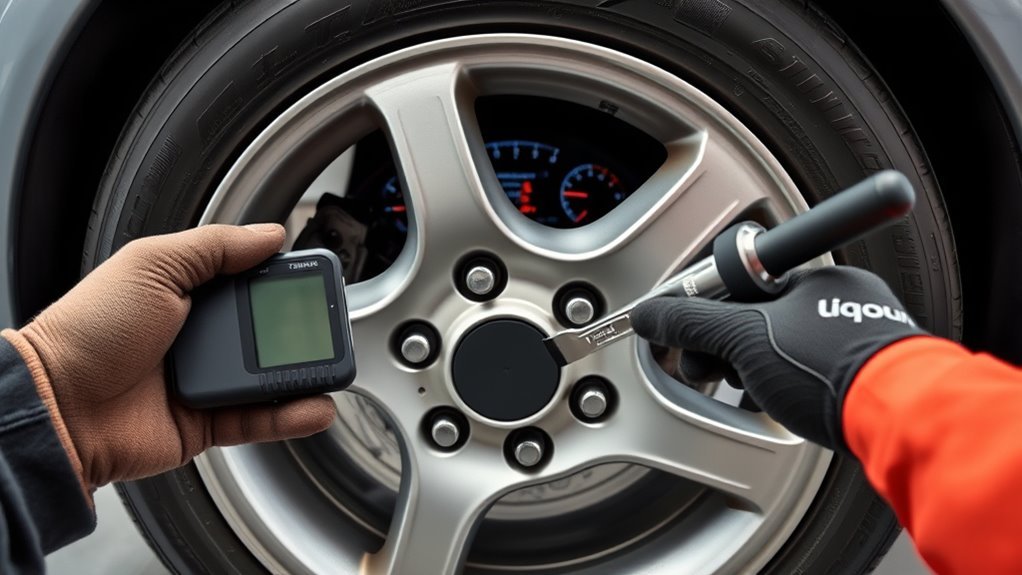
After replacing a TPMS sensor in your Hyundai Sonata, it’s essential to reset the system for proper functionality. You’ll need some basic tools and follow a step-by-step process to guarantee everything works correctly. Let’s go over the necessary equipment and the reset procedure to get your TPMS back in action.
Required Tools And Equipment
Resetting the TPMS on your Hyundai Sonata requires a few essential tools and equipment to guarantee a smooth process. First, you’ll need standard TPMS tools, including a tire pressure gauge to check that all tires are inflated to the recommended levels. Familiarize yourself with the sensor types compatible with your Sonata, as using the correct sensors is vital for proper functionality. Locate the TPMS reset button, typically found under the steering wheel, and make sure you have the owner’s manual on hand for any specific instructions. Finally, a reliable power source, like a charged battery, is essential to keep the system running during the reset. With these tools, you can confidently proceed with resetting your TPMS.
Step-By-Step Reset Process
To effectively reset the TPMS on your Hyundai Sonata following a sensor replacement, start by making sure all tires are inflated to the recommended pressure levels. Next, turn the ignition to the ON position without starting the engine. Locate the TPMS reset button, usually found under the steering wheel, and press and hold it until the TPMS light blinks three times. After that, start the engine and let it run for approximately 20 minutes to allow for proper sensor calibration. If the TPMS warning light doesn’t blink or remains on, repeat the reset process, starting from the tire pressure adjustment. This guarantees your system accurately monitors tire pressure and operates at peak performance.
Importance of Using Genuine OEM Sensors
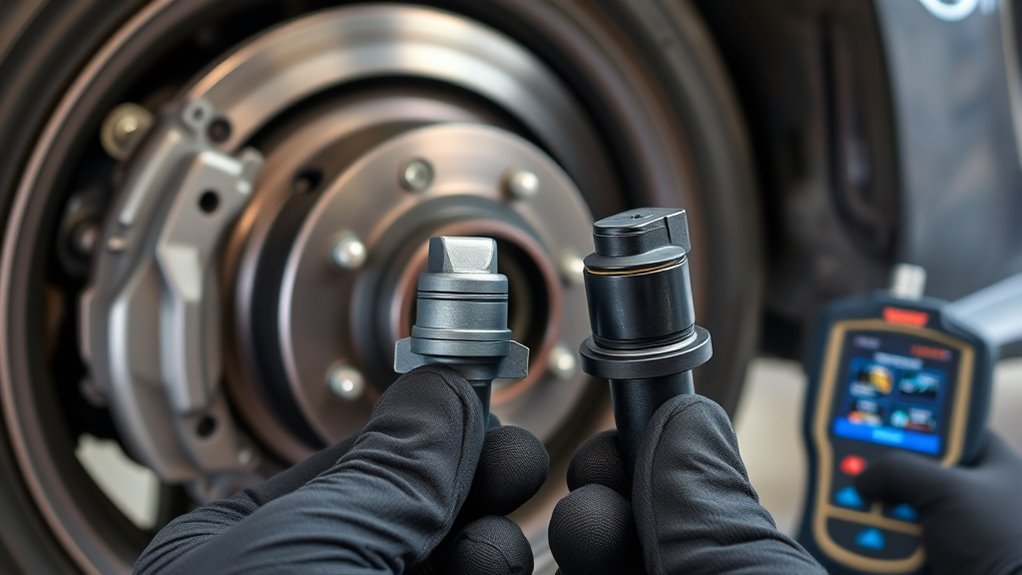
When it comes to maintaining your Hyundai Sonata’s tire pressure monitoring system (TPMS), using genuine OEM sensors is essential for peak performance. OEM sensor advantages include seamless integration with your vehicle’s system, ensuring accurate tire pressure readings and reliable functionality. Non-genuine sensors can lead to compatibility issues, often resulting in malfunction warnings and incorrect monitoring, which compromises your safety on the road.
Effective Solutions for Persistent TPMS Warning Lights
Although a persistent TPMS warning light can be frustrating, several effective solutions can help restore your system’s functionality. First, check all tire pressures to guarantee they match the recommended levels, as improper inflation can trigger ongoing warnings. Next, utilize a TPMS scanner to diagnose potential sensor issues, focusing on battery lifespan and sensor compatibility. If you’ve recently replaced a tire or sensor, drive your vehicle for a short distance to allow the TPMS to recalibrate and recognize the new signals. Regularly inspect the TPMS sensors for physical damage or corrosion, as these factors can impede functionality and cause warning lights to illuminate. If the warning persists despite these checks, consider seeking professional diagnostic services. They can uncover deeper underlying issues within your TPMS system, ensuring a thorough solution to restore proper functionality and safety.
Maintaining Optimal Tire Pressure for TPMS Functionality
Maintaining ideal tire pressure is essential for ensuring your TPMS operates effectively. Regular tire maintenance helps prevent air loss and keeps your system functioning correctly. Here are key practices to follow:
- Check tire pressure at least once a month, especially before long trips.
- Measure tire pressure when tires are cold for the most accurate reading.
- Adjust air pressure according to the specifications on the tire placard.
When to Get Professional Help for TPMS Issues?
Have you noticed the TPMS warning light staying on even after checking your tire pressures? If so, it’s time to contemplate professional help. Frequent low-pressure warnings, despite proper inflation, often signal a malfunctioning sensor that requires expert diagnostics.
Here’s a quick guide to when you should consult a technician:
| Situation | Action |
|---|---|
| Light remains on after reset | Seek professional help |
| Warning light blinks continuously | Get professional diagnostics |
| Erratic TPMS display behavior | Consult a technician |
Additionally, if you suspect battery issues in older sensors or experience RF interference, these problems typically require specialized tools for effective sensor troubleshooting. Don’t hesitate to reach out to a professional; timely intervention can save you from unexpected failures and guarantee your safety on the road.
Frequently Asked Questions
Where Is the TPMS Reset Button on a Hyundai Sonata?
The TPMS reset button on your Hyundai Sonata’s located beneath the steering wheel, near the driver’s footwell. For effective TPMS troubleshooting, follow the sensor replacement guide to guarantee accurate tire pressure readings.
Conclusion
In conclusion, keeping your Hyundai Sonata’s TPMS in top shape is essential for safety and performance. If you’re facing persistent issues, don’t just kick the can down the road—address them promptly. Regularly check your tire pressure and use genuine OEM sensors to avoid future headaches. Remember, a well-functioning TPMS not only alerts you about tire issues but also enhances your overall driving experience. If problems persist, seeking professional help is always a wise choice.

Related Articles

Hyundai Sonata TPMS Light On After New Tires? Here’s the Fix
If your Hyundai Sonata's TPMS light is on after new tires, it could indicate a simple fix—discover how to resolve it effectively.
Read More
Hyundai Sonata Tire Road Hazard Warranty: What Does It Cover?
Find out when Hyundai's Sonata tire warranty actually pays for punctures, blowouts, and pothole damage—and what extra coverage you might need.
Read More
What Are Directional Tires on a Hyundai Sonata? Full Explanation
In exploring directional tires on your Hyundai Sonata, discover how their unique tread design boosts performance—but what happens if they're installed incorrectly?
Read More