
Hyundai Sonata TPMS Light Won’t Turn Off: Causes & Fixes
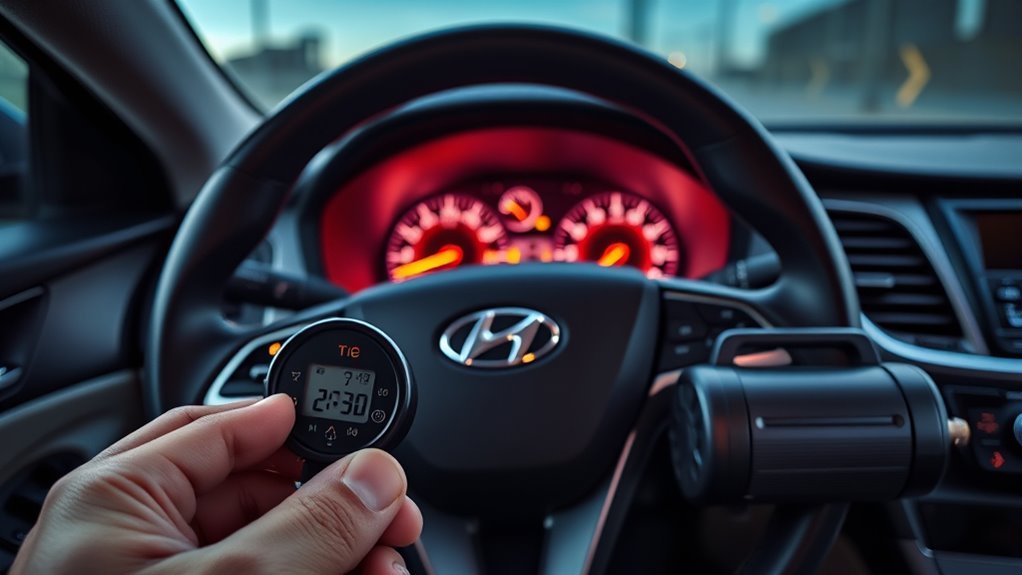
If your Hyundai Sonata’s TPMS light won’t turn off, it likely points to low tire pressure, slow leaks, or malfunctioning sensors. Check your tires for proper inflation, ideally around 32 PSI. Temperature changes can cause pressure fluctuations, so monitor your tires regularly. If the light remains after adjusting pressure, it may indicate sensor issues requiring professional help. Learn more about maintenance strategies and potential fixes to keep your TPMS functioning effectively.
Why Is Your Hyundai Sonata TPMS Light On?

If your Hyundai Sonata’s TPMS light is on, it’s likely due to low tire pressure. Seasonal temperature changes can greatly affect your tire pressure, reducing it by 1-2 PSI for every 10-degree drop. A solid TPMS light usually means one or more tires are under-inflated, while a flashing light may indicate serious system issues or sensor malfunctions.
To tackle this, follow essential TPMS troubleshooting tips: check tire pressure when tires are cold, and use a reliable pressure gauge. Regular tire maintenance is vital; slow leaks, valve stem issues, or aging sensors, which typically last 3-7 years, can cause persistent alerts. If you’ve adjusted your tire pressure and the light won’t turn off, a failed sensor might be the culprit, necessitating professional diagnosis or replacement. Staying proactive can help you liberate yourself from the frustration of constantly illuminated warning lights.
Common Reasons for TPMS Alerts
When the TPMS light stays on in your Hyundai Sonata, it often points to tire pressure issues or sensor malfunctions. Changes in temperature can cause pressure fluctuations, while slow leaks or damaged valve stems may trigger alerts. Additionally, aging sensors can fail, requiring a closer inspection to resolve the issue.
Tire Pressure Issues
Understanding tire pressure issues is vital for maintaining your Hyundai Sonata’s performance and safety. Inaccurate pressure readings can lead to unnecessary TPMS alerts, so regular tire maintenance is important. Here are some common causes:
- Slow leaks or air seeping through the tire rubber
- Valve stem issues affecting air retention
- Temperature fluctuations causing 1-2 PSI changes for every 10-degree drop
To keep your TPMS light from turning on, check your tire pressure regularly, aiming for the recommended 32 PSI (or slightly higher at 35/36 PSI). Make sure you’re using a reliable pressure monitoring gauge, as poor-quality tools can give incorrect readings. Staying on top of these factors can enhance your driving experience while promoting safety on the road.
Sensor Malfunctions
While maintaining your Hyundai Sonata, be aware that sensor malfunctions can trigger persistent TPMS alerts, even if your tire pressures are correct. Common issues include sensor corrosion and battery depletion, which typically occurs every 3 to 7 years. Corroded sensors can fail to provide accurate readings, vital in a direct TPMS that measures pressure within 1 PSI. A solid TPMS light indicates low tire pressure, while a flashing light often signifies sensor failure needing immediate attention. Regular maintenance and monitoring of sensor health are important to avoid unexpected alerts and guarantee peak vehicle safety. By addressing these malfunctions promptly, you can maintain your Sonata’s performance and enjoy a safer driving experience.
Effective Strategies for Maintaining Optimal Tire Pressure
To maintain ideal tire pressure, regularly checking your tires with a reliable pressure gauge is essential, as inaccurate readings can trigger false TPMS alerts. Effective monitoring can prevent unnecessary issues and improve vehicle performance.
- Keep your tire pressure at the recommended 32 PSI, or inflate to 35/36 PSI for optimal TPMS functionality.
- Pay close attention to temperature fluctuations; a drop of just 10 degrees can lead to a 1-2 PSI change.
- Conduct consistent tire maintenance, checking for slow leaks or valve stem issues.
Proper tire pressure maintenance not only enhances fuel efficiency by 3%-5% but also extends tire life by 15%, ensuring your driving experience remains smooth and safe. By following these strategies, you can liberate yourself from the hassle of false alerts and enjoy a more efficient ride.
Check Your Tire Pressure Easily
Checking your tire pressure doesn’t have to be a chore; with the right approach, you can do it quickly and efficiently. Start by using a reliable pressure gauge for accurate readings; inaccurate gauges can result in persistent TPMS alerts. Make sure your tires are inflated to the recommended 32 PSI, but consider inflating to 35 or 36 PSI for best performance and to potentially reset your TPMS light.
Always check tire pressure when the tires are cold, as heat from driving can give falsely high results. Be mindful of temperature fluctuations; tire pressure can drop by 1-2 PSI for every 10-degree decrease in temperature. For specific tire pressure specifications tailored to your vehicle, refer to the door placard. Regular monitoring of tire pressure not only enhances safety but also improves your vehicle’s performance. With these steps, you’re empowered to maintain your tires effectively.
Reset Your TPMS Light in Simple Steps

Resetting your Hyundai Sonata’s TPMS light is straightforward, provided you’ve confirmed all tires are properly inflated to the recommended pressure. You can find this information on the door placard. Here are the steps to reset your TPMS light:
- Manually reset by pressing the reset button, usually located beneath the steering wheel or in the glove compartment.
- Drive for about 10 minutes at speeds above 50 mph if your Sonata has an automatic recalibration feature, allowing the system to reset.
- Use an OBD-II scanner for persistent lights to diagnose any underlying sensor issues or battery failures.
Always check for slow leaks or damage to tire valves, as these can trigger the TPMS light despite proper tire pressure. By following these TPMS calibration methods, you can guarantee effective tire pressure monitoring and maintain vehicle safety.
Understanding TPMS Sensors and How They Work
While many drivers rely on their Hyundai Sonata’s TPMS for tire safety, understanding how these sensors operate is essential. TPMS sensors utilize direct measurement technology to monitor tire pressure with precision, typically within 1 PSI. Each sensor is powered by a battery, lasting between 3-7 years, after which it may fail, leading to alerts. The system activates when tire pressure drops below recommended levels, using a solid light for low pressure and a flashing light for sensor malfunctions.
Extreme temperature changes can impact tire pressure by 1-2 PSI for every 10-degree drop, potentially triggering the TPMS light. Regular tire maintenance and monitoring are important to prevent sensor issues and guarantee the TPMS functions effectively. By understanding this sensor technology, you empower yourself to maintain ideal tire conditions, enhancing safety and performance on the road.
When Should You Call a Professional for TPMS Help?
If your TPMS light stays illuminated after confirming proper tire pressure, it’s vital to seek professional help. Ignoring this warning can lead to further issues or safety risks. Here are key moments when you should contact an expert:
- Persistent alerts despite tire adjustments may signal sensor corrosion or battery failure.
- A flashing TPMS light often indicates a serious issue that needs immediate attention.
- Advanced sensor diagnostics are necessary for complex problems that basic troubleshooting can’t resolve.
Professional evaluation guarantees that your TPMS functions correctly, maintaining your vehicle’s safety and performance. Regular maintenance checks can also help identify potential sensor problems early, preventing costly repairs down the line. Don’t hesitate to consult a professional when in doubt; it’s a worthwhile investment in your vehicle’s reliability and your peace of mind.
Signs of Faulty TPMS Sensors

If you notice inconsistent pressure readings or an illuminated warning light, your TPMS sensors might be faulty. These issues can signal that the sensors are malfunctioning rather than indicating actual tire problems. Regular checks and timely replacements are essential to maintain accurate tire pressure monitoring.
Inconsistent Pressure Readings
- Unexpected changes in tire pressure after temperature shifts.
- Corrosion or damage to TPMS sensors affecting accuracy.
- Persistent alerts on your dashboard despite correct tire pressure.
These inconsistencies may indicate that your sensors need recalibration or replacement. Remember, sensor batteries typically last between 3 to 7 years, and regular maintenance is key. If pressure fluctuations persist, don’t hesitate to have the sensors diagnosed to prevent further complications. Keeping your TPMS in check guarantees peak performance and safety on the road.
Illuminated Warning Light
When the TPMS light on your Hyundai Sonata stays illuminated, it often signals a malfunctioning sensor, which may stem from corrosion or physical damage. Sensor batteries typically last between 3 to 7 years, leading to potential failures as your vehicle ages. Before jumping to sensor diagnostics, check for slow leaks or valve stem issues, as these can also trigger the warning light. A solid TPMS light indicates low tire pressure, while a flashing light suggests a more serious problem related to sensor functionality. Regular tire maintenance is vital to avoid these issues. If the light persists, using advanced diagnostic tools is essential to accurately identify and troubleshoot the underlying cause of the alert.
The Impact of Temperature on Tire Pressure
As temperatures drop, the impact on tire pressure becomes increasingly significant. You might not realize that tire pressure can decrease by 1-2 PSI for every 10-degree drop in temperature. This means regular checks are vital during seasonal changes to avoid underinflation, which can trigger your TPMS light.
- Cold weather can lead to unexpected pressure fluctuations.
- Underinflated tires can decrease your fuel efficiency by 3%-5%.
- Accurate tire temperature readings are essential for vehicle safety.
The direct TPMS technology in your Hyundai Sonata measures tire pressure within 1 PSI, emphasizing the need for vigilance in varying temperatures. By monitoring tire pressure regularly, especially during extreme weather, you can prevent those annoying TPMS alerts and guarantee a smoother, safer ride. Make it a habit to check your tire pressure frequently, and you’ll maintain peak performance and safety on the road.
TPMS Sensor Lifespan and Replacement
TPMS sensors usually last between 5-10 years or around 100,000 miles, but factors like battery life and corrosion can impact their performance. When a sensor fails, you’ll need to evaluate the replacement process, which can vary in cost based on whether you handle it yourself or seek professional help. Regular maintenance of your tire pressure can help extend the life of these sensors and minimize replacements.
Typical Sensor Lifespan
Typically, a TPMS sensor lasts between 5 to 10 years or around 100,000 miles before it needs replacement. Understanding sensor longevity is essential for maintaining peak tire health. Most TPMS sensors rely on batteries, which generally have a lifespan of 3 to 7 years.
- Corrosion or damage can considerably shorten sensor life.
- Regular tire pressure checks can help identify issues early.
- Replacement costs typically range from $50 to $200 per sensor, depending on DIY or professional service.
Monitoring your TPMS can prevent unnecessary alerts and guarantee your vehicle runs safely. Remember, a well-maintained sensor not only extends its battery lifespan but also contributes to your overall driving experience.
Replacement Process Overview
Replacing your TPMS sensors is a straightforward process that can enhance your vehicle’s safety and performance. TPMS sensors usually last 5-10 years or around 100,000 miles. Regular maintenance checks can help catch failing sensors early. When you decide to replace them, make sure you use genuine OEM parts for maximum sensor compatibility. Here are some installation tips:
| Step | Description |
|---|---|
| 1. Identify Failure | Use advanced diagnostic tools. |
| 2. Gather Tools | Have the necessary tools ready. |
| 3. Remove Sensor | Carefully detach the old sensor. |
| 4. Install New | Ensure proper fit and alignment. |
| 5. Test System | Confirm functionality post-install. |
Costs vary based on DIY efforts or professional service, so choose what fits your needs.
Frequently Asked Questions
Why Is My TPMS Light Not Turning Off?
Your TPMS light might not turn off due to a sensor malfunction or incorrect tire pressure. Try a TPMS reset, check for leaks, or consider professional help if the issue persists.
Why Is My Tire Pressure Light Still on After Filling Tires on My Hyundai Sonata?
If your tire pressure light’s still on after filling, you might need a TPMS reset. Check your tire pressure when cold, and consider overinflating slightly before adjusting to the recommended level for potential reset.
Conclusion
To wrap it up, if your Hyundai Sonata’s TPMS light won’t turn off, check your tire pressure, reset the system, and monitor for faulty sensors. Addressing these issues promptly can enhance your safety, improve fuel efficiency, and extend tire life. Remember, regular maintenance, seasonal checks, and temperature awareness are key. If problems persist, don’t hesitate to consult a professional for assistance. Keep your tires in top shape, keep your ride smooth, and keep your mind at ease.

Related Articles
Run Flat vs Regular Tires for Hyundai Sonata: Pros & Cons
Get the lowdown on run-flat and regular tires for your Hyundai Sonata; discover which option suits your driving needs before making a final decision.
Read More
Does Hyundai Sonata Come With Complimentary Tire Rotation?
Find out if the Hyundai Sonata includes complimentary tire rotation services and discover how this benefit can enhance your driving experience.
Read More
Touring vs Performance Tires for Hyundai Sonata: Which to Choose
Discover the key differences between touring and performance tires for your Hyundai Sonata, and find out which option truly suits your driving style.
Read More