
Hyundai Sonata Tire Tread Patterns Explained: Symmetric vs Directional
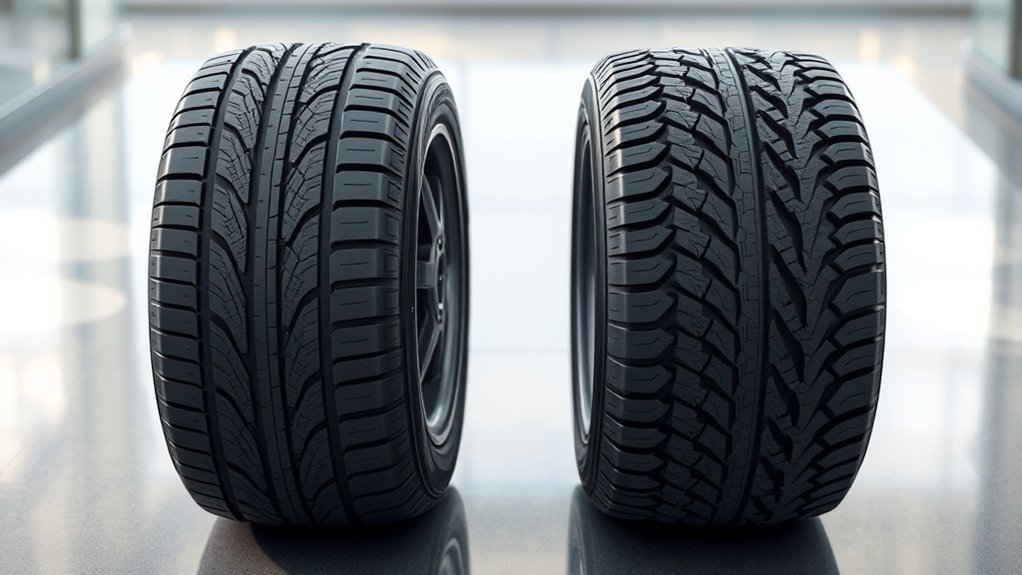
When choosing tires for your Hyundai Sonata, understanding tread patterns is key. Symmetrical tread patterns offer versatility and even wear, ideal for everyday driving. In contrast, directional tread patterns excel in wet conditions, enhancing grip and reducing hydroplaning risks. Your choice depends on driving needs, with each option providing distinct benefits for performance and safety. Explore further to discover tips for selecting the best tires and maintaining them for peak performance.
Understanding Tire Tread Patterns: Why It Matters for Your Sonata
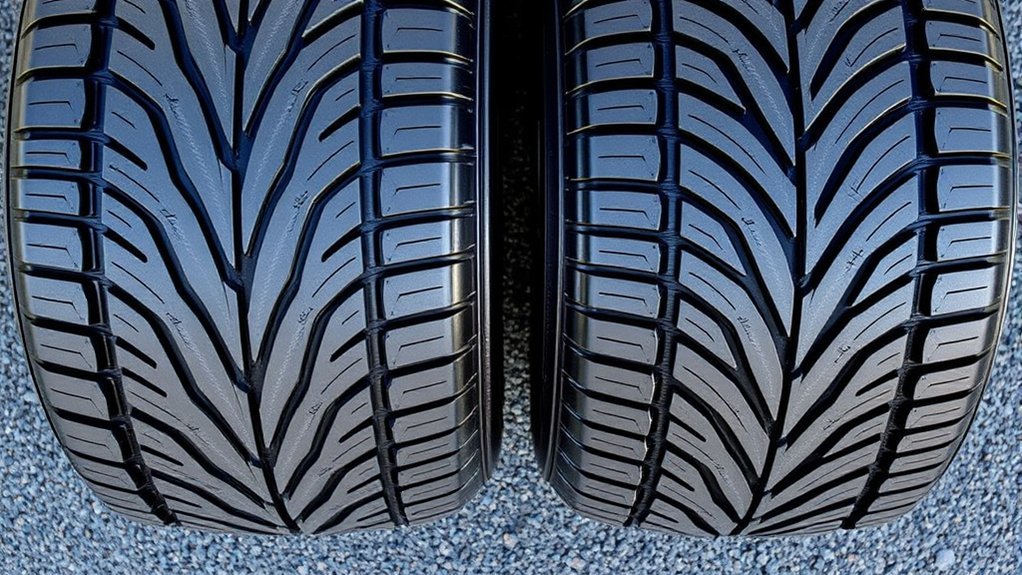
Understanding tire tread patterns is essential for maximizing your Hyundai Sonata’s performance and safety. The importance of tread patterns can’t be overstated; they directly influence your vehicle’s handling, fuel efficiency, and overall driving experience. Symmetrical tread patterns, commonly found on Sonatas, provide a versatile performance that promotes even wear and a smooth ride. This design minimizes noise and optimizes fuel economy, making it ideal for daily driving conditions.
How Directional Tread Patterns Boost Performance in Wet Conditions
When it comes to driving your Hyundai Sonata in wet conditions, tire tread design plays a significant role in ensuring safety and performance. Directional tread patterns are your best allies, featuring an arrow-like design that channels water away from the tire’s center. This design boosts wet traction, essential during heavy rainfall. The V-shaped grooves not only improve grip but also minimize hydroplaning, allowing you to maintain control at higher speeds.
Here’s a quick comparison of directional tread benefits:
| Feature | Benefit | Importance |
|---|---|---|
| Water Channeling | Directs water away from tire | Reduces hydroplaning |
| Improved Grip | Enhances traction on wet surfaces | Safer driving |
| Unidirectional Design | Ideal performance when mounted correctly | Consistent handling |
With directional tires, you’ll experience a safer and more confident driving experience in wet conditions, giving you the freedom to tackle the road ahead.
The Benefits of Symmetrical Tread Patterns for Everyday Driving
When you choose symmetrical tread patterns for your Hyundai Sonata, you’re opting for a cost-effective tire solution that’s easy to rotate. This design not only promotes even wear but also guarantees a smooth and comfortable driving experience. Perfect for everyday commutes, these tires balance performance and budget, making them a smart choice for any driver.
Cost-Effective Tire Option
- Easy tire rotation promotes even wear and enhances tire longevity.
- Smooth ride with minimal road noise for daily commuting comfort.
- Fuel-efficient design that can help save on gas.
- Common availability, making replacement simple and straightforward.
- Versatile performance suitable for most driving conditions.
While they may not excel in severe weather, their balance of cost and everyday performance makes symmetrical tread patterns a reliable choice for your Sonata.
2. Easy Tire Rotation
Symmetrical tread patterns not only offer cost-effective advantages but also simplify tire rotation, enhancing the overall driving experience. These designs allow you to rotate your tires in any direction, promoting even tread wear and extending the lifespan of your tires. This ease of rotation means you can maintain peak performance without the hassle of complex rotation patterns. Additionally, the continuous ribs and grooves reduce road noise and improve fuel efficiency, making them ideal for your daily drives in a Hyundai Sonata. While they excel in most conditions, remember they may not perform as well in extreme wet or snowy environments. Overall, symmetrical tires guarantee a smooth, efficient, and liberated driving experience.
3. Smooth Driving Experience
Enjoying a smooth driving experience is essential for daily commutes, and choosing tires with symmetrical tread patterns can greatly enhance that comfort. These tires are designed to deliver exceptional ride comfort while minimizing tread noise, making your drives quiet and enjoyable. Here are some benefits of symmetrical tread patterns:
- Versatile rotation for even wear and longevity
- Cost-effective options for budget-friendly driving
- Optimized fuel efficiency to save on gas
- Enhanced ride comfort for a pleasant driving experience
- Ideal for dry conditions, perfect for typical daily use
While they may not excel in wet or snowy weather, symmetrical tires offer a reliable and smooth ride ideal for everyday driving in your Hyundai Sonata.
Symmetrical vs. Directional Treads: Which Is Better?
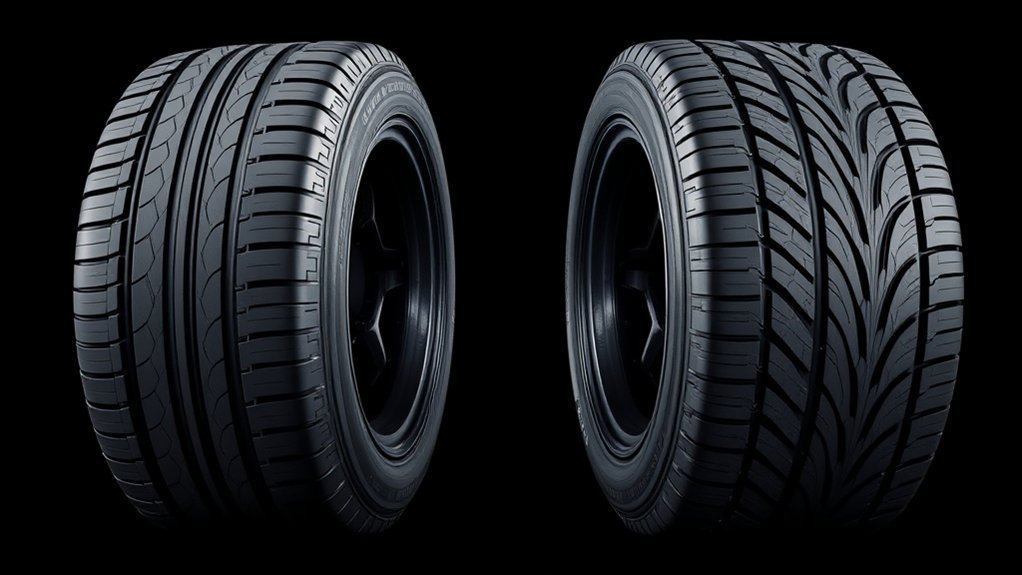
When choosing between symmetrical and directional treads for your Hyundai Sonata, which option best suits your driving needs? Symmetrical treads offer versatility and cost-effectiveness, promoting even wear and tread durability. They’re ideal for everyday driving, allowing for any rotation direction. On the other hand, directional treads feature an arrow-like design that excels in wet conditions, providing enhanced grip and performance longevity. They channel water effectively, reducing the risk of hydroplaning.
| Feature | Symmetrical Tread | Directional Tread |
|---|---|---|
| Tread Design | Same pattern on both sides | Arrow-like, one-directional |
| Wet Performance | Moderate | Superior in wet conditions |
| Rotation Flexibility | Any direction | Front-to-back only |
Ultimately, if you prioritize fuel efficiency and comfort, go for symmetrical treads. If you seek superior handling in adverse weather, directional treads might be your best bet.
Asymmetrical Tread: Pros and Cons for Your Sonata
While weighing your tire options for the Hyundai Sonata, consider the benefits of asymmetrical tread patterns. These tires boast a unique tread design that maximizes performance in varying conditions. Here are some asymmetrical advantages to keep in mind:
- Enhanced Dry Grip: The outer tread blocks provide excellent cornering stability.
- Improved Wet Traction: Inner channels effectively divert water for safer drives.
- Quieter Ride: Enjoy a more peaceful experience with reduced road noise.
- Optimized Performance: Specifically designed for one side, ensuring top efficiency.
- Rotation Limitations: Keep in mind that you can only rotate them front-to-rear.
However, be aware that asymmetrical tires may wear unevenly and often come at a higher cost. Weigh these pros and cons to decide if the enhanced driving experience aligns with your Sonata’s needs.
Choosing Tires for Different Driving Conditions: Practical Tips
When selecting tires for your Hyundai Sonata, consider the type that best suits your driving conditions. Whether you’re maneuvering through wet roads, snowy terrain, or sticking to dry pavement, understanding tire performance can greatly enhance your safety and comfort. Assess your local climate and driving habits to make an informed choice that matches your needs.
Tire Type Selection Guide
Choosing the right tires for your Hyundai Sonata can greatly enhance your driving experience, especially under varying conditions. Here are some practical tips to help you select the best tires:
- Symmetric Tires: Ideal for daily driving on dry roads, promoting tire longevity and even wear.
- Directional Tires: Best for wet or snowy conditions, thanks to their water-channeling design.
- Asymmetrical Tires: Perfect if you prioritize performance and handling characteristics for improved grip.
- Cost Matters: Symmetric tires are generally more budget-friendly than directional options.
- Rotation Guidelines: Remember, symmetric tires can rotate in any direction, while directional tires need specific front-to-back rotation.
Weather Conditions Consideration
Selecting the right tires isn’t just about type; it’s also about understanding the weather conditions you’ll face. If you often drive in snowy or rainy conditions, unidirectional tires excel in water channeling and resisting hydroplaning. For varied climates, asymmetrical tires provide excellent traction in both dry and wet conditions. If you’re in a mild area, symmetrical tires offer a smooth ride and enhance fuel efficiency. Always consider your local climate’s impact on tire longevity—winter tires are essential in heavy snowfall regions. Don’t forget to regularly check your tire tread depth and overall condition; worn tires can severely compromise safety and performance, especially in adverse weather. Stay prepared to guarantee a safer driving experience.
Performance Needs Assessment
Understanding your performance needs is crucial for choosing the right tires for your Hyundai Sonata, especially given the diverse driving conditions you might encounter. Here are some practical tips to take into account:
- Assess your driving conditions: Opt for unidirectional or asymmetrical tires in wet or snowy environments.
- Evaluate your driving style: If you prioritize handling, choose asymmetrical tires for better cornering stability.
- Take seasonal changes into account: Directional tires enhance winter traction, while symmetrical tires may suffice in summer.
- Check vehicle specifications: Verify the tread pattern aligns with your Sonata’s requirements for peak performance.
- Monitor tire pressure: Regularly check to maintain performance metrics and extend tire life.
Maintenance Best Practices for Prolonging Tire Life and Performance
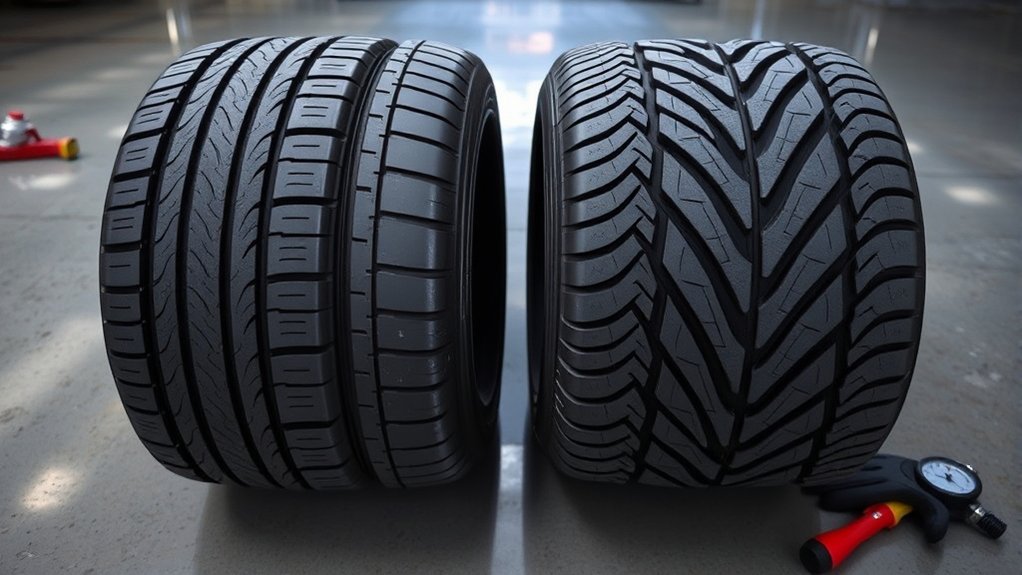
Maintaining your Hyundai Sonata’s tires is essential for ensuring safety, performance, and longevity. Start by checking tire pressure at least once a month; keeping it at the recommended level enhances fuel efficiency and prevents uneven tread wear. Rotate your tires every 5,000 to 7,500 miles to promote even tread wear, maximizing their lifespan.
Don’t overlook alignment and balance; misalignment can cause excessive tread wear and compromise handling. To monitor tread depth, use the penny test: if Lincoln’s head is visible, it’s time to replace your tires for ideal traction and safety.
Finally, keep your tires clean and free from debris. Dirt and stones can lead to damage that affects performance over time. By following these best practices, you’ll not only prolong the life of your tires but also enjoy a smoother, safer ride in your Sonata.
Frequently Asked Questions
What Is the Difference Between Directional and Symmetrical Tires?
Directional tires enhance tire performance in wet conditions, while symmetrical tires focus on tread longevity and comfort. You’ll enjoy better traction with directional designs, but symmetrical options allow for more flexible rotation and everyday driving ease.
Can You Mix Directional and Asymmetrical Tires?
You shouldn’t mix directional and asymmetrical tires. Doing so compromises tire performance and tread longevity, leading to uneven wear and safety issues. Stick to a consistent set for ideal handling and durability on the road.
Conclusion
In the world of tires, choosing the right tread pattern for your Hyundai Sonata is like selecting the perfect dance partner—each step matters. Directional treads grip the road like a champion in the rain, while symmetrical patterns deliver a smooth ride for daily commutes. Whichever you choose, understanding these patterns guarantees your Sonata glides through every journey. So, keep an eye on maintenance, and let your tires carry you confidently down the road ahead.

Related Articles

Where to Find the Recommended Tire Pressure on a Hyundai Sonata
Start at the driver’s door jamb for the cold PSI details and TPMS tips — discover exactly where and how to check them.
Read More
Why One Hyundai Sonata Tire Loses Air Faster Than the Others
Many factors can cause one tire on your Hyundai Sonata to lose air faster—could a simple check reveal the underlying issue?
Read More
Best Hyundai Sonata Tire Pressure for Highway Driving (PSI Tips)
Fine-tune your Hyundai Sonata for highway confidence with optimal PSI tips—discover the exact front/rear pressures and quick checks that transform handling.
Read More