
Hyundai Sonata Tire Repair Kit Limitations: What It Can’t Fix
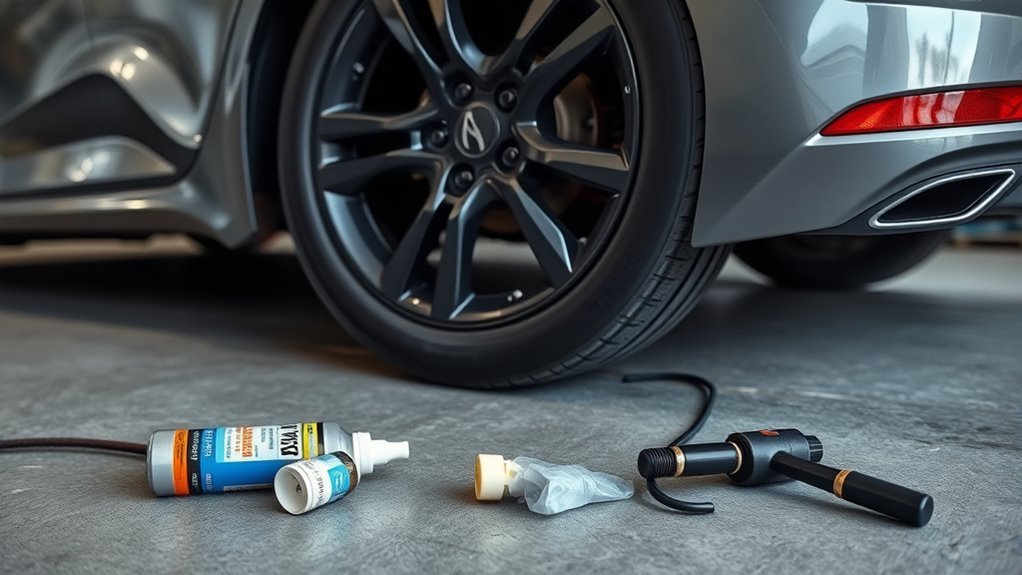
The Hyundai Sonata tire repair kit is great for fixing small punctures, like nails, but it can’t handle sidewall damage or large holes over ¼ inch. If you’ve got multiple close punctures or severe damage, the kit won’t guarantee your safety on the road. Driving on a flat tire can lead to further damage, too. Regular tire checks are vital for maintaining your vehicle. Stick around to uncover more essential insights about tire safety and effective repairs.
When to Use the Hyundai Sonata Tire Repair Kit
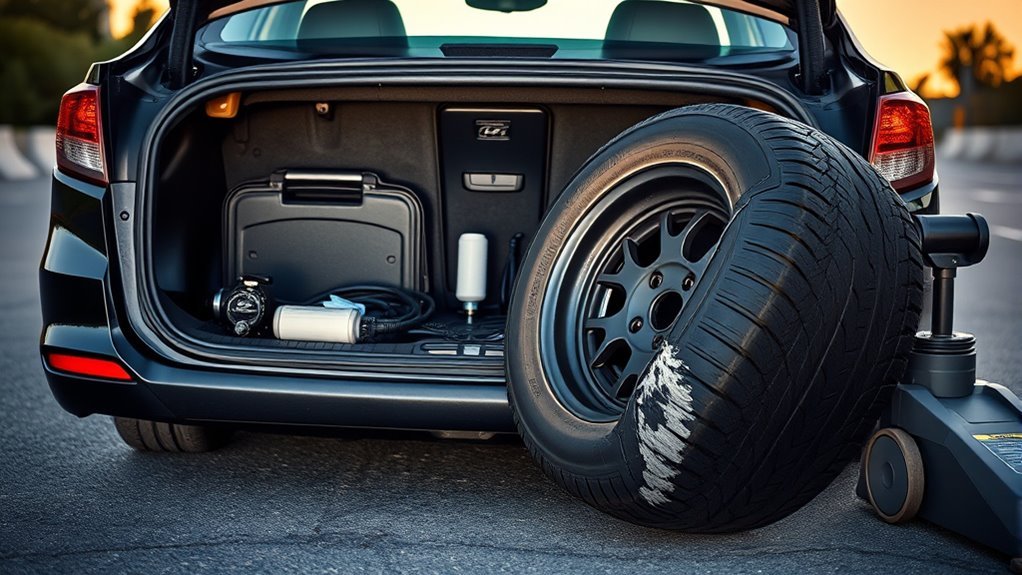
When you’re faced with a flat tire, knowing when to use the Hyundai Sonata Tire Repair Kit can save you time and hassle. This kit is perfect for small punctures, like those from nails, but remember, it won’t fix sidewall damage or large punctures over a quarter inch. Before diving in, make sure your car is on level ground and the parking brake is set. Don’t forget to remove the speed restriction label from the sealant bottle—it’s an essential tire maintenance tip. The kit includes a compressor and sealant, which only work effectively if your tire holds air above 29 PSI. If you notice any unusual vibrations or noises after using the kit, pull over immediately; it could signal further damage. While the kit is a handy emergency preparedness tool, always seek professional repair or replacement soon after, as it provides just a temporary fix.
Common Scenarios Where the Kit Isn’t Enough
You might find that the Hyundai Sonata tire repair kit falls short in essential situations. If you encounter sidewall damage or a puncture larger than a quarter inch, the kit won’t provide the safety and reliability you need. In these cases, it’s vital to recognize when a complete tire replacement is the only viable option.
Sidewall Damage Challenges
While tire repair kits, like those in the Hyundai Sonata, offer a convenient solution for certain punctures, they fall short when it comes to sidewall damage. Sidewall integrity is vital for tire safety, and damage in this area can compromise the entire tire’s structure. If a puncture exceeds ¼ inch, sealants just won’t work. Attempting to repair sidewall injuries can lead to rapid air loss and increase the risk of blowouts, which could put you and others in danger. Manufacturers, including Hyundai, strongly advise against using these kits for sidewall issues. Addressing such damage promptly is essential; otherwise, you may face further degradation, higher repair costs, and a greater risk of accidents on the road.
Large Puncture Limitations
Though tire repair kits can be lifesavers for minor punctures, they become ineffective with larger damages, particularly those exceeding a quarter inch. These limitations mean you’ll often need a tire replacement instead. Here are common scenarios where the kit falls short:
- Large punctures: Anything over a quarter inch can’t be sealed safely.
- Sidewall damage: Compromised structural integrity requires full tire replacement.
- Multiple close punctures: They weaken the tire’s overall structure, making repairs risky.
- Severe damage: Using the kit on badly damaged tires could lead to blowouts while driving.
Understanding these limitations helps you make informed decisions and guarantees your safety on the road. Don’t rely solely on temporary fixes; prioritize proper tire maintenance and replacement.
Sealant Limitations for Sidewall Damage
When it comes to sidewall punctures, relying on sealants can be risky. These products offer only a temporary fix and fail to provide the structural support needed, increasing the likelihood of a blowout. For safety and long-term performance, replacing a damaged tire is often the only reliable solution.
Risks of Sidewall Punctures
Sidewall punctures pose significant risks that can jeopardize your safety on the road. When it comes to sidewall integrity, it’s essential to understand that sealants won’t help. Here are some key points to keep in mind:
- Sidewall damage is usually unrepairable, risking blowouts while driving.
- Sealants are ineffective for sidewall issues, leaving tires vulnerable to air loss.
- Using sealants can worsen the damage, leading to further tire failure.
- Most manufacturers advise replacing tires with sidewall punctures for safety.
Prioritizing tire safety means recognizing the limitations of temporary fixes. Ignoring these risks can endanger you and others on the road, so it’s always best to opt for a proper tire replacement.
Temporary vs. Permanent Solutions
While tire sealants might seem like a quick fix for minor punctures, they fall short when it comes to sidewall damage. These products are designed for temporary fixes, handling small punctures but not addressing the critical structural issues sidewall damage presents. Relying on sealants can compromise your tire’s integrity, increasing the risk of blowouts and hazardous driving conditions. It’s essential to prioritize permanent solutions like professional inspections and tire replacements when facing sidewall issues.
| Issue Type | Sealant Effectiveness | Recommended Action |
|---|---|---|
| Small Puncture | Effective | Temporary Fix |
| Sidewall Damage | Ineffective | Permanent Solution |
| Tread Damage | Partially Effective | Professional Repair |
| Valve Damage | Not Applicable | Replacement |
| Bead Leak | Limited | Professional Repair |
The Dangers of Repairing Large Punctures
Although it might seem tempting to fix a tire with a large puncture, doing so poses serious safety risks. When you encounter puncture severity beyond a quarter inch, your repair kit won’t seal effectively, and attempting a fix can lead to instability and blowouts.
Consider these dangers:
- Compromised structural integrity: Large punctures weaken the tire’s overall strength.
- Inadequate repair safety: Sealants fail to address internal damage, risking further degradation.
- Increased blowout risk: Instability from improper fixes can lead to dangerous situations on the road.
- Costly consequences: Driving on a damaged tire can lead to expensive repairs or even a total replacement.
Instead of risking your safety and finances, prioritize replacing tires with large punctures. Your well-being on the road is worth more than a quick fix.
What Happens If You Drive on a Flat Tire?
Driving on a flat tire might seem manageable for a short distance, but doing so can lead to serious consequences that affect your vehicle’s performance and your safety. When you continue driving, you risk significant damage to the tire’s internal structure, which often means a full replacement is necessary. Plus, the wheel rim can sustain costly damage, complicating repairs.
Operating with a flat tire compromises your control, increasing the likelihood of accidents and putting passengers at risk. The friction generated can create excessive heat, which may even lead to fires or blowouts in extreme cases. Additionally, driving on a flat negatively affects wheel alignment, leading to uneven tire wear and further complicating vehicle handling. In short, prioritizing tire performance and driving safety is essential—don’t underestimate the potential fallout from a flat tire. Make the smart choice and pull over to assess the situation.
Why Regular Tire Checks Matter
Ignoring tire maintenance can lead to dire consequences, as we’ve seen with the risks of driving on a flat. Regular tire checks are crucial for your safety and vehicle performance. By taking a proactive approach, you can identify potential issues before they escalate.
- Monthly pressure monitoring can prevent decreased fuel efficiency and uneven tire wear.
- Visual inspections help spot damage, like cracks or embedded objects, allowing for timely repairs.
- Seasonal temperature fluctuations can rapidly alter tire pressure, making checks essential.
- Routine evaluations considerably reduce the risk of blowouts.
Embracing regular tire maintenance not only enhances your driving experience but guarantees peace of mind on the road. Don’t wait for a flat to remind you of the importance of these checks; make them a habit, and drive with confidence knowing you’ve taken steps to protect yourself and your vehicle.
What to Do If the Repair Kit Fails?
If your tire repair kit fails and leaves you with a flat tire, it’s important to take immediate action to avoid further damage. First, don’t attempt to drive on the flat; this can ruin your tire and wheel. Instead, reach out for roadside assistance immediately. They can tow you to a nearby service shop, especially if you can’t change the tire safely.
Consider keeping a tire plug kit in your vehicle as a backup; it might effectively seal punctures that sealants can’t handle. If you have access to a spare tire or a nearby service station, think about replacing the flat tire rather than relying on the kit for too long.
Lastly, document any issues with the repair kit for future reference. This can help when discussing repairs with a service provider or manufacturer and maintains your repair kit maintenance stays in check for the future.
Frequently Asked Questions
What Is the Limit for Tire Puncture Repair?
You can typically repair punctures up to 1/4 inch deep using various repair methods. Beyond that, the tire’s integrity is compromised, making it essential to seek professional help for any significant damage or multiple punctures.
Is a Tire Mobility Kit a Permanent Fix?
A tire mobility kit isn’t a permanent fix. Remember, “a stitch in time saves nine.” It’s a temporary solution, so prioritize safety concerns by getting professional repairs soon after use for reliable driving.
What Tire Damage Cannot Be Repaired?
You can’t repair tire sidewall damage or tread separation. These issues compromise safety and structural integrity, leaving you vulnerable on the road. Always prioritize replacing tires in such conditions to guarantee your driving experience remains secure.
Conclusion
In conclusion, while the Hyundai Sonata tire repair kit can be a lifesaver in emergencies, it’s not a cure-all. Remember, it can’t fix sidewall damage or large punctures, and driving on a flat can lead to disastrous consequences. Regular tire checks are essential to avoid these situations. If your repair kit fails, don’t hesitate to call for professional help—your safety’s worth more than a thousand tire mishaps! Stay proactive and keep your ride smooth!

Related Articles
What Tread Depth Prevents Hydroplaning on Hyundai Sonata Tires?
Keep your Hyundai Sonata safe from hydroplaning by knowing the crucial tread depth—discover the details that could save you in wet conditions.
Read More
Where to Find the Recommended Tire Pressure on a Hyundai Sonata
Start at the driver’s door jamb for the cold PSI details and TPMS tips — discover exactly where and how to check them.
Read More
Why One Hyundai Sonata Tire Loses Air Faster Than the Others
Many factors can cause one tire on your Hyundai Sonata to lose air faster—could a simple check reveal the underlying issue?
Read More