
Hyundai Sonata Camber Not Adjustable From Factory: Solutions
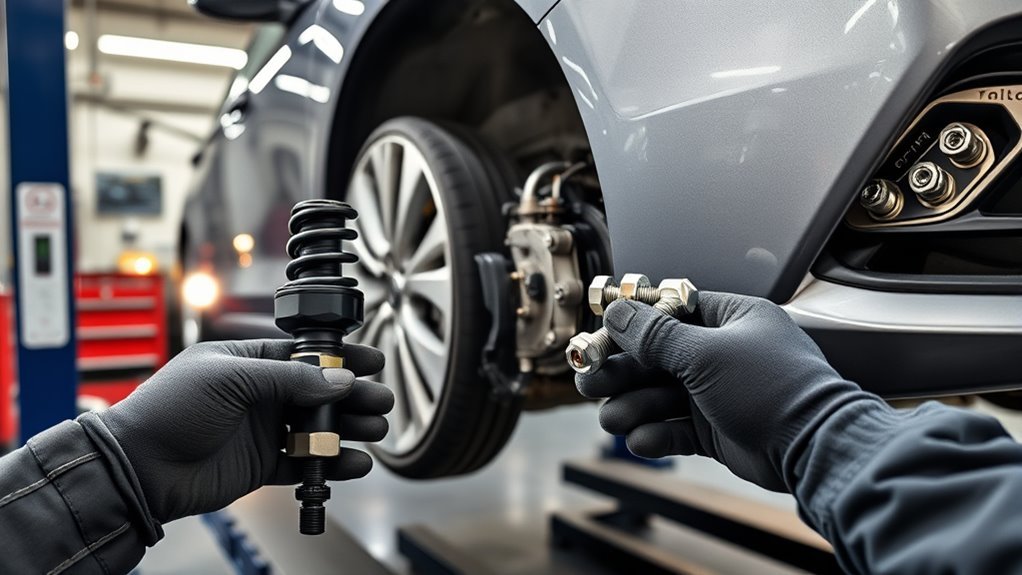
If your Hyundai Sonata’s camber isn’t adjustable from the factory, aftermarket solutions are essential. Consider installing camber bolt kits for up to +/-2.5 degrees of adjustment, or replace control arms with adjustable ones for improved flexibility. Shims can help with minor tweaks between the strut mount and chassis, while adjustable ball joints offer broader customization. Monitoring tire wear and seeking a specialized alignment shop is vital for maintaining performance. There’s more to explore regarding effective techniques and options.
Understanding Why the Hyundai Sonata’s Camber Is Non-Adjustable

Camber basics dictate that proper alignment is essential for vehicle stability and performance. Without the ability to adjust camber, you may find yourself relying on aftermarket solutions, like the Moog K5330, which offers up to +/-2.5 degrees of adjustment. However, regular inspections and maintenance are important, as soft bushings on the control arms can wear out quickly, exacerbating alignment issues. Understanding these factors empowers you to take proactive measures, ensuring your Sonata maintains ideal handling and performance, liberating you from the frustration of misalignment.
Common Issues Caused by Non-Adjustable Camber
When you drive a 2011 Hyundai Sonata with non-adjustable camber, you may encounter several significant issues that can impact your safety and vehicle performance. These camber issues often lead to uneven tire wear, causing your tires to degrade rapidly—some users report up to 50% wear within just 3,000 miles. You might also notice your vehicle pulling to one side, which compromises handling and requires constant steering corrections. This drift at highway speeds not only makes for an unpleasant driving experience but also poses serious safety risks. Many alignment shops struggle to resolve these camber issues due to the lack of OEM parts, making aftermarket solutions vital. Regularly monitoring tire wear patterns is important; neglecting this can exacerbate alignment problems and further affect your vehicle’s performance. Addressing these concerns promptly can help guarantee a safer and more enjoyable driving experience.
Effective Aftermarket Solutions for Camber Adjustment
While many 2011 Hyundai Sonata models come with non-adjustable camber, effective aftermarket solutions exist to address alignment issues. Installing aftermarket camber bolt kits, such as the Moog K5330, allows for a +/-2.5 degrees of camber adjustment. This flexibility is vital for correcting problems like pulling or uneven tire wear, enhancing your driving experience. With installation costs typically under $30, these solutions are both affordable and practical.
Additionally, replacing non-adjustable control arms with adjustable alternatives offers even greater alignment flexibility, further improving handling and tire wear. The aftermarket benefits are significant; these adjustments can lead to enhanced vehicle stability and performance. However, it’s important to regularly monitor tire wear and alignment after installation to guarantee peak safety and performance. By taking these steps, you can liberate your Sonata from alignment woes and enjoy a smoother, more controlled ride.
How Adjustable Control Arms Improve Performance
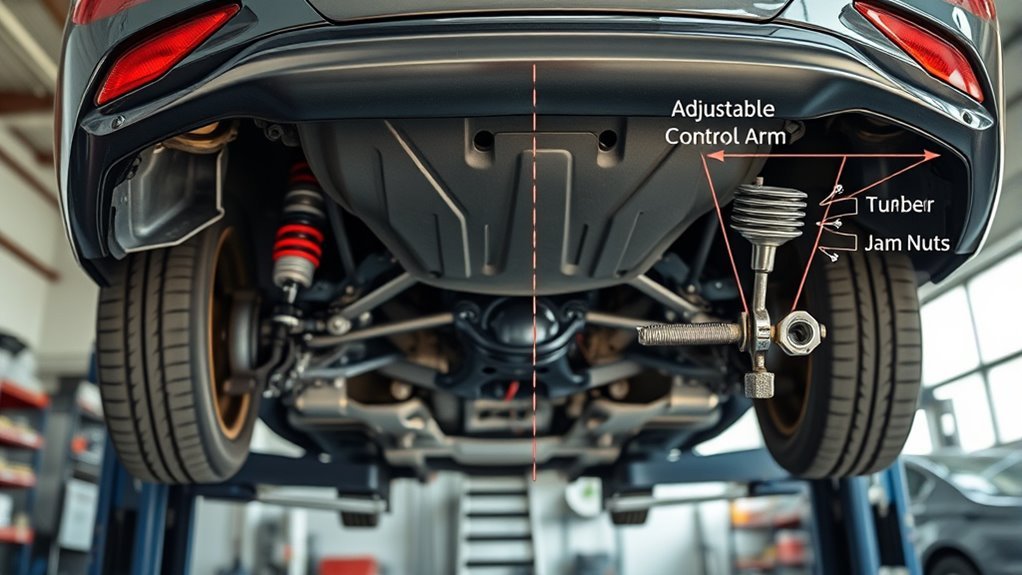
Adjustable control arms enhance your Hyundai Sonata’s handling dynamics by allowing precise camber adjustments that improve tire contact during turns. This precision not only boosts alignment but also increases tire longevity by minimizing uneven wear. By tailoring your vehicle’s setup to your driving preferences, you can achieve peak performance, whether on the track or the street.
Enhanced Handling Dynamics
Enhanced handling dynamics in the Hyundai Sonata are markedly achieved through the integration of adjustable control arms, which allow for precise camber adjustments. By replacing factory control arms, you can fine-tune your vehicle’s setup to optimize tire contact with the road, greatly improving handling performance during cornering. This customization not only enhances stability and response but also reduces tire wear, extending tire life while maintaining consistent performance. The inclusion of spherical bearings in adjustable control arms offers superior articulation and minimal deflection, resulting in a more direct steering feel. With customizable camber settings, you’ll notice enhanced balance and cornering performance, making your Sonata more capable in demanding driving scenarios like track days or autocross events.
Precise Alignment Adjustments
Modifying your Hyundai Sonata with adjustable control arms greatly elevates its performance through precise alignment adjustments. These arms enable you to fine-tune camber specifications, enhancing tire contact with the road. This adjustment improves handling dynamics, especially during sharp turns, by increasing cornering stability.
| Feature | Benefit | Tool Required |
|---|---|---|
| Adjustable Camber Arms | Better Traction | Alignment Tools |
| Enhanced Cornering Stability | Improved Handling | Professional Alignment |
| Reduced Tire Wear | Extended Lifespan | Calibration Equipment |
Increased Tire Longevity
When you install adjustable control arms on your Hyundai Sonata, you gain the ability to fine-tune camber settings, which directly affects tire contact with the road. This precision optimizes handling and markedly enhances tire longevity. By enabling slight negative camber adjustments, you can distribute tire wear evenly, reducing the risk of premature degradation. Regularly adjusting your camber using these aftermarket control arms mitigates uneven tread wear caused by factory settings. Whether you’re performance driving or commuting, fine-tuning guarantees your tires last longer. Incorporating this into your suspension maintenance routine not only maximizes tire lifespan but can also improve fuel efficiency. Embrace the freedom of tailored alignment for better overall vehicle performance and a smoother driving experience.
How to Use Shims and Ball Joints for Effective Camber Adjustments
Achieving ideal camber alignment on your Hyundai Sonata often requires a combination of shims and adjustable ball joints. Shims can be placed between the strut mount and chassis for minor adjustments, while aftermarket adjustable ball joints replace factory components, enabling further customization.
| Component | Purpose |
|---|---|
| Shim Types | Allows slight angle modifications |
| Ball Joint Brands | Facilitates broader camber adjustments |
To guarantee accuracy, use alignment tools during installation. Regularly check tire wear patterns; improper adjustments can lead to uneven wear and affect handling. Combining shims with adjustable ball joints offers a thorough solution, particularly beneficial for performance applications. This approach empowers you to fine-tune your vehicle’s alignment, enhancing both driving experience and tire longevity.
Installing Aftermarket Camber Solutions: A Step-by-Step Guide
Installing aftermarket camber solutions on your Hyundai Sonata can greatly enhance handling and tire longevity. Here’s a step-by-step guide to get you started:
Installing an aftermarket camber kit on your Hyundai Sonata significantly improves handling and extends tire life.
- Select the right camber kit: Choose a compatible camber bolt kit, like the Moog K5330, which offers +/-2.5 degrees of adjustment.
- Lift and access: Safely lift your vehicle and remove the wheel to reach the strut assembly. This is where you’ll replace the non-adjustable strut mounting bolt.
- Replace and align: Install the adjustable camber bolt, making sure it’s positioned correctly for your desired camber. After installation, perform a full wheel alignment to set the camber, toe, and caster angles to manufacturer specs.
Regularly monitor tire wear and alignment settings post-installation to guarantee your new camber adjustments maintain their intended specifications. Embrace the liberation that comes with precise handling and enhanced performance!
Tips for Finding a Reliable Alignment Shop
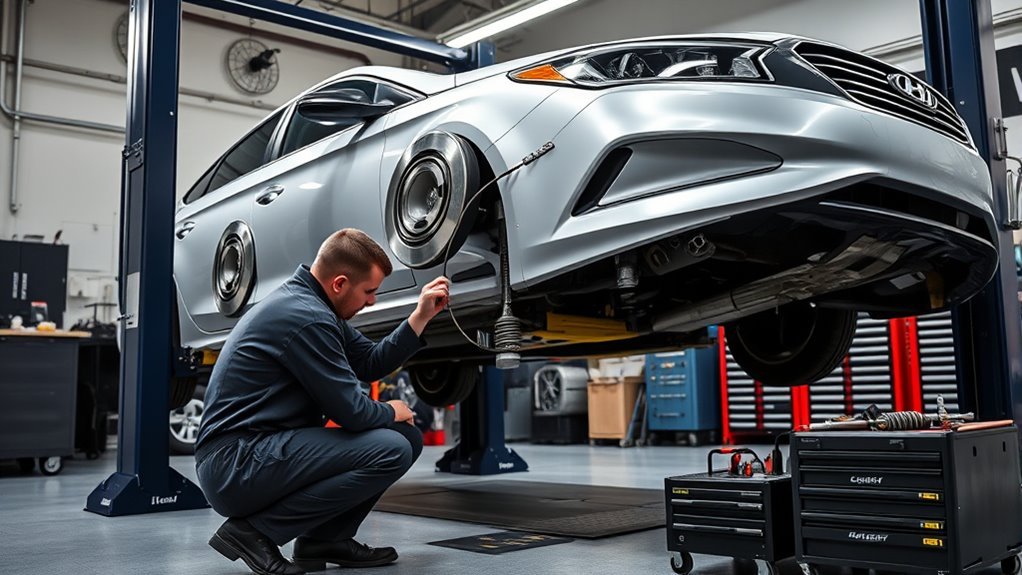
After enhancing your Hyundai Sonata’s handling with aftermarket camber solutions, selecting a reliable alignment shop becomes pivotal for ideal performance. Start by seeking shops that specialize in suspension work and have experience with non-adjustable camber setups. They’re more likely to understand your vehicle’s specific needs.
Check online reviews and customer feedback to identify reputable alignment shops known for their quality service in handling camber issues. Look for shops equipped with advanced alignment technology, such as laser alignment systems, ensuring precise readings.
Inquire about the shop’s experience with aftermarket solutions, like camber adjustment kits, which may be necessary for optimal alignment. Additionally, confirm whether they offer a warranty on their alignment services, providing you peace of mind regarding quality. By following these tips, you’ll find an alignment shop that supports your Sonata’s enhanced performance effectively.
How to Monitor Tire Wear
To effectively monitor tire wear, you should conduct regular visual inspections to identify any uneven tread patterns that may signal alignment or camber issues. Additionally, consistently check your tire pressure, as improper inflation can accelerate wear and compromise handling. These proactive measures help guarantee your Hyundai Sonata maintains peak performance and longevity.
Regular Visual Inspections
- Tread Depth: Uneven tread wear can indicate alignment problems.
- Edge Wear: Inspect the outer and inner edges for signs of excessive wear, signaling improper camber settings.
- Sidewall Integrity: Look for bulges, blisters, or cracks, which may point to underlying suspension issues.
Conduct these checks every 3-5 weeks, and document your findings. Regular tire rotation can also help maintain even wear, enhancing performance and safety. Stay proactive to liberate yourself from potential hazards on the road.
Tire Pressure Checks
Maintaining proper tire pressure is essential for maximizing tire lifespan and ensuring ideal vehicle handling. Regularly check tire pressure using a reliable gauge; under-inflated or over-inflated tires can lead to uneven tire wear, compromising safety. Incorporate pressure monitoring into your routine, aiming for the manufacturer’s recommended PSI.
Additionally, monitor tire tread depth with a tread depth gauge; a minimum of 2/32 inches is safe, but 4/32 inches is ideal for performance. Inspect tires visually every 3-5 weeks for uneven wear patterns like bald spots. Rotate tires every 5,000 to 7,500 miles to promote even wear. Finally, keep a log of pressure readings and tread observations, allowing you to identify and address alignment or pressure issues promptly.
What to Know About Legal Options for Alignment Problems?
When facing persistent alignment issues with your Hyundai Sonata, it’s essential to understand the legal options available to you. Here’s what you need to take into account:
- Lemon Law Protections: If repairs fail after multiple attempts, you may qualify for a refund or replacement under Lemon Law.
- Documentation Importance: Keep detailed records of all service visits and communications; this documentation supports your claims effectively.
- Consult Legal Help: A lawyer specializing in automotive or consumer rights can guide you through the complexities of your situation.
Utilizing your warranty is vital for addressing alignment problems, as many issues may fall under its coverage. If dealer responses aren’t satisfactory, don’t hesitate to file a complaint with Hyundai Consumer Affairs for further investigation. Your consumer rights matter, and understanding these options empowers you to seek the resolution you deserve.
Frequently Asked Questions
How Much Does It Cost to Fix Camber Alignment?
Fixing camber alignment typically costs between $125 and $200 at a dealership. Alternatively, you could use affordable camber adjustment kits and alignment tools, reducing costs to under $30 plus labor for installation.
How Much Does It Cost to Fix EPS on Hyundai Sonata?
Fixing EPS on your Hyundai Sonata typically costs between $500 and $2,000. Be prepared for potential steering issues, and don’t forget to think about alignment services to guarantee ideal handling and safety on the road.
Conclusion
In closing, addressing the non-adjustable camber of your Hyundai Sonata can feel like steering a ship without a rudder—you’re bound to veer off course. By exploring aftermarket solutions like adjustable control arms or shims, you regain control over your vehicle’s alignment, enhancing performance and tire longevity. Remember, regular monitoring and consulting a reliable alignment shop can keep you sailing smoothly, ensuring your Sonata remains a reliable companion on the road.

Related Articles

Does a Hyundai Sonata Need Tire Alignment After a Pothole?
Grappling with a pothole can leave your Hyundai Sonata in need of alignment—discover the signs and solutions to ensure safe driving.
Read More
Hyundai Sonata 4-Wheel Tire Alignment Explained: Worth It?
On the fence about a 4-wheel tire alignment for your Hyundai Sonata? Discover why it’s a smart investment for performance and longevity!
Read More
Hyundai Sonata Alignment Keeps Going Out of Spec: Why & Fix
Prevent misalignment in your Hyundai Sonata by uncovering the hidden causes and exploring effective solutions to keep your ride smooth and safe.
Read More