
Hyundai Sonata Bent Rim Causing Tire Vibration: Diagnosis & Fix
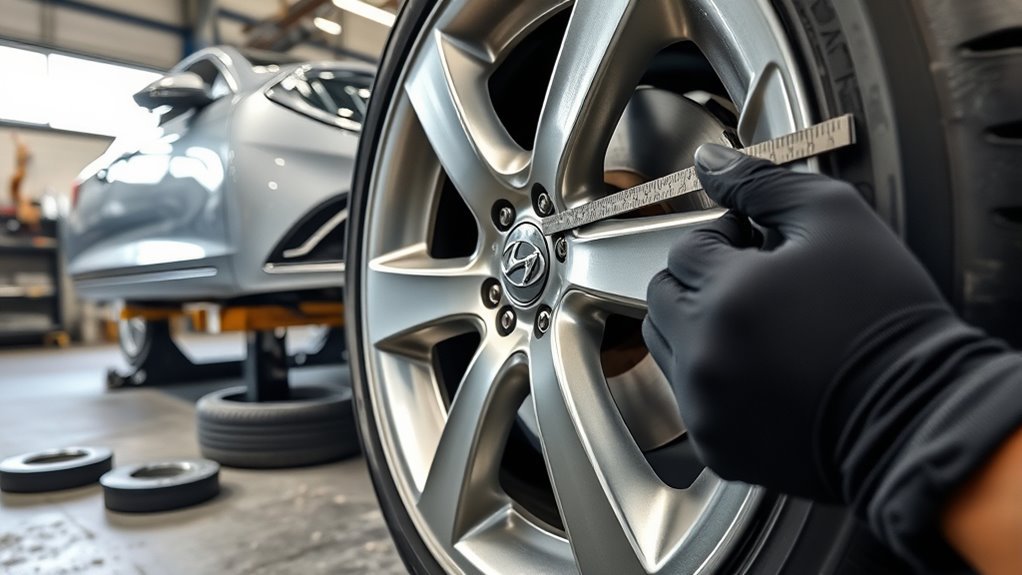
If you’re experiencing vibrations in your Hyundai Sonata, particularly between 50-70 MPH, it could be due to a bent rim. This issue often causes noticeable shaking in the steering wheel and uneven tire wear. Start by checking the rims for visible damage and verify tires are properly inflated. Ignoring these symptoms can lead to costly repairs down the line. Discover how to effectively diagnose and fix these vibration issues for a smoother ride ahead.
Does Your Hyundai Sonata Have a Vibration Problem?
Have you noticed a vibration while driving your Hyundai Sonata? This issue often becomes evident at speeds above 50 MPH, peaking around 70 MPH. You might feel it in the steering wheel and through the seats, which can signal a deeper problem. While steering adjustments and tire balancing can help, persistent vibrations might indicate a bent rim. Both original 19-inch alloy wheels and 17-inch aftermarket steel rims are known to experience this issue, regardless of road conditions. A bent rim can lead to slow air leaks and uneven tire wear, exacerbating your vibration problem. Addressing these vibrations promptly is essential; ignoring them can accelerate tire wear and pose safety risks on highways. To guarantee peak performance and safety, consider a thorough inspection of your rims. Taking action now can liberate your driving experience and keep your Sonata in top shape.
How to Spot Tire Vibration Symptoms
How can you tell if your Hyundai Sonata is experiencing tire vibration symptoms? First, pay attention to any noticeable shaking in the steering wheel, especially at speeds above 50 MPH, peaking around 70 MPH. If you feel vibrations through the floor and seats, it’s likely a sign of vibration causes like unbalanced tires or a bent rim. Persistent vibrations can lead to accelerated tire wear and stress on suspension components, so don’t ignore them.
Look for rhythmic vibrations at specific speed ranges and check for any air loss from tires without visible punctures. Regular tire maintenance, including balancing and visual inspections, can help catch these issues early. By staying vigilant, you can identify potential problems before they escalate, ultimately saving you from costly repairs.
Understanding the Impact of a Bent Rim
While you might not notice a bent rim at first glance, its impact on your Hyundai Sonata’s performance can be significant. A bent rim can lead to slow air leaks, creating gaps at the tire bead that may only show up in specific wheel positions, resulting in frequent air top-offs. At higher speeds, the imbalance manifests as noticeable vibration, while wobbly rims can cause uneven tread wear, producing a low humming sound. This uneven contact with the road not only affects comfort but also safety. Often, damage to the inner lip isn’t visible without proper inspection, complicating diagnosis. Regular tire maintenance is essential; verifying a bent rim involves checking for wheel runout and evaluating tire condition, especially if there’s been air loss. Rim repair may be necessary to restore your Sonata’s smooth ride and guarantee peak performance.
How to Diagnose Wheel Vibration at Home
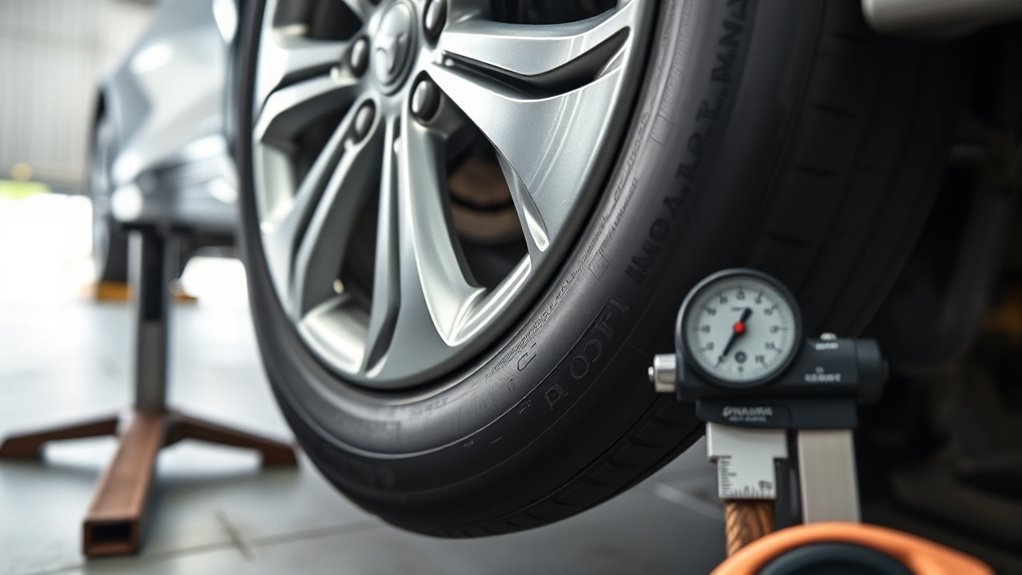
To diagnose wheel vibration at home, start with a thorough visual inspection of the rims for any bends or damage. Next, perform basic wheel tests by spinning the wheels while observing for any hopping or wobbling. Finally, check the tire pressure to guarantee proper inflation, as this can greatly impact handling and vibration.
Visual Inspection Techniques
Visual inspection is an essential first step in diagnosing wheel vibration issues at home. Start your wheel inspection by jacking up each wheel and spinning it to check for noticeable hop or wobble, indicating a bent rim. Look for shiny scuff marks on tire sidewalls; these suggest contact with suspension components due to rim damage. Employ the zip tie method for rim assessment: attach a zip tie to the suspension and observe gaps as the wheel spins to identify bends. To check for air leaks, submerge the tire in water and look for bubbles around the bead. Finally, examine the tread pattern for uneven wear, signaling potential rim or alignment problems that need to be addressed.
Basic Wheel Tests
When diagnosing wheel vibration at home, you can perform several basic tests to identify the issue effectively. Start with a visual inspection; jack up your vehicle and spin each wheel to check for noticeable hop or wobble, which indicates rim quality problems. Next, conduct a run-out test using a dial indicator or a zip-tie pointer to measure the rim’s deviation—anything over 3 mm suggests it needs straightening. Mark the tire tread with chalk to assess alignment; uneven wear may require adjustments. Finally, observe vibrations while driving at different speeds. If the shaking occurs consistently at specific speeds, it likely points to wheel balance issues caused by a bent rim rather than a tire defect.
Tire Pressure Check
Checking tire pressure is essential for diagnosing wheel vibration at home, as under-inflated tires can lead to handling issues and increased vibrations. Start by using a digital pressure gauge to check tire inflation, ensuring all tires, including the spare, meet the manufacturer’s recommended levels found in the owner’s manual or on the driver’s side door jamb. Look for visible signs of damage, such as bulges or uneven wear, which could indicate deeper problems. Regular pressure monitoring is vital, especially since temperature changes can cause fluctuations that contribute to vibrations. Additionally, consider performing a chalk stick test on the tire tread to identify any alignment issues that may exacerbate vibration concerns.
How Wheel Alignment Affects Vibration
Improper wheel alignment can lead to uneven tire wear, causing noticeable vibrations, especially at higher speeds. If your vehicle pulls to one side or the steering wheel feels off-center, these symptoms often indicate alignment issues. Regular alignment checks are essential to guarantee ideal tire contact with the road, enhancing both comfort and safety.
Effects on Tire Wear
Even minor wheel misalignment can lead to significant tire wear issues, affecting your Hyundai Sonata’s performance and longevity. Here’s how misalignment impacts tire wear:
- Uneven Wear: Causes feathered edges or lopsided shoulders on tires.
- Vibration: Persistent vibration may mask deeper issues, like bent rims, complicating wear.
- Pulling: A vehicle pulling to one side can accelerate tread degradation.
- Cost: Accelerated wear necessitates more frequent replacements, increasing overall expenses.
Regular alignment maintenance is essential. Timely checks and adjustments can enhance tire longevity and improve your driving comfort by reducing vibrations. Prioritizing alignment can save you money and keep your Sonata performing at its best. Don’t overlook the importance of keeping your wheels aligned!
Symptoms of Misalignment
Misalignment can lead to noticeable symptoms that affect your Hyundai Sonata’s driving experience. You’ll likely notice an off-center steering wheel while driving straight, accompanied by a shake or vibration that doesn’t worsen at higher speeds. This can indicate uneven tire wear, which can ultimately compromise your vehicle’s stability.
| Symptoms | Effects on Driving | Indicators of Tire Wear |
|---|---|---|
| Off-center steering | Pulls to one side | Feathered tire edges |
| Vibration | Decreased control | Uneven contact with road |
| Drifting | Instability | Increased wear on one side |
Conducting quick driveway string tests can help you identify alignment issues if the vehicle consistently drifts left or right on flat roads. Addressing these symptoms promptly can enhance your driving experience.
Importance of Regular Checks
Regular checks on your wheel alignment are essential for maintaining the performance and safety of your Hyundai Sonata. Misalignment can lead to vibrations, uneven tire wear, and safety hazards. Here’s why you should prioritize alignment frequency as part of your preventive maintenance:
- Enhanced Comfort: Proper alignment minimizes vibrations, ensuring a smoother ride.
- Tire Longevity: Regular checks prevent uneven wear, extending tire life and saving you money.
- Safety Assurance: An aligned vehicle maintains traction, reducing the risk of accidents.
- Early Detection: Quick driveway tests can spot alignment issues before they escalate.
Ignoring alignment problems can lead to costly repairs and compromise your driving experience. Stay proactive; it’s your path to a safer, more enjoyable ride.
Costs of Ignoring Vibration Issues
Neglecting tire vibration issues can lead to significant long-term costs. Ignoring persistent vibrations often results in accelerated tire wear, meaning you’ll face premature replacements, which can be costly compared to timely repairs. A bent rim can create uneven tread wear patterns, requiring both new tires and alignment adjustments—potentially exceeding $300 in combined repair costs. If left unaddressed, vibration causes more severe problems, like bent suspension components, racking up repair costs of $1,000 or more. Additionally, continuing to drive with vibrations can lead to driver fatigue and discomfort, compromising your safety and overall driving experience, especially on highways. By promptly diagnosing and fixing these issues, you can prevent cumulative repair costs that might only be around $150. Ignoring them, however, risks escalating expenses over time. Take action now to safeguard both your vehicle and wallet.
How to Prevent Rim Damage and Vibration Issues
To keep your Hyundai Sonata’s rims in good condition and minimize vibration issues, it’s crucial to routinely monitor tire pressure. Proper inflation prevents rim damage and vibrations. Here are four key steps for effective preventive maintenance and rim protection:
- Check Tire Pressure: Regularly inspect tire pressure to guarantee proper inflation.
- Avoid Impacts: Steer clear of potholes and curbs, as impacts can bend rims easily.
- Schedule Alignments: Routine wheel alignments and balancing help maintain tire and rim integrity.
- Inspect Rims: After any significant impact, check rims for visible damage or bends and address issues promptly.
Case Study: Fixing a Vibration Issue in a Hyundai Sonata
When you experience vibrations in your Hyundai Sonata, especially between 50-70 MPH, it’s important to diagnose the issue promptly. A likely cause is a bent rim, which can lead to uneven tire wear and more costly repairs if ignored. Conducting proper rim maintenance is vital to prevent further issues.
Here’s how to identify and address the problem:
| Symptoms | Diagnostic Methods | Solutions |
|---|---|---|
| Rhythmic vibrations | Road-force balancing | Straighten or replace rim |
| Air loss from tire | Visual rim run-out check | Tire replacement |
| Scuff marks on rim | Inner lip inspection | Seal tire bead |
When to Seek Professional Help for Vibration Issues?
Vibrations in your Hyundai Sonata can signal issues that go beyond simple tire or rim problems. If you’re experiencing persistent vibrations, it’s essential to know when to seek professional help. Here are key indicators:
- Vibration Frequency: If vibrations persist above 50 MPH despite balancing and alignment.
- Steering Wheel Vibration: Noticeable shaking in the steering wheel or discomfort in the seats.
- Unusual Tire Wear: Irregular patterns on your tires suggesting deeper mechanical issues.
- DIY Diagnostic Tools: If your attempts yield inconclusive results, it’s time to consult a specialist.
Early intervention can prevent exacerbating problems like drivetrain or suspension issues. Documenting symptoms and previous repairs can also empower professionals to diagnose effectively. Don’t hesitate; taking swift action can save you time and money in the long run.
Frequently Asked Questions
Can a Slightly Bent Rim Cause Vibration?
Yes, a slightly bent rim can cause vibrations. It disrupts balance, leading to noticeable shaking. Timely rim repair is essential to address vibration causes, prevent uneven tire wear, and protect your vehicle’s suspension components.
How Much Does It Cost to Fix EPS on Hyundai Sonata?
Don’t let high EPS repair costs deter you—fixing your Hyundai Sonata typically ranges from $500 to $1,500. Regular maintenance can help you avoid costly repairs and keep your steering system running smoothly.
Why Is My Hyundai Sonata Vibrating?
Your Hyundai Sonata’s vibrating could stem from improper tire alignment or unbalanced wheels. Check these factors first; if issues persist, further investigation into the tires or drivetrain may be necessary to resolve the problem.
Conclusion
In conclusion, addressing a bent rim and its associated vibrations in your Hyundai Sonata is essential for both safety and performance. Ignoring these issues can lead to further damage and costly repairs. Are you willing to risk your vehicle’s integrity over a seemingly minor problem? By diagnosing the issue early and taking preventative measures, you can guarantee a smoother ride and extend the lifespan of your tires. Don’t wait—take action before it escalates!

Related Articles

Run Flat vs Regular Tires for Hyundai Sonata: Pros & Cons
Get the lowdown on run-flat and regular tires for your Hyundai Sonata; discover which option suits your driving needs before making a final decision.
Read More
Does Hyundai Sonata Come With Complimentary Tire Rotation?
Find out if the Hyundai Sonata includes complimentary tire rotation services and discover how this benefit can enhance your driving experience.
Read More
Touring vs Performance Tires for Hyundai Sonata: Which to Choose
Discover the key differences between touring and performance tires for your Hyundai Sonata, and find out which option truly suits your driving style.
Read More