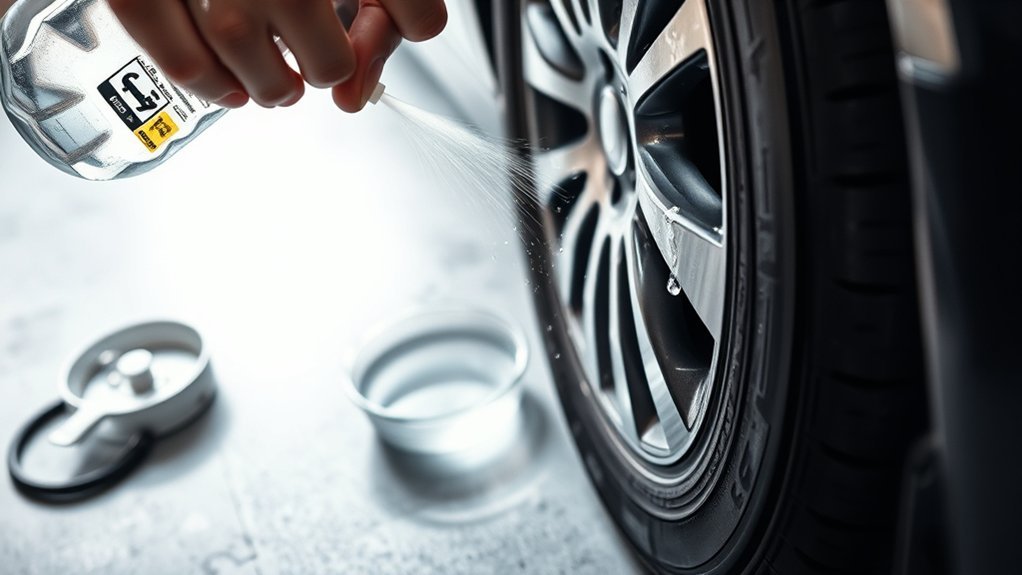
Finding a tire leak early can save you from sudden flats, poor fuel economy, and unsafe driving conditions. To find a tire leak at home, check the tire pressure cold, inspect the tread, sidewall, valve stem, bead, and rim, then spray soapy water over each area and watch for bubbles that keep growing. If the soap test does not reveal a very slow leak, safely removing the wheel and testing one section at a time in water can help. Mark the leak before repair, and do not keep driving on a tire with rapid air loss or visible structural damage.
Last updated: August 18, 2026
Quick Answer
To find a tire leak at home, check cold tire pressure first, then inspect the tread, sidewall, rim, bead, and valve stem. Spray soapy water over each area and watch for bubbles that keep growing in one spot. If needed, remove the wheel safely and use a water test. Mark the leak before repair. If you find an embedded nail or screw, leave it in place until the tire is ready for professional service or the spare is installed because removing it can cause faster air loss.
Key Takeaways
- Start with a cold tire pressure reading and compare it with the vehicle placard or owner’s manual.
- Soapy water reveals escaping air by forming growing bubbles at punctures, valve leaks, bead leaks, or rim leaks.
- Slow leaks may come from the valve core, tire bead, corroded rim, or a tiny tread puncture you cannot see at first.
- Mark every leak location immediately with chalk, tape, or a grease pencil before moving the wheel.
- Leave an embedded nail or screw in place until the tire is ready for service; pulling it out may cause rapid air loss.
- Do not keep driving on a low tire. Underinflation can create heat buildup and internal tire damage.
At a Glance
| Time Required | Varies by leak location and whether the wheel must be removed |
| Difficulty | DIY-friendly diagnosis; professional service may be required for repair |
| Tools Needed | Tire pressure gauge, spray bottle, dish soap, water, chalk or tape, flashlight, water tub optional |
| Cost | Varies by leak source and repair; basic diagnosis uses common household tools |
Note: Use the recommended cold tire pressure on your vehicle’s driver-door placard or owner’s manual, not the maximum pressure printed on the tire sidewall. The National Highway Traffic Safety Administration says proper tire pressure affects safety, tire durability, and fuel consumption.
How to Find a Tire Leak at Home: Start With Pressure and Inspection
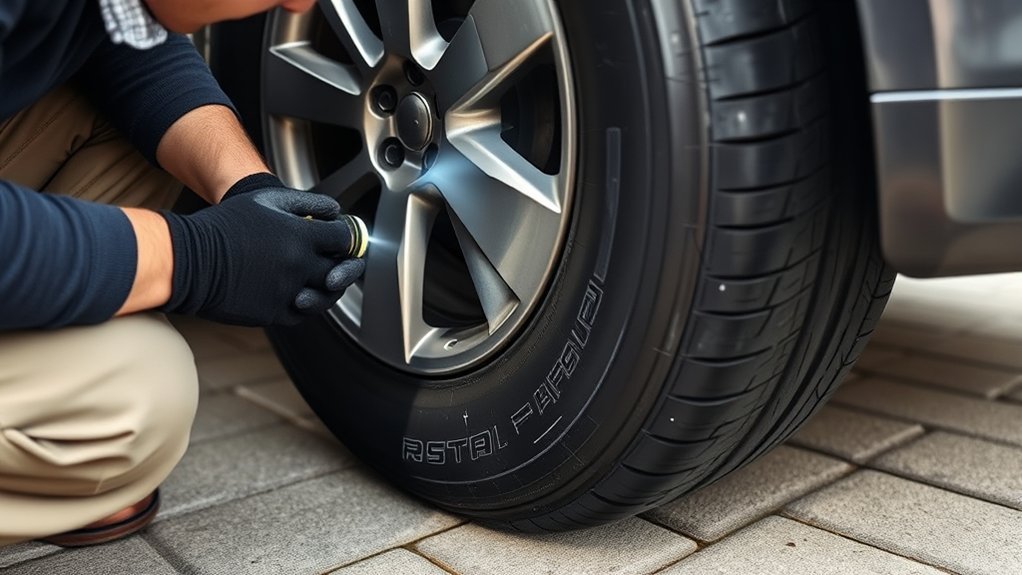
Start with the tire cold if possible. For a consistent reading, check before driving or after the vehicle has been parked for about three hours. Check the pressure with a gauge and write down how far it sits below the recommended pressure. A tire that keeps losing more air than the others needs closer inspection, even if it does not look flat.
Look closely at the tread, shoulder, and sidewall. Nails, screws, sharp stones, glass, cuts, bubbles, bulges, or cracked rubber can all point to a leak or structural damage. Use a flashlight and move slowly around the whole tire instead of checking only the spot that faces outward.
Check the rim surface for corrosion, dents, bends, cracks, or dirt where the tire meets the wheel. Aluminum wheels can develop slow bead leaks when corrosion prevents the tire from sealing tightly against the rim.
Also inspect the valve stem and valve cap. A cracked rubber stem, damaged metal stem, loose valve core, or contamination around the valve can contribute to pressure loss. Remove the cap and listen for a faint hiss near the valve before moving to the soapy water test.
Leak clues to look for during inspection
- Tread object: A nail or screw in the repairable tread area may cause a repairable puncture if the injury meets industry repair limits and the tire has not suffered additional damage.
- Sidewall cut or bubble: Sidewall damage usually means the tire needs replacement, not a standard puncture repair.
- Rim corrosion or bent wheel: Bubbles near the wheel edge often point to a bead or rim-seal leak.
- Valve stem cracks: Bubbles at the valve base usually mean the valve stem or valve seal needs service or replacement.
Should you pull a nail or screw out of the tire?
No. If you find a nail or screw embedded in the tread, leave it in place until the tire is ready for professional inspection or the spare has been installed. Pulling the object out can turn a slow leak into rapid air loss. Michelin’s tread-damage guidance likewise advises drivers not to remove an embedded nail themselves.
Use Soapy Water to Find the Leak
Mix water with a few drops of dish soap in a spray bottle. The solution should be slippery enough to cling to the tire but not so foamy that it hides small bubbles. If the tire has no visible structural damage and can be inflated safely, bring it to the vehicle’s recommended cold pressure before testing.
Spray the solution generously over one section at a time. Start with the valve stem, then move across the tread, shoulder, sidewall, bead area, and rim edge. Wait 30–60 seconds after spraying each area because slow leaks may take time to form visible bubbles.
Watch for bubbles that keep growing in one exact spot. Random foam from spraying does not matter, but a steady cluster of expanding bubbles shows escaping air. Rotate the tire as needed so you can inspect the full surface evenly.
Warning: Do not continue driving on a tire with rapid air loss, a sidewall puncture, a bulge, exposed cords, or visible sidewall damage. The U.S. Tire Manufacturers Association limits proper puncture repair to certain tread-area injuries, and shoulder damage falls outside the repairable area.
[Products Worth Considering]
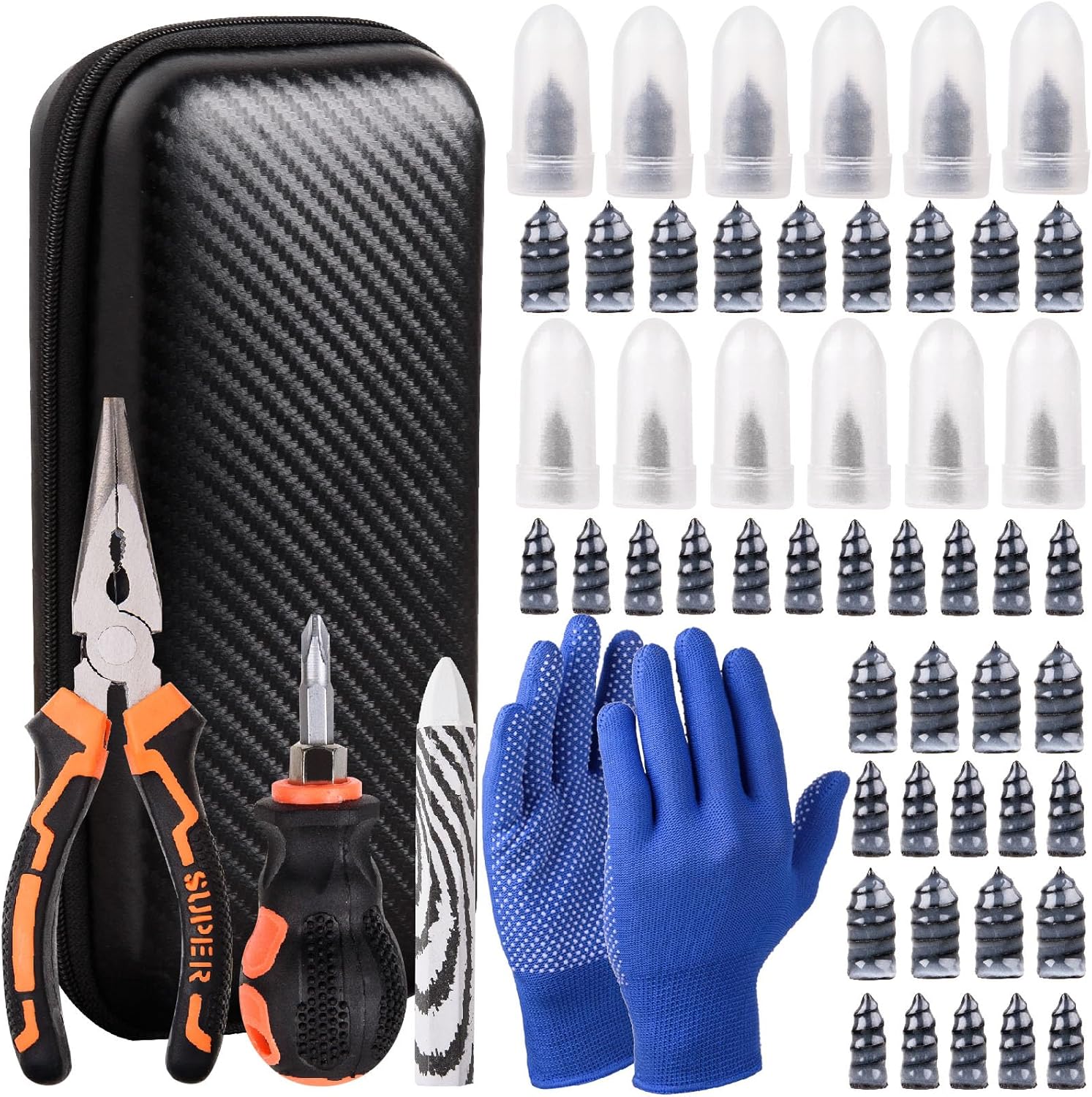
This tire sidewall puncture repair kit fixes flats fast without removing the tire, helping you get back on the road in minutes. It includes self-tapping repair nails, essential tools, gloves, and a portable storage bag for convenient roadside use. Designed for tubeless tires, it helps create a tight, leak-resistant seal for cars, motorcycles, trucks, SUVs, and ATVs.

TireJect Off-Road Tire Sealant Kit provides 5-in-1 sealing to help fix tread punctures up to 3/8", sidewall punctures up to 3/8", bead leaks, slow leaks, and minor dry rot on low-speed tires. It permanently seals with liquid rubber, recycled tire particles, and Aramid fibers, making it ideal for flats caused by thorns, nails, and screws. The included dispensing cap attaches to the valve stem for a no-mess installation, along with a metal valve core remover tool and valve stem cap. This kit is for off-road use only.

Keep your tires properly inflated with this analog VONDIOR tire pressure gauge, designed for fast, easy readings without batteries. The swiveling, two-axis hose and large glow dial help you measure at any tire angle with instant visibility. Built with a protective rubber shield, it supports durable, low-maintenance use for cars and trucks.
Check the Bead and Valve Stem More Closely
If the tread looks clean, spend extra time on the bead and valve. Many slow leaks do not come from a visible nail. They can come from the seal where the tire meets the rim, a leaking valve core, a cracked valve stem, or corrosion around the wheel lip.
For the valve test, remove the cap and spray soapy water into the valve opening and around the base of the stem. Bubbles from the center of the valve point to a valve-core leak. Bubbles from the base often mean the valve stem or valve seal needs replacement.
For the bead test, spray the full circle where the tire touches the rim on both the outer and inner side of the wheel if you can reach it safely. Bubbles along that edge usually mean the tire must be demounted so the rim and bead area can be inspected, cleaned or repaired as needed, and resealed by a tire shop.
[Products Worth Considering]

This multi-function tire valve stem removal tool set makes it fast to remove, install, bleed, and clean valve cores for easier tire maintenance. It includes valve core removers, a 4-way spool tool, replacement valve caps, and spare cores to handle replacements and repairs with confidence. Universal compatibility suits cars, trucks, motorcycles, bicycles, and more for roadside convenience.

Get back on the road fast with this compact tire plug repair kit for tubeless tires. It includes self-vulcanizing rubber plugs, T-handle rasp and insert tools, and a storage box that fits in your glove compartment for easy access. Also included are a 4-way valve steam tool set with valve cores and caps for added roadside convenience.

Yieokei Tesla jack pads are molded rubber lifting pucks designed for 2016-2026 Model 3/Y/S/X, including Juniper, to fit securely in the jack hole. They cushion the underframe and help position the jack precisely at the factory jack points to reduce risk of battery, paint, or chassis damage. The set also includes a tire repair tool kit for emergency roadside fixes and comes with a portable storage case to keep everything organized.
Test Hard-to-Find Leaks in Water
If soapy water does not reveal the leak, a water submersion test can help. Only remove the wheel if you can park on a flat surface, set the parking brake, chock the other wheels, and support the vehicle safely with the correct jack points and jack stands.
Fill a large tub with enough water to cover part of the tire at a time. Keep the tire at the vehicle’s recommended pressure and do not exceed the maximum pressure printed on the sidewall. Do not inflate or continue testing a tire that has sidewall damage, exposed cords, a severe cut, or a bulge.
Lower one section of the tire into the water and watch for a steady stream of small bubbles. Rotate the tire slowly and inspect the tread, shoulder, sidewall, bead area, rim edge, and valve stem from every angle. Mark the leak as soon as you find it.
Pro Tip: Use chalk, painter’s tape, or a grease pencil to mark the leak before drying the tire. Take a quick photo too, especially if you plan to bring the tire to a shop.
What the Leak Location Means
The repair choice depends on where the bubbles appear. A qualifying puncture in the repairable tread area may be repairable, but leaks from the shoulder, sidewall, bead, valve, or rim require different service.
- Repairable tread area: A puncture may be repairable if it is no larger than 1/4 inch or 6 mm, stays within the repairable tread area, and the tire passes an internal inspection.
- Shoulder or sidewall leak: These areas are outside the standard repairable tread area. Tire Industry Association guidance says shoulder and sidewall punctures are not repairable under standard passenger-tire puncture procedures.
- Valve stem leak: The valve core may need service or replacement, or the valve stem or seal may need to be replaced.
- Bead leak: The tire usually needs to be removed so the wheel and bead area can be cleaned, inspected, and resealed if serviceable.
- Rim crack or bend: The wheel may need repair or replacement before the tire can hold air safely.
A tire that repeatedly needs air is not just annoying. It can be a safety risk because underinflation creates heat buildup and can cause internal tire damage.
When to Repair, Replace, or Call a Tire Shop
Do not assume every leak is safe to patch at home. A proper permanent puncture repair requires the tire to be removed from the wheel and inspected from the inside. For an eligible injury, the puncture channel must be filled and the inner liner sealed. The USTMA tire repair guidance says a plug alone or a patch alone is not an acceptable permanent repair.
Call a tire shop if the leak is near the shoulder, in the sidewall, at the bead, around a damaged rim, or if the tire was driven significantly underinflated or flat. Also get professional help if the tire loses pressure again after a repair or if you find multiple punctures that may interfere with one another.
Replace the tire when damage falls outside accepted repair limits, such as sidewall damage, a bulge, exposed cords, severe cracking, or other structural damage. Michelin’s tire repair criteria likewise require professional assessment and restrict standard puncture repair to qualifying tread-area damage.
[Products Worth Considering]

Vigorder rubber cement glue delivers superior adhesion and cures quickly within about 30 seconds for seamless rubber bonding. Once cured, it helps provide a strong, durable, waterproof seal that holds up to vehicle weight, pressure, and heat. Suitable for cars, motorcycles, trucks, bicycles, and off-road tires, it’s designed for emergency patch and maintenance repairs.

This tire inflator with pressure gauge delivers long-lasting performance with a durable rubber-protected gauge and sturdy build. The longer hose and 360 swivel air chuck help you seal the valve securely and keep your hands free while measuring, inflating, or deflating. It’s battery-free for reliable use and provides ±2 PSI accuracy in the mid-range for most typical tires, with universal compatibility for 1/4 NPT compressor outputs.

This self-service tire repair nail kit includes 60 pieces (30 small + 30 large) to help seal punctures quickly without needing an auto shop visit. The nails are designed to fit different hole sizes and provide a tight connection with sealing glue to help prevent air and water intrusion. Suitable for cars, motorcycles, trucks, and other vehicles, it’s an easy, efficient way to patch roadside tire damage.
Frequently Asked Questions
How do I check for a tire leak at home?
Check the tire pressure with a gauge, inspect the tread, sidewall, rim, bead, and valve stem, then spray soapy water over each area. Bubbles that repeatedly grow in one spot show escaping air. For very slow leaks, safely remove the wheel and use a water submersion test.
Can a tire leak fix itself?
No. A conventional tire leak will not permanently fix itself. Emergency sealant may slow air loss in some eligible punctures, but it does not replace professional inspection and a proper permanent repair when the damage is repairable.
Is it safe to drive with a slow tire leak?
There is no universal safe driving distance. Do not drive if the tire is visibly low, losing air rapidly, bulging, cut, or showing cords. If it is only slightly low, has no visible damage, and holds the vehicle’s recommended placard pressure, drive only as necessary to reach professional inspection. Use the spare or roadside assistance if the tire will not hold pressure safely.
Why is my tire losing air but I cannot find a nail?
The leak may be coming from the valve core, valve stem base, tire bead, rim corrosion, a bent or damaged wheel, or a tiny puncture hidden in the tread. Spray the valve, bead, tread, and rim area carefully because very slow leaks can take time to produce visible bubbles.
Can I use tire sealant instead of repairing the leak?
Use tire sealant only as a temporary emergency option when the product and vehicle instructions allow it. Sealant does not replace professional inspection because damage may exist inside the tire that cannot be seen from the outside.
Should I pull a nail or screw out of my tire?
No. If the tire is still holding air, leave an embedded nail or screw in place until the tire is ready for professional service or the spare has been installed. Removing the object can turn a slow leak into rapid air loss.
Conclusion
A tire leak can start small, but repeated pressure loss is a warning sign you should not ignore. A cold pressure check, visual inspection, soapy water test, bead and valve check, and, when necessary, a water submersion test can help locate most common leak sources.
Mark the leak clearly and choose the next step based on its location and the condition of the tire. A qualifying tread puncture may be repairable after professional internal inspection, while shoulder damage, sidewall damage, bead leaks, rim damage, rapid pressure loss, or structural damage need professional attention before normal driving continues.
Sources
- NHTSA TireWise — tire pressure, cold inflation checks, tread inspection, TPMS, and tire safety guidance
- U.S. Tire Manufacturers Association Tire Repair Basics — proper puncture repair limits, tire removal for inspection, and combination repair guidance
- Tire Industry Association Tire Repair — shoulder, sidewall, tread-depth, and improper repair safety guidance
- Michelin USA Tire Repair Criteria — repairability limits for qualifying tread punctures and damaged tires
- USTMA Tire Care and Safety Guide — pressure loss, underinflation risk, and tire inspection guidance
- Michelin USA Tread Problems — guidance for handling an embedded nail or screw before professional inspection