
Honda Accord Tire Speed Ratings Fully Explained
Tire speed ratings for your Honda Accord indicate how well your tires can handle speed and conditions, ranging from A to Z. These ratings directly impact your vehicle’s handling and safety—using mismatched ratings can lead to unpredictable performance. Always match the original equipment ratings to guarantee peak safety and control. You can find the ratings on the owner’s manual or tire sidewall. Explore further to learn how to maintain tire performance and maximize your Accord’s capabilities.
What Is a Tire Speed Rating and Why Does It Matter?
When you’re choosing tires for your Honda Accord, understanding tire speed ratings is vital, as they indicate how fast your tires can safely perform over time. These ratings, ranging from A (max 3 mph) to Z (over 149 mph), are essential for ensuring peak tire performance. For instance, higher ratings like H (130 mph) or V (149 mph) improve handling and grip, especially important when you’re pushing the speed limits.
Speed ratings are determined through rigorous testing, showcasing a tire’s ability to maintain performance without failure at designated speeds. Selecting tires with a speed rating lower than the manufacturer’s recommendation can negatively impact your vehicle’s handling and safety. You’ll find the speed rating as the last letter in the tire size code, serving as a key factor in your tire selection. This knowledge empowers you to make informed choices, enhancing your driving experience. Additionally, choosing the appropriate rating improves tire longevity and control, ensuring better overall performance on the road.
Exploring Tire Speed Ratings: Impact on Handling and Safety
Understanding how tire speed ratings impact handling and safety is crucial for any Honda Accord owner. Tire speed ratings indicate the maximum safe operating speed, ranging from L (75 MPH) to Z (over 149 MPH). Higher ratings, like H (130 MPH) or V (149 MPH), enhance tire performance, offering better grip, cornering ability, and stopping power. This improves your driving dynamics, especially during high-performance situations.
Using tires with mismatched speed ratings can lead to unpredictable handling, increasing the risk of accidents. These ratings are determined through rigorous testing, but real-world factors like tire wear and inflation can also affect safety. Sticking to the manufacturer’s recommended speed rating guarantees your Accord maintains ideal handling characteristics, particularly in emergencies when quick maneuvers are crucial. By understanding these ratings, you empower yourself to make informed choices that enhance both your safety and driving experience. Additionally, higher-rated tires generally improve handling and heat resistance, which is vital for maintaining performance under various driving conditions.
Why You Should Match Original Equipment Speed Ratings?
Matching your Honda Accord’s original equipment (OE) speed ratings is crucial for guaranteeing your vehicle performs at its peak. Choosing tires with the correct speed ratings helps you maintain safety and tire performance. Here’s why you should prioritize OE ratings:
- Max Speed Compatibility: Tires with lower ratings can’t handle the speeds your vehicle was designed for.
- Handling Stability: Inconsistent ratings compromise your vehicle’s handling, especially at higher speeds.
- Accident Risk: Exceeding speed ratings can lead to tire failure, impacting control and increasing safety concerns.
- Consistent Dynamics: Matching ratings across all four tires ensures predictable handling and maximum vehicle dynamics.
Additionally, using tires that align with proper load ratings not only enhances performance but also ensures compliance with safety standards. Always consult your owner’s manual or tire placard for the correct speed rating. By doing so, you not only enhance your driving experience but also prioritize your safety and the longevity of your Honda Accord.
Where to Locate Your Honda Accord’s Tire Speed Rating?

Have you ever wondered where to find your Honda Accord’s tire speed rating? Locating this important information is straightforward. Start by checking your owner’s manual, which outlines the manufacturer’s tire specifications. This document provides essential details about speed ratings, ensuring you’re aware of the requirements for peak performance.
Next, look at the driver’s side door jamb. You’ll find a sticker that lists recommended tire sizes and their corresponding speed ratings. This is a quick reference to help you make informed choices. Don’t overlook the glove box or the gas tank hatch; they may contain additional location guides for tire specifications.
Finally, remember that the speed rating is the last letter in the tire size code—like “P205/60R16 82S,” where “S” signifies the speed rating. Always verify that your tires meet or exceed these ratings to maintain safety and driving performance. Additionally, understanding the load index can further assist you in selecting the right tires for optimal performance.
Can You Mix Tires With Different Speed Ratings on Your Accord?
Can you safely mix tires with different speed ratings on your Honda Accord? The short answer is no. Mixing tires can lead to compromised vehicle handling and performance, with safety implications that shouldn’t be ignored. Here’s why uniformity in tire speed ratings matters:
- Limited Speed Capacity: Your vehicle’s speed will be restricted to the lowest-rated tire, affecting performance during high-speed driving.
- Handling Issues: Placing lower speed-rated tires on the front can cause oversteering, increasing the risk of losing control.
- Vehicle Dynamics: Mismatched tires negatively impact overall handling and stability, particularly during cornering.
- Consult Specifications: Always check your Accord’s specifications to verify all tires match or exceed original equipment ratings.
For peak tire performance and safety, stick with uniform speed ratings to keep your driving experience smooth and secure. Additionally, using tires with adequate speed ratings ensures optimal handling and tire longevity.
What You Should Know About Trailer Tire Speed Ratings
When it comes to trailer tire speed ratings, understanding the range from “A” to “L” is essential for safe towing. These ratings dictate how fast your trailer can travel, with common limits typically between 55 and 75 MPH. Always check the manufacturer’s specifications to match your trailer’s needs and guarantee safe handling on the road. Exceeding the tire’s speed rating can lead to excessive heat and potential structural failure, making it crucial to adhere to these limits.
Common Trailer Tire Ratings
Understanding trailer tire speed ratings is essential for safe towing, especially since these ratings differ considerably from those of passenger vehicle tires. Here are some key points to keep in mind:
- Trailer tire ratings start at “A” (3 MPH) and go up to “L” for higher speeds.
- Common trailer speeds typically range from 55 to 75 MPH.
- Unlike passenger tires, trailer tires skip ratings B through K (except H).
- Always consult manufacturer specifications for accurate trailer tire specifications and load capacity considerations.
Using tires rated for lower speeds can lead to tire failure or accidents, so be sure to choose wisely. Your safety depends on understanding these unique ratings and ensuring compatibility with your trailer.
Importance Of Speed Ratings
Speed ratings play a critical role in the overall safety and performance of your trailer. These ratings range from A, indicating a maximum speed of 3 MPH, to L, with most trailers rated for speeds between 55 to 75 MPH. Understanding the right tire speed rating is essential, especially when your trailer is loaded. Unlike passenger vehicle tires, trailer tires focus on stability rather than high-speed performance, making speed ratings like H or V unnecessary. Mixing tires with different speed ratings can lead to handling issues, compromising safety standards. Always consult your manufacturer’s guidelines to verify you’re using the correct speed rating for ideal tire performance and safety. Your trailer’s safety depends on it.
Safe Speed Practices
Choosing the right tire speed rating is essential for safe towing practices. Trailer tires are uniquely categorized, and understanding these ratings can prevent dangerous situations. Here are some key points to take into account:
- Know Your Rating: Trailer tires range from A to L, with common speeds between 55 to 75 MPH.
- Match Speed Ratings: Confirm your tires match the expected towing speed for peak performance.
- Check Load Capacity: Your tire’s load capacity must accommodate the weight of your trailer.
- Maintain Tire Pressure: Regularly check tire pressure to prevent blowouts and maintain safety.
Always consult the manufacturer’s specifications to guarantee compliance with safety standards. Prioritizing these factors will enhance your towing experience and keep you safe on the road.
Frequently Asked Questions
Is Speed Rating T or S Better?
T’s better than S if you’re prioritizing performance. The T rating offers enhanced handling and stability at higher speeds, improving your driving experience. Upgrading could liberate your ride without sacrificing safety, as long as you meet specifications.
What Is the Speed Rating of a Honda Accord Tire?
The typical speed rating for your Honda Accord tire is H, offering safe performance up to 130 mph. Prioritize safety considerations by matching all tires and ensuring peak tire performance for your driving experience.
Is V or W a Higher Speed Rating?
W’s a higher speed rating than V, like a cheetah outrunning a gazelle. For peak tire performance and handling characteristics, choose W-rated tires if your vehicle demands it. Safety and exhilaration await your choice!
Conclusion
In the intricate dance of driving, understanding tire speed ratings is your guiding star. They guarantee your Honda Accord glides safely and responsively, like a well-tuned symphony. Mixing different ratings is like playing out of tune; it can compromise performance and safety. So, when you’re on the road, remember: choosing the right tires isn’t just about tread; it’s about harmony. Keep your ride as smooth as a summer breeze by sticking to the manufacturer’s recommendations.

Related Articles
Honda Accord Tire Load Index: What It Actually Means
Maximize your Honda Accord's performance by understanding tire load index—discover why it’s crucial for safety and handling. What should you consider next?
Read More
What Is the OEM Tire Size for a Honda Accord
OEM tire sizes for the Honda Accord vary by year and trim; discover which size suits your model best and why it matters.
Read More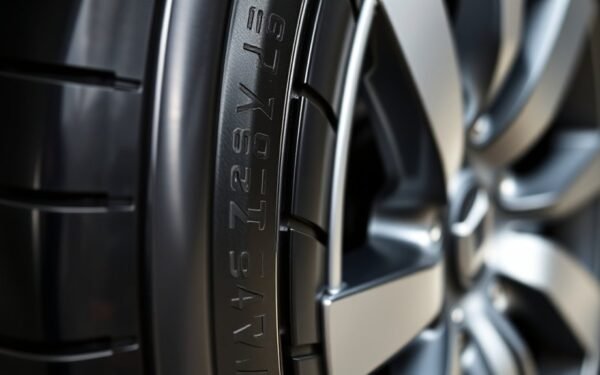
Honda Accord Tire Size: What All the Numbers Mean
Understand your Honda Accord's tire size numbers and discover how they impact your vehicle's performance—curious about the details? Keep reading to learn more!
Read More