
Do All 4 Tires Need to Be Replaced at Once on a Hyundai Sonata?
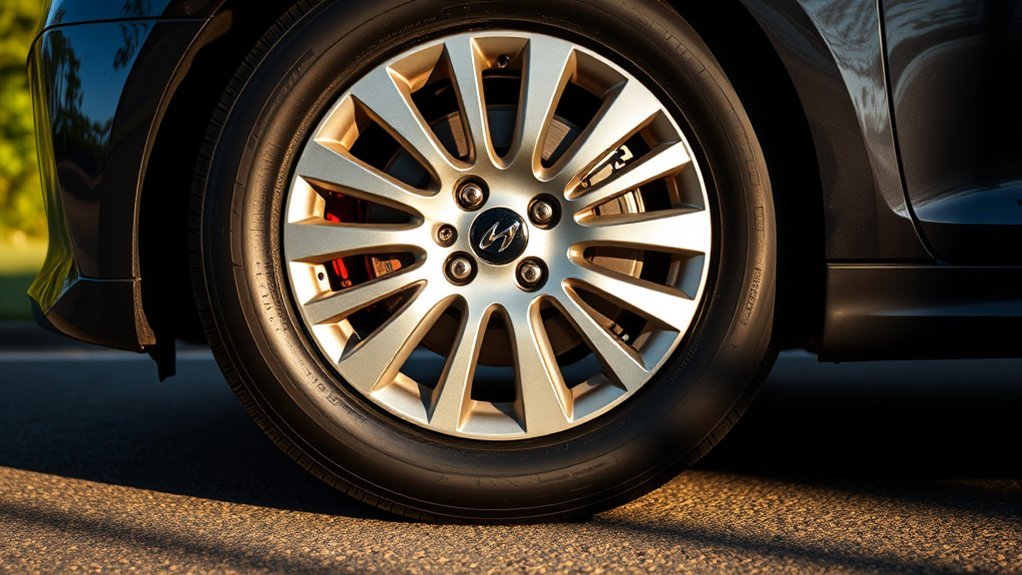
On a Hyundai Sonata, you don’t always need to replace all four tires at once. If you have a front-wheel-drive model, you can often replace just the worn tires, provided the others have sufficient tread. However, for all-wheel-drive models, it’s essential to replace all four tires simultaneously to maintain balanced traction. Keeping an eye on tread depth and wear patterns can help you make informed decisions about your tires. Discover more about tire maintenance and safety next.
When to Replace Tires on a Hyundai Sonata
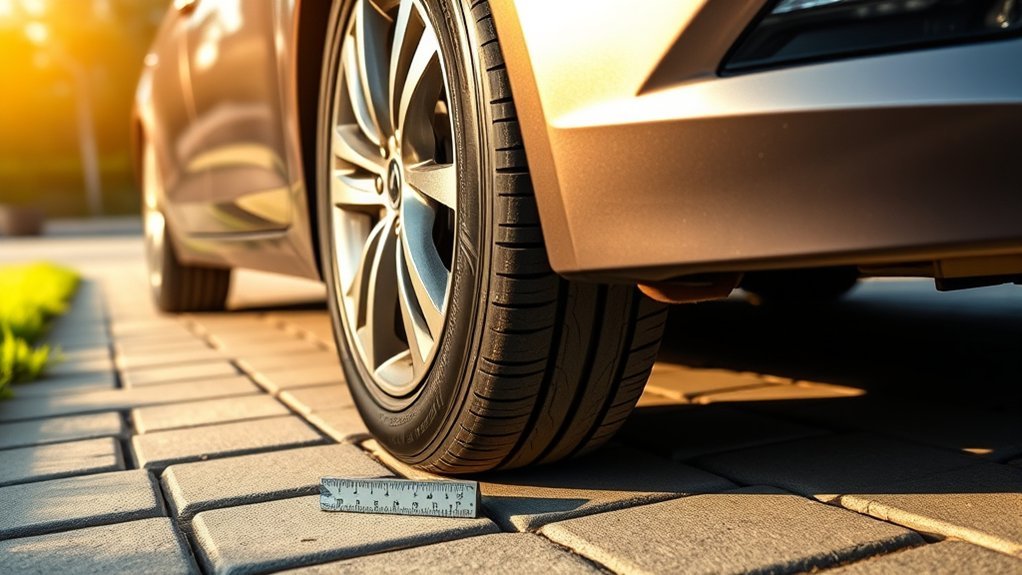
When should you consider replacing tires on your Hyundai Sonata? Tire longevity factors play a vital role in determining when to make the switch. Regularly inspect the tread depth; you should replace tires when they reach 4/32nds of an inch or less. If your Sonata is a front-wheel-drive model, it’s generally not necessary to replace all four tires at once unless they’re markedly worn or damaged. However, if your Sonata features all-wheel drive (AWD), you’ll want to replace all four tires simultaneously to maintain balanced traction and handling. Seasonal tire considerations also matter; switching between summer and winter tires can enhance performance and safety. Always match the new tires’ model, size, and tread pattern with the existing ones to guarantee peak performance. Don’t forget to consult your owner’s manual for specific guidelines tailored to your Hyundai Sonata.
What Happens If You Don’t Replace Worn Tires?
Neglecting to replace worn tires can lead to serious safety issues on the road. When you ignore tire maintenance, you’re risking not just your vehicle’s performance but your safety as well. Here’s what can happen:
- Reduced Traction: Worn tires have decreased tread depth, increasing the likelihood of skidding on wet or slippery surfaces.
- Longer Stopping Distances: Insufficient tread can extend your stopping distance, heightening the risk of collisions, especially in emergencies.
- Blowouts and Costs: Driving on tires with uneven wear can lead to blowouts, resulting in costly repairs.
To maintain peak performance and safety, replace tires when they reach a tread depth of 4/32nds or less. Following these safety tips can help guarantee a smoother, safer driving experience. Don’t compromise your safety—prioritize tire maintenance for a liberated journey.
How Tire Wear Affects Replacement Decisions
Tire wear directly impacts your replacement decisions, especially regarding tread depth and uneven wear. When your tread depth falls below 4/32nds, you risk compromised performance and safety. Additionally, uneven wear can lead to handling issues, making it essential to assess all tires for balanced performance.
Tread Depth Considerations
Maintaining an adequate tread depth is essential for guaranteeing your vehicle’s safety and performance. Proper tread depth affects tire balance, handling, and traction, especially in a Hyundai Sonata. Here are key considerations:
- Replace tires when tread depth falls below 4/32nds of an inch for ideal grip, particularly in wet conditions.
- If one tire shows 2/32nds while others are at 6/32nds, replace both tires on that axle to prevent handling issues.
- Regularly measure tread depth to guarantee you’re aware of wear; a good rule is to replace tires at 2/32nds for safety.
Uneven Wear Impact
Uneven wear on your tires can greatly impact your vehicle’s performance and safety. When one tire wears down markedly compared to others, it’s essential to think about replacing both tires on the same axle. This guarantees balanced performance and handling, especially during emergency maneuvers. Hyundai emphasizes that tires on the same axle should match in size and model for consistent traction.
| Tire Condition | Impact on Vehicle |
|---|---|
| Even wear | Ideal handling and stability |
| Uneven wear (one tire) | Compromised performance; replace both |
| Notable tread depth difference | Strain on drivetrain in AWD models |
Regular tire rotation can help mitigate uneven wear, prolonging tire life and enhancing safety. Keep an eye on those tread patterns!
Why Replacing Tires in Pairs Is Safer
Replacing tires in pairs enhances stability, especially during emergencies. It guarantees predictable handling performance, which is vital for preventing accidents. By maintaining balanced traction, you reduce the risks associated with uneven tire wear and handling issues.
Enhanced Stability During Emergencies
When you face emergency situations while driving, having balanced tire performance can be a game changer. Replacing tires in pairs not only boosts tire stability but also reduces the risk of skidding during emergency maneuvers. Here’s why it’s essential:
- Balanced Handling: Consistent tire performance across all four tires guarantees uniform handling, especially in critical situations.
- Rear Axle Priority: Best tires on the rear axle maintain stability during sudden stops or sharp turns.
- Traction Consistency: Mismatched tires can create uneven traction, increasing loss of control in adverse weather.
Predictable Handling Performance
Balanced tire performance not only enhances stability during emergencies but also guarantees predictable handling under various driving conditions. Replacing tires in pairs is essential, particularly for front-wheel-drive vehicles like your Hyundai Sonata. This practice ensures balanced traction, critical for maintaining consistent driving dynamics. When tread depth varies considerably, you risk uneven handling that can lead to skidding or loss of control, especially during sudden maneuvers. Placing new tires on the rear axle improves stability and helps prevent oversteer. By prioritizing matched tires, you not only enhance safety but also protect your vehicle’s suspension and drivetrain, minimizing strain on these important systems. Embracing modern tire technology is key to achieving ideal performance and confidence on the road.
Reduced Risk of Accidents
While it might seem convenient to replace just one tire, doing so can greatly increase your risk of accidents. For effective accident prevention and tire maintenance, consider these points:
- Balanced Traction: Replacing tires in pairs guarantees even tread depth, enhancing stability and reducing skidding during sudden maneuvers.
- Predictable Handling: Mismatched tires can lead to unpredictable handling, especially in adverse weather, raising accident chances.
- Shorter Stopping Distances: Vehicles with evenly matched tires experience better braking performance, essential for safety in emergencies.
Cost Considerations for Tire Replacement

Considering the cost of tire replacement is important for maintaining both safety and vehicle performance. If you own an all-wheel drive Hyundai Sonata, replacing all four tires may be necessary to guarantee balanced traction and avoid drivetrain damage. For front-wheel drive models, it’s often more economical to replace only the damaged tire, provided the others are in good condition.
To keep costs manageable, explore tire pricing strategies by comparing retailers like Tire Rack to local dealers. Prices can vary greatly, and finding the best deal could save you money. Additionally, assess the condition of your remaining tires; if they show considerable wear (over 70%), replacing all four can prevent future costs related to safety and performance. Matching the new tire’s brand and tread pattern with existing ones is also vital for ideal results. Prioritize informed decisions to maximize both safety and your budget.
Making Informed Decisions About Tire Replacement Options
When evaluating tire replacement options, it’s essential to understand both your vehicle’s requirements and the condition of your tires. For your Hyundai Sonata, you might not need to replace all four tires unless the owner’s manual states otherwise or if there’s significant wear across all tires. Here are a few considerations to help you make informed decisions:
- Assess Damage: If one tire is damaged and the others are fine, replacing just that tire is usually acceptable for front-wheel-drive models.
- AWD Considerations: For all-wheel-drive vehicles, replacing all four tires is often recommended to maintain balanced traction.
- Match Specifications: Confirm the new tire matches existing ones in model, size, and tread pattern to prevent handling issues.
Regular tire maintenance, especially during seasonal changes, can extend tire life and inform your replacement decisions effectively.
Frequently Asked Questions
Is It Typical to Replace All Four Tires at Once?
It’s not typical to replace all four tires at once; it depends on tire wear and your driving habits. Often, replacing just one or two tires suffices, especially if others are in good condition.
How Long Do Hyundai Sonata Tires Last?
When it comes to Hyundai Sonata tires, you’ll find they generally last between 40,000 to 70,000 miles. Tire lifespan factors like tread wear, road conditions, and maintenance play vital roles in their longevity.
Is It Okay to Replace Two Tires Instead of Four?
Yes, you can replace two tires instead of four, provided the remaining tires have good tread. Just guarantee the tread wear matches closely to maintain handling performance and avoid compromising your driving safety.
Conclusion
To sum up, while it’s not always necessary to replace all four tires on your Hyundai Sonata at once, doing so can enhance safety and performance. Think about how uneven tread can impact your handling—do you really want to risk a loss of control? Regularly assess your tires’ condition and consider replacements in pairs or all four, depending on wear. Making informed decisions now can save you from costly issues down the road.

Related Articles

All-Weather vs All-Season Tires for Hyundai Sonata Compared
Just how do all-weather tires outperform all-season tires for your Hyundai Sonata? Discover the key differences that could impact your driving experience.
Read More
All-Season Vs Winter Tires for Hyundai Sonata: Which Is Better?
Find out which tire type ensures safety and performance for your Hyundai Sonata, especially when facing unpredictable winter conditions. Your decision could change everything.
Read More
Does a Hyundai Sonata Need Tire Alignment After a Pothole?
Grappling with a pothole can leave your Hyundai Sonata in need of alignment—discover the signs and solutions to ensure safe driving.
Read More