What’s in This Article
- Quick Verdict: Which Tire Should You Choose?
- Construction: How Clincher and Tubular Tires Differ
- Mounting and Roadside Repairs: What Changes on the Road?
- Performance Trade-Offs: Rolling Resistance, Comfort, and Handling
- Weight, Cost, and Maintenance: What Do You Really Gain?
- Rim Compatibility: Why You Can’t Mix Tire Types
- Choose Clinchers If…
- Choose Tubulars If…
- Final Recommendations: Pick by Riding Style and Priorities
- Frequently Asked Questions
- Conclusion
A tire choice can change your ride more than many small bike upgrades. Pick the wrong system, and a simple flat can cost you time, money, or control. You’ll choose clinchers for practicality and tubulars for performance: clinchers use a separate inner tube held by a bead on the rim, while tubulars use a sewn casing glued or taped to a tubular rim. Keep reading to compare repair ease, ride feel, cost, and rim compatibility before you commit.
Quick Answer
Choose clinchers if you want easy repairs, lower cost, and simple everyday service. Choose tubulars if you race, have support, and value ride feel over roadside convenience. For gravel, tubeless clincher-style tires usually make more sense than traditional tubulars.
Key Takeaways
- Choose clinchers for commuting, touring, training, and rides where fast roadside repair matters.
- Choose tubulars for racing when small gains in weight, feel, and handling matter more than convenience.
- Match your tire to the correct rim type because clincher and tubular rims use different designs.
- Use tubeless clincher-style tires for gravel if you want lower pressure and better puncture protection.
- Factor in repair skill, support, and long-term cost before you buy a wheelset.
Quick Verdict: Which Tire Should You Choose?
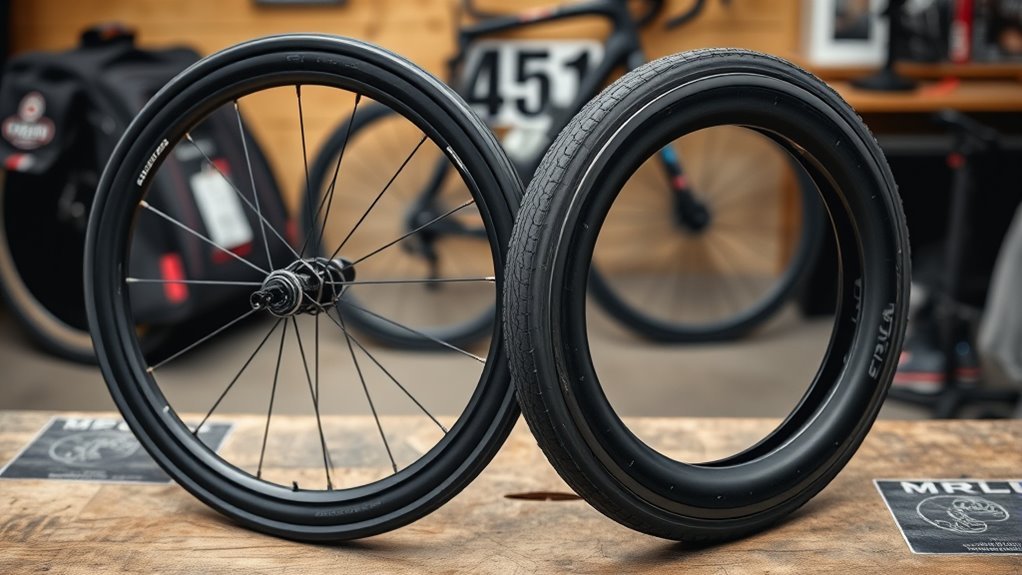
Wondering which tire type fits your riding? Choose clinchers for commuting, touring, and most daily road use because they cost less, repair quickly, and work with widely available tubes and tires. Choose tubulars for racing if you want a light, supple setup and you can handle careful mounting.
For gravel, lean toward tubeless clincher-style tires. They let you run lower pressure, seal many small punctures, and add comfort on rough ground. Clinchers and tubeless clinchers give most riders the best mix of value, serviceability, and control.
| Riding Style | Best Choice | Why It Fits |
|---|---|---|
| Commuting | Clincher | Easy tube swaps and lower replacement cost |
| Road racing | Tubular | Light feel and strong race-day handling |
| Training | Clincher | Simple maintenance and wide tire choice |
| Gravel | Tubeless clincher | Lower pressure and better puncture control |
[Products Worth Considering]

Replace worn wheelbarrow, mower, or hand truck inner tubes with the TICONN 4.80/4.00-8 tube designed for 8-inch rims. Built from 100% natural rubber, it helps improve durability, impact absorption, and air retention while supporting self-sealing leak protection. The TR-13 straight valve stem makes it a straightforward fit for common yard equipment wheels.

This Hycline 2-pack mountain bike tire set delivers durable, puncture-resistant performance with a high-grip, aggressive tread designed for traction on hard surfaces and confident handling through mud and soil. Includes matching inner tubes and tire levers for easier everyday maintenance and quicker installation after folding storage. Built for a range of riding conditions with reinforced rubber and nylon cord for wear-resistant reliability.

Switch to tubeless with this Muc-Off rim tape designed to create an airtight seal for smooth-running setups. The pressure-sensitive adhesive offers the right stretch for strength and durability, while the semi-transparent material helps you locate the valve hole quickly. It includes four seal patches for a secure finishing seal after wrapping.
Construction: How Clincher and Tubular Tires Differ
Clinchers and tubulars behave differently because they use different basic designs. A clincher tire has a bead that hooks into the rim and usually holds a separate inner tube. When you get a flat, you can remove the tire edge, replace or patch the tube, and inflate it again.
A tubular tire combines the casing and tube into one sewn unit. You attach it to a smooth tubular rim with glue or tape. That bond must hold under braking, cornering, and hard load, so careful mounting matters.
These designs create clear trade-offs. Tubulars can feel more supple and light, while clinchers give you easier service and broader parts access. Your best choice depends on whether you want race-day feel or everyday independence.
| Feature | Clincher | Tubular |
|---|---|---|
| Rim design | Hooked or hookless bead seat | Smooth tire bed |
| Tube setup | Separate inner tube, unless tubeless | Tube sewn inside casing |
| Mounting method | Bead seats on rim | Glue or tape holds tire |
| Repair style | Tube swap or patch | Replace, re-glue, or repair off-bike |
Mounting and Roadside Repairs: What Changes on the Road?
You’ll find clinchers far easier for roadside fixes. Tire levers, a spare tube, and a pump can get you moving again in minutes. That makes clinchers a safer choice for solo rides and long routes.
Tubulars need more care. You must mount them with glue or tape, and a weak bond can let the tire shift or roll under hard cornering. A puncture can also leave you with few easy roadside options.
Warning: Never ride a poorly bonded tubular tire because it can separate from the rim under load.
[Products Worth Considering]

Replace worn tires quickly with this universal 4.80/4.00-8 tire and inner tube set designed for wheelbarrows and outdoor utility carts. The ribbed tread helps reduce turf damage while the natural rubber construction supports longer service life. Compatible with 15.5-inch outer diameter, 4-inch width, and 8-inch rim diameter wheels, it uses a straight TR-13 valve stem for easy installation. For best results, inflate with a manual pump and do not exceed 25 PSI.

Orange Seal regular formula tubeless sealant quickly seals punctures and forms a durable bond inside your tire to help reduce flats. Made with natural latex, it adheres effectively to rubber and seals from the inside out, including the critical bead-to-rim interface for a reliable ride. It seals punctures up to 1/4 inch, slices up to 3/4 inch, and performs in temperatures as low as 11°F across MTB, road, cyclocross, gravel, and e-bike applications.
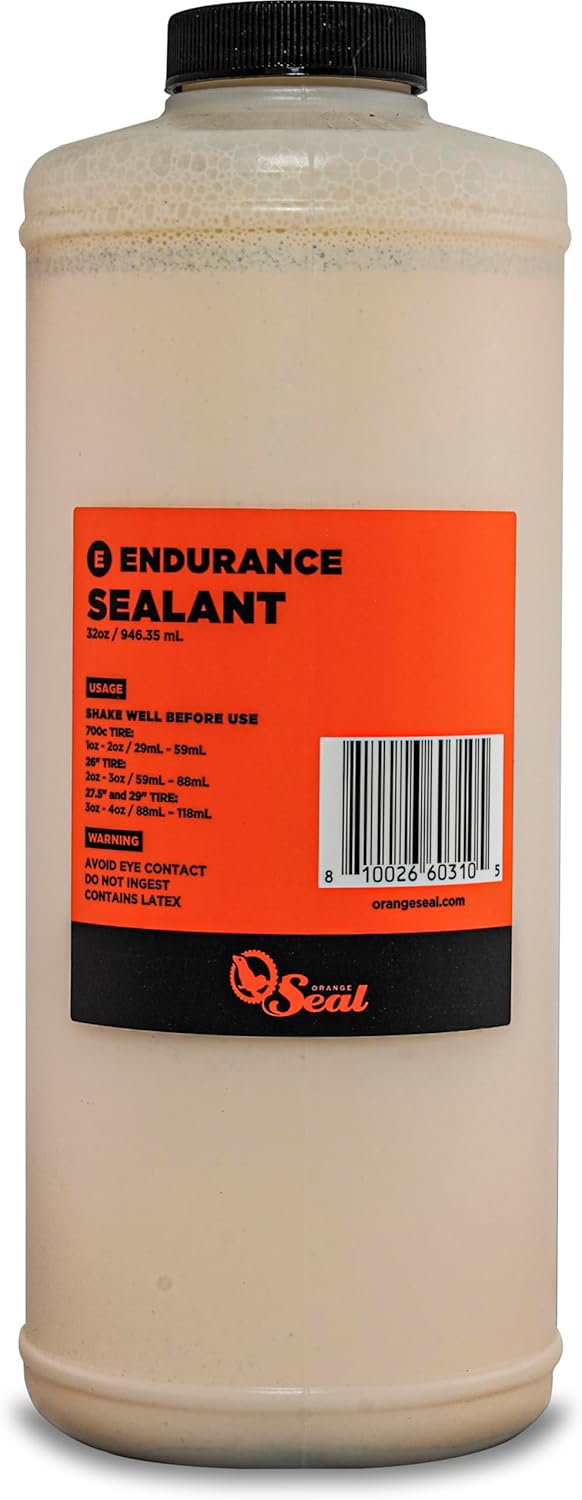
Orange Seal Endurance Formula delivers long-lasting latex protection with a durable sealant that can stay effective for 60–120 days between top-offs. It uses nanite particles to rapidly seal punctures up to 1/4" and slices up to 1/2", helping maintain reliable tubeless performance across MTB, road, CX, and gravel conditions. The biodegradable formula is engineered to work across major tubeless-ready and UST brands and a wide range of rubber compounds.
Quick Roadside Fixes
When a roadside puncture happens, clincher wheels give you the fastest path back to riding. You can pry the bead with levers, replace the inner tube, and inflate the tire with basic tools. A tire boot can also help you ride home after a small casing cut.
You can reduce flats with sensible pressure, good tire choice, and regular checks for embedded glass or wire. Sealant helps when you run a tubeless clincher system. Carrying a spare tube still gives you backup when sealant fails.
Tubulars: Glue And Risks
Although tubulars can ride beautifully, their glued mounting creates real limits. You need clean rim prep, correct adhesive use, and enough curing time before hard riding. Poor bonding increases the risk of tire movement during fast turns.
Roadside repairs also take more effort. A damaged tubular often needs full replacement, careful reattachment, or repair away from the road. Racers may carry a spare tubular, but most everyday riders will find that bulky and slow.
Performance Trade-Offs: Rolling Resistance, Comfort, and Handling
Many riders prefer tubulars for fast road racing because they can feel light, smooth, and responsive. Their sewn construction often gives a supple ride, especially on clean pavement. You may notice less harsh vibration than with a basic clincher setup.
Modern clinchers have narrowed the performance gap. High-quality clinchers and tubeless clinchers can roll very fast with the right tire, rim, and pressure. For many riders, pressure choice and tire width matter as much as tire format.
| Feature | Typical Advantage |
|---|---|
| Rolling resistance | Depends on tire model, pressure, and casing |
| Comfort levels | Tubulars often feel more supple |
| Handling characteristics | Tubulars can stay more controlled after some flats |
| On-the-go repair | Clinchers are simpler |
| Pressure range | Tubeless clinchers work well at lower pressures |
These trade-offs mean you should match the tire to your real use. Tubulars favor supported racing and smooth roads. Clinchers favor training, commuting, travel, and independent repair.
Weight, Cost, and Maintenance: What Do You Really Gain?
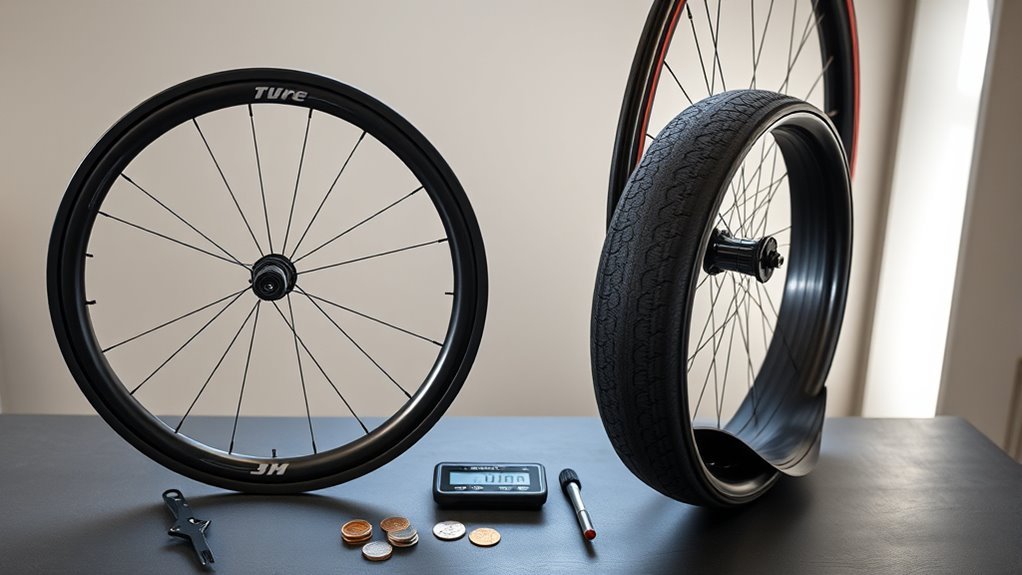
If you’re balancing weight savings against recurring costs, clinchers usually make more sense. They often cost less up front, and you can usually fix a flat with a low-cost tube. That reduces surprise bills and keeps more rides simple.
Tubulars can save weight in some wheel and tire setups, but the real gain depends on the exact parts. They can also cost more to maintain because punctures may require tire replacement, sewing work, or fresh adhesive. That extra labor makes sense for some racers, but it can frustrate casual riders.
If freedom on your rides means less time in the garage, choose clinchers. If you chase race-day feel and accept more setup work, tubulars may suit you. Your budget and repair skill should matter as much as the scale weight.
Pro tip: Price the tire, rim tape or glue, spare parts, and repair labor before you compare systems.
[Products Worth Considering]

This heavy-duty bicycle rim liner provides complete tube protection by shielding the inner tube from rim spoke holes and sharp metal burrs that can cause flats. Made from premium, wear-resistant PVC, it lays flat with optimized 18 mm width and 0.50 mm thickness for edge-to-edge coverage. Installation is quick with flexible stretch placement and a secure, non-slip fit.

Activ Life LED bike wheel lights add bright white illumination to your ride while improving visibility from every angle. The 2-pack features a constant glow or dynamic flash mode for safer night cycling, with a quick tool-free setup that fits standard bike wheels. Made for durable, weather-ready performance, these spoke lights are a stylish safety upgrade for riders of all ages.
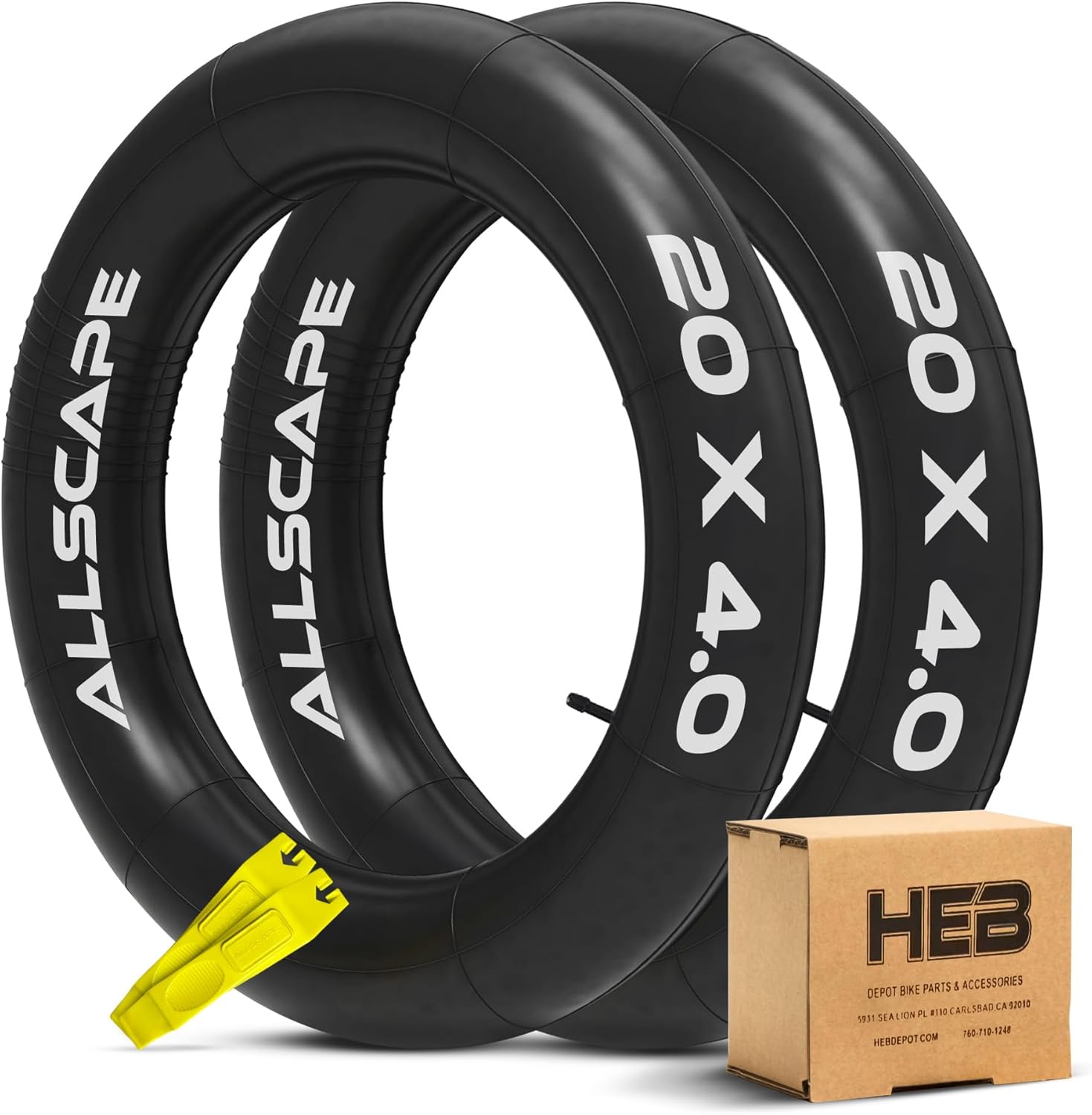
HEB heavy duty inner tubes deliver reliable puncture resistance for fat tire electric bikes and mountain bikes running 20x4 or 26x4 tires. Built for rugged backcountry trails, they help prevent flats from rocks and thorns while providing stability and traction. Choose a single tube or multi-packs for better value and keep your ride running smoothly in all seasons.
Rim Compatibility: Why You Can’t Mix Tire Types
Cost and maintenance only matter if the tire fits your wheels. You must match tire design to rim specifications. Clincher rims use a bead seat to hold the tire, while tubular rims use a smooth bed for adhesive-mounted tires.
You can’t run a clincher tire on a tubular rim. The rim has no proper bead seat to hold it. You also shouldn’t mount a tubular tire as a normal clincher because it won’t seat or lock correctly.
Before you buy wheels, check the rim type, bead profile, tire width range, and whether the rim supports tubeless use. Also confirm brake type and frame clearance. These checks prevent wasted money and unsafe setups.
Choose Clinchers If…
Choose clinchers if you want a tire system that you can service almost anywhere. They work well for commuting, touring, training, and long rides without support. Most bike shops also stock clincher tires and tubes, so replacements are easy to find.
- You want fast roadside tube swaps.
- You prefer lower repair costs.
- You ride alone or far from support.
- You want broad tire and rim choices.
- You value simple maintenance over small race gains.
Choose Tubulars If…
Choose tubulars if you race and want a tire that feels light, smooth, and secure when mounted well. They can suit riders who have team support, spare wheels, or strong workshop skills. They make less sense if you need quick roadside repairs.
- You race on the road, track, or cyclocross course.
- You can glue or tape tires correctly.
- You have spare wheels or race support.
- You care more about ride feel than repair speed.
- You accept higher service effort and cost.
Final Recommendations: Pick by Riding Style and Priorities
Choose the tire system that matches how and where you ride. Clinchers give you straightforward, cost-effective serviceability for everyday use, training, and touring. Tubulars trade convenience for a lighter, more race-focused feel.
If you prioritize freedom from roadside downtime, choose clinchers. Tube swaps are quick, replacement parts cost less, and most riders can handle the repair with basic tools. If you pursue pure speed and can tolerate higher support needs, choose tubulars.
For gravel, tubeless clincher-style tires often give the best balance. They pair lower pressure with self-sealing protection against small punctures. Match your choice to your riding profile, not fashion, and you’ll get the right advantage.
Frequently Asked Questions
What Is Better, a Clincher or a Tubular?
A clincher is better for most riders because it costs less, repairs faster, and works well for daily use. A tubular can suit racers who want a supple ride and can manage careful mounting. Your best choice depends on whether practicality or race performance matters more.
Do Pros Still Ride Tubular Tires?
Yes, some professional riders still use tubular tires, especially in racing formats where team support and wheel changes are available. Many riders and teams also use high-end clincher or tubeless systems. Tire choice now depends on course, sponsor equipment, and rider preference.
What Is the 105% Rule in Cycling?
The 105% rule usually refers to a time cutoff in a race, where a rider must finish within 105% of a reference time. The exact rule can vary by event. Tire choice can affect speed, but fitness, pacing, position, and conditions matter far more.
Can You Run Clinchers on Tubular Rims?
No, you can’t run clinchers on tubular rims. Clincher tires need a compatible bead seat, and tubular rims don’t provide one. Use a tubular tire on a tubular rim and a clincher tire on a clincher-compatible rim.
Are Tubeless Tires the Same as Clinchers?
Tubeless tires use a clincher-style bead, but they don’t need an inner tube when mounted on a compatible tubeless rim. Sealant inside the tire helps close many small punctures. This makes tubeless a strong option for gravel and many road riders.
Conclusion
The best tire system is the one that matches your riding, repair needs, and budget. Choose clinchers for everyday reliability, quick fixes, and lower costs. Choose tubulars for supported racing when ride feel and small performance gains matter most. Before you buy, check rim compatibility and decide how much roadside repair risk you’re willing to accept.
References
- Tires — Sheldon Brown, evergreen technical reference
- Tire and Tube Removal and Installation — Park Tool, evergreen repair guide
- Tubular Tire Gluing — Park Tool, evergreen repair guide