
Honda Accord Bolt Pattern: Everything You Need to Know

If you own a Honda Accord, understanding the wheel bolt pattern and fitment specifications is essential for safe and correct wheel upgrades. Choosing the wrong setup can lead to vibration, uneven tire wear, or even suspension damage. This guide breaks down everything you need to know in a simple, accurate way so you can confidently choose compatible wheels and avoid costly mistakes.
Quick Answer
Most modern Honda Accord models (2013 and newer) use a 5×114.3 bolt pattern with a 64.1 mm hub bore. Proper wheel offset typically ranges from +35mm to +55mm depending on trim. Matching these specs ensures safe installation, proper alignment, and optimal driving performance.
Key Takeaways
- Most modern Accord models use a 5×114.3 bolt pattern.
- Hub bore is typically 64.1 mm for proper centering.
- Offset affects stance, clearance, and handling stability.
- Incorrect fitment can cause vibration or tire rubbing.
- Always match wheel load rating to OEM requirements.
What You Need to Know About Honda Accord Wheel Bolt Pattern
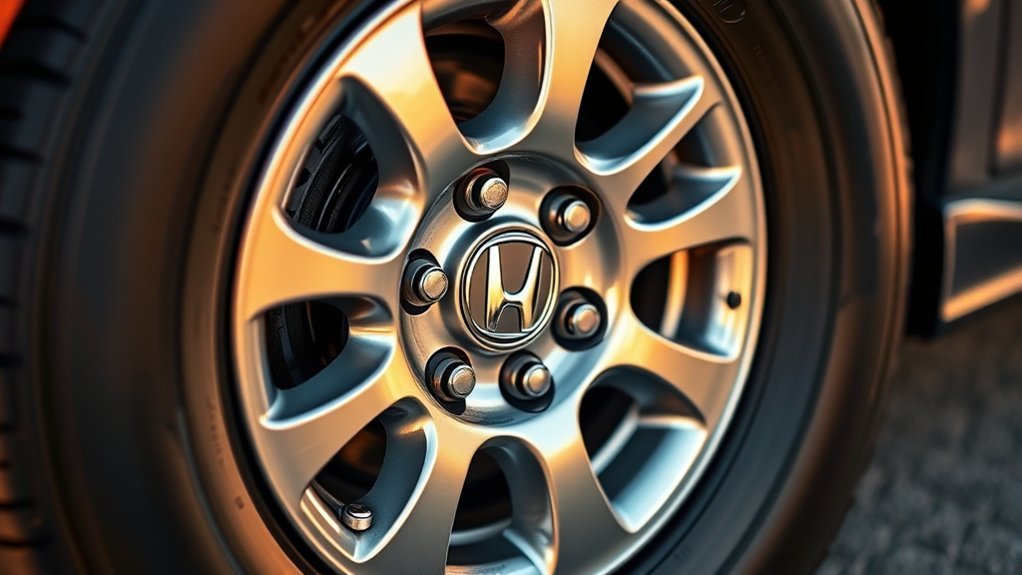
The Honda Accord wheel bolt pattern determines how the wheel attaches to the hub. For most 2008–2026 Accord models, Honda uses a standardized 5×114.3 PCD (pitch circle diameter), which improves compatibility across multiple trims and aftermarket wheels.
Older models vary significantly, with early generations using 4×100 or 4×120 patterns. Because of these differences, wheels are generally not interchangeable across all generations without adapters, which are not always recommended for daily driving.
[Products Worth Considering]

These M14x1.5 closed-end chrome lug nuts are a one-piece replacement designed for secure fitment on compatible GM, Ford, and select Chrysler/Dodge models. Featuring a 60-degree conical seat and anti-rust chrome plating, they help resist corrosion and maintain a bright look for everyday driving. Built for long-term durability, they include OEM-style part references and are backed by 12 months of support.

Upgrade your wheels with MIKKUPPA closed-end lug nuts designed for reliable fit and corrosion resistance. The one-piece, cold-forged and heat-treated steel construction helps resist rust and stripping, while the integrated finish delivers a durable black appearance. Built to OEM standards with a conical 60-degree seat, these nuts provide a secure solution for compatible Ford, Honda, Jeep, and Chevrolet models.

Upgrade your wheels with MIKKUPPA M12x1.5 mag seat lug nuts built for secure, corrosion-resistant performance. These closed-end chrome lug nuts are a direct replacement for select Toyota models, including Camry, Corolla, RAV4, Sienna, Avalon, Highlander, Matrix, Venza, and Prius. Triple-chromium plating and cold-forged, heat-treated steel help deliver strength for daily driving and replacement needs.
Hub Bore and Why It Matters
The hub bore for most modern Accords is 64.1 mm. This hub-centric design ensures the wheel is properly centered on the hub, reducing vibration and improving ride quality. Using wheels with a larger bore requires hub-centric rings for safe installation.
How Offset Affects Honda Accord Wheel Fitment
Wheel offset determines how far the wheel sits inward or outward from the suspension. It directly impacts steering behavior, clearance, and overall handling.
Typical Offset Ranges
- Factory range: +35mm to +55mm
- Aggressive fitment: +20mm to +35mm (may require modifications)
Lower offset pushes the wheel outward, creating a wider stance but increasing the risk of fender rubbing. Higher offset pulls the wheel inward, improving clearance but reducing aggressive appearance.
Warning: Incorrect offset can cause tire rubbing, steering instability, and premature suspension wear. Always verify fitment before installing aftermarket wheels.
Honda Accord Bolt Patterns Across Generations
- 1976–1981: 4×120
- 1981–1985: 4×100
- 1998–2007: Transition period with varying specs
- 2008–Present: 5×114.3 standardization
The shift to a standardized bolt pattern significantly improved aftermarket wheel compatibility and simplified fitment for newer Accord owners.
The 5×114.3 bolt pattern is one of the most common configurations in modern passenger vehicles, improving wheel availability and interchangeability.
Best Aftermarket Wheel Options for Honda Accord
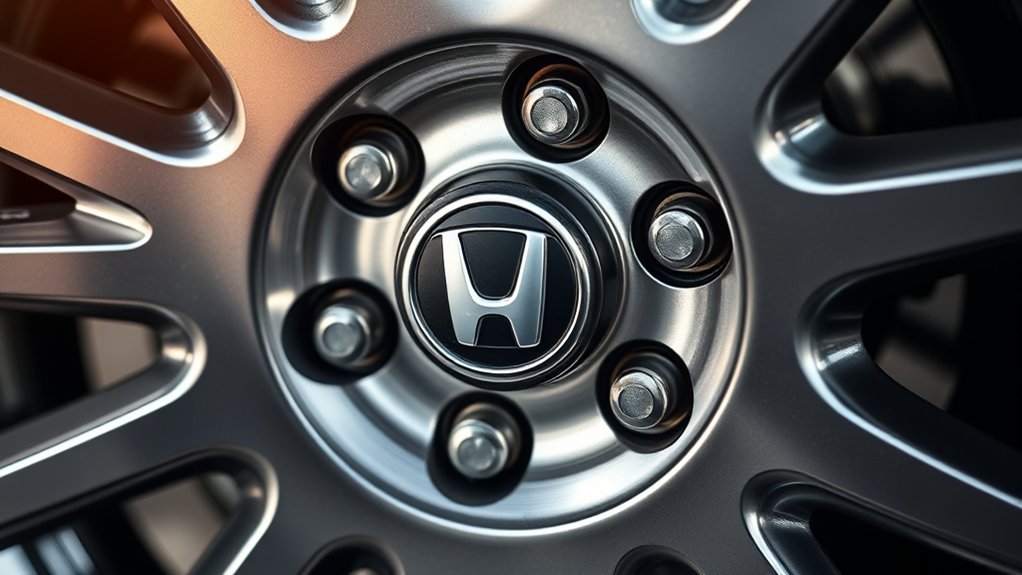
Aftermarket wheels allow for customization in both performance and appearance. Popular sizes for the Honda Accord range from 17 to 20 inches depending on trim and driving goals.
[Products Worth Considering]

Monitor tire tread wear with a smart, color-coded depth gauge that shows clear condition ranges at a glance. The bar is range marked for fast, easy readings, helping you maintain safer traction and performance. Each gauge is portable with a pocket clip, and the set includes 20 units for daily use and sharing.

The SEESII cordless impact wrench delivers high tightening and loosening power for fast wheel bolt and industrial bolt work. Its brushless motor and variable-speed 3 forward/2 reverse modes help you control precision installs and stubborn nut removal. A dual-battery system with rapid charging and an included storage case make it ready for home, car, and jobsite use.

Steelman white tire marking crayons provide high-contrast, semi-permanent marks for repairing and inspecting tires and equipment. They write on wet or dry, smooth or coarse surfaces including rubber, metal, glass, and wood, making them ideal for puncture location and damage outlining. The lead- and zinc-free crayons resist weather and fading yet wipe away when you no longer need the marks.
Recommended Fitment Ranges
- 17×7.5 for comfort-focused driving
- 18×8 for balanced performance
- 19×8.5 for sporty OEM+ setups
Material Considerations
Lightweight alloy wheels are preferred because they reduce unsprung weight, improving acceleration, braking, and fuel efficiency.
Common Fitment Problems and How to Fix Them
- Vibration at speed: usually caused by incorrect hub bore or missing hub rings
- Tire rubbing: caused by low offset or oversized tires
- Poor handling: incorrect wheel width or offset mismatch
Proper Installation Requirements
- Torque lug nuts to manufacturer specification (typically ~80 ft-lbs for many Accord models)
- Use hub-centric rings when needed
- Perform wheel alignment after installation
Pro Tip: Always re-torque lug nuts after 50–100 miles of driving after installing new wheels.
Frequently Asked Questions
Do all Honda Accords have the same bolt pattern?
No. Older Accord models used different patterns such as 4×100 and 4×120, while modern models primarily use 5×114.3.
Is 5×100 a common bolt pattern?
It is used on some compact cars, but it is less common than 5×114.3 in mid-size sedans like the Honda Accord.
Conclusion
Understanding Honda Accord wheel specifications is essential for safe and effective wheel upgrades. When bolt pattern, hub bore, and offset are correctly matched, you improve both performance and safety while avoiding costly fitment issues. Always verify specifications before purchasing aftermarket wheels to ensure a proper and reliable fit.
Sources
- Honda Official Automotive Site — general vehicle specification reference
- Honda Global — manufacturer information and standards
- National Highway Traffic Safety Administration (NHTSA) — vehicle safety and tire/wheel safety standards
[Products Worth Considering]

This universal wheel alignment tool helps you accurately restore tire tilt angles after tire or suspension repairs using an adjustable camber gauge. It features a powerful magnetic base that firmly attaches to brake rotors for stationary, slip-free readings, improving consistency during measurement. Built from durable PC plastic, it resists wear and corrosion and is compact enough for car, truck, RV, and motorcycle alignment tasks.

The Ziopetru adjustable magnetic wheel alignment tool helps you check and restore camber and caster positioning after removing and reinstalling undercarriage components. With a clear leveling/bubble measurement system and an easy zeroing adjustment knob, it supports precise horizontal angle checking. The strong magnetic base mounts to metal surfaces for convenient use at home on cars, motorcycles, trucks, vans, and SUVs.

Keep your RV, travel trailer, or fifth wheel securely in place with these heavy-duty X-shaped wheel chock stabilizers. Designed to clamp between tires, they reduce side-to-side movement for a steadier, level camping setup. The package includes a ratchet wrench, socket adapter, gloves, and a storage bag for easy installation and transport.

Related Articles
How Tall Is a 305 70 R17 Tire? Exact Height, Width & Dimensions
Curious how tall a 305 70 R17 tire really is—and whether it fits your truck?
Read More
Can-Am Defender Tire Size Guide: Stock Specs & Upgrade Options
Just how big can you go on a Can-Am Defender before mods become necessary?
Read More
How Tall Is a 275 65 20 Tire? Exact Height, Width & Dimensions
Check the exact height, width, and hidden fitment effects of a 275/65R20 tire before you buy or upgrade.
Read More